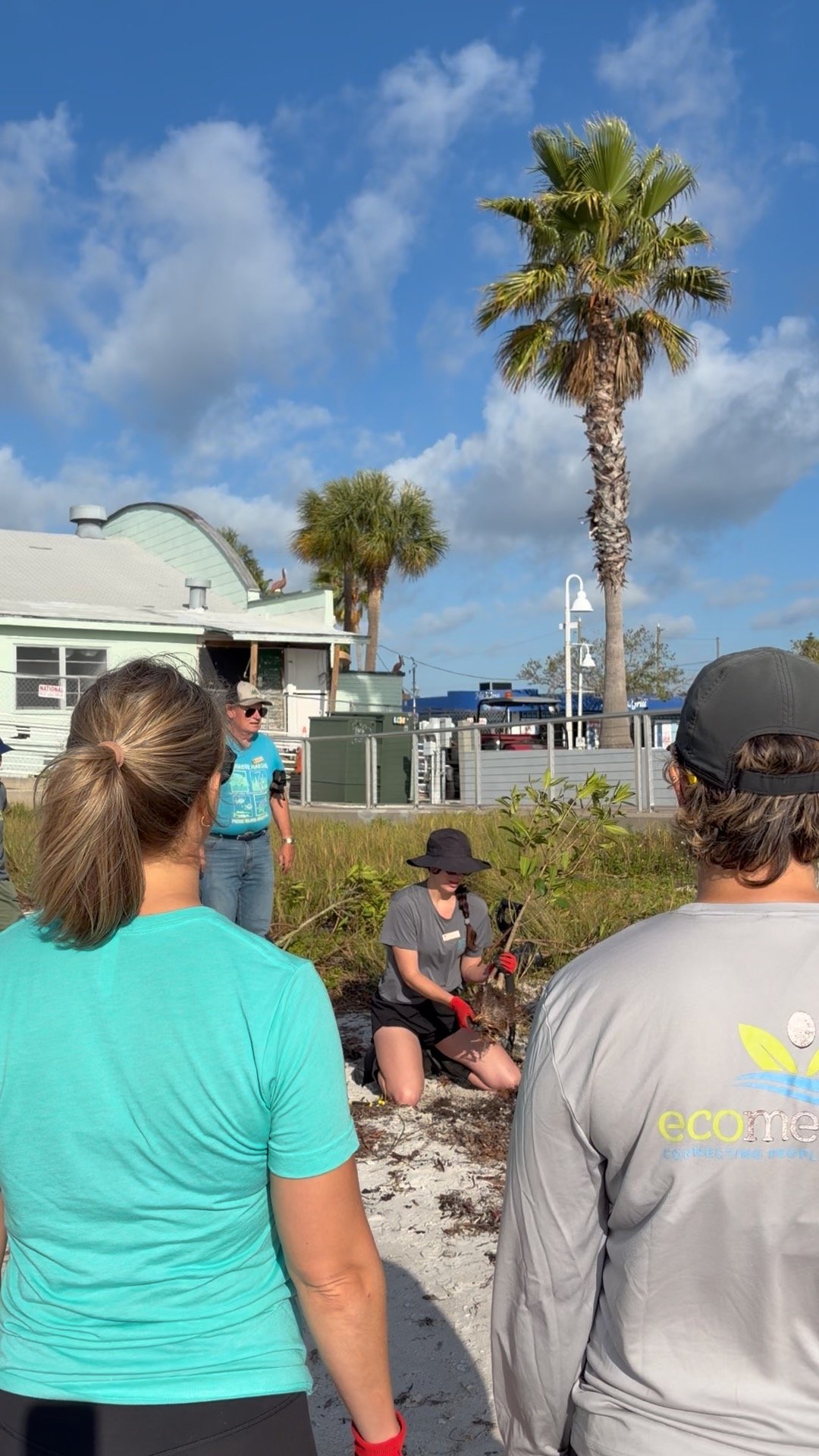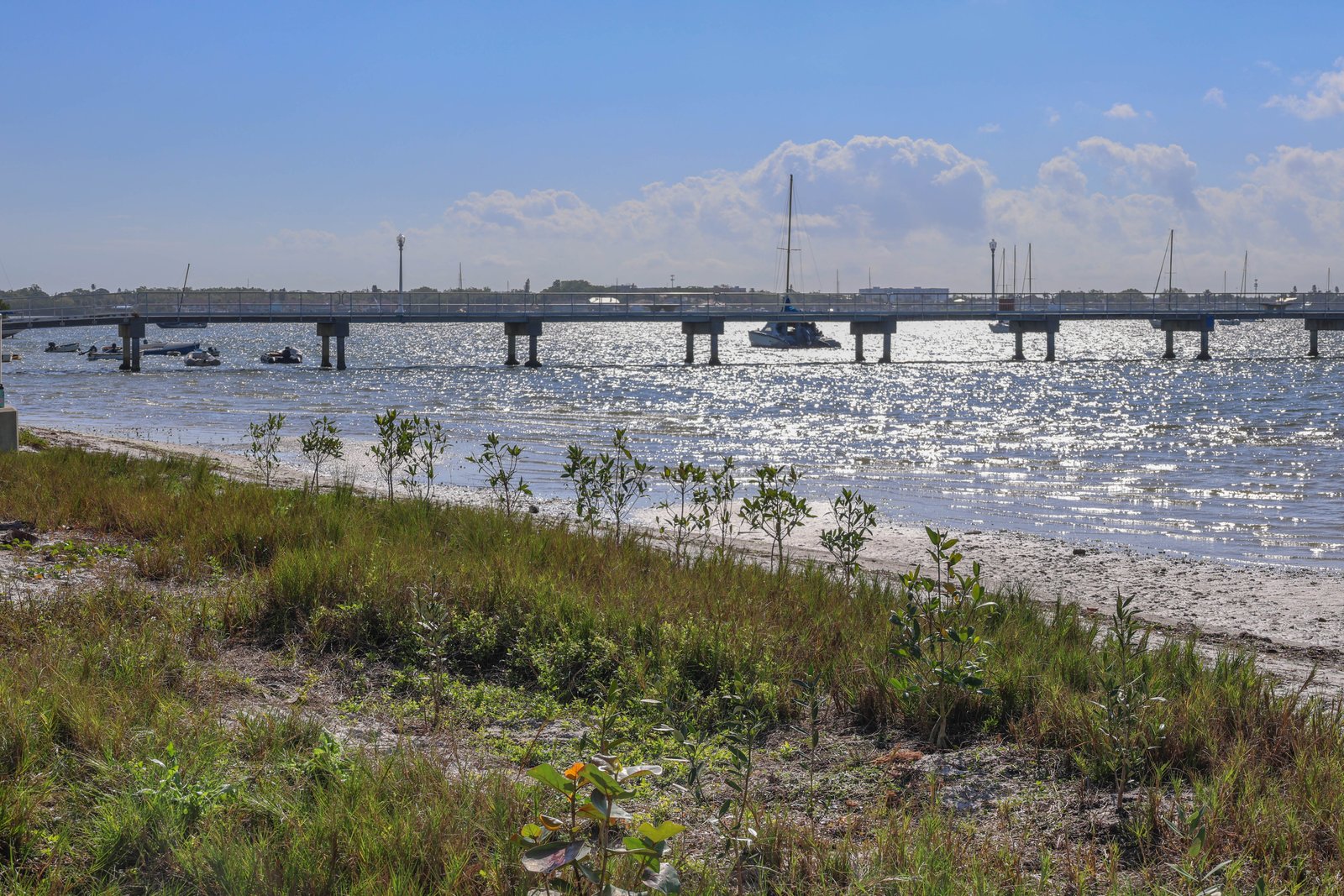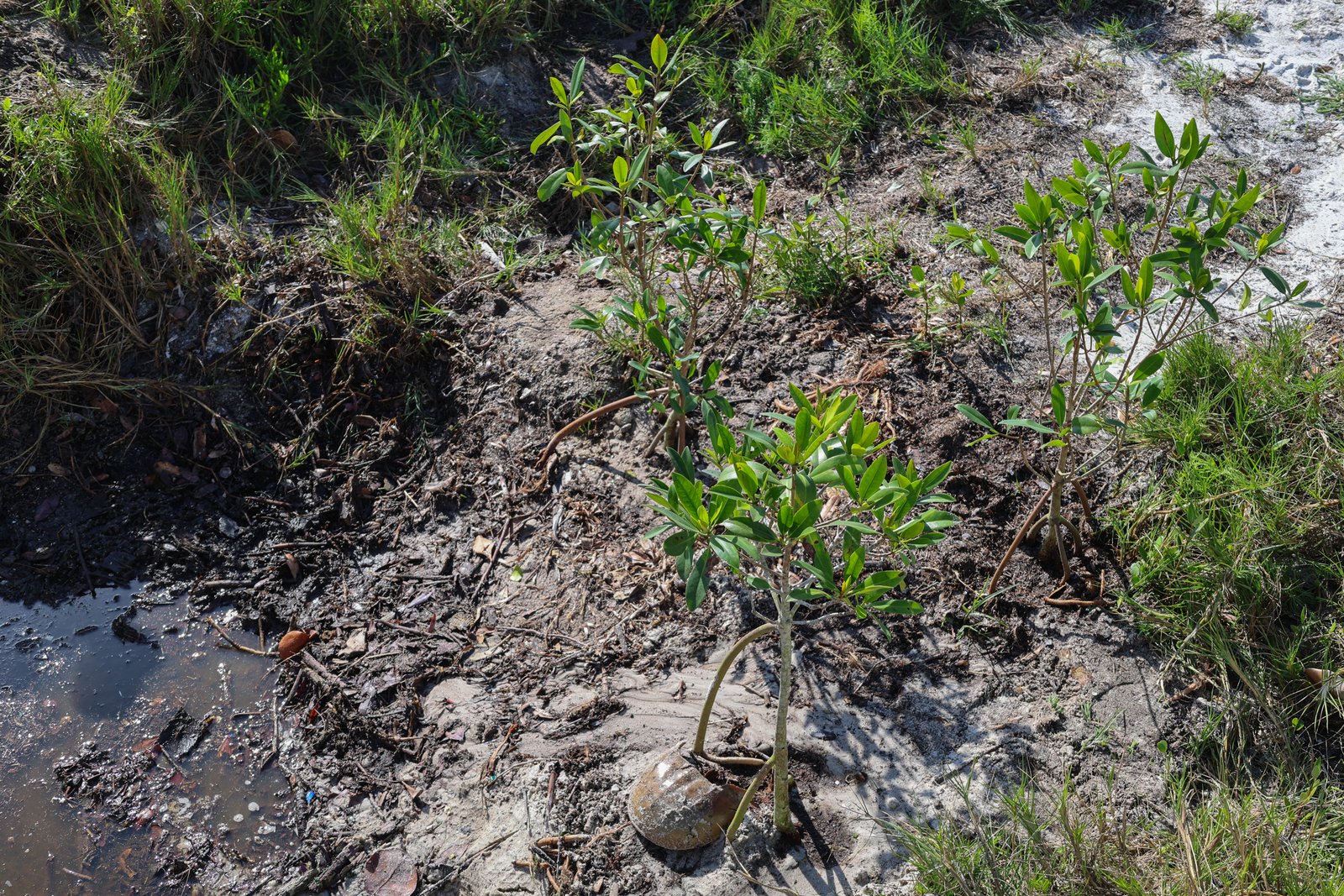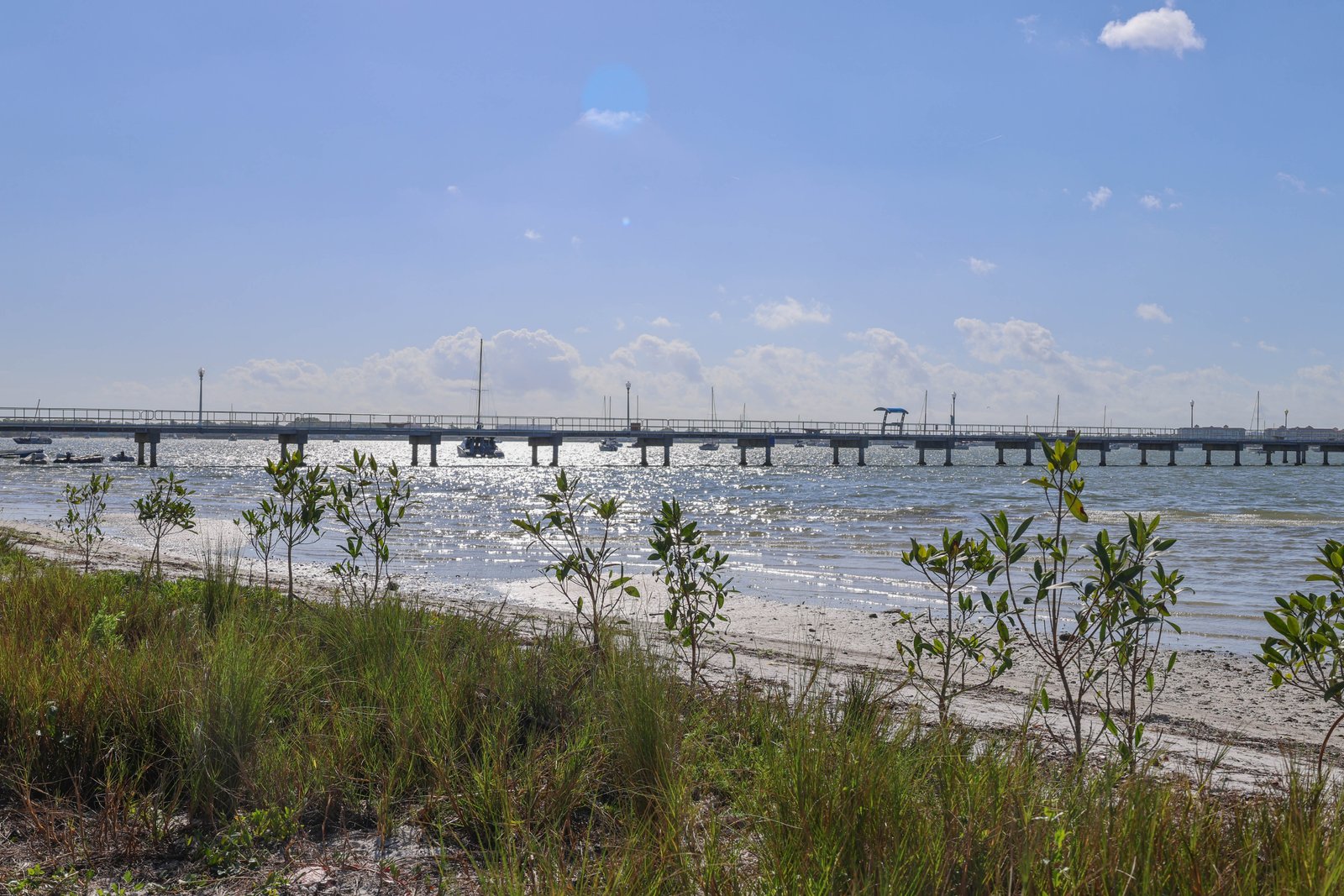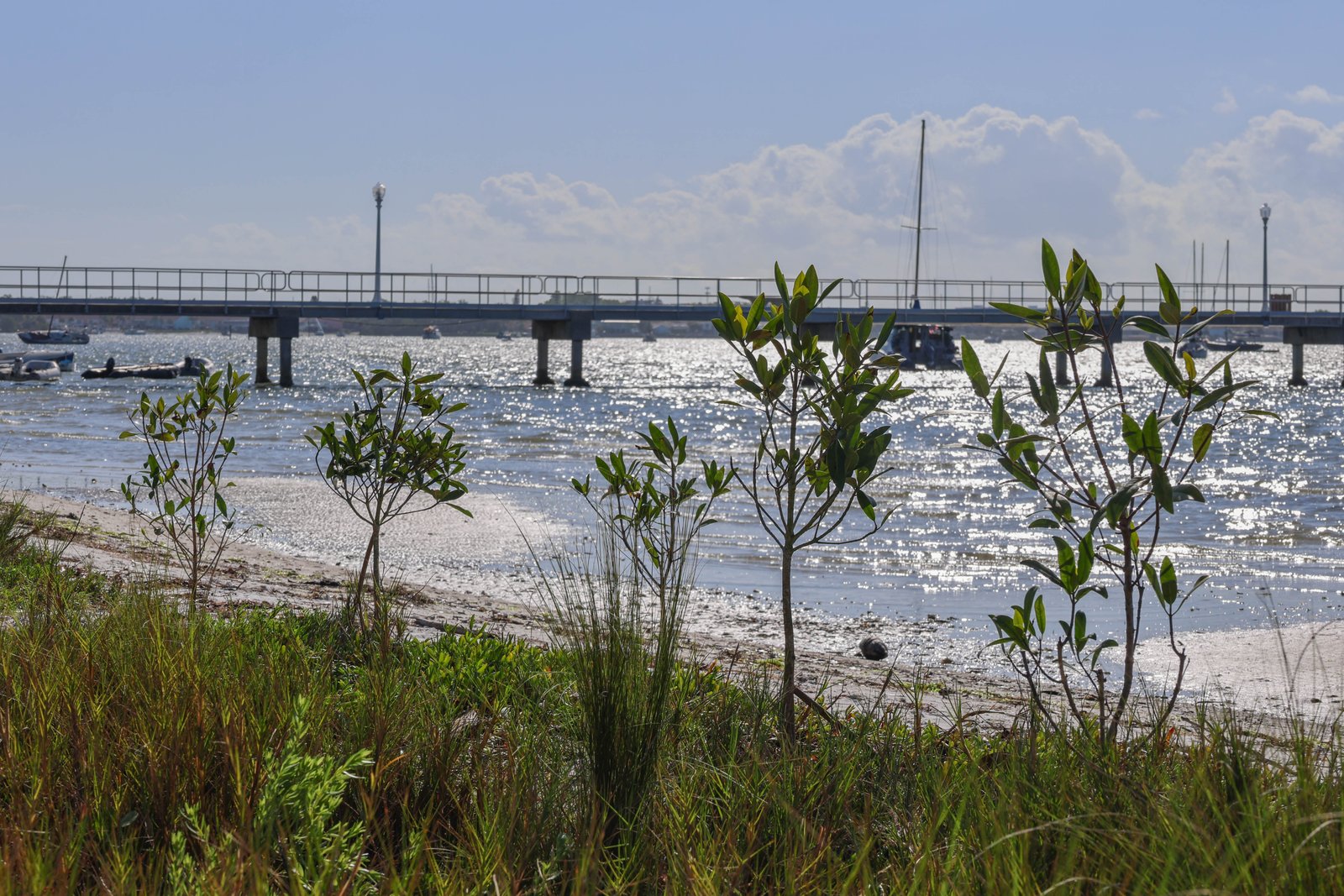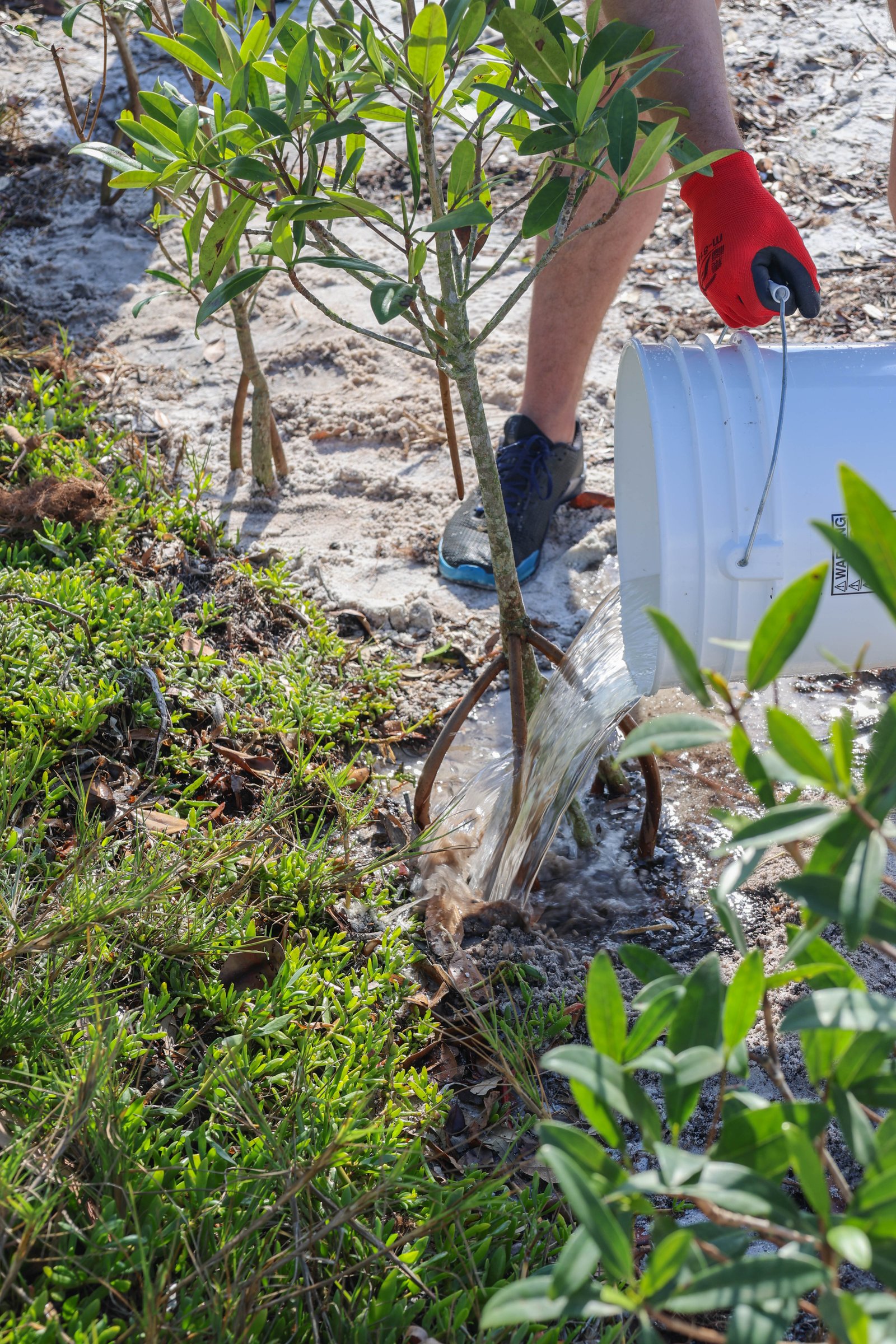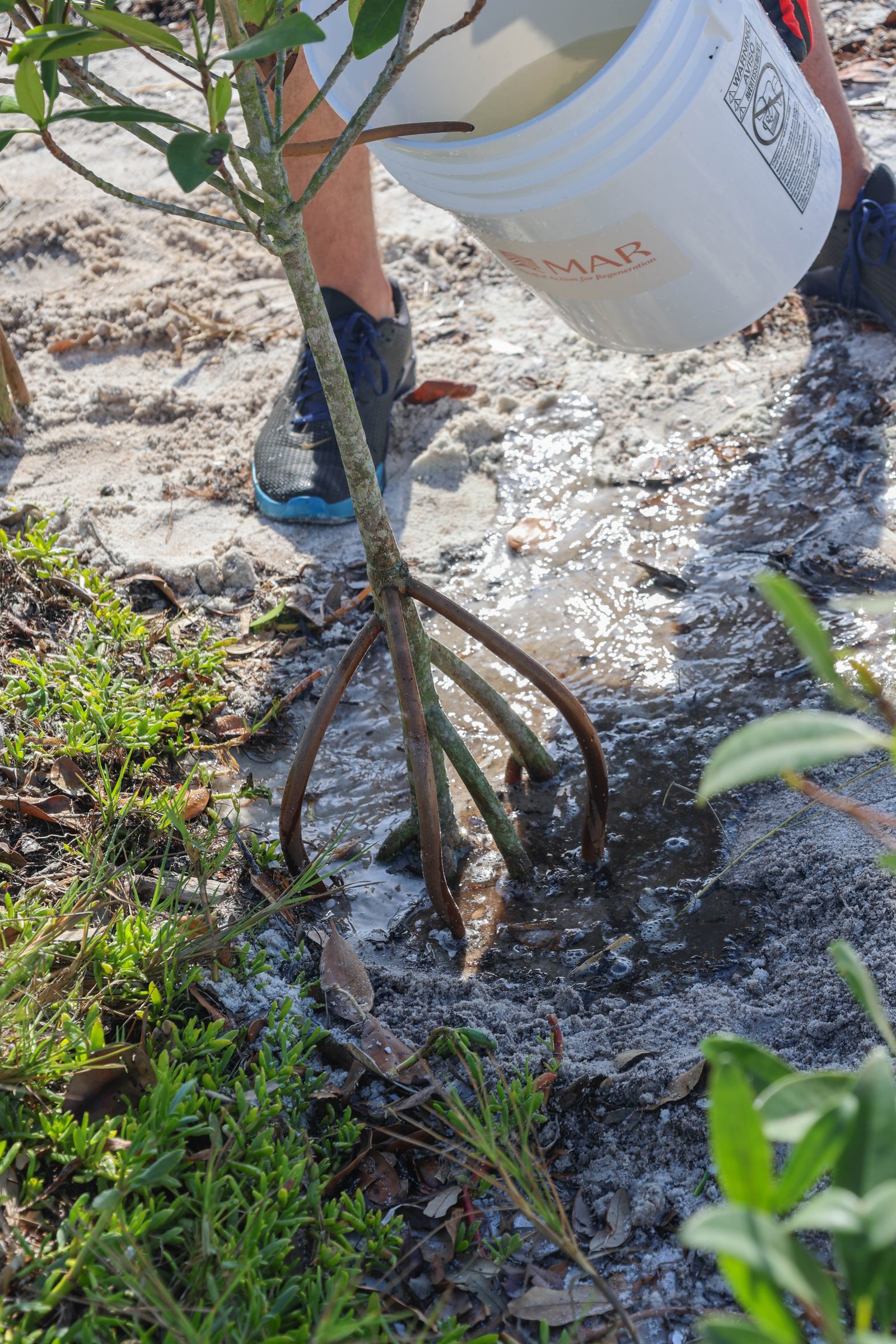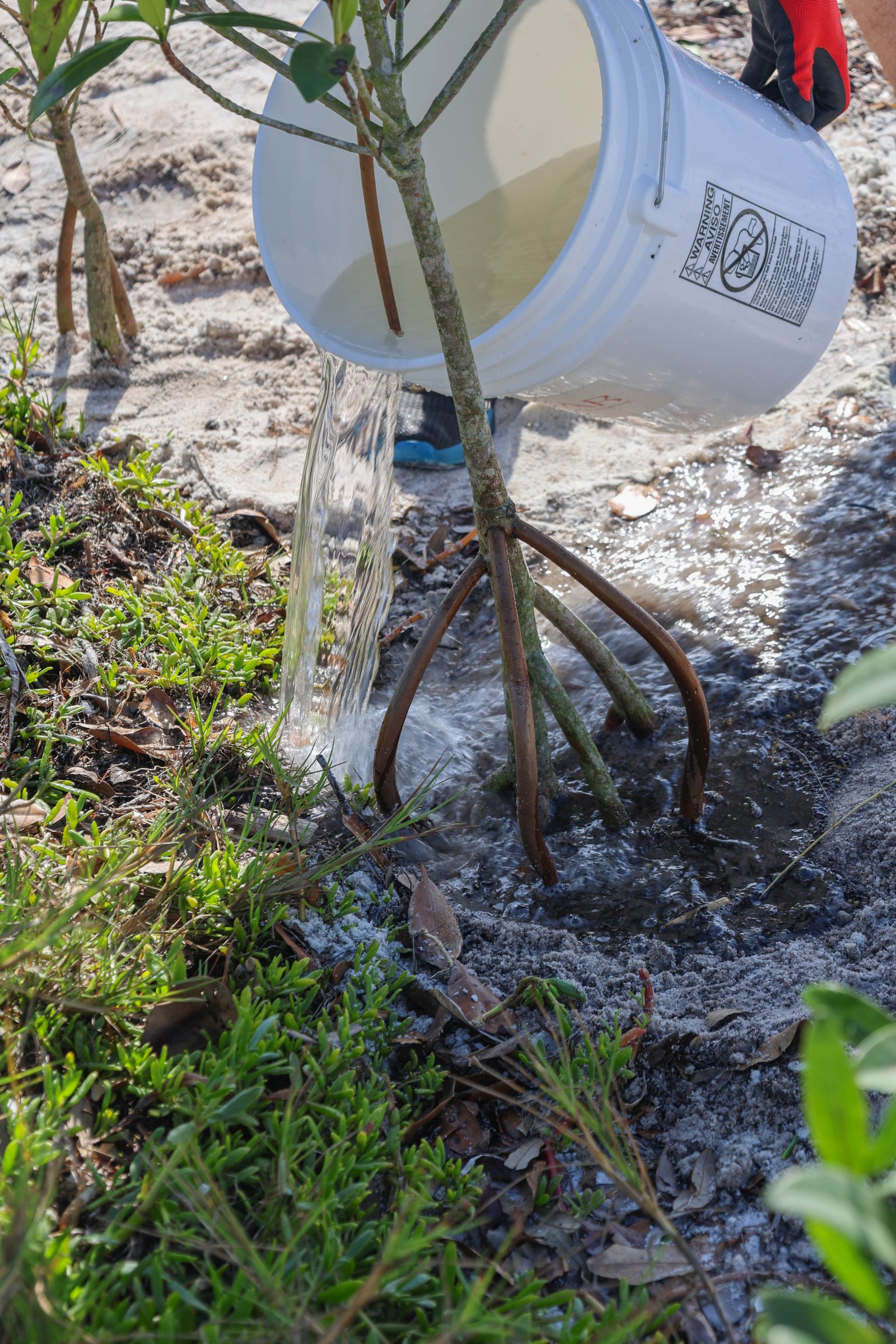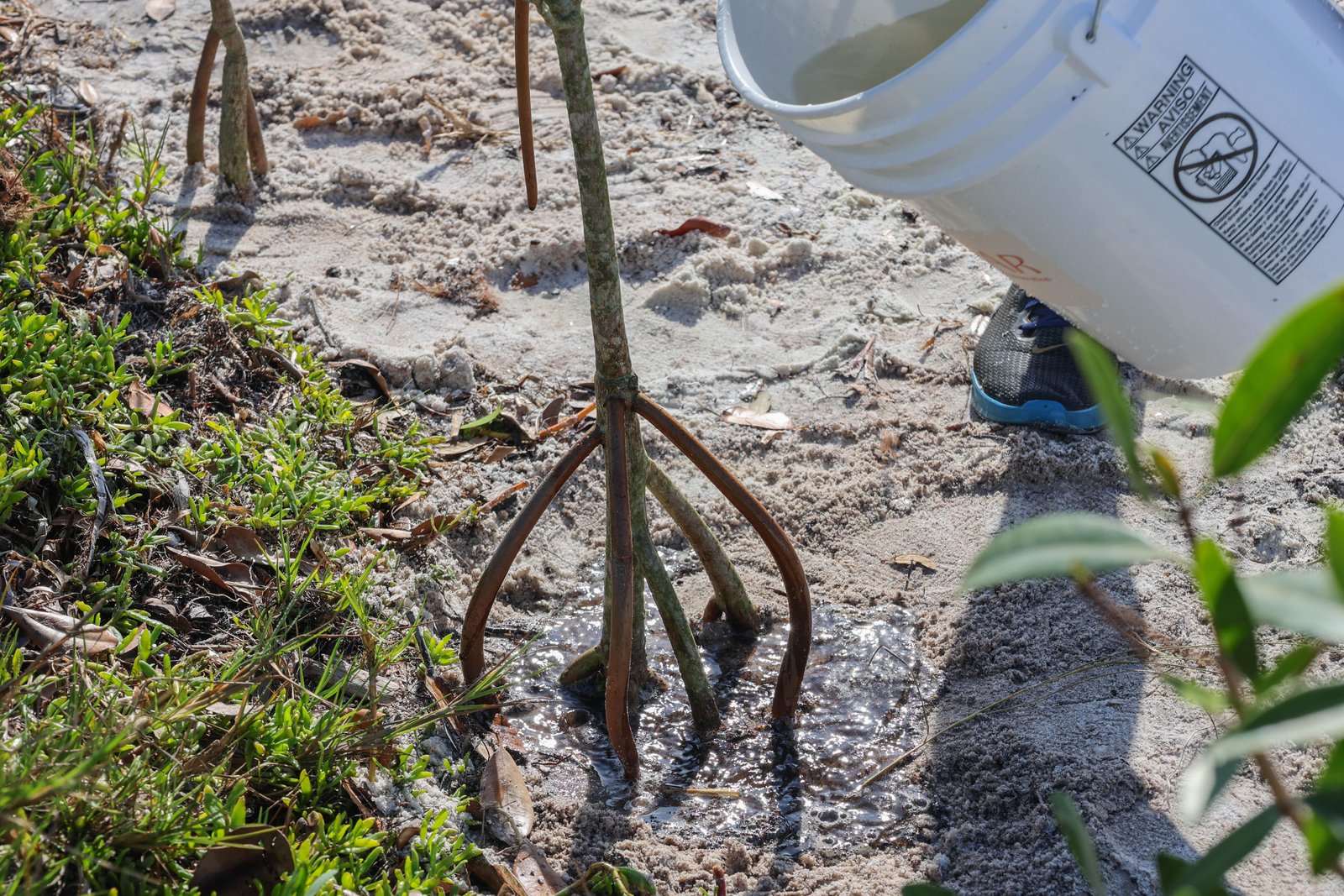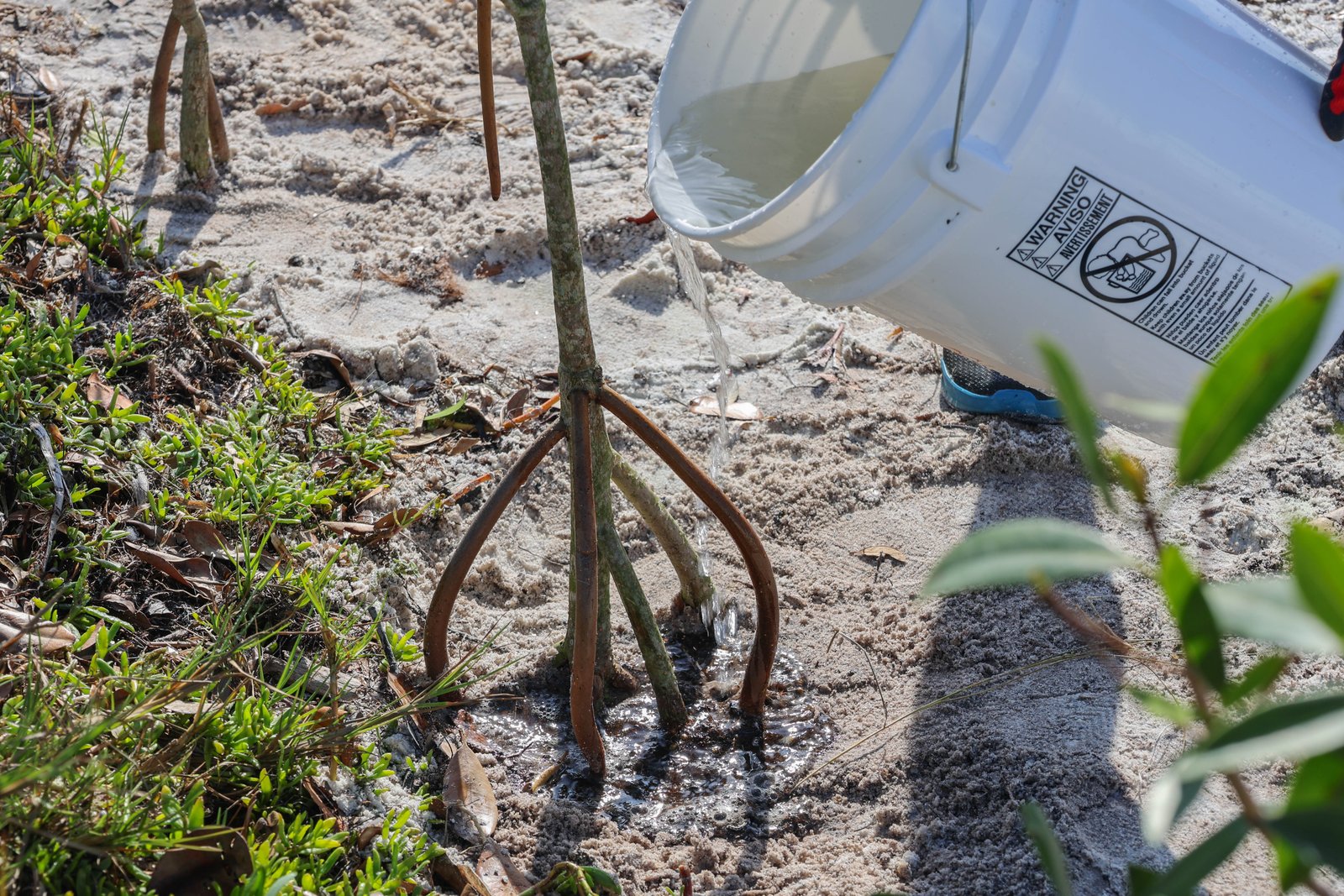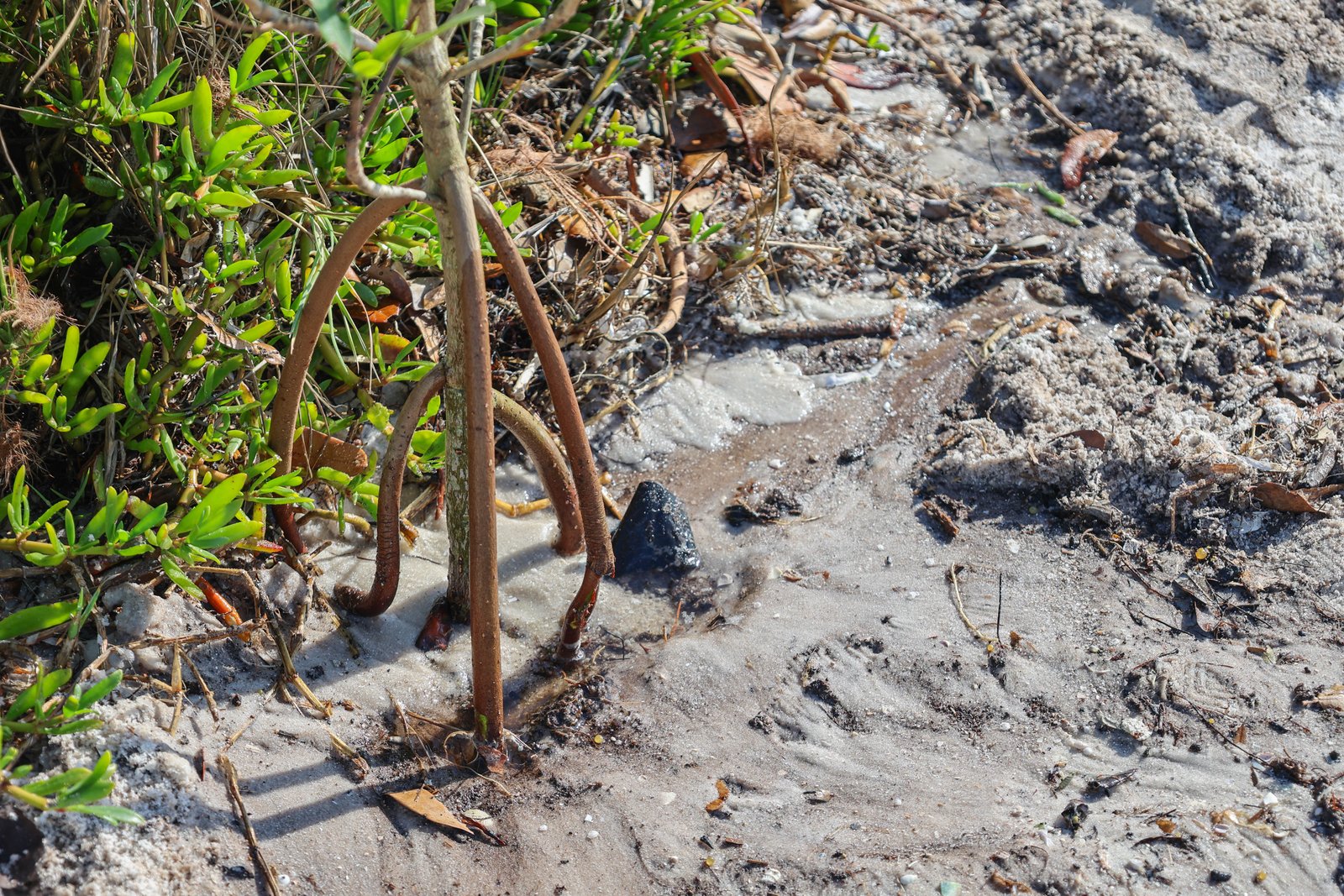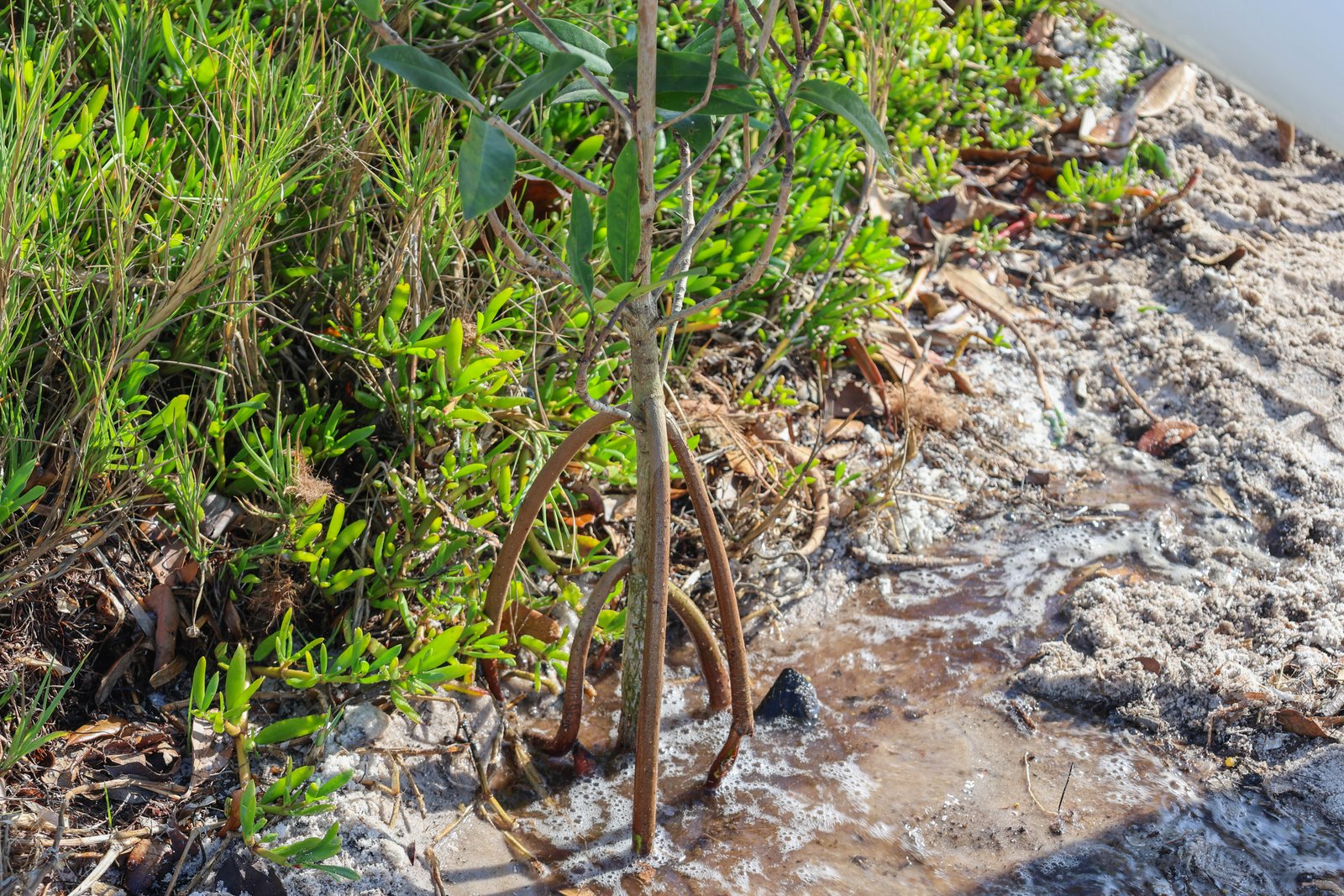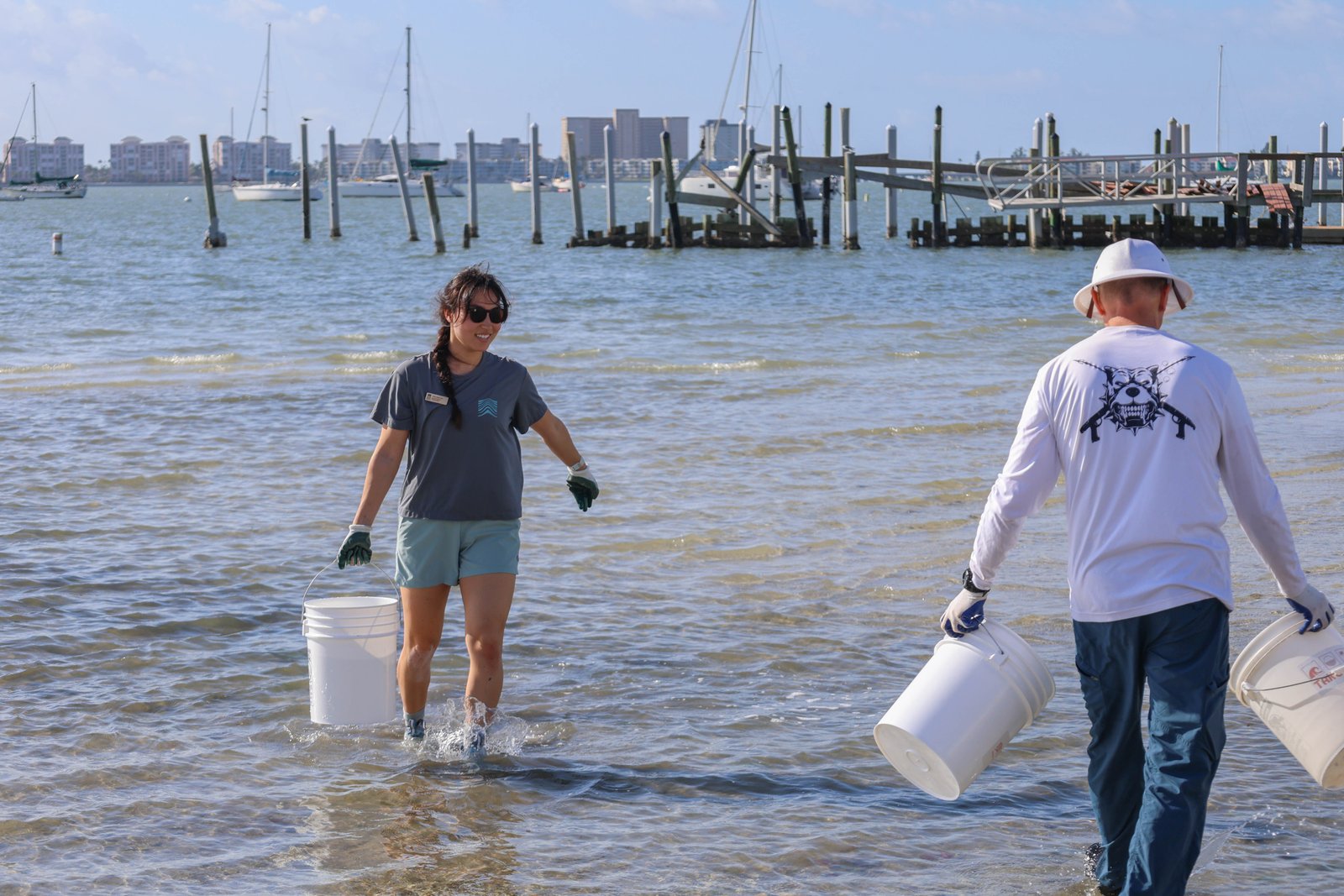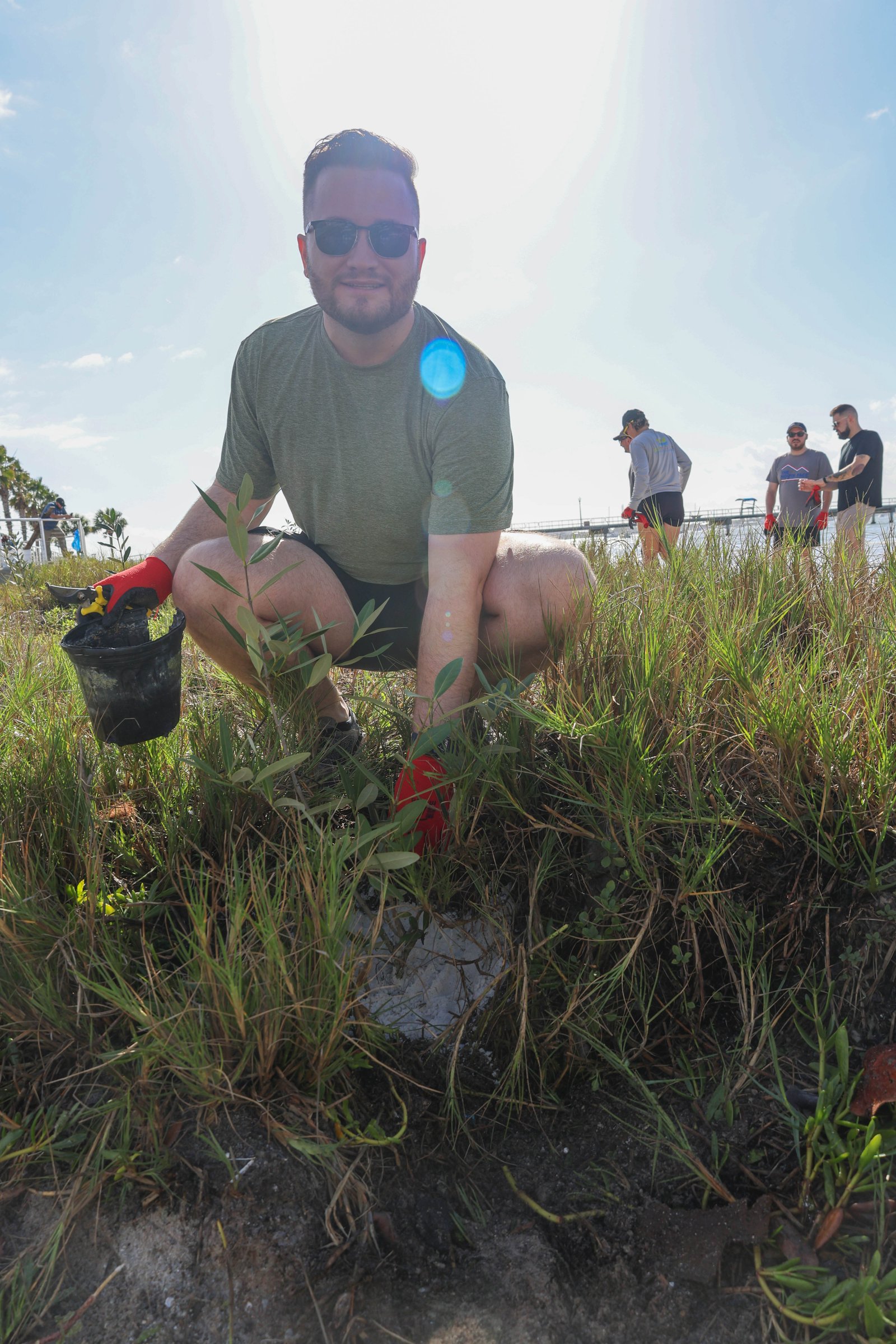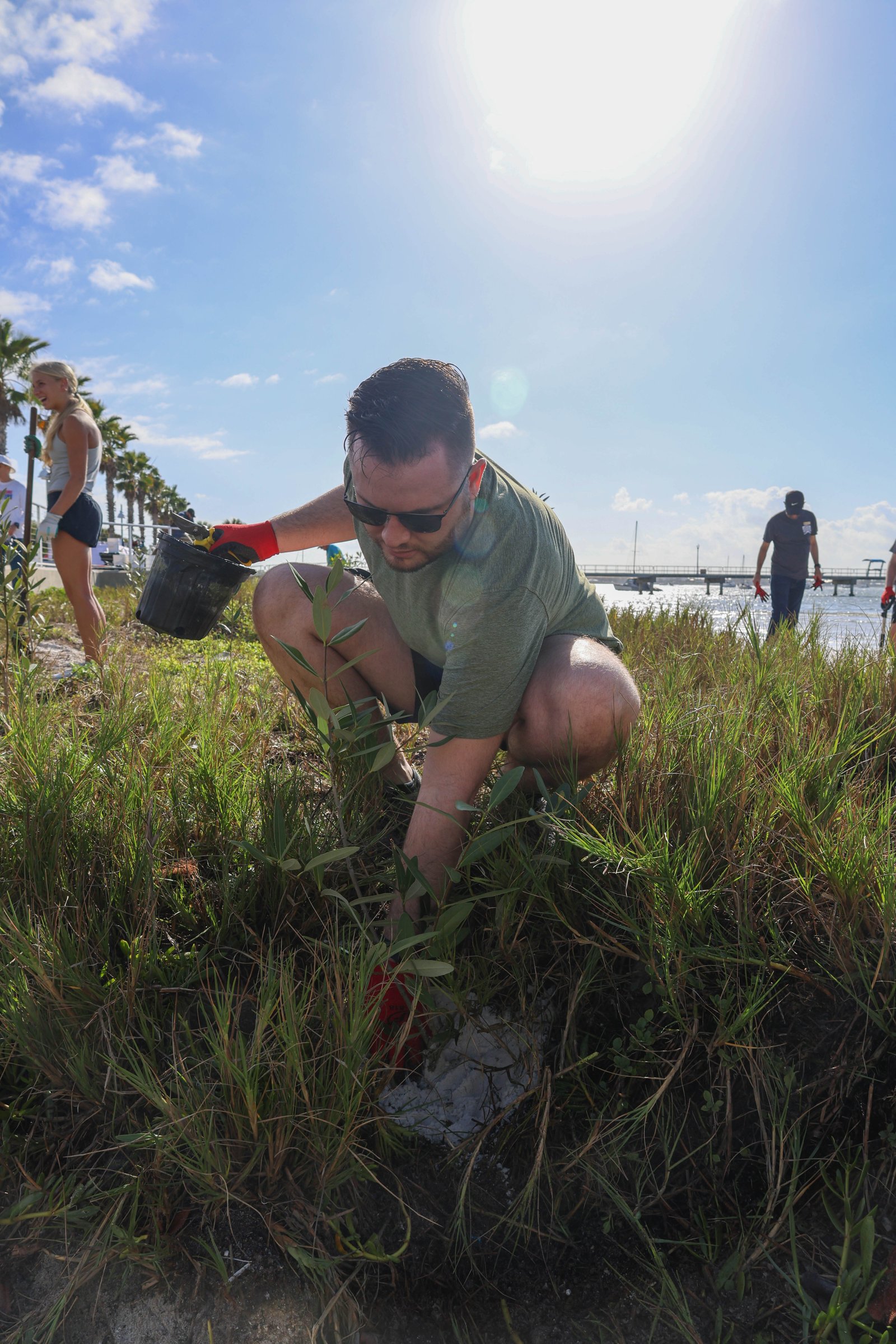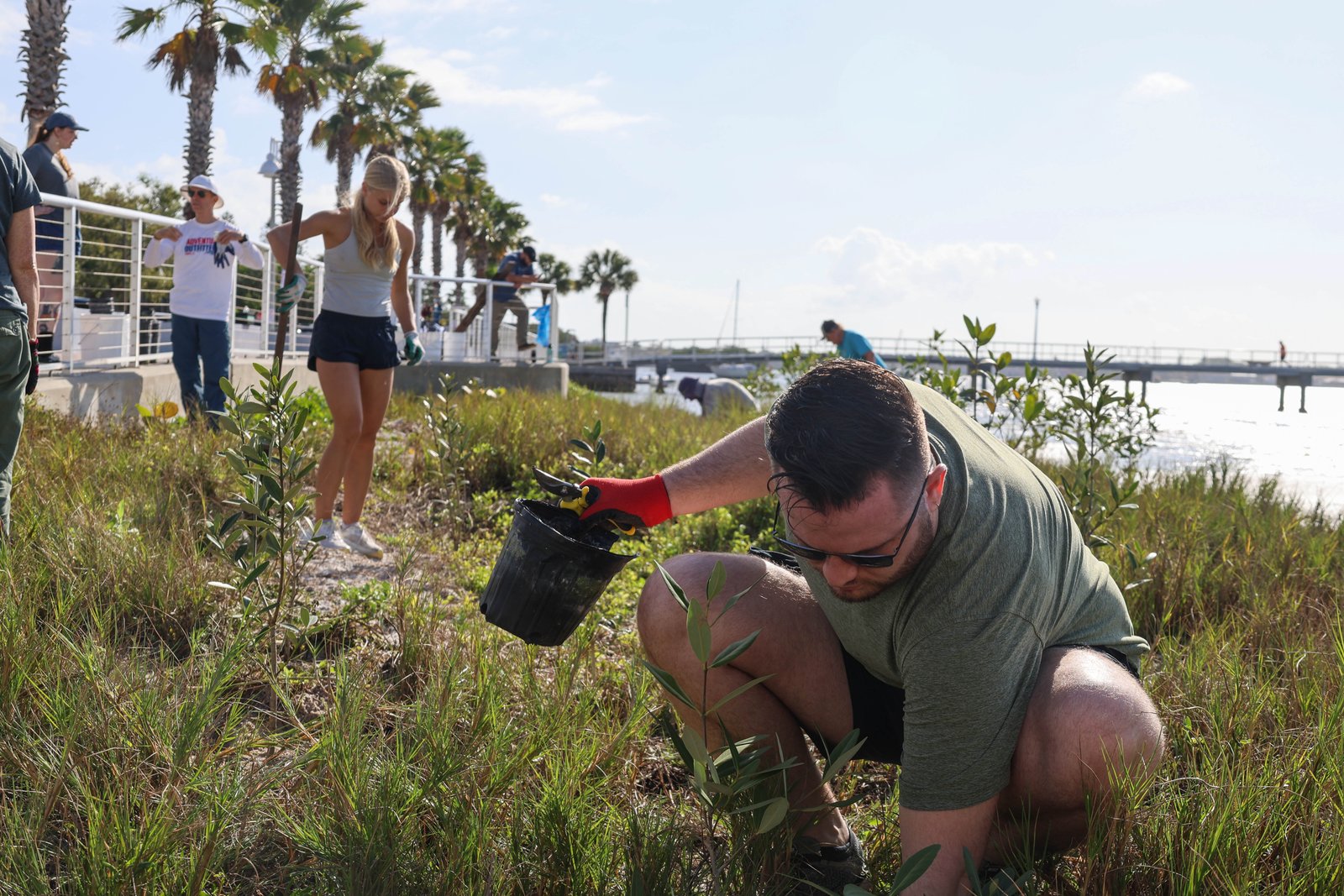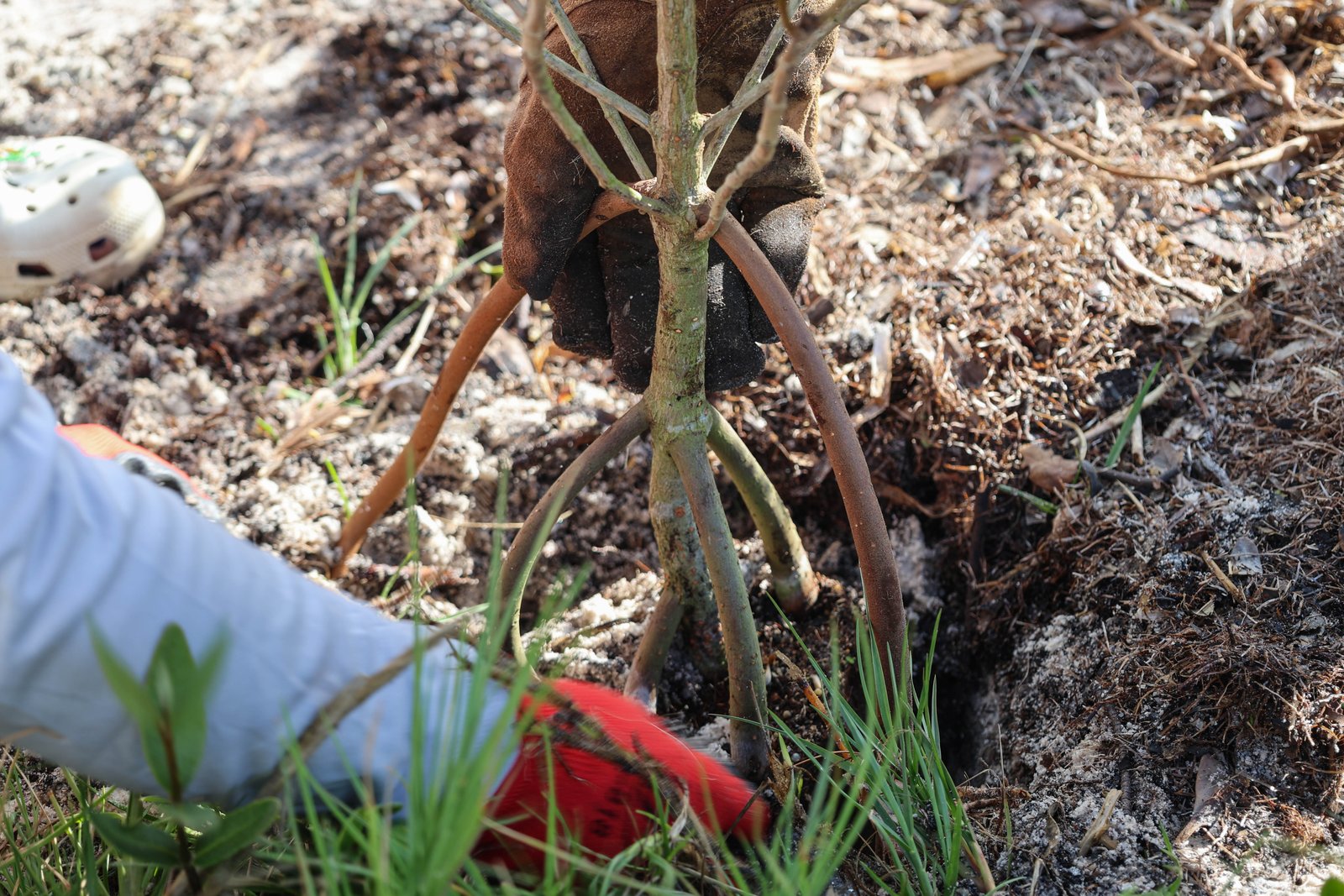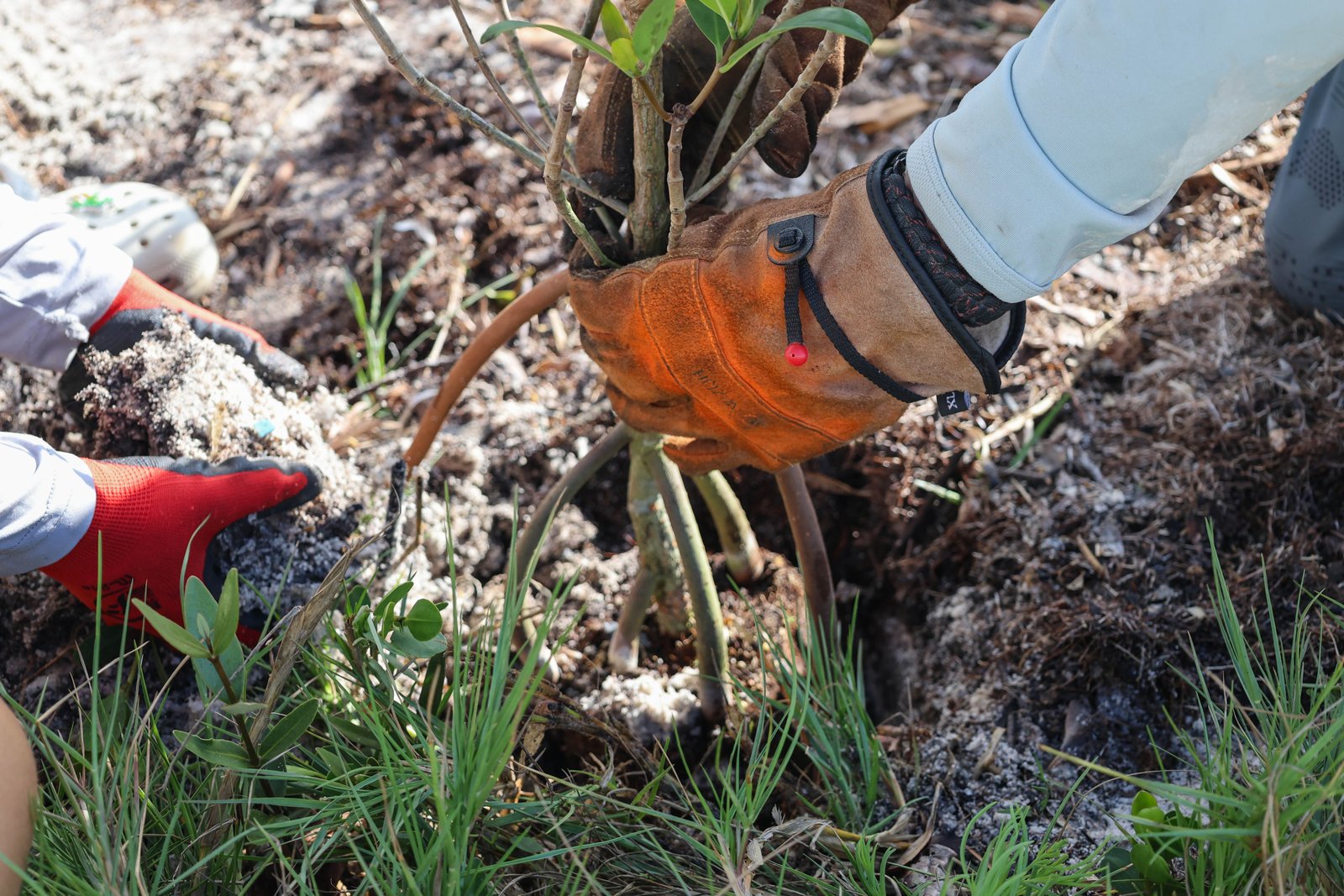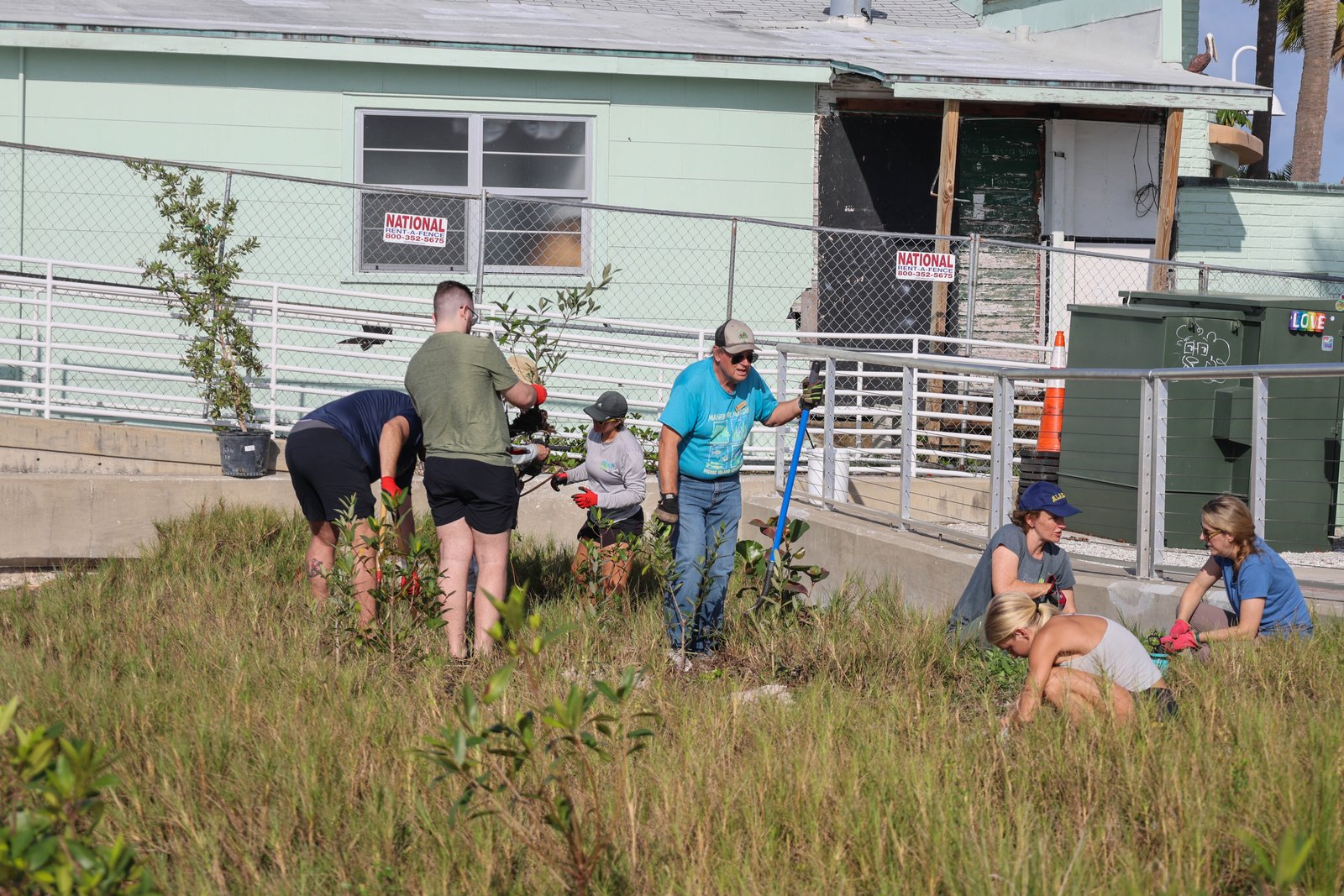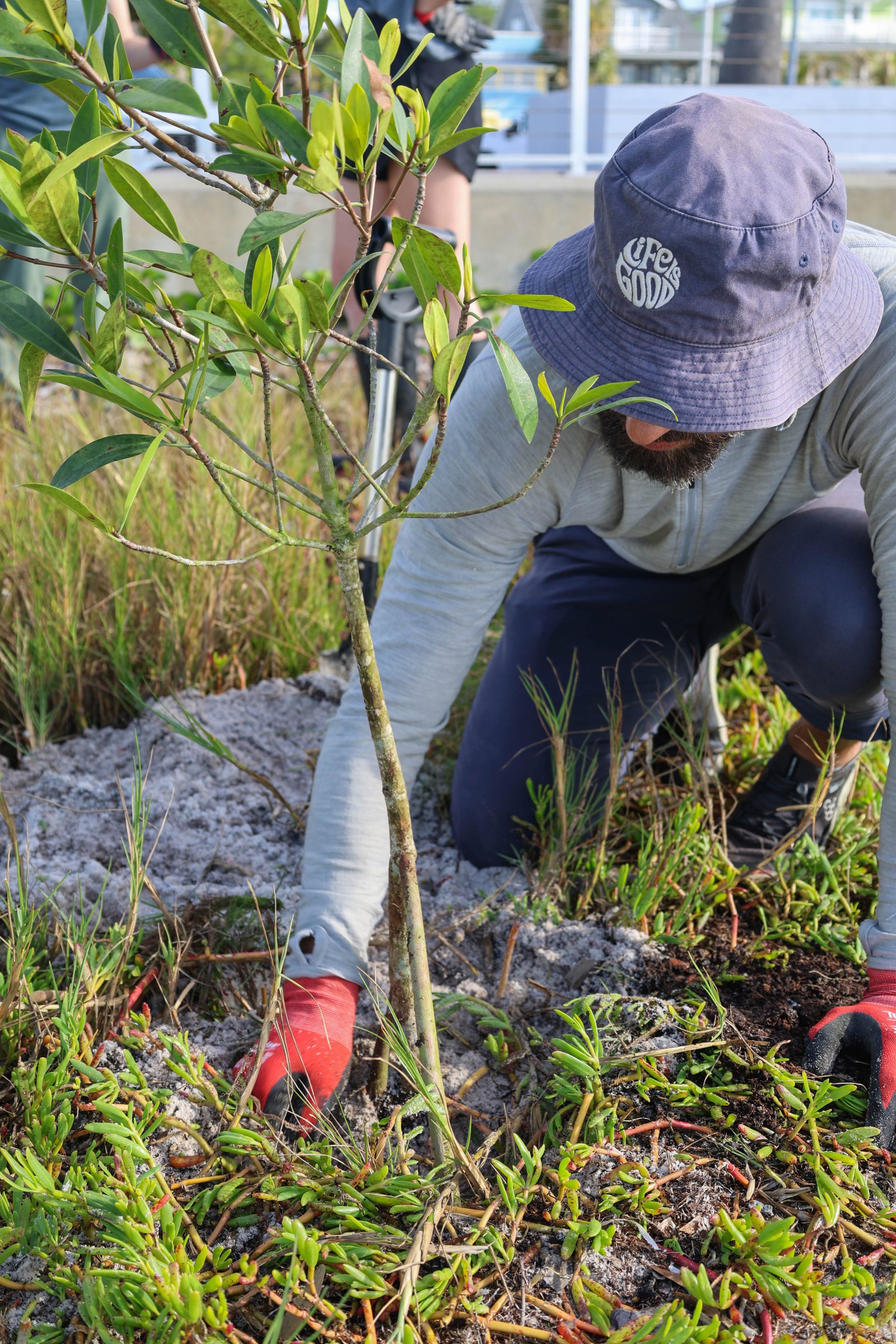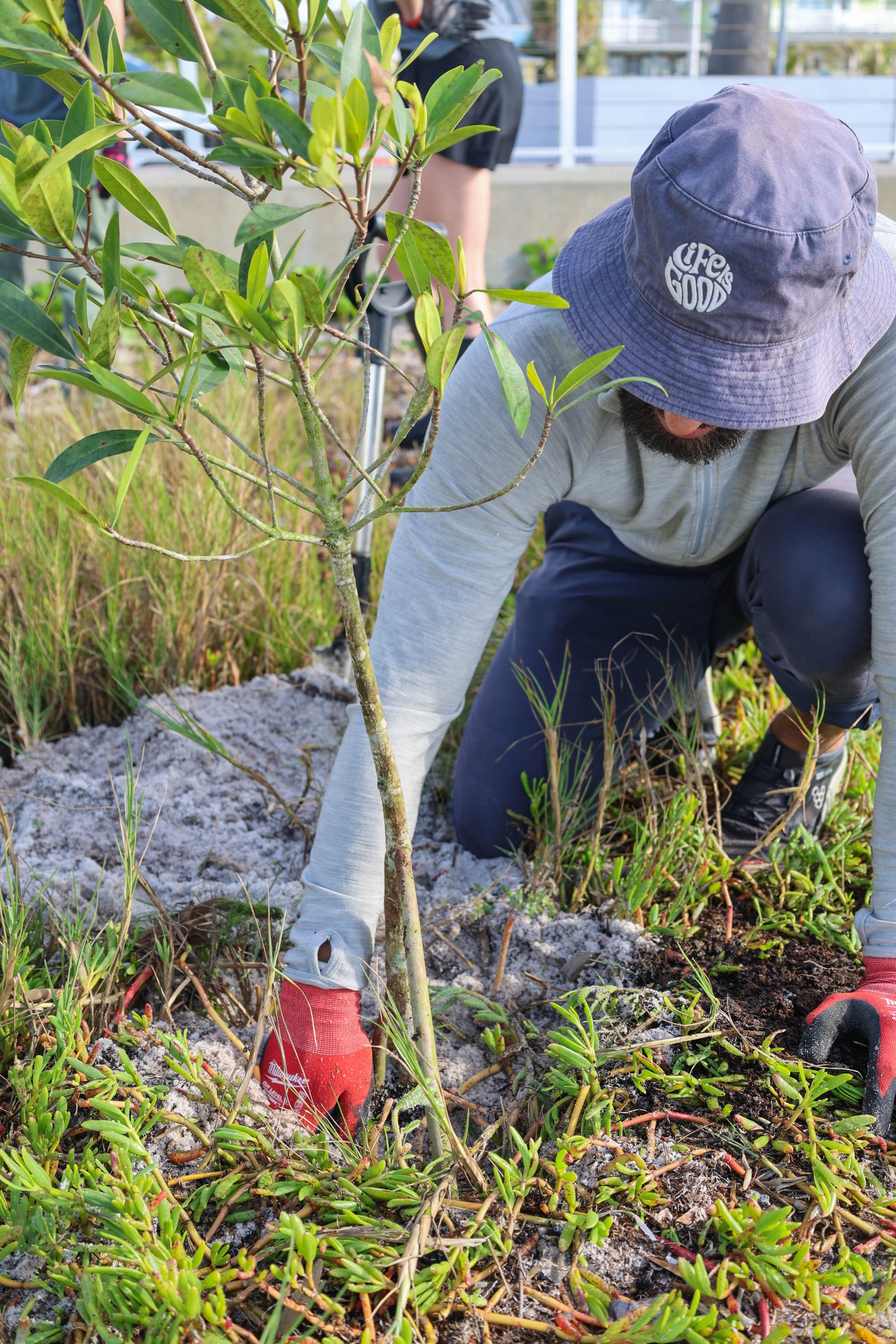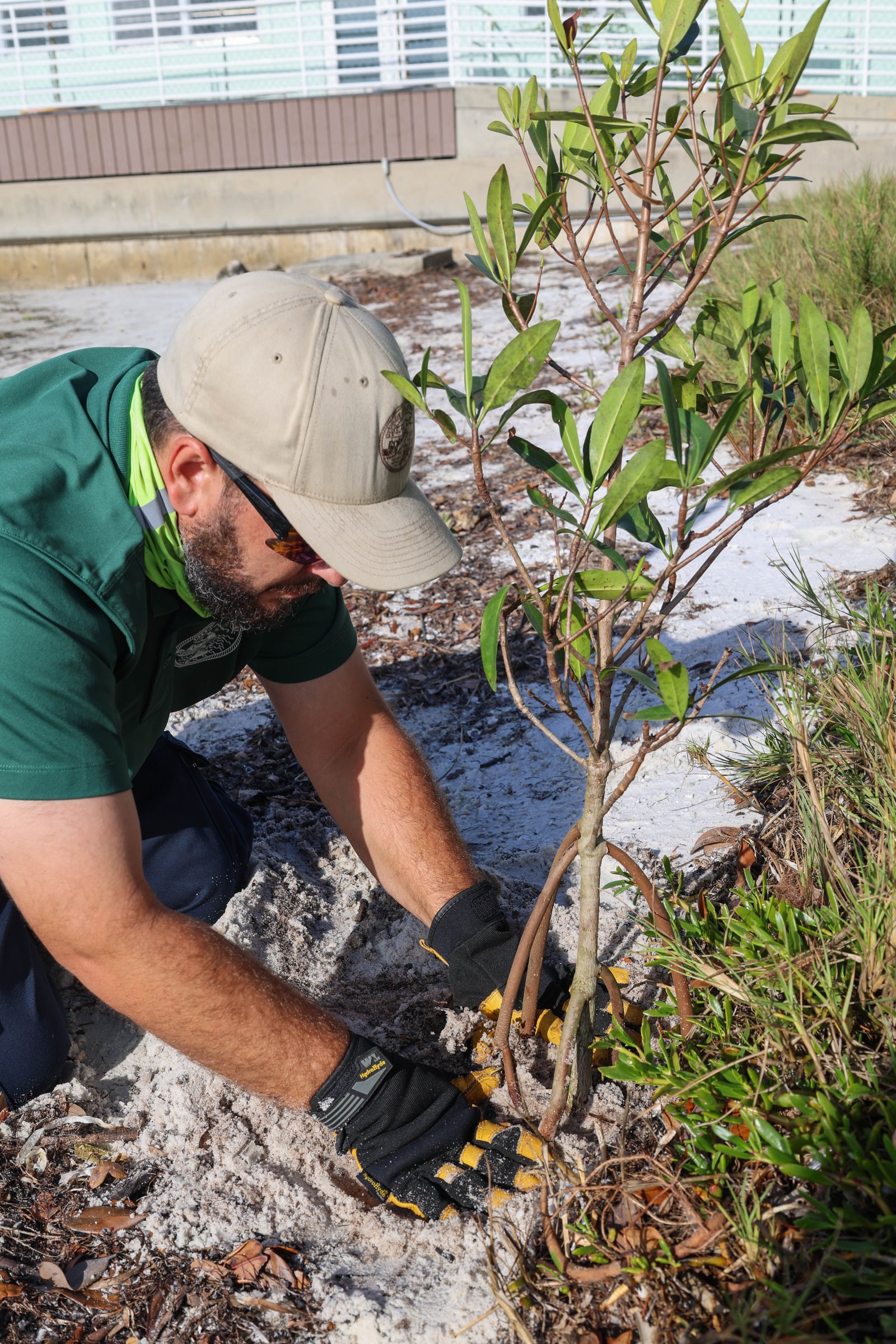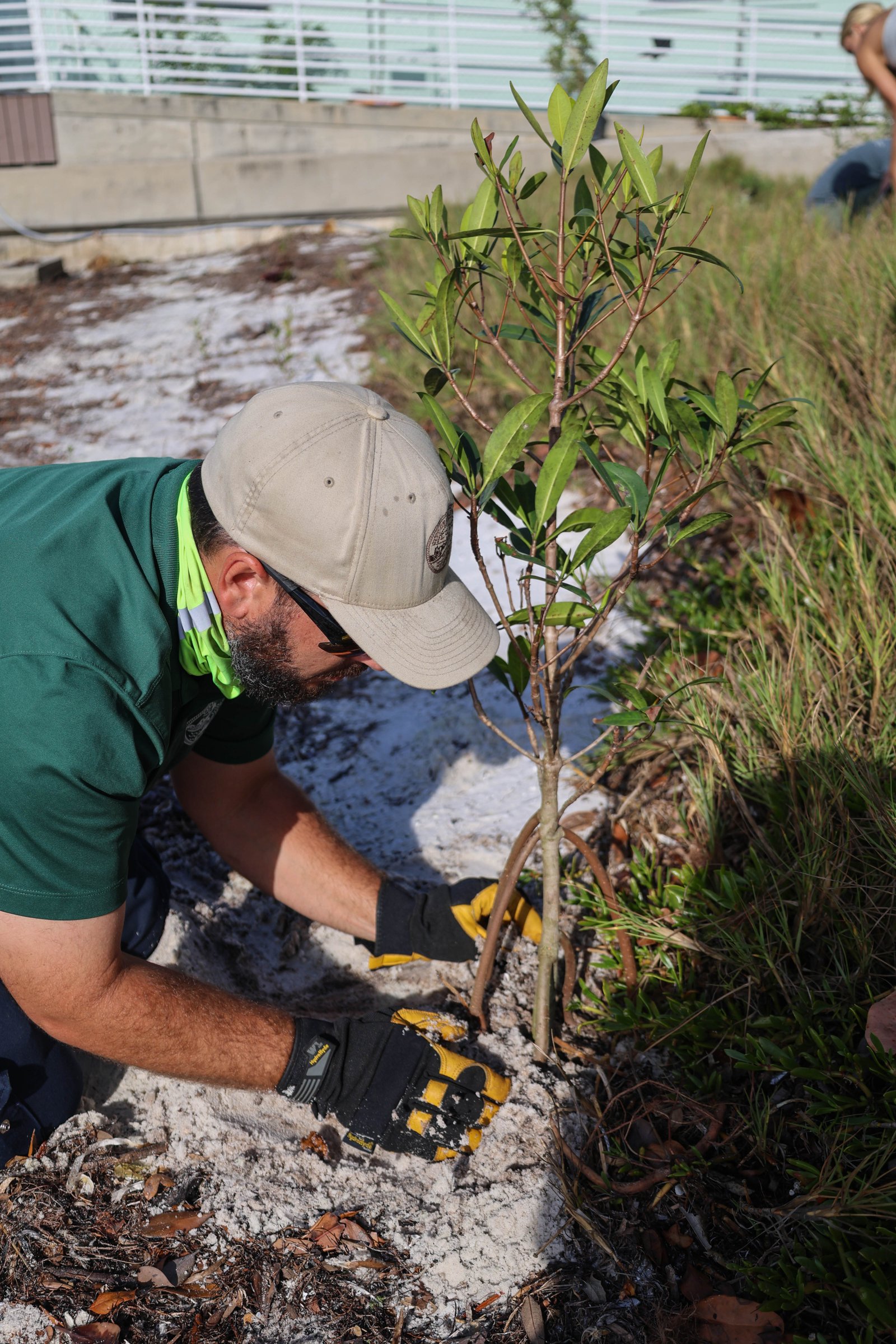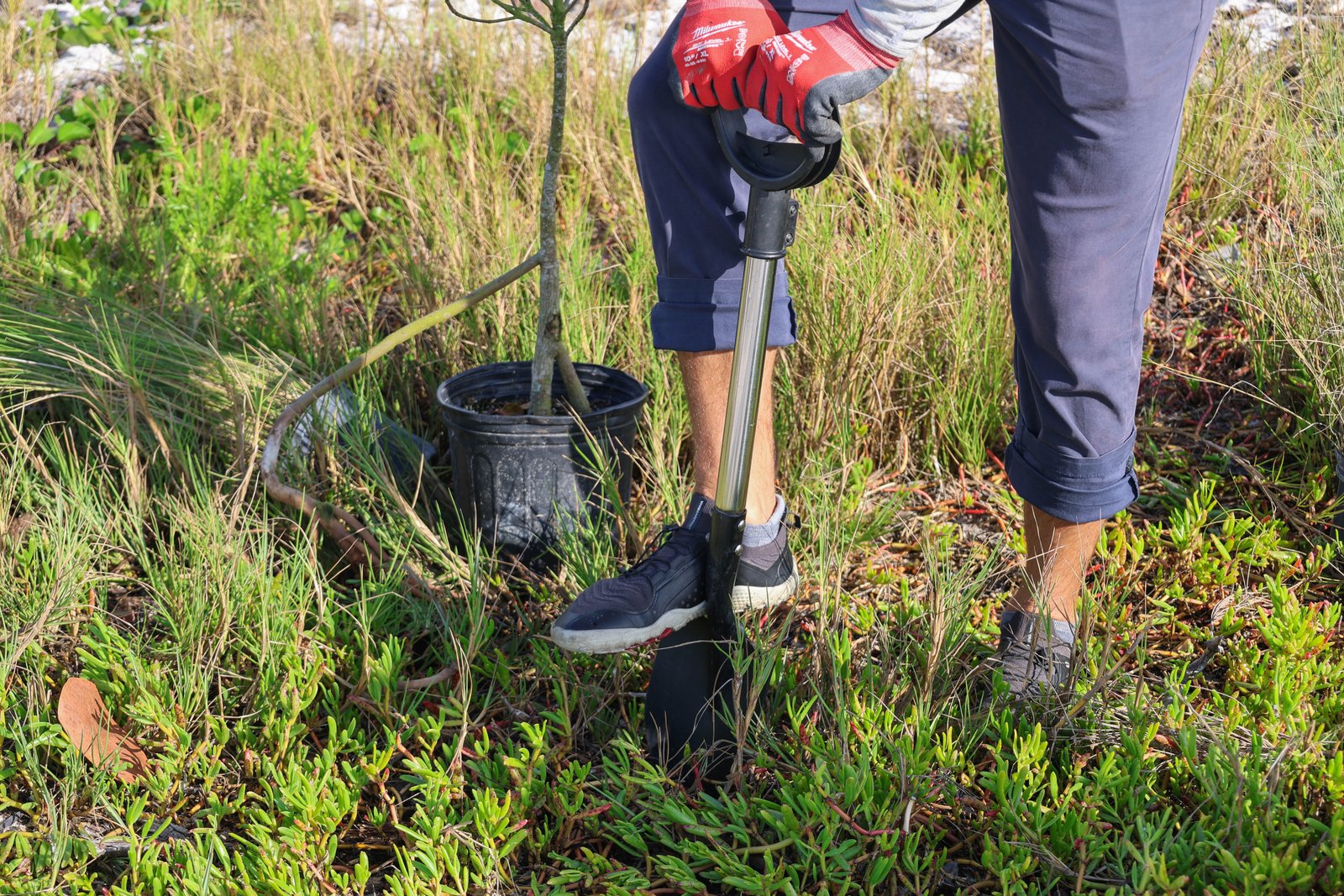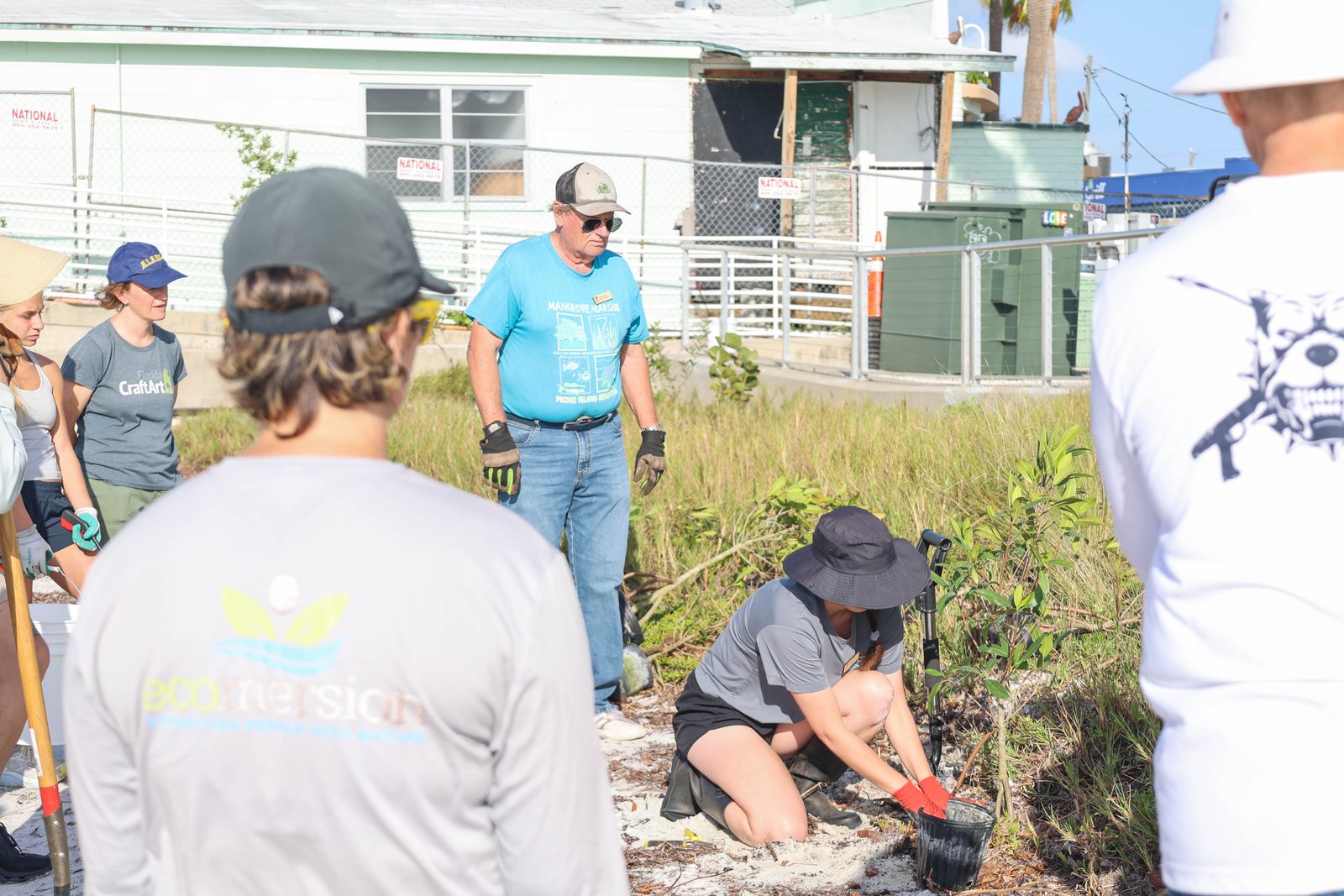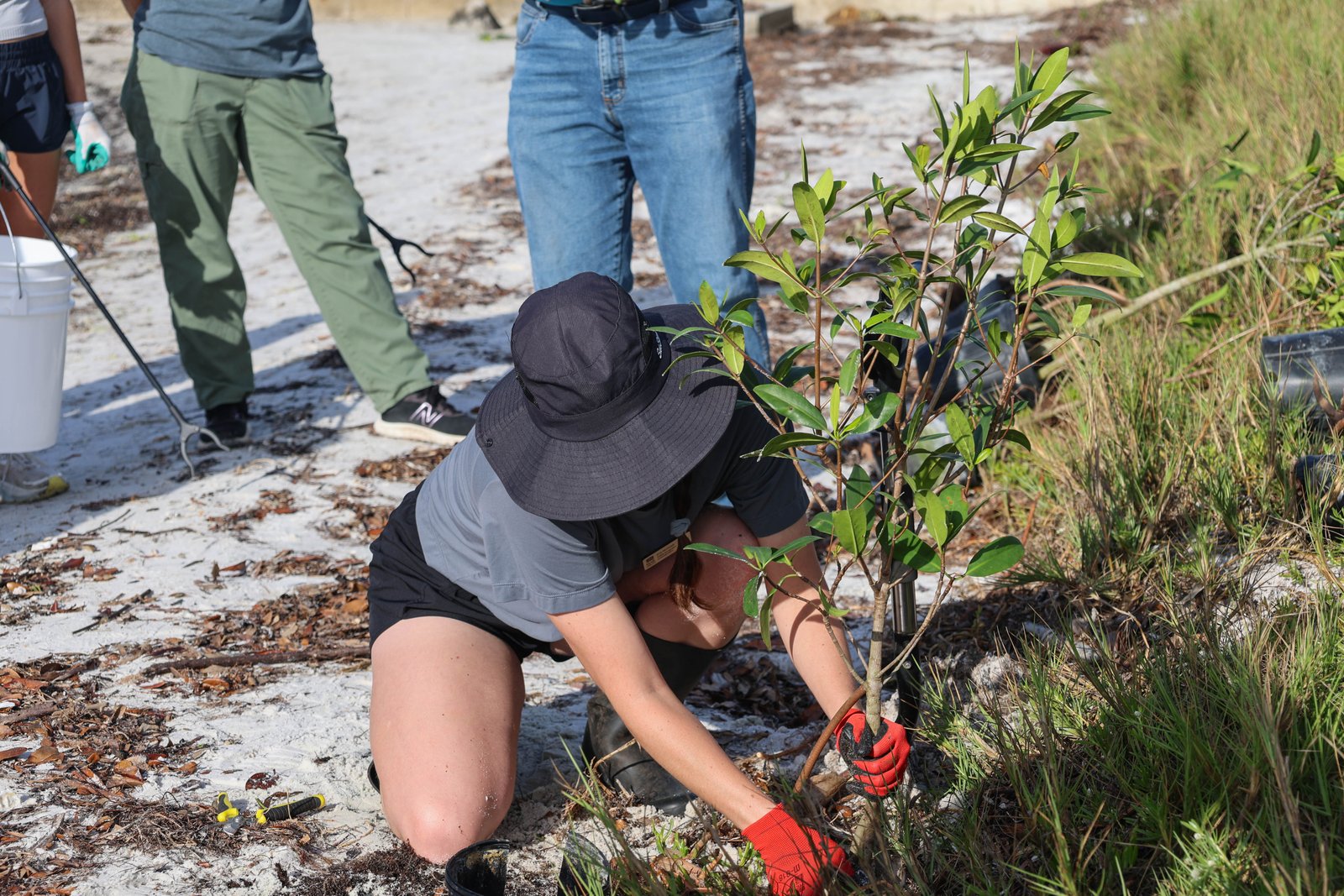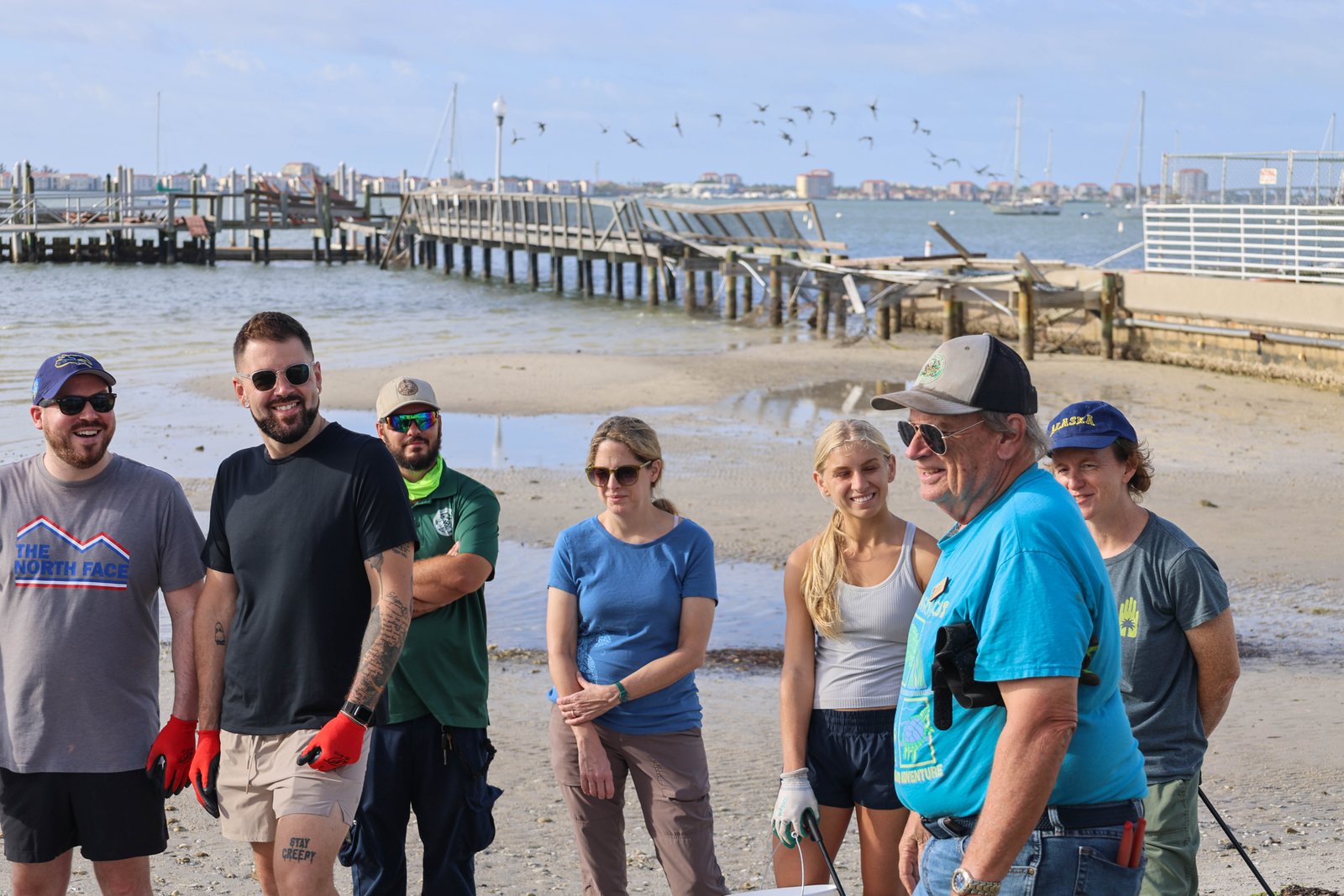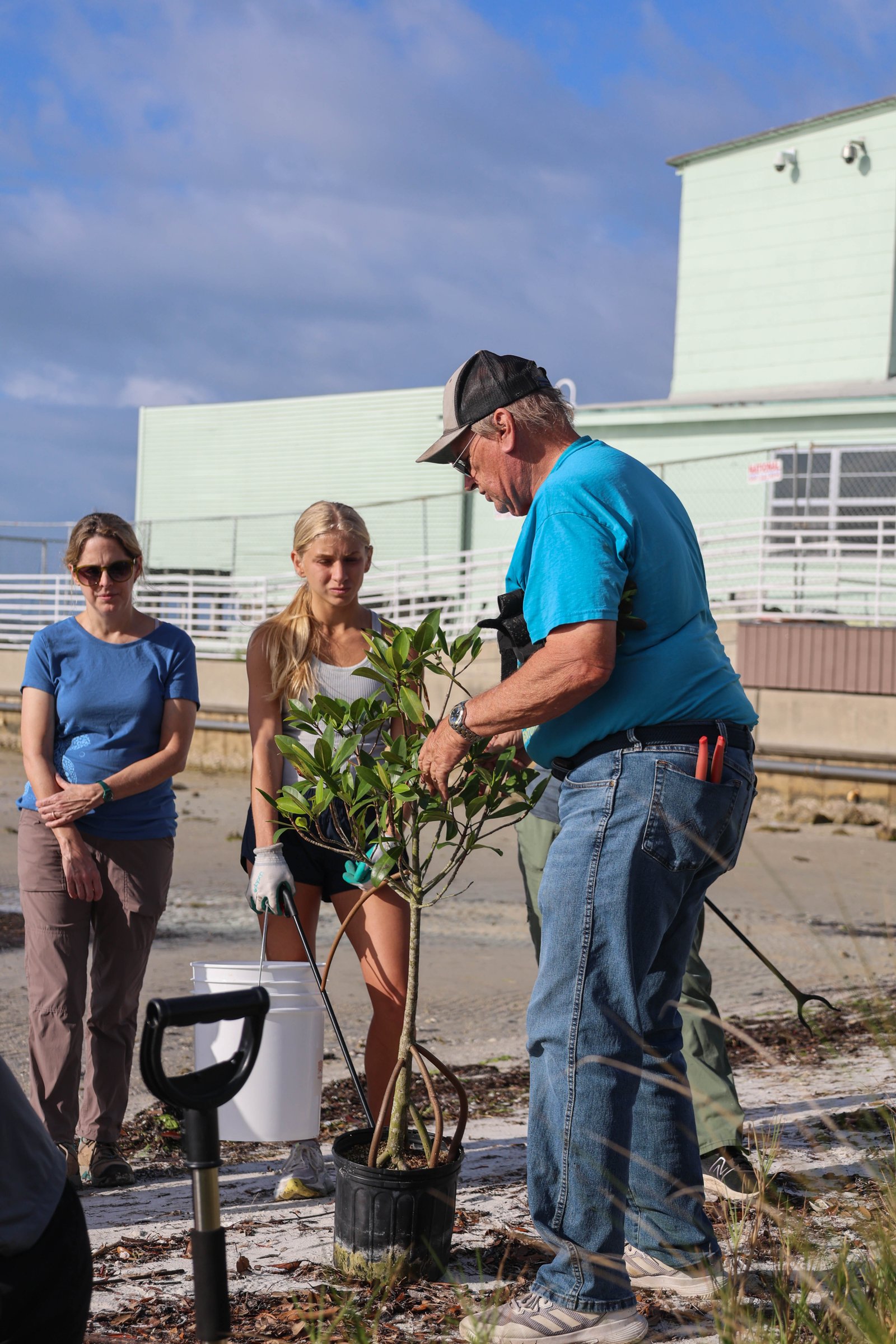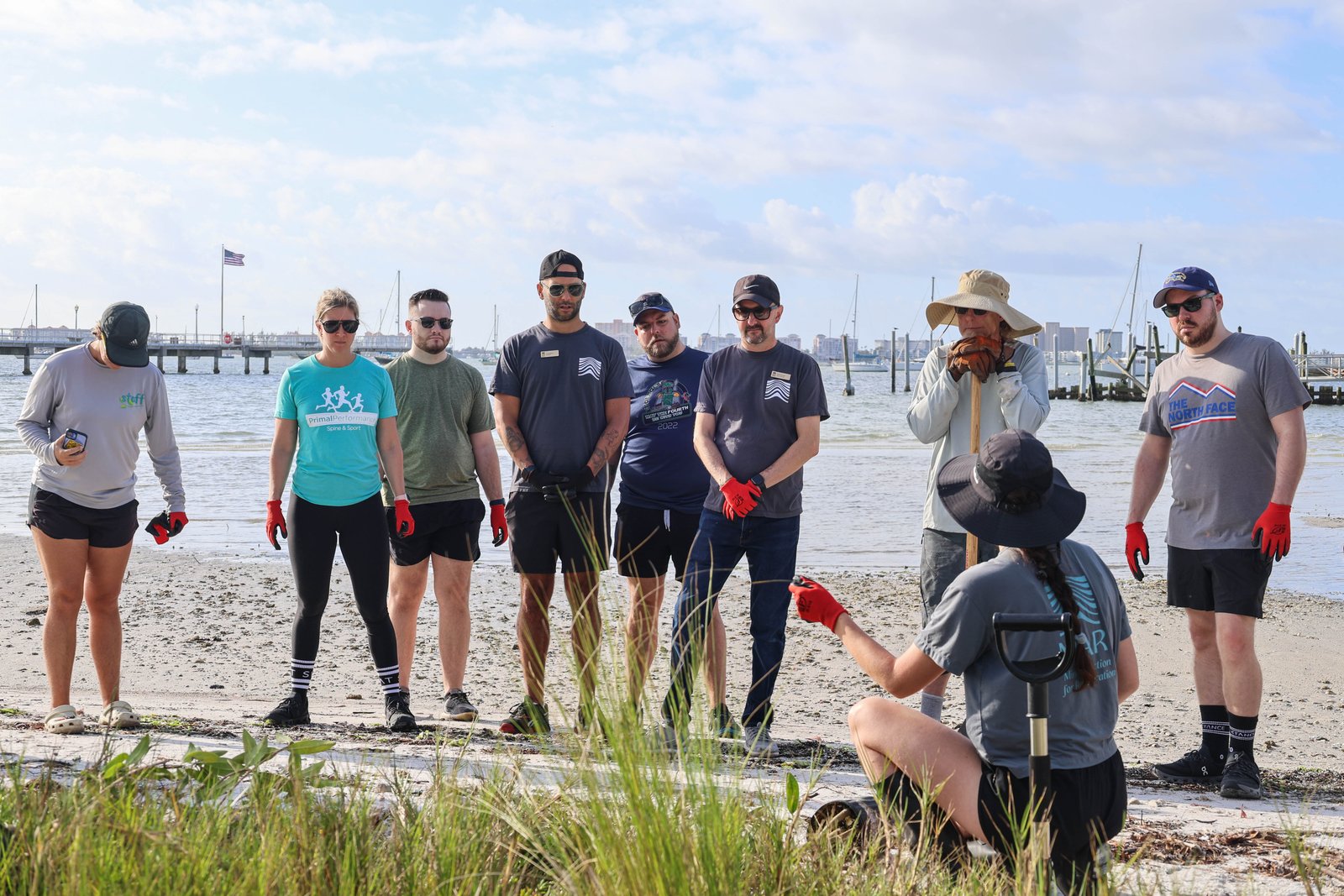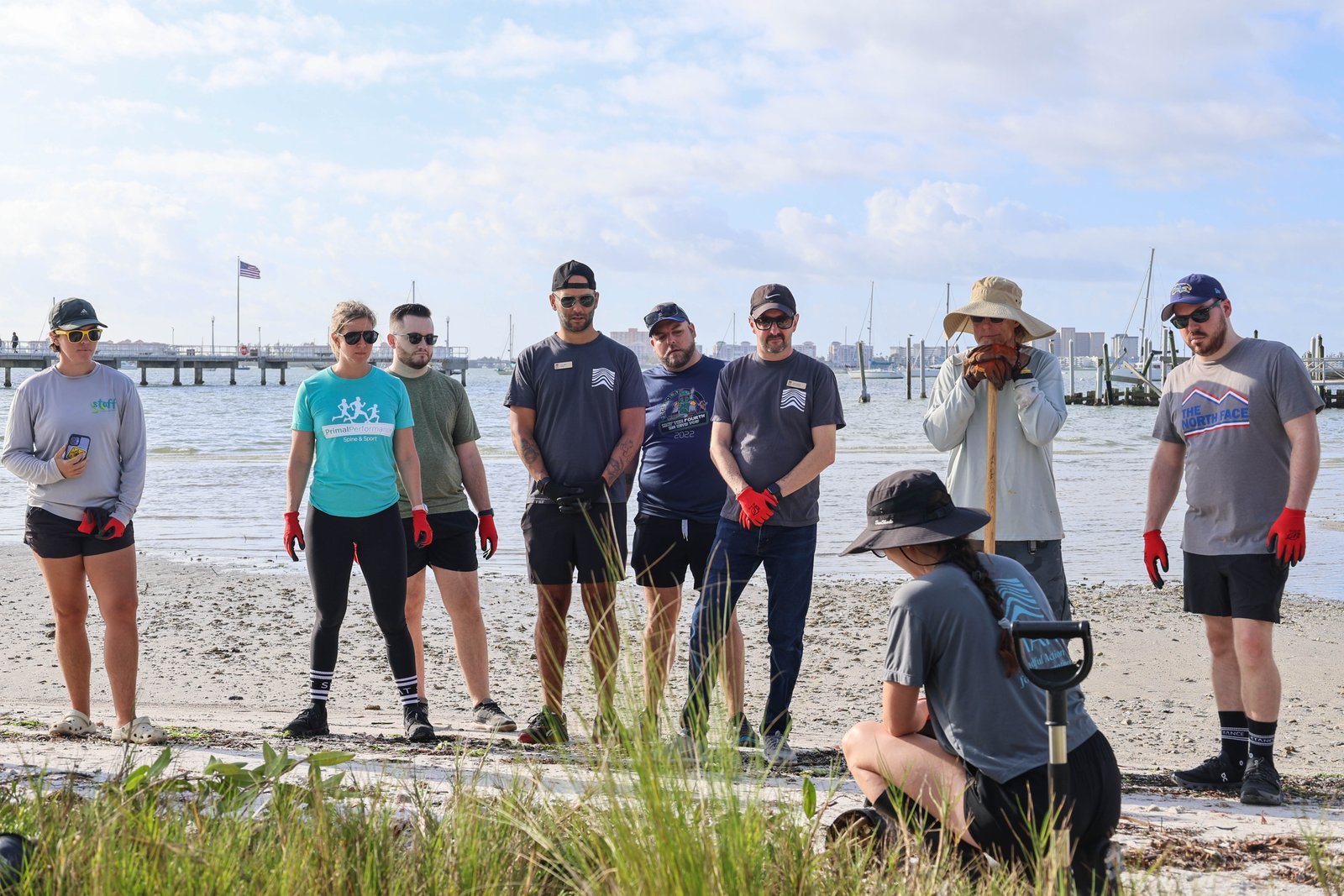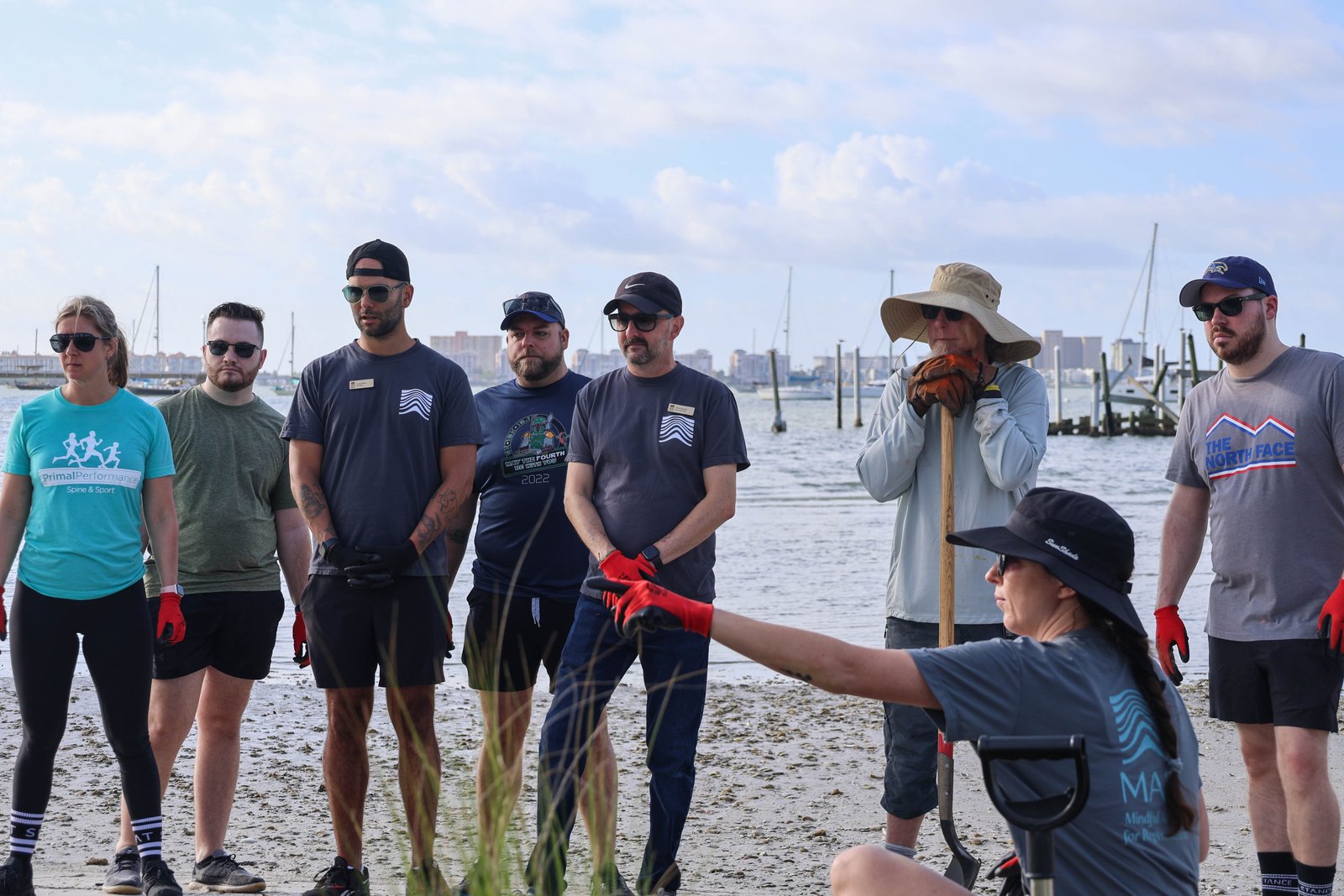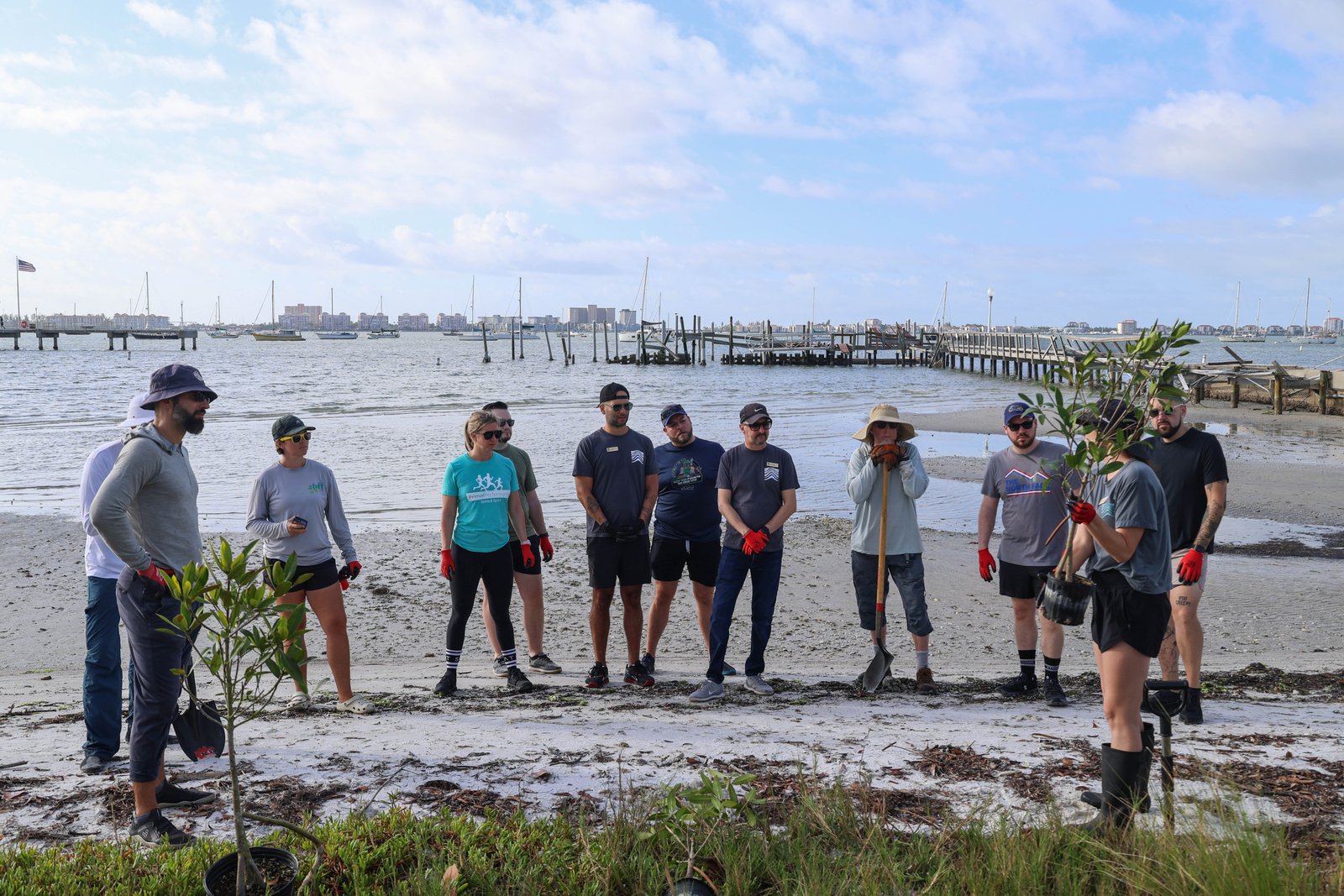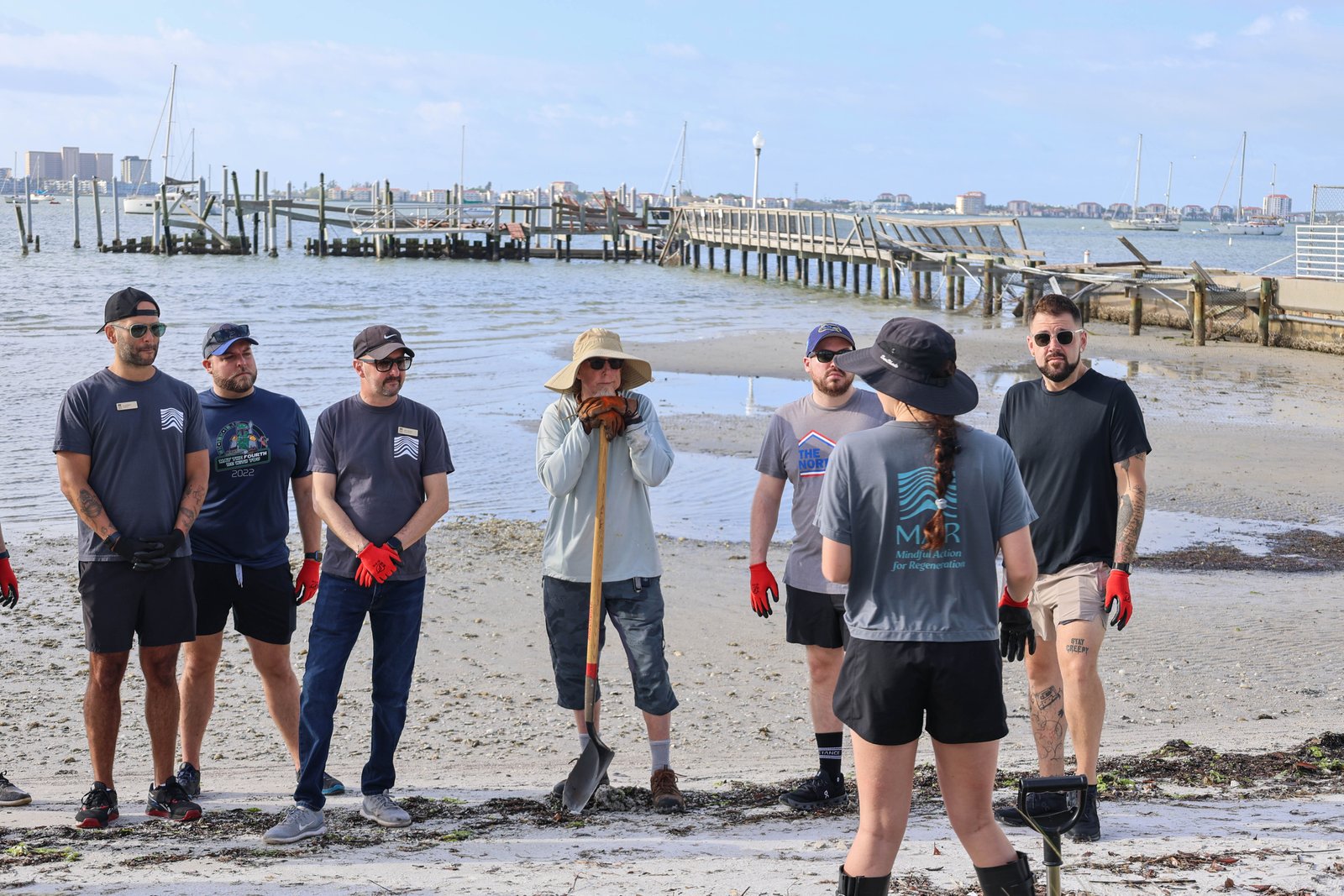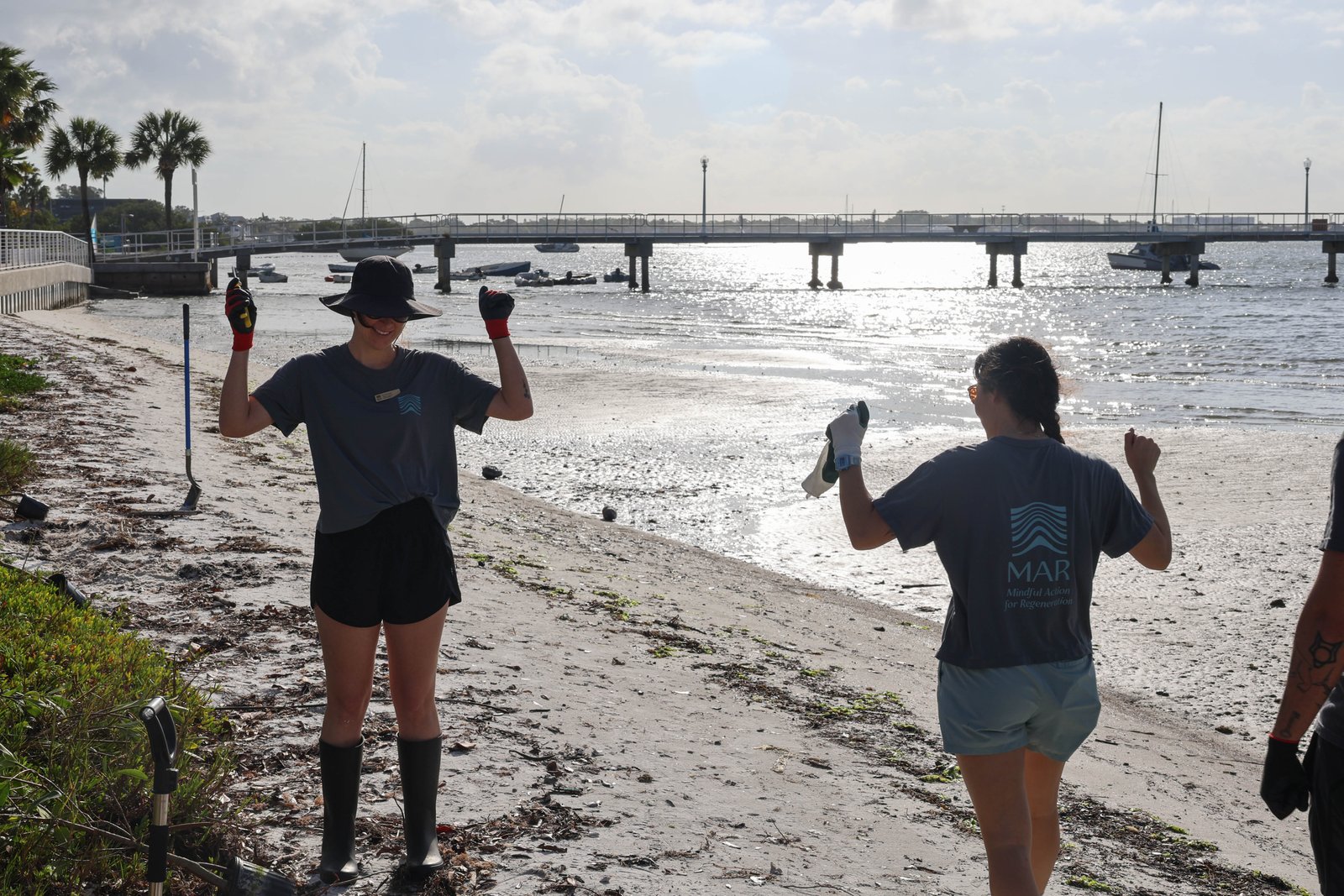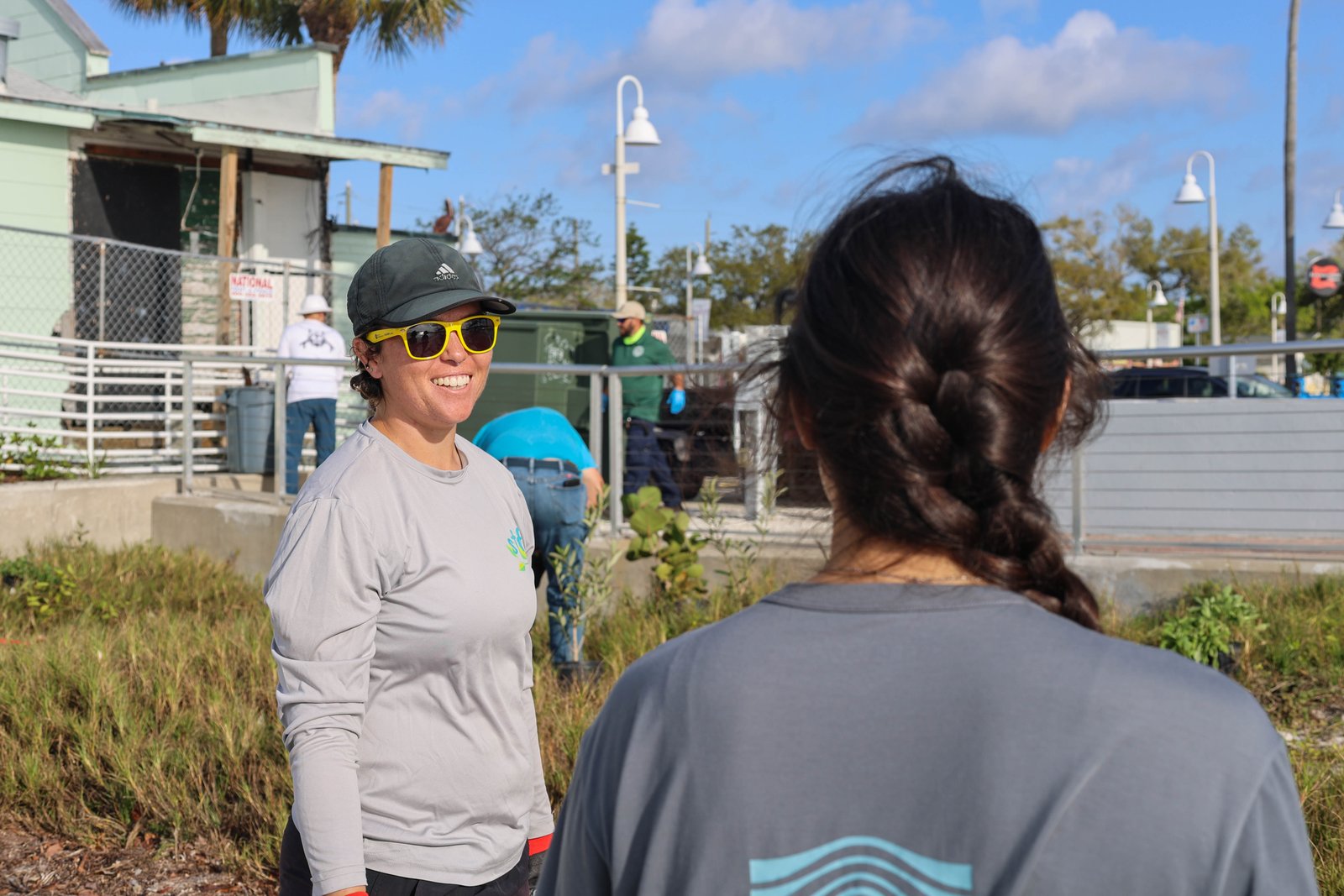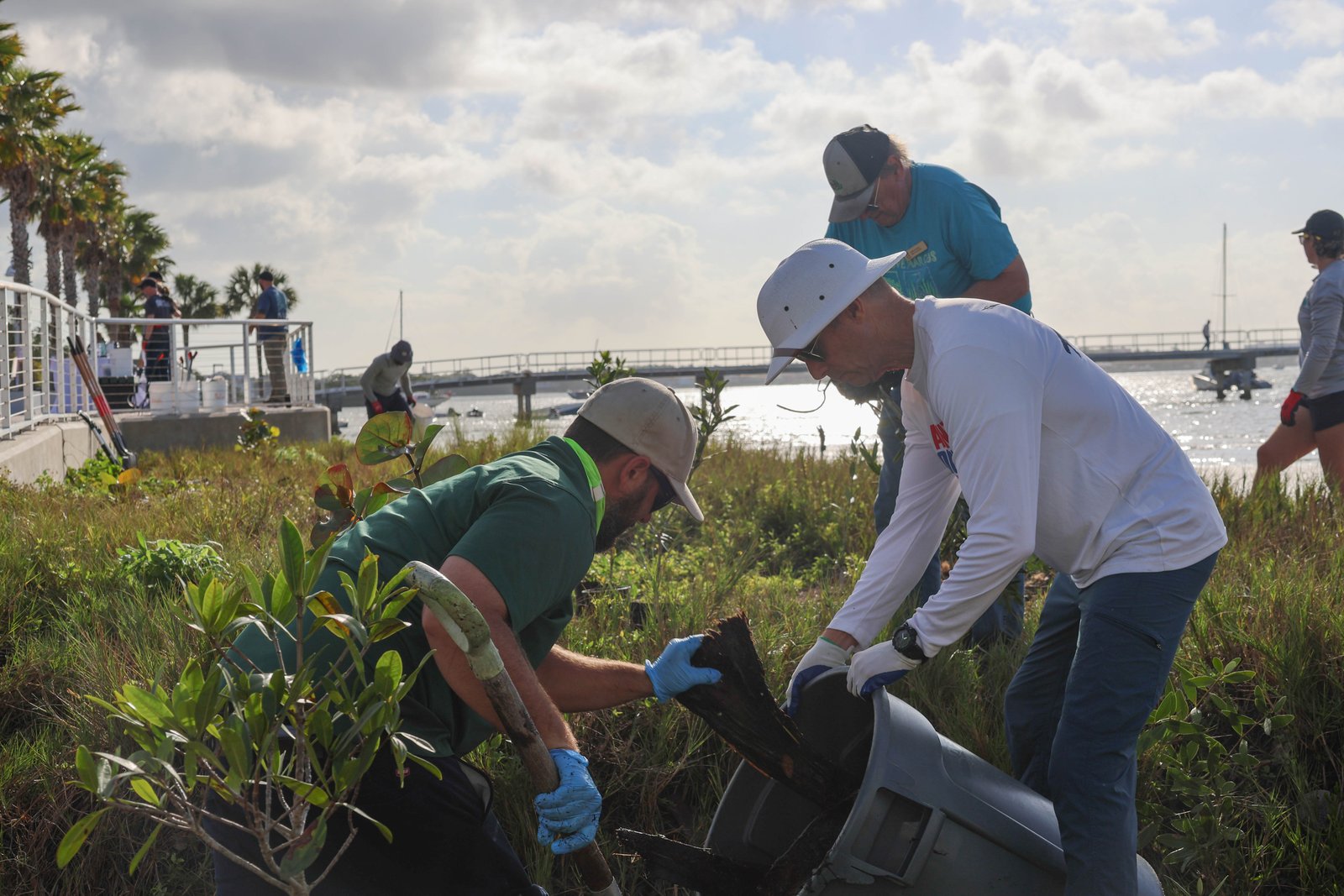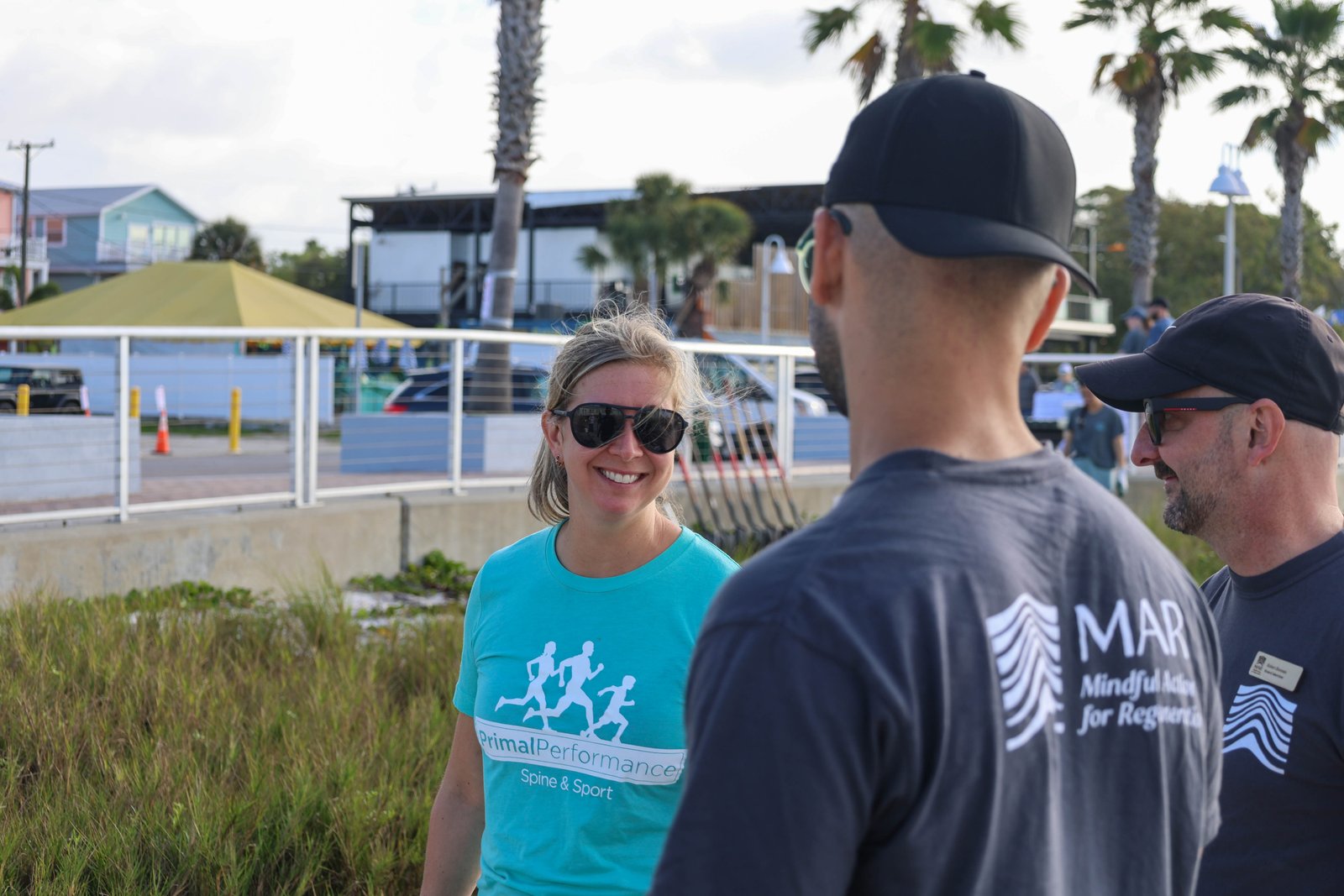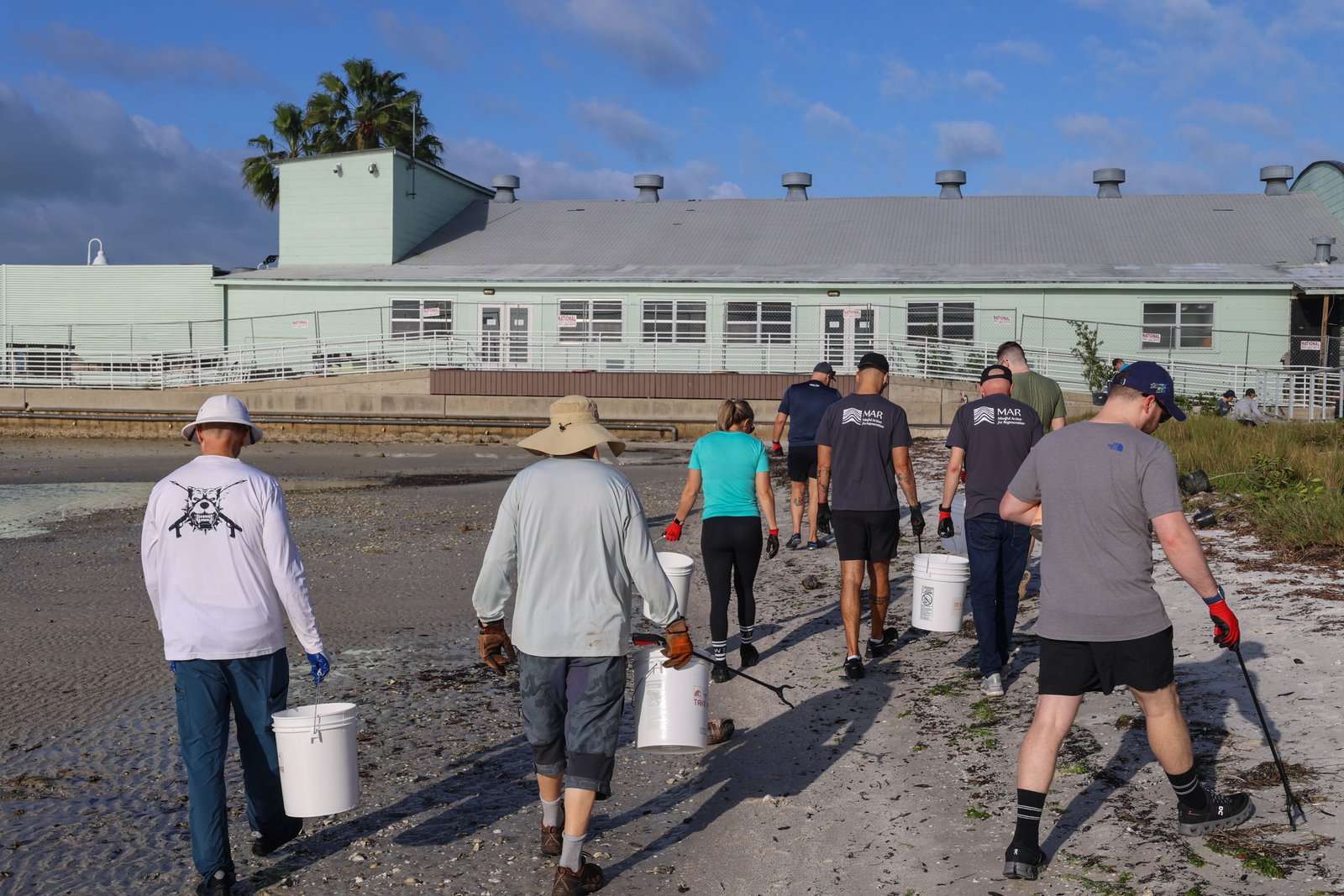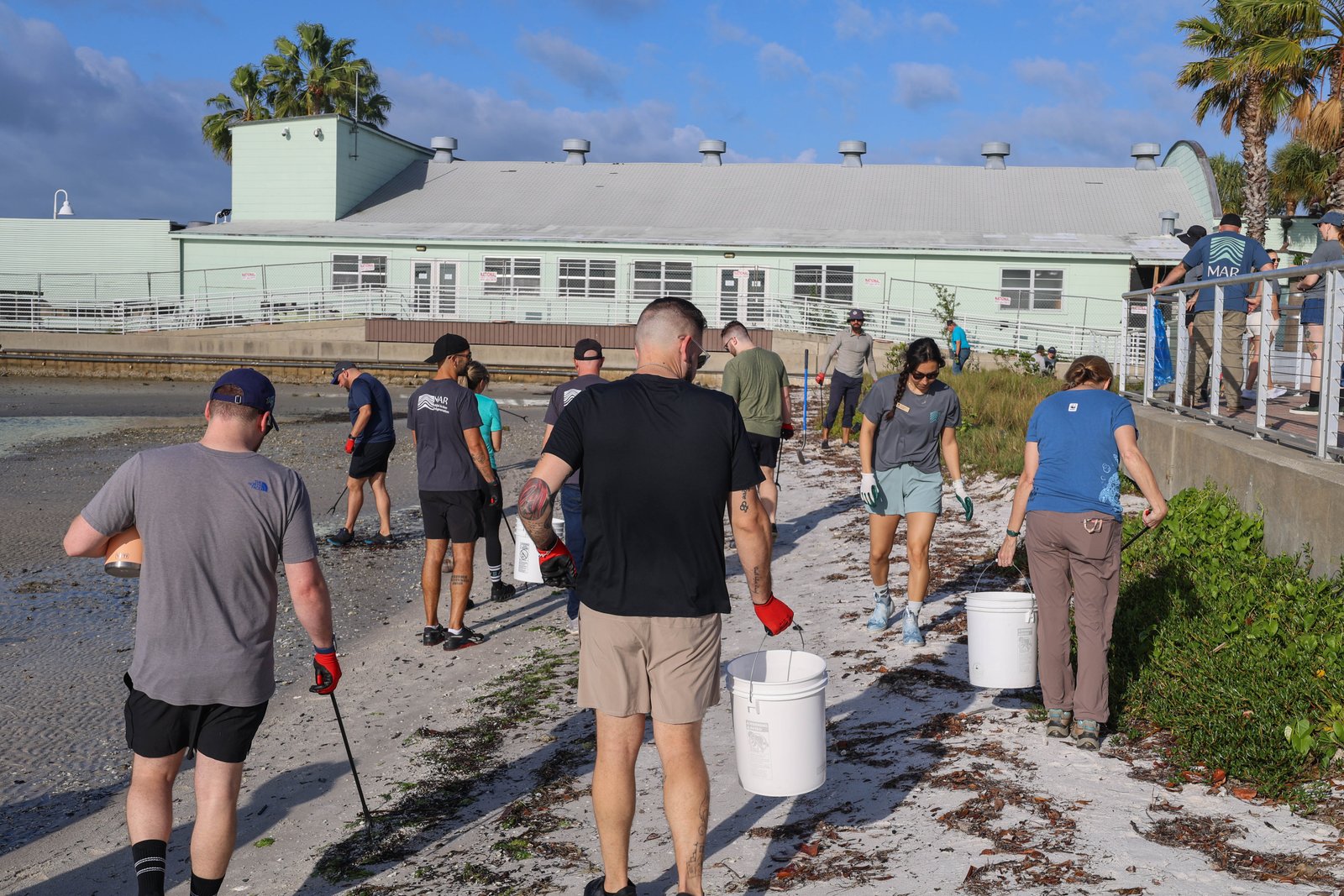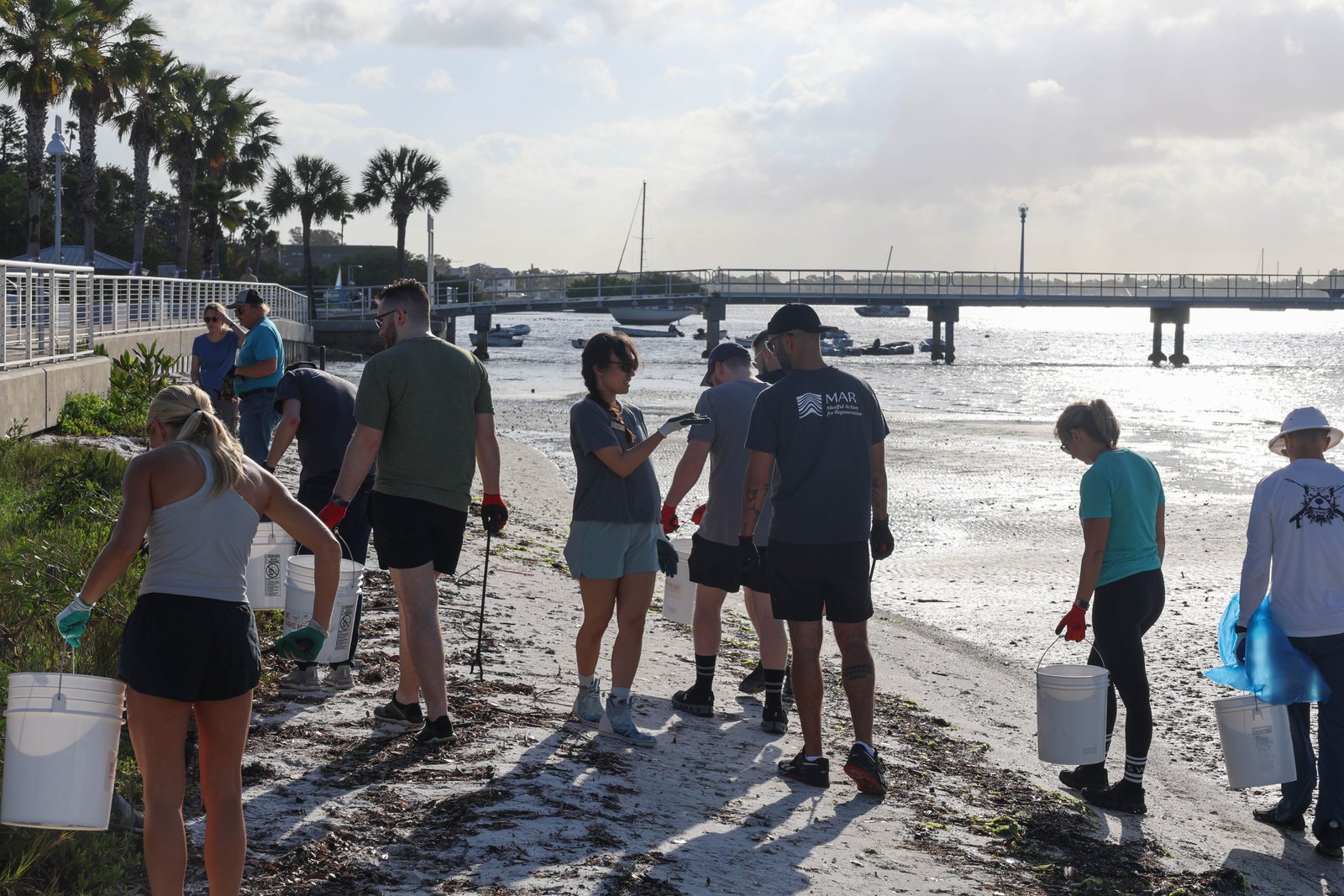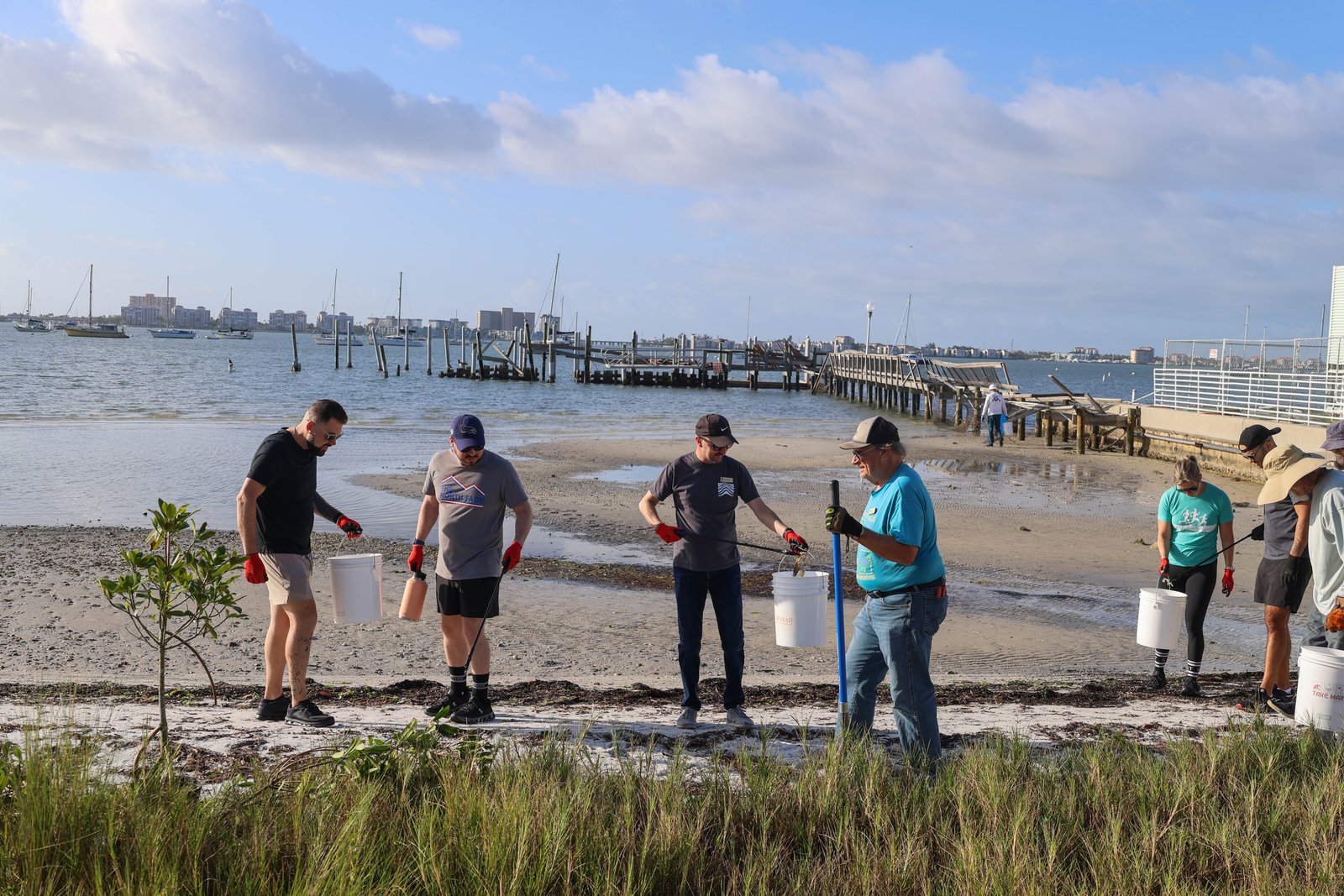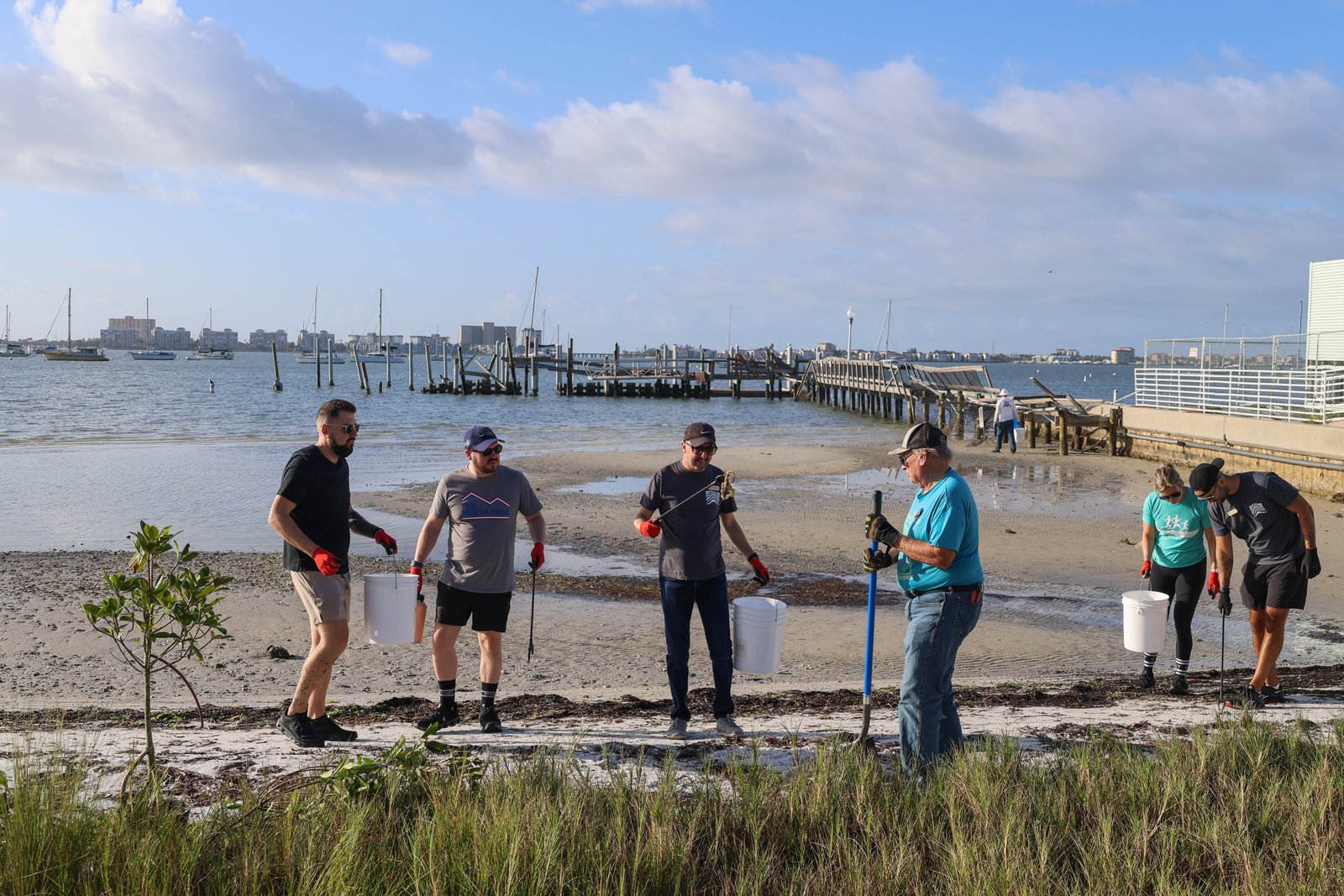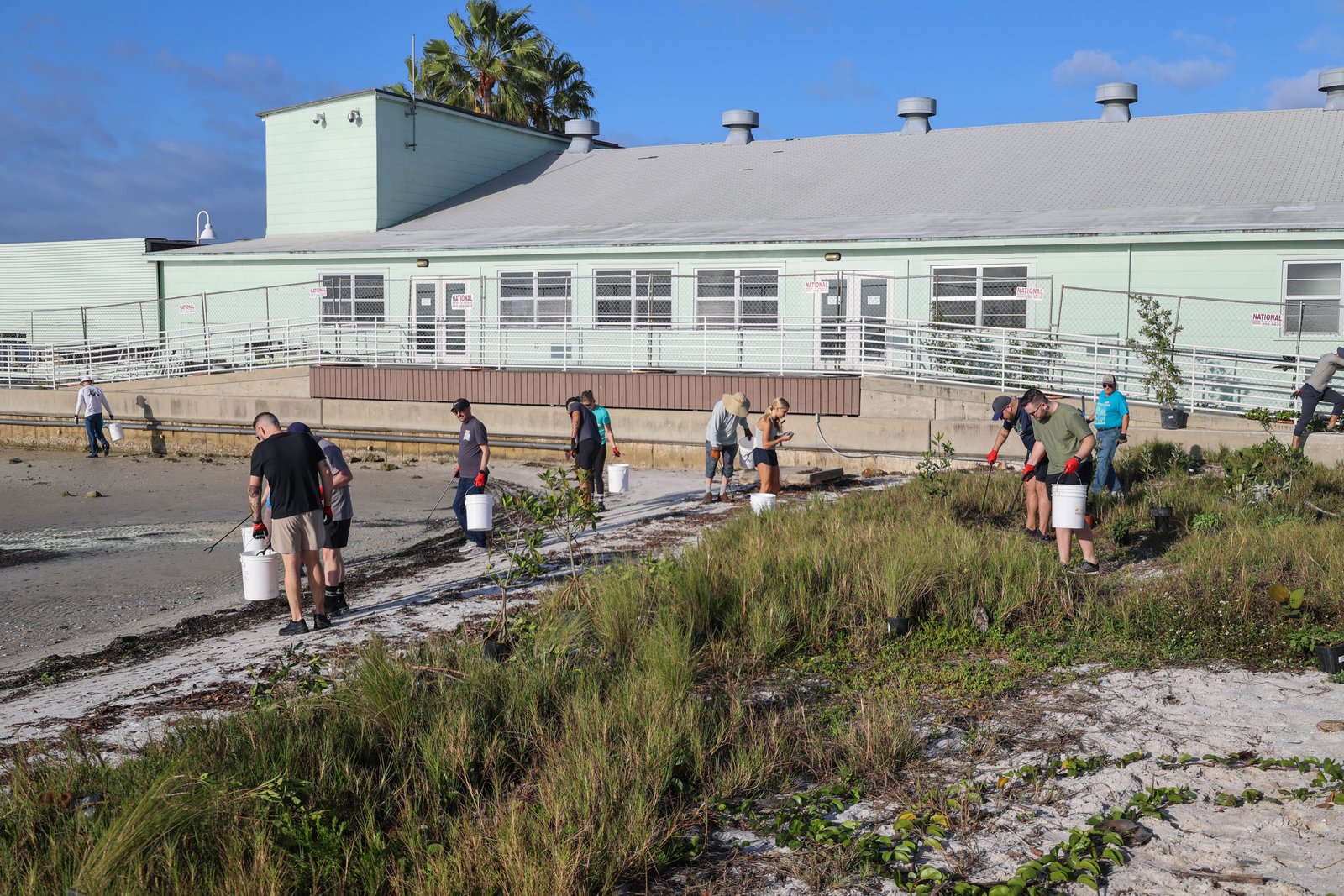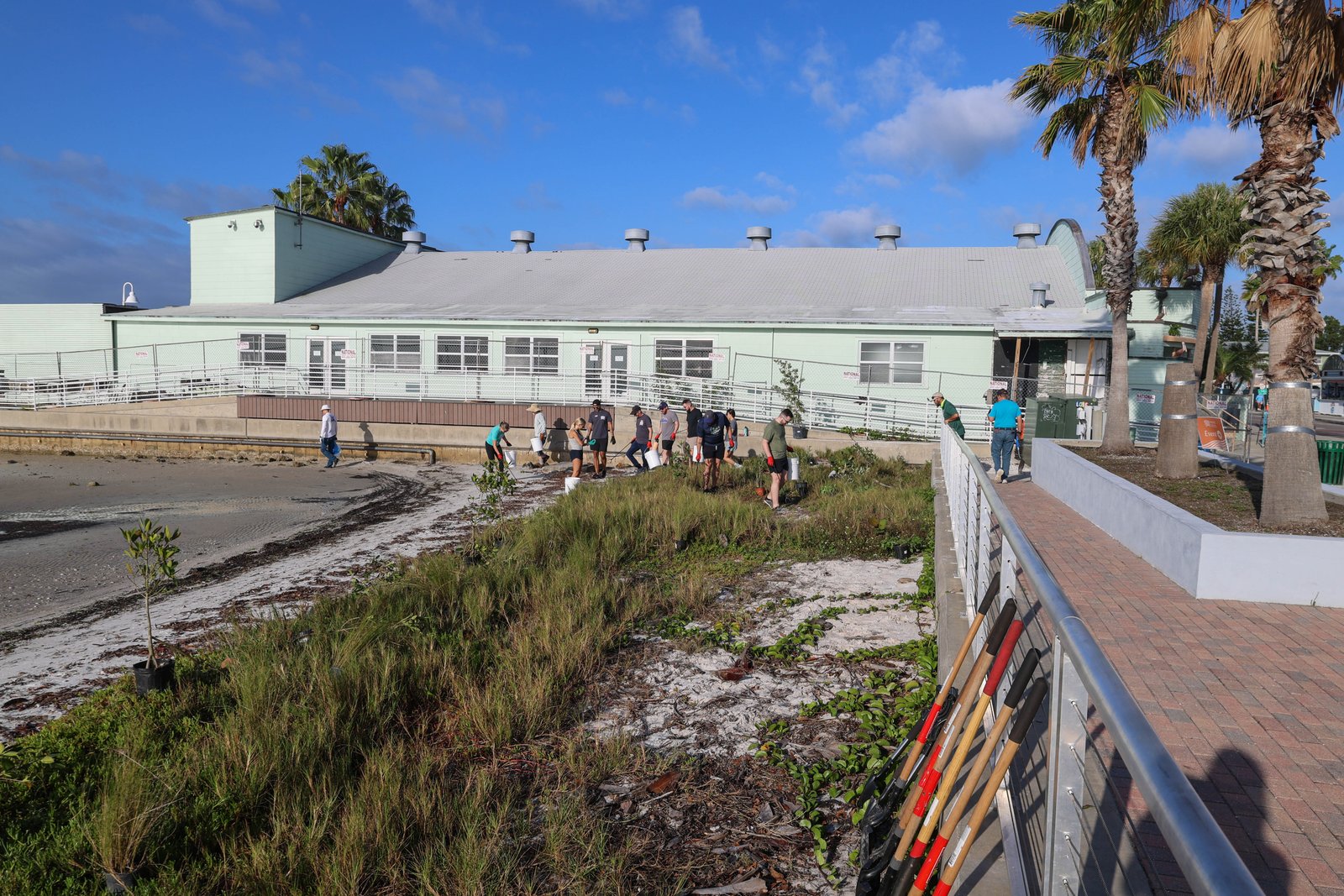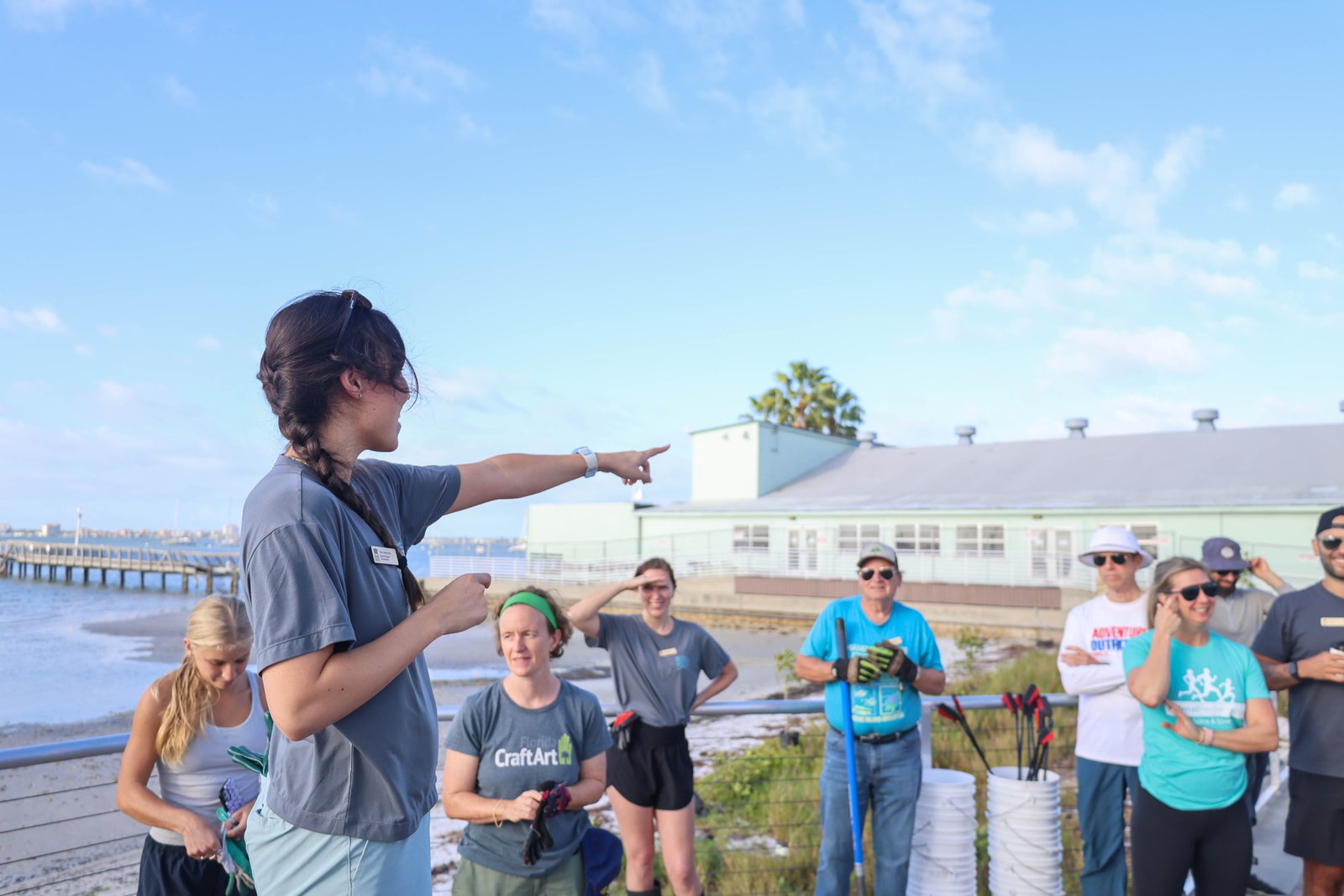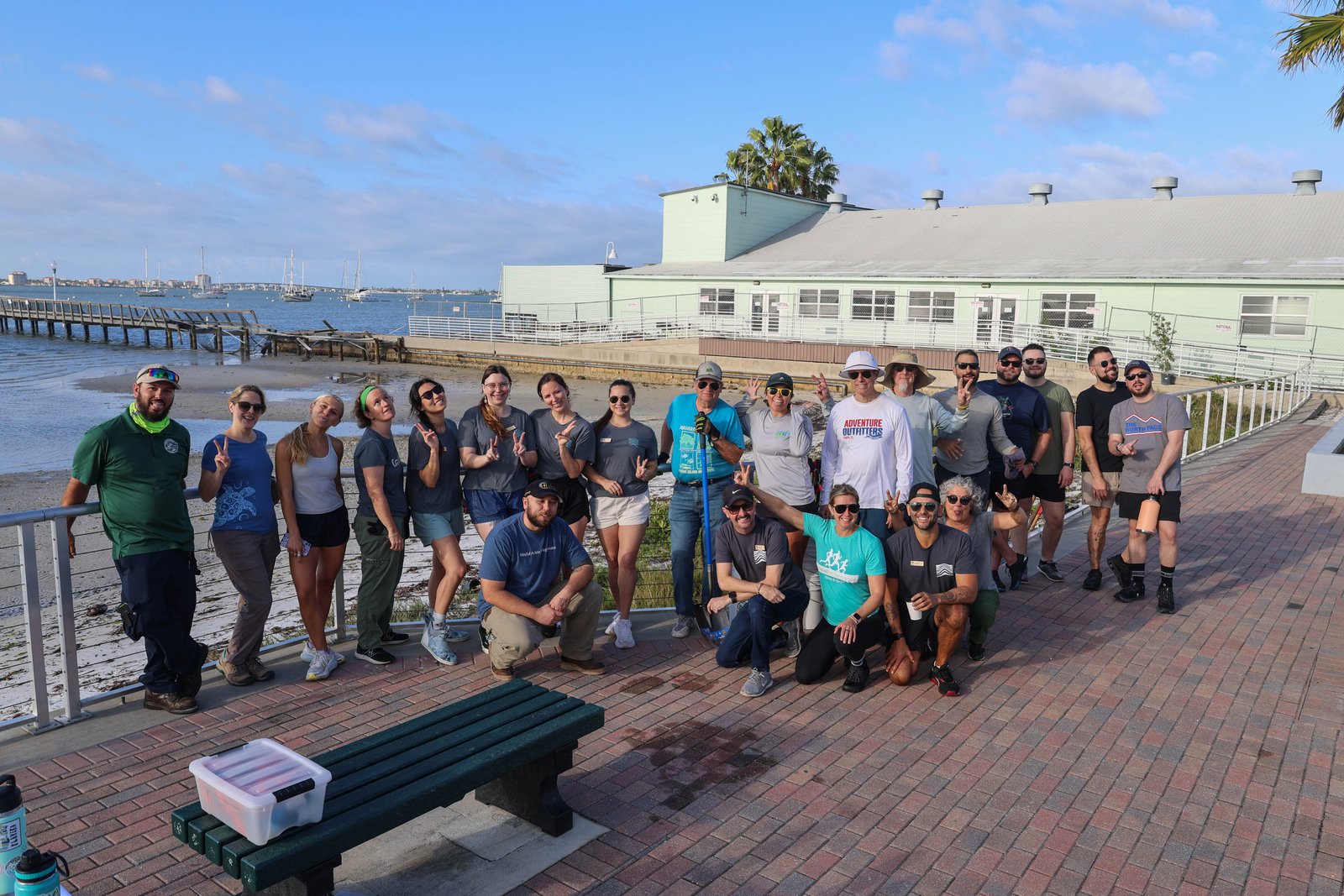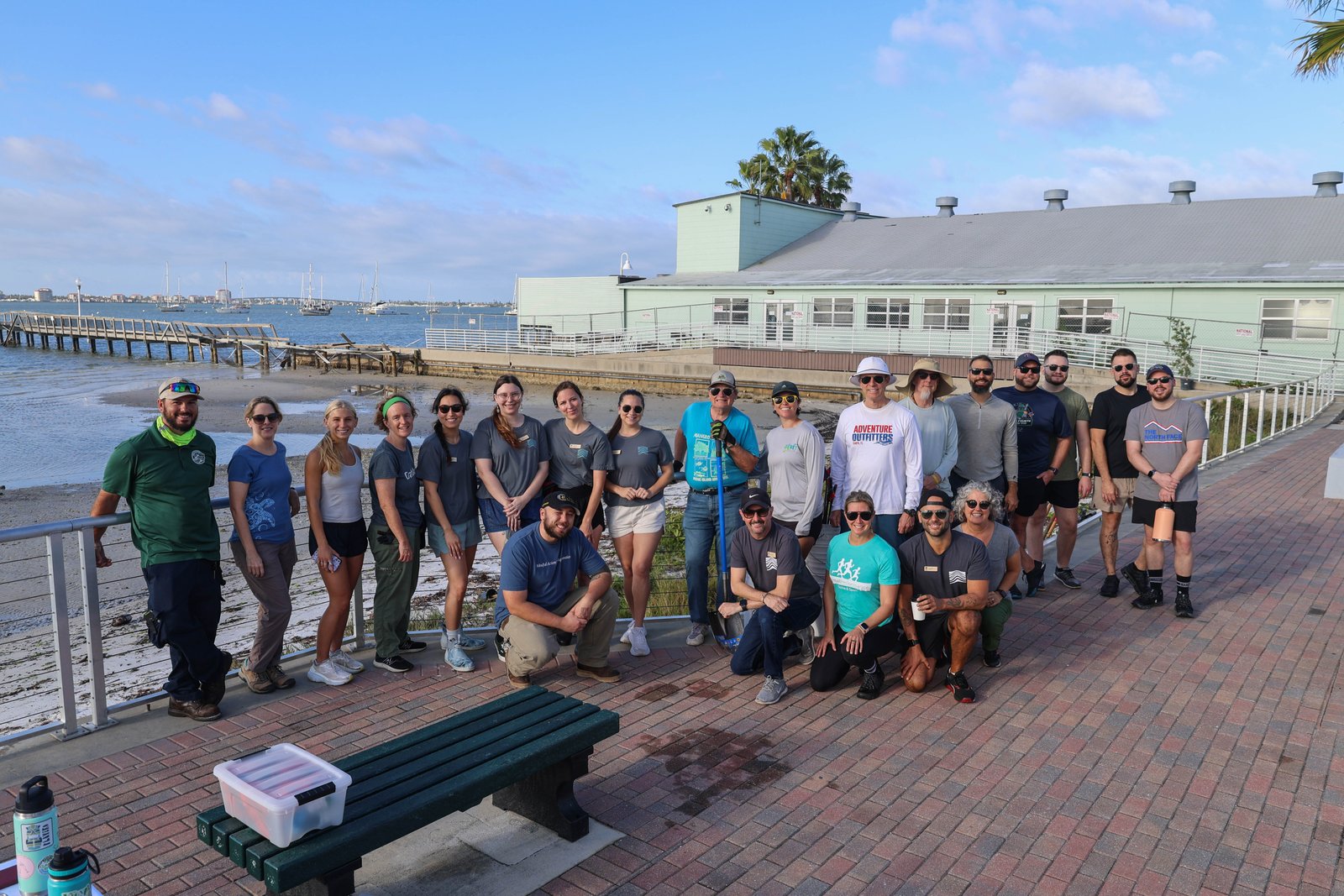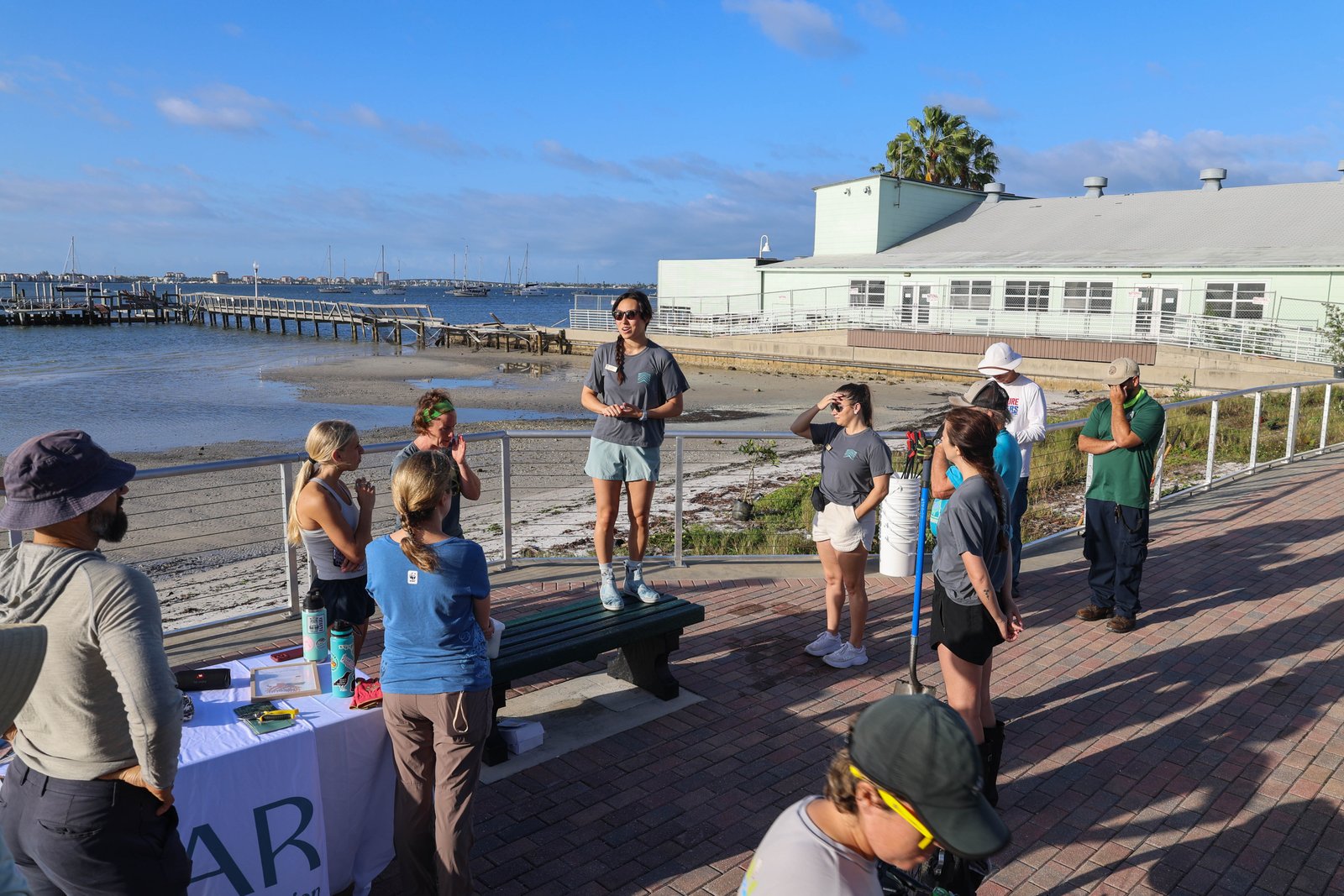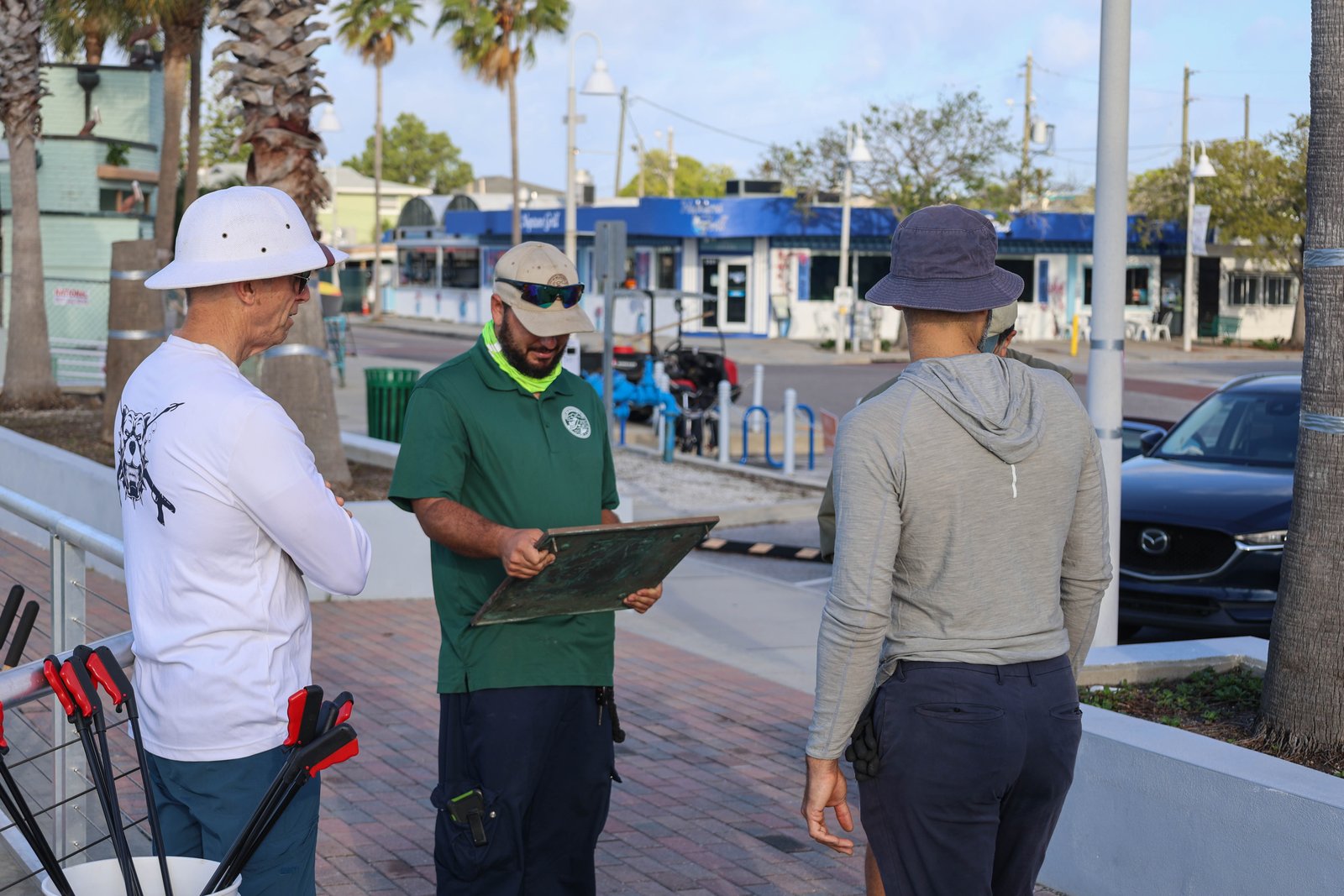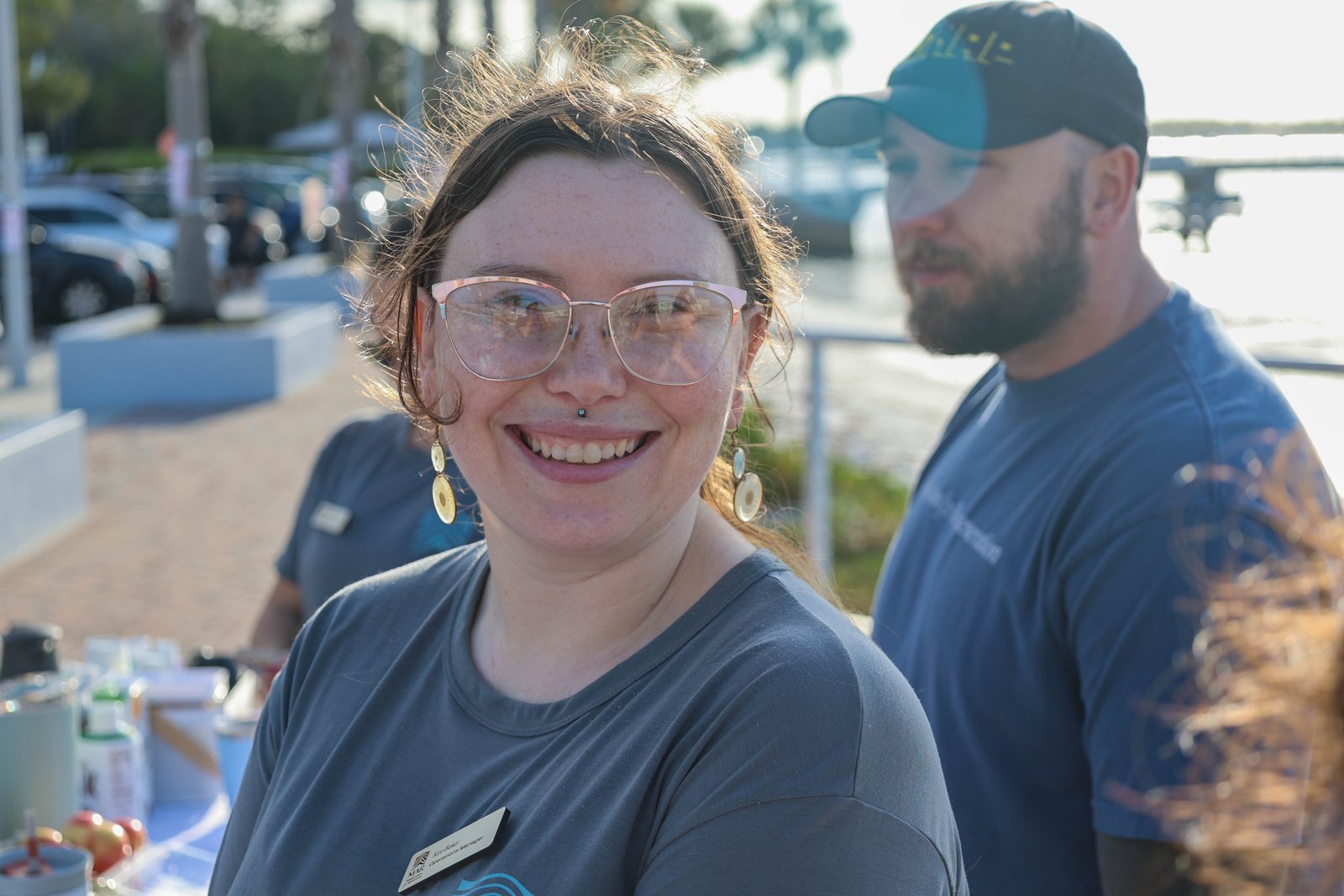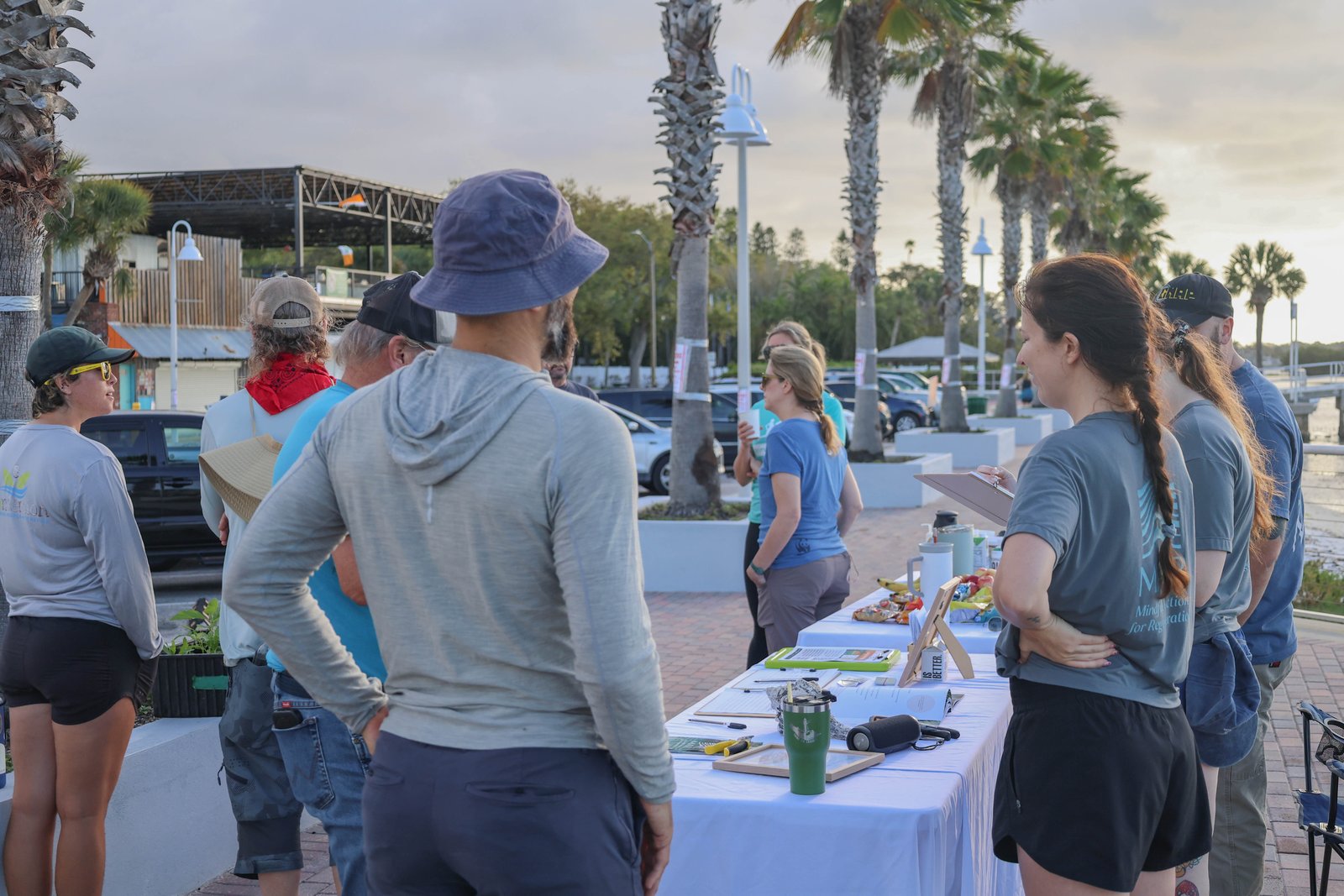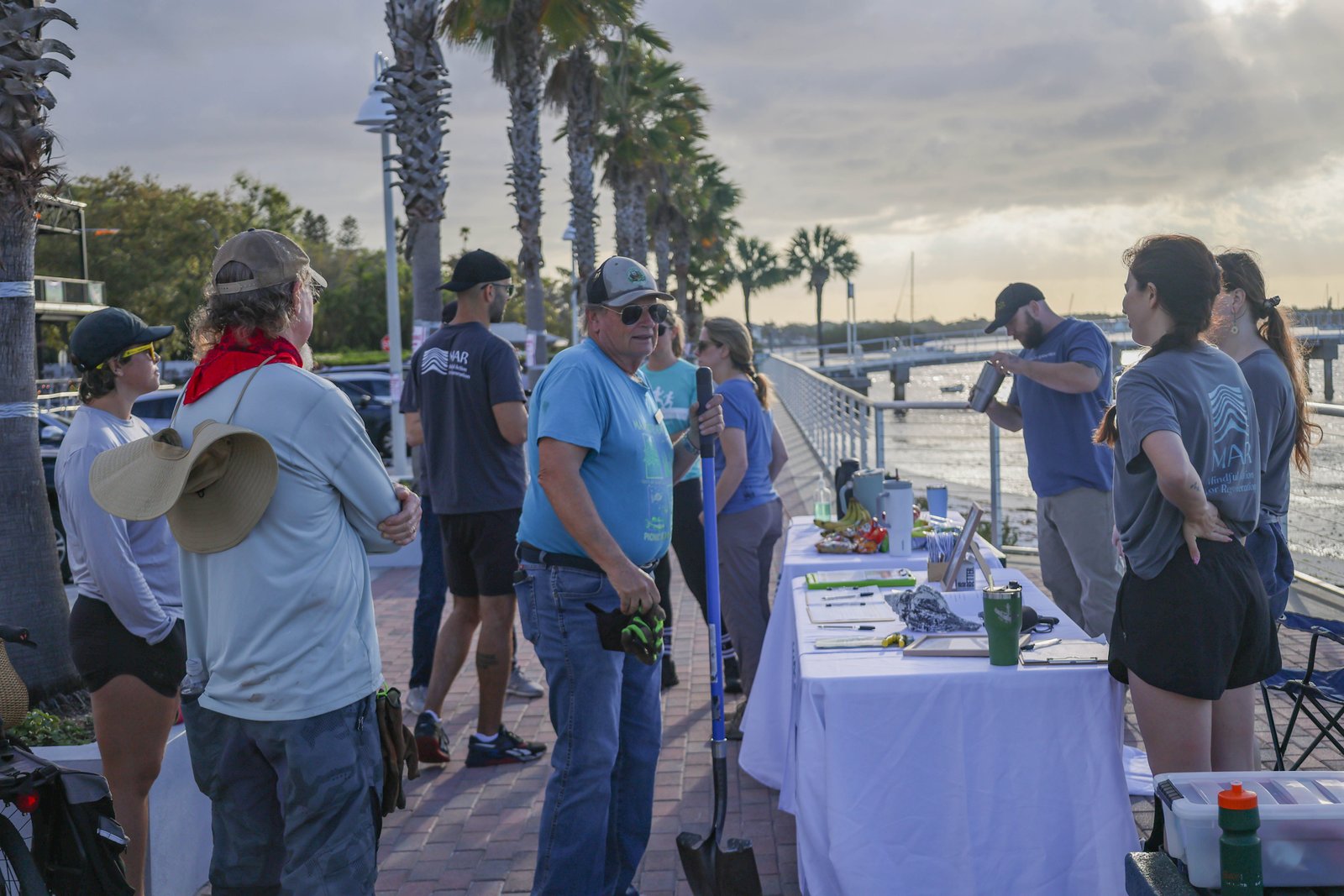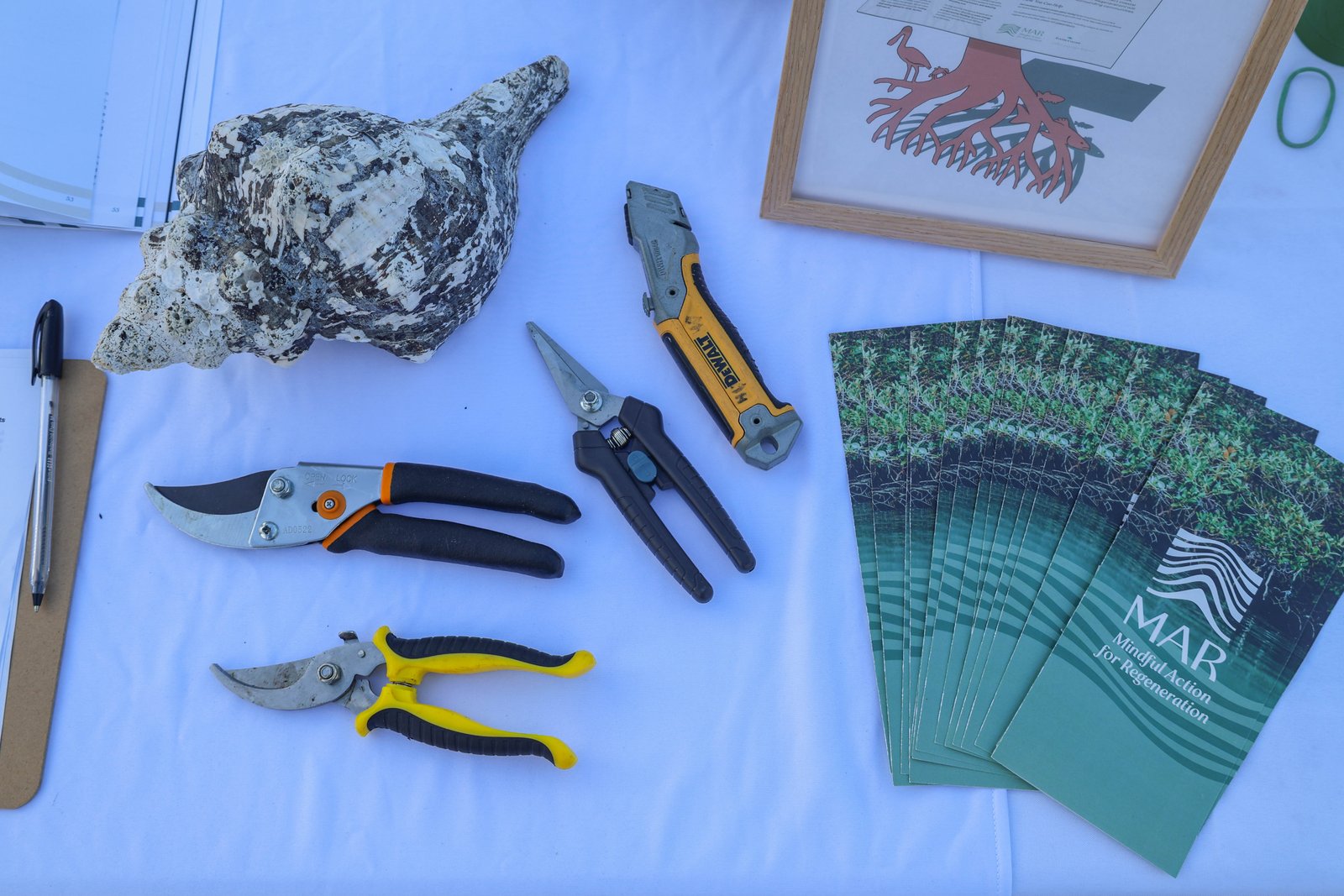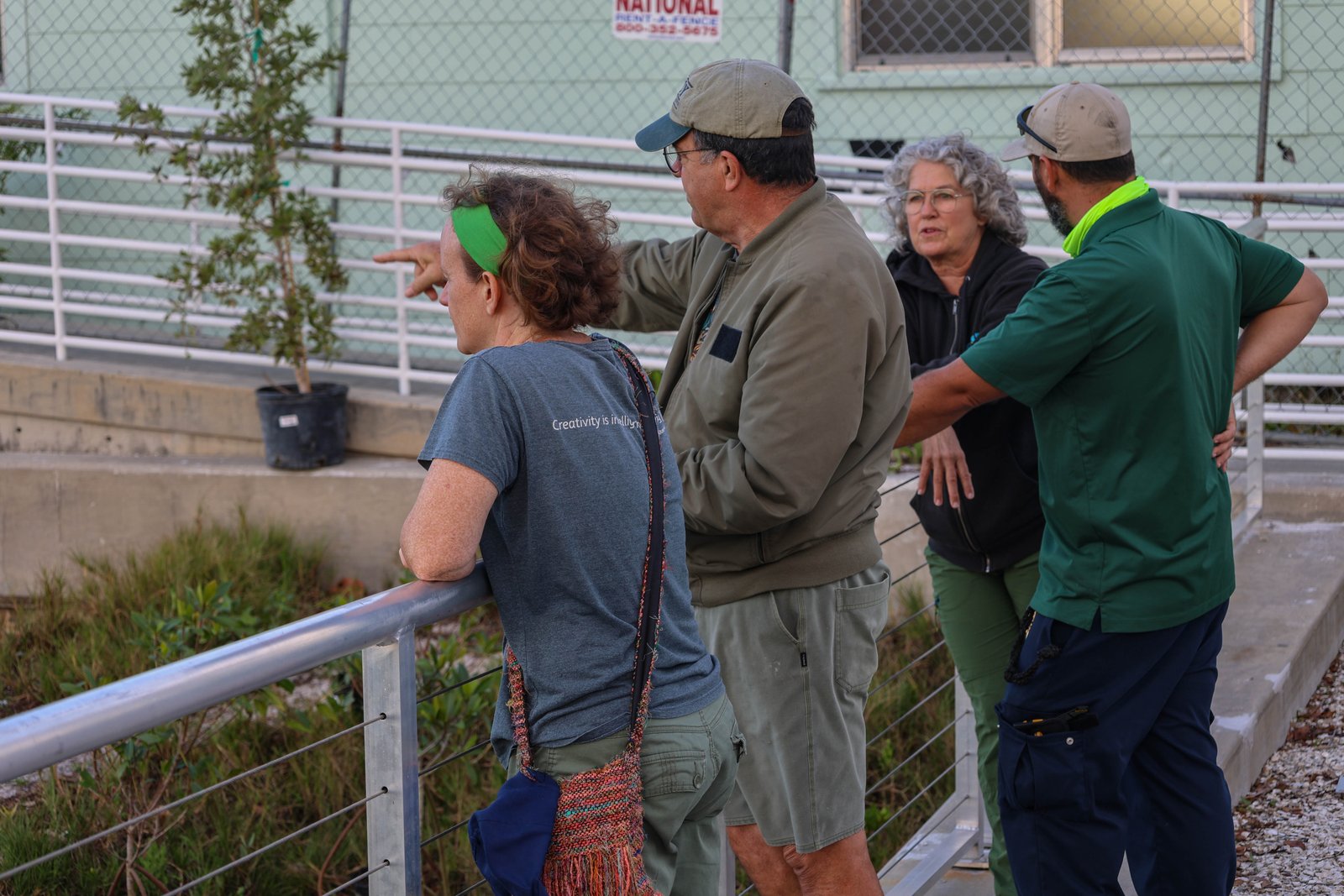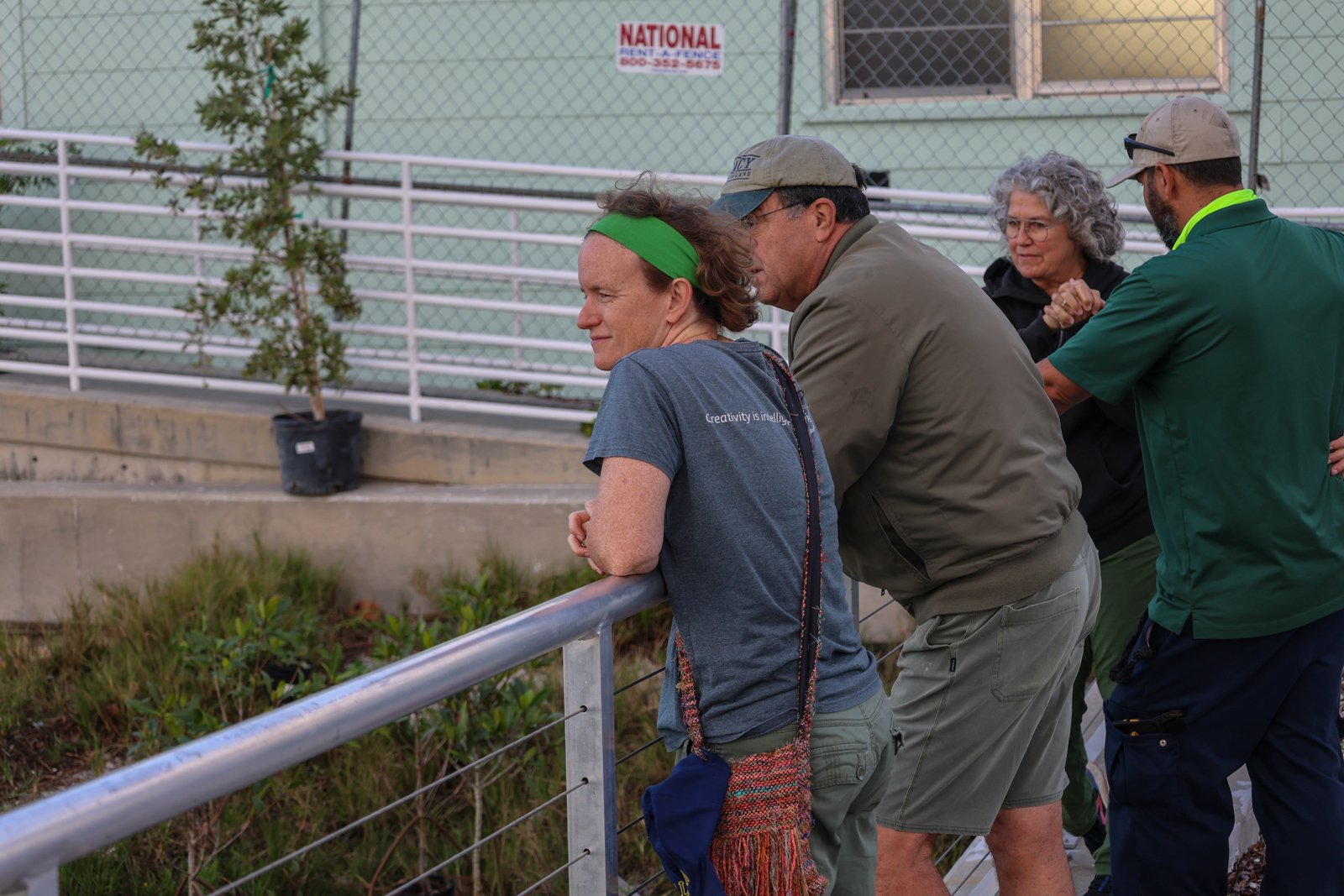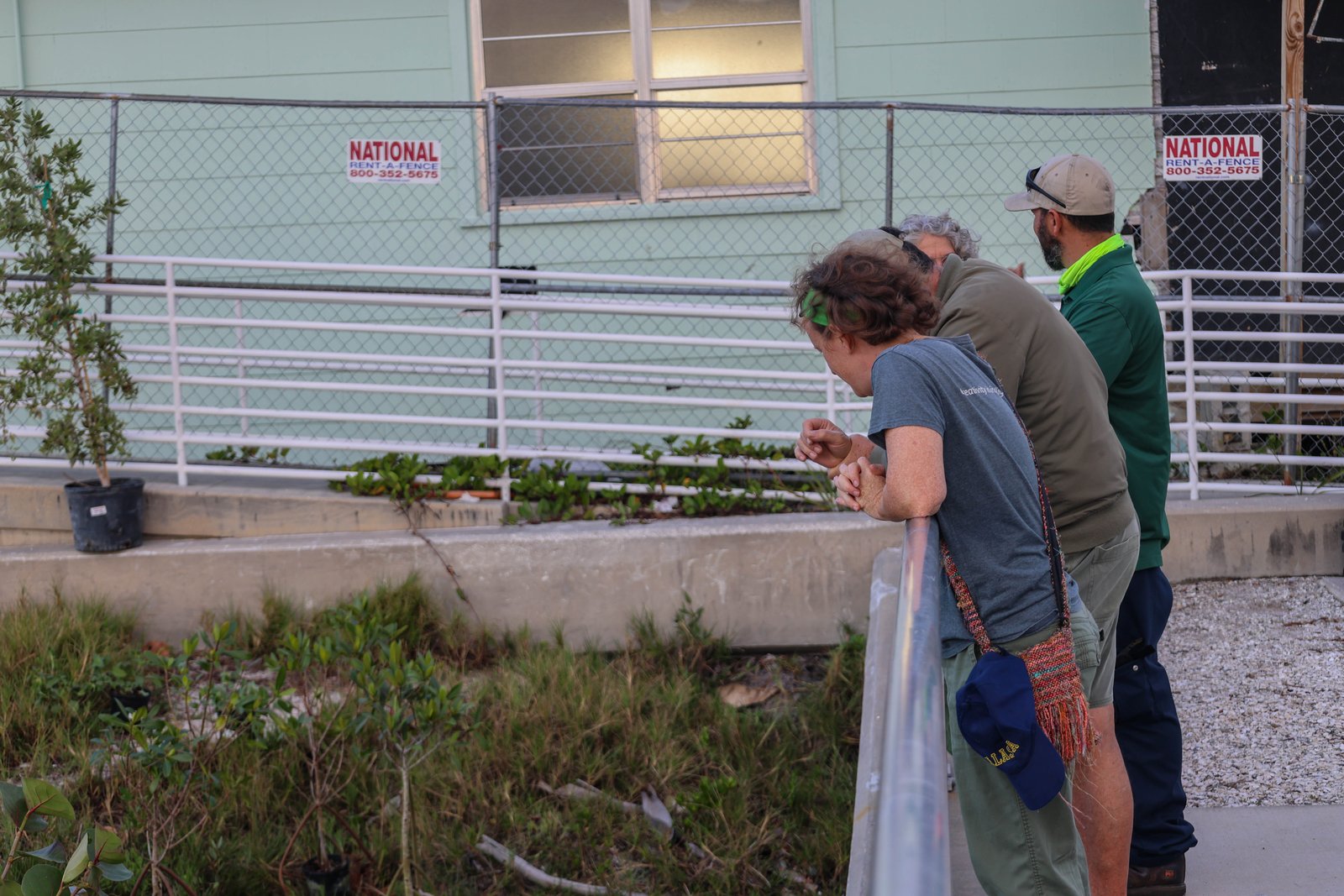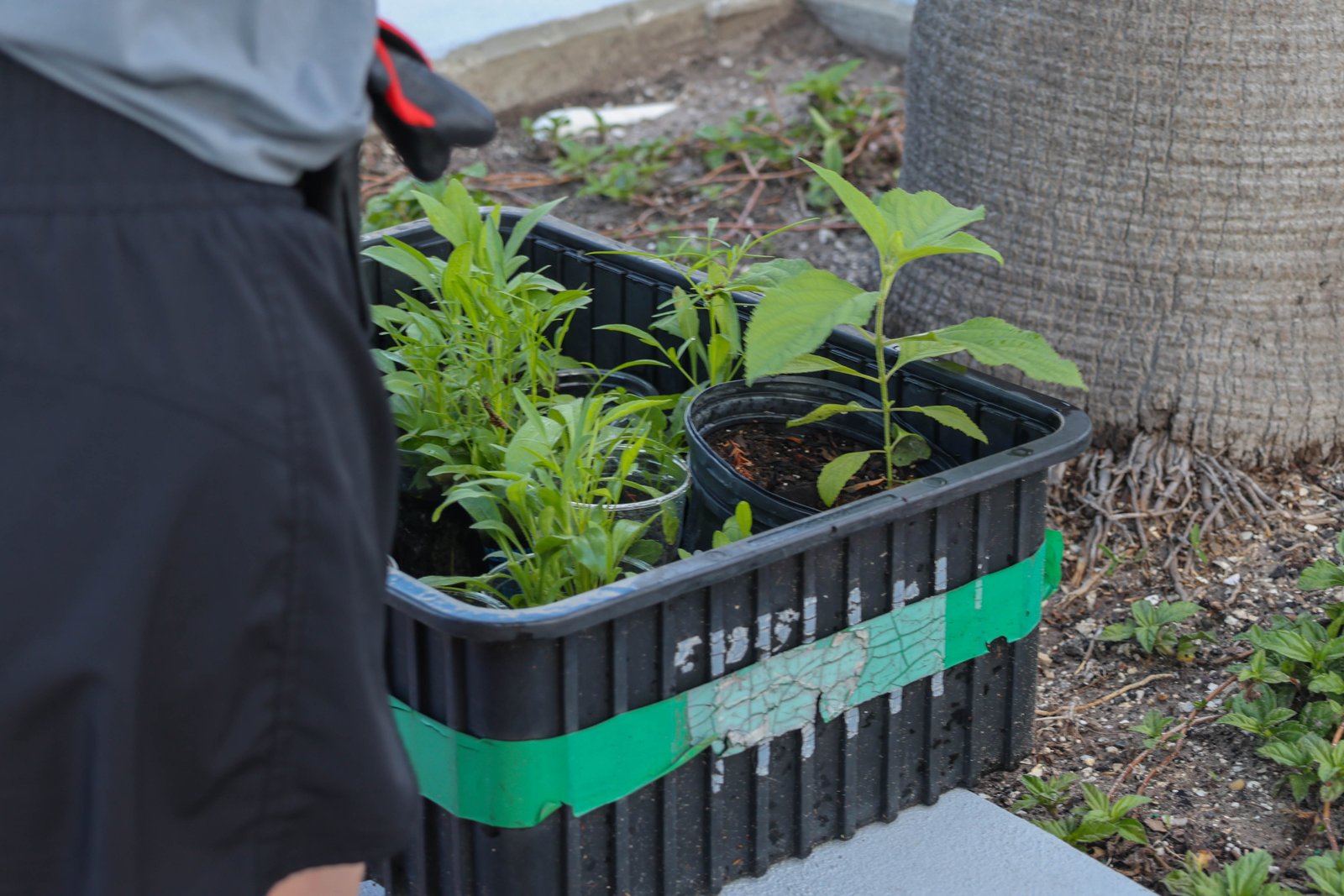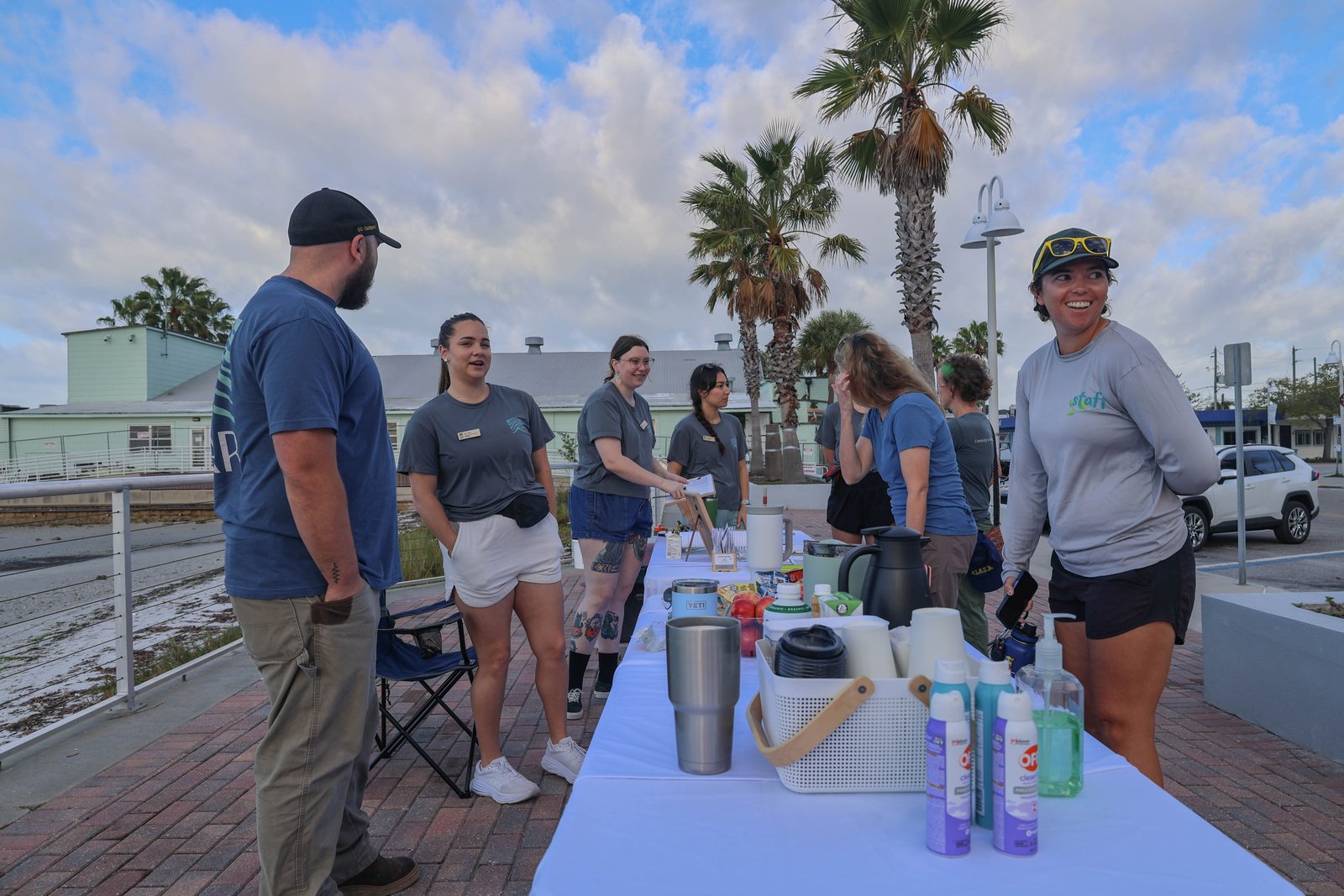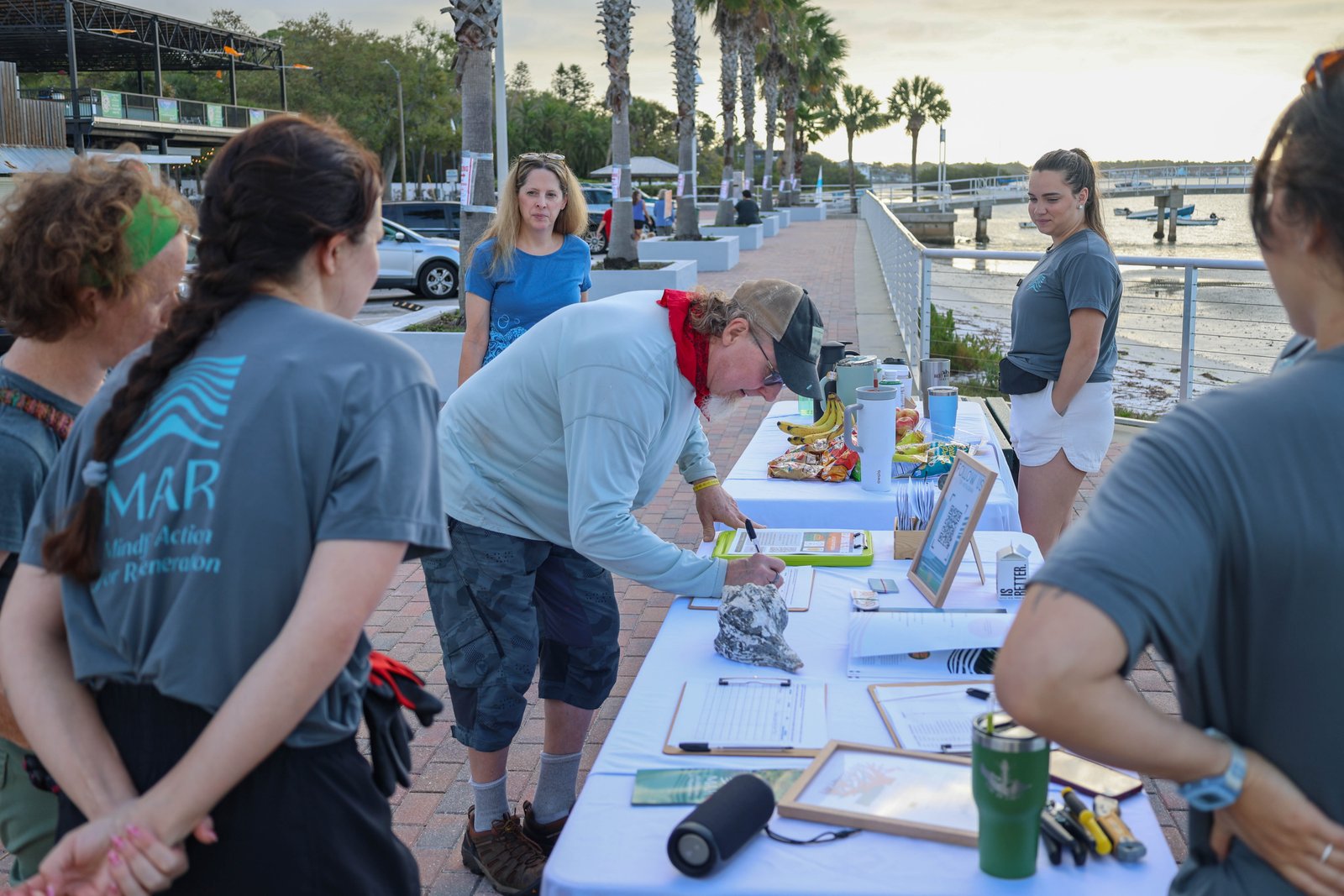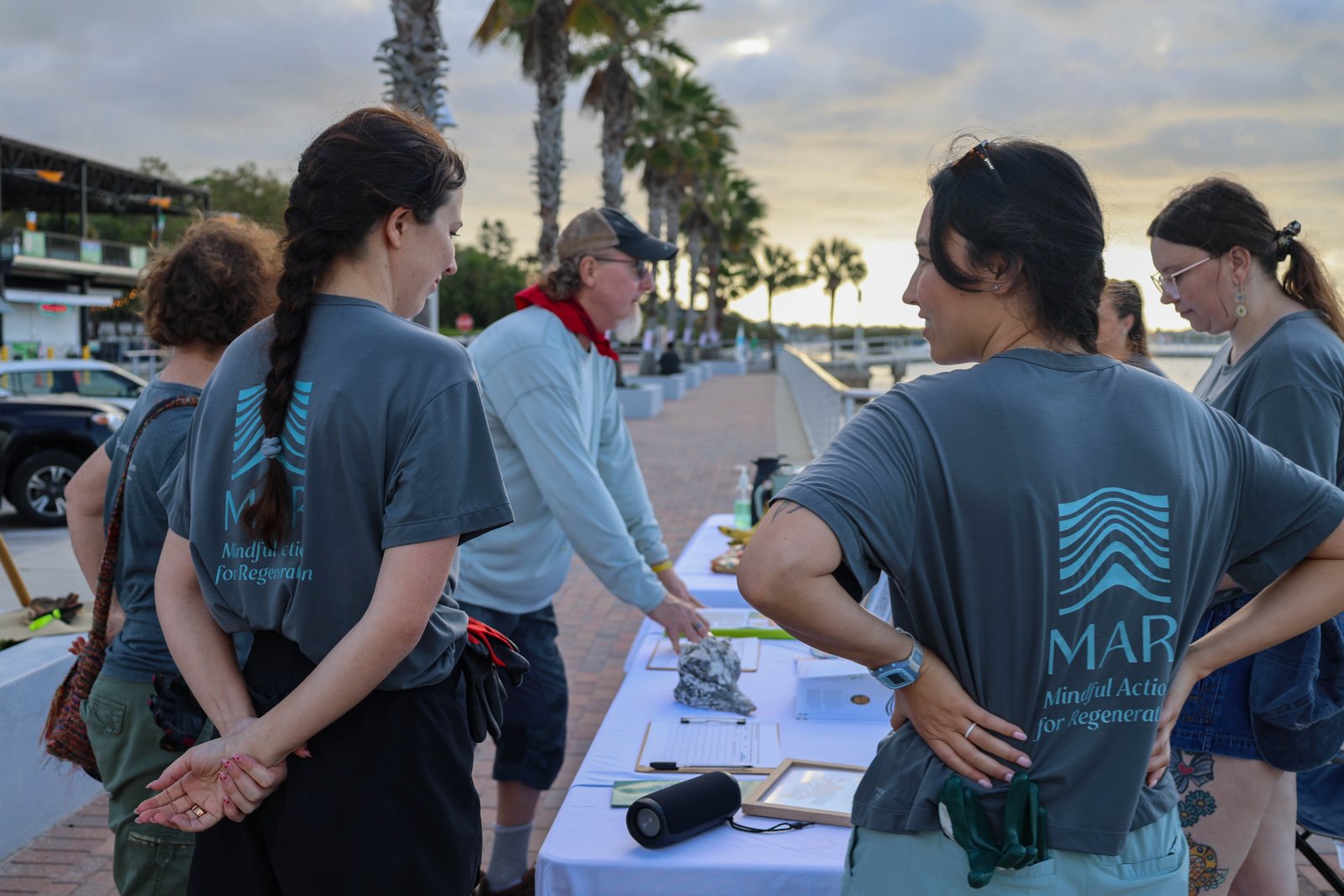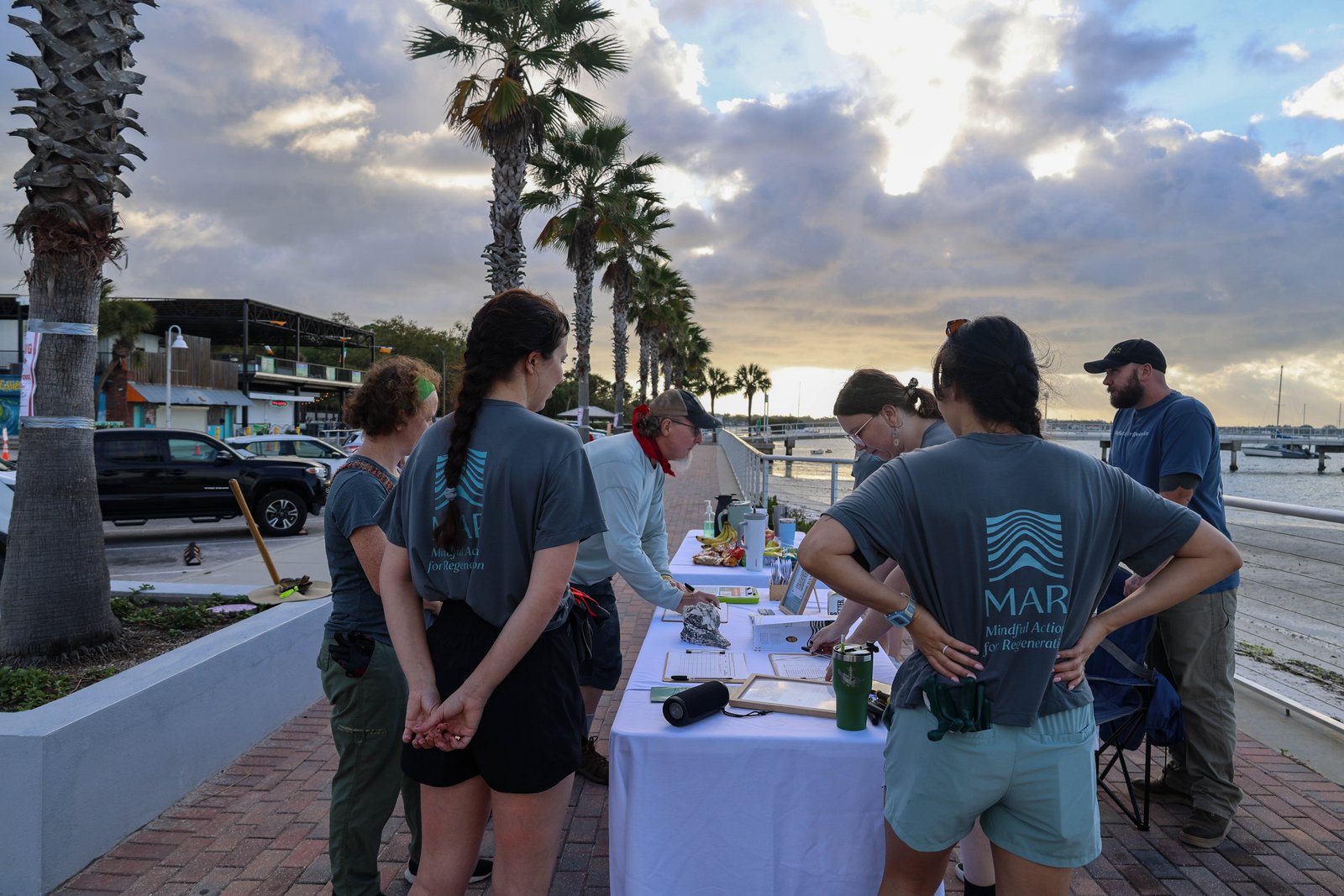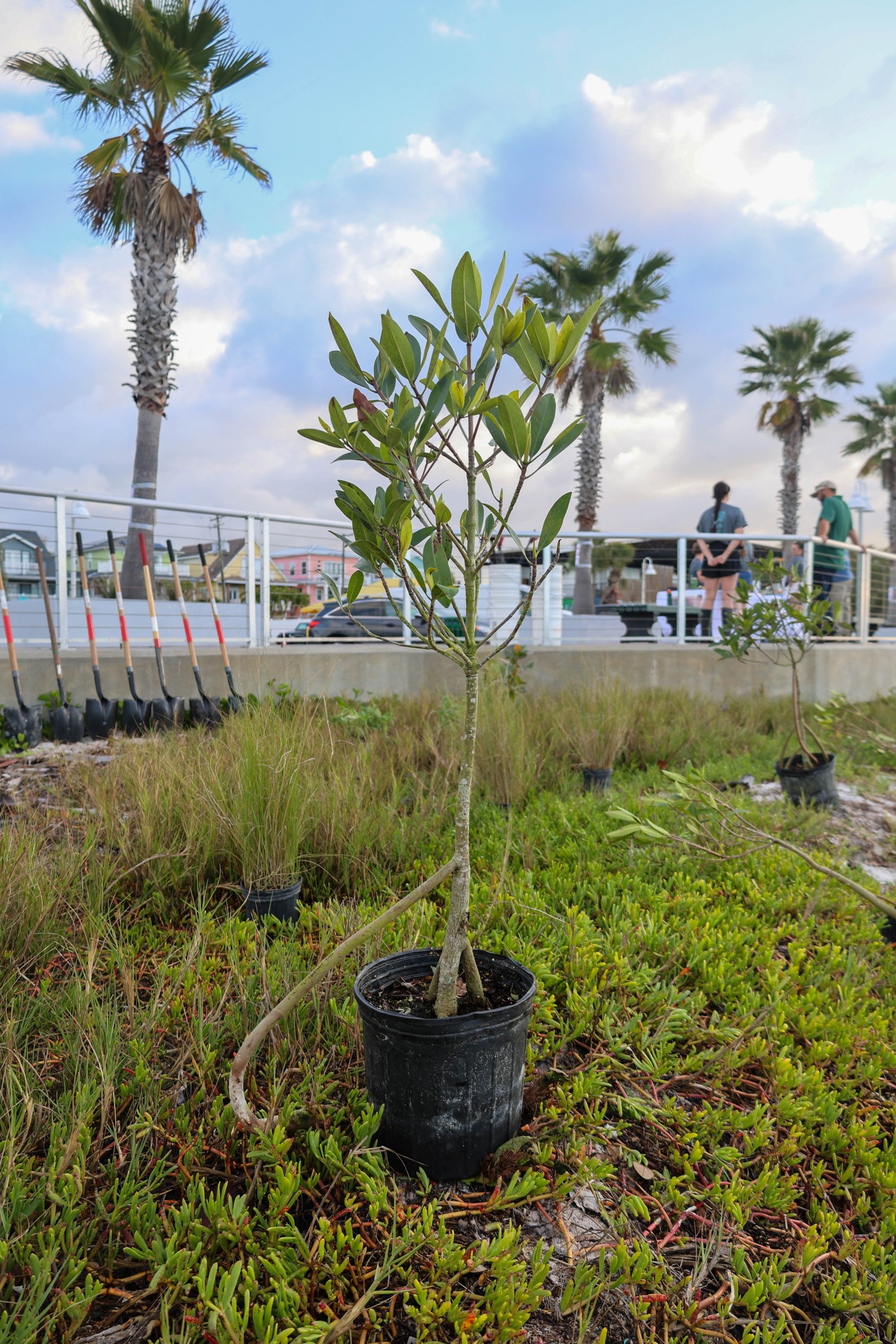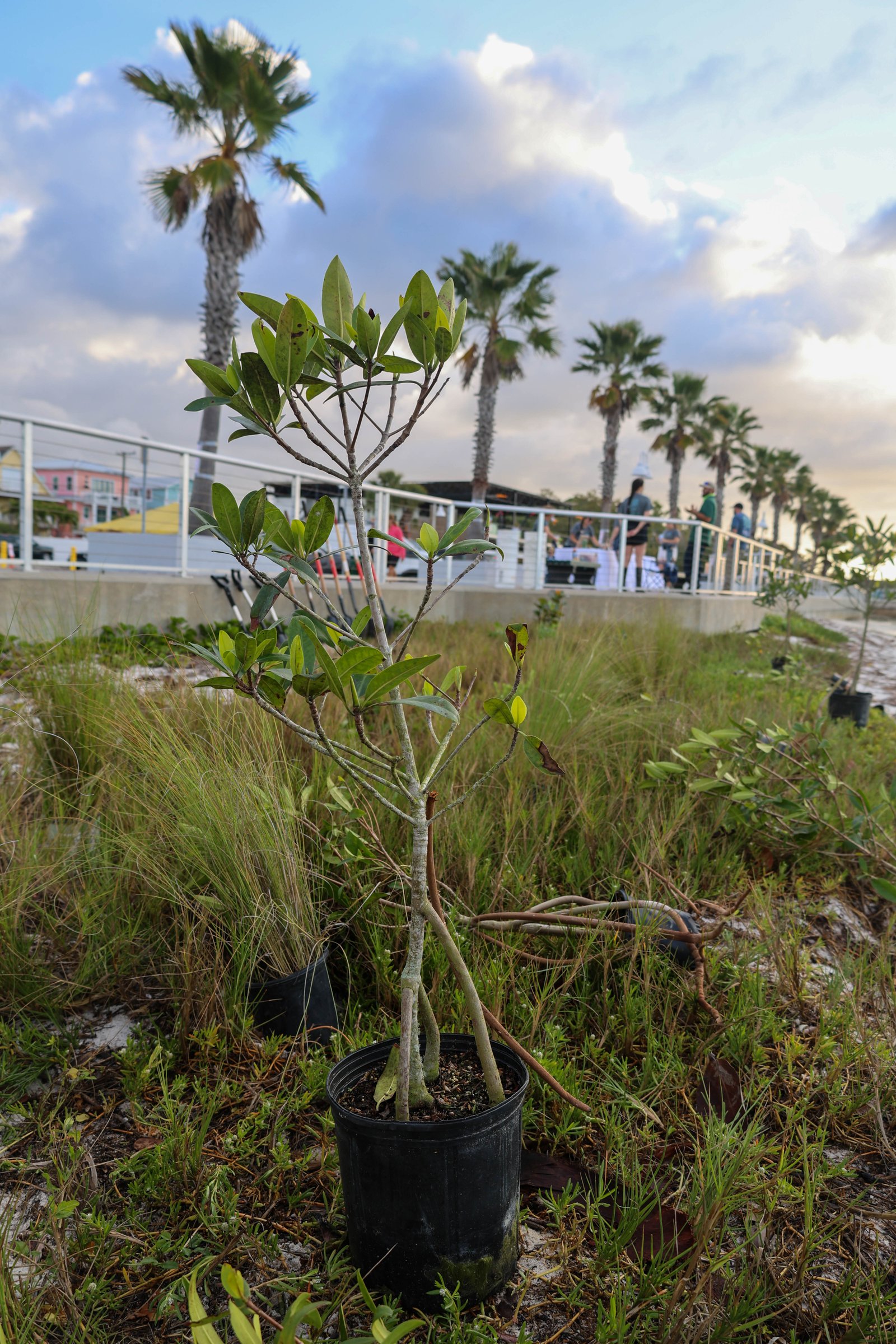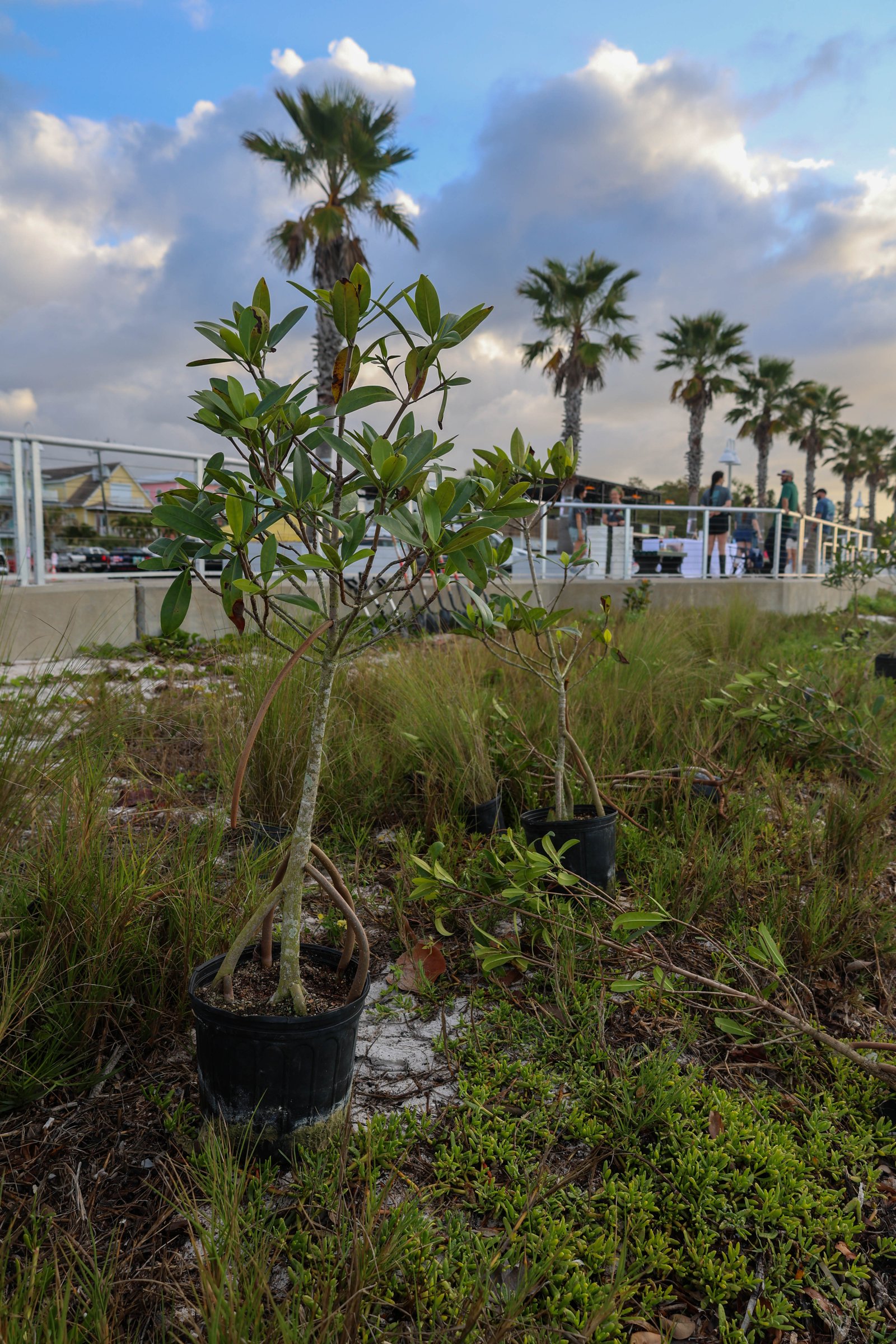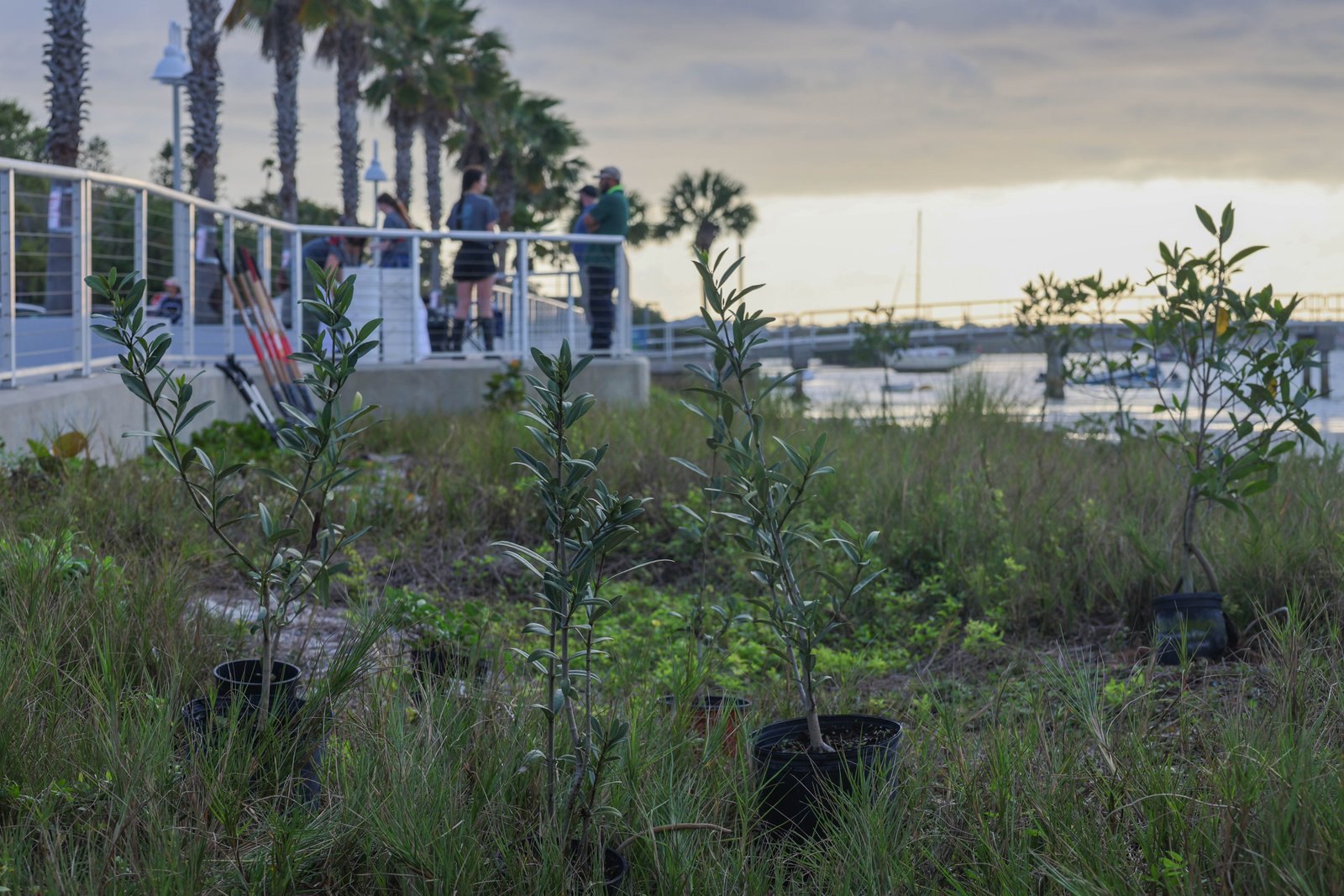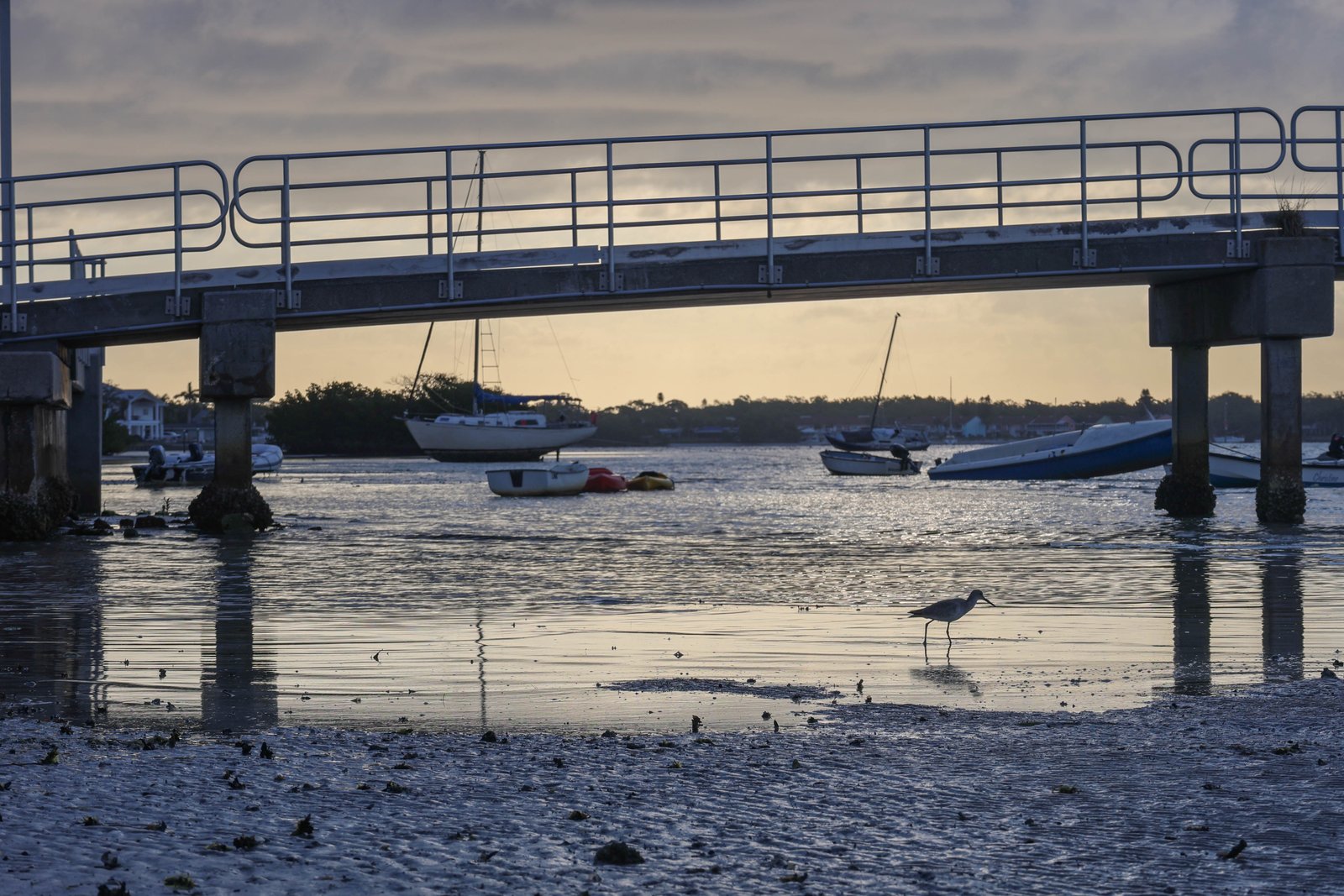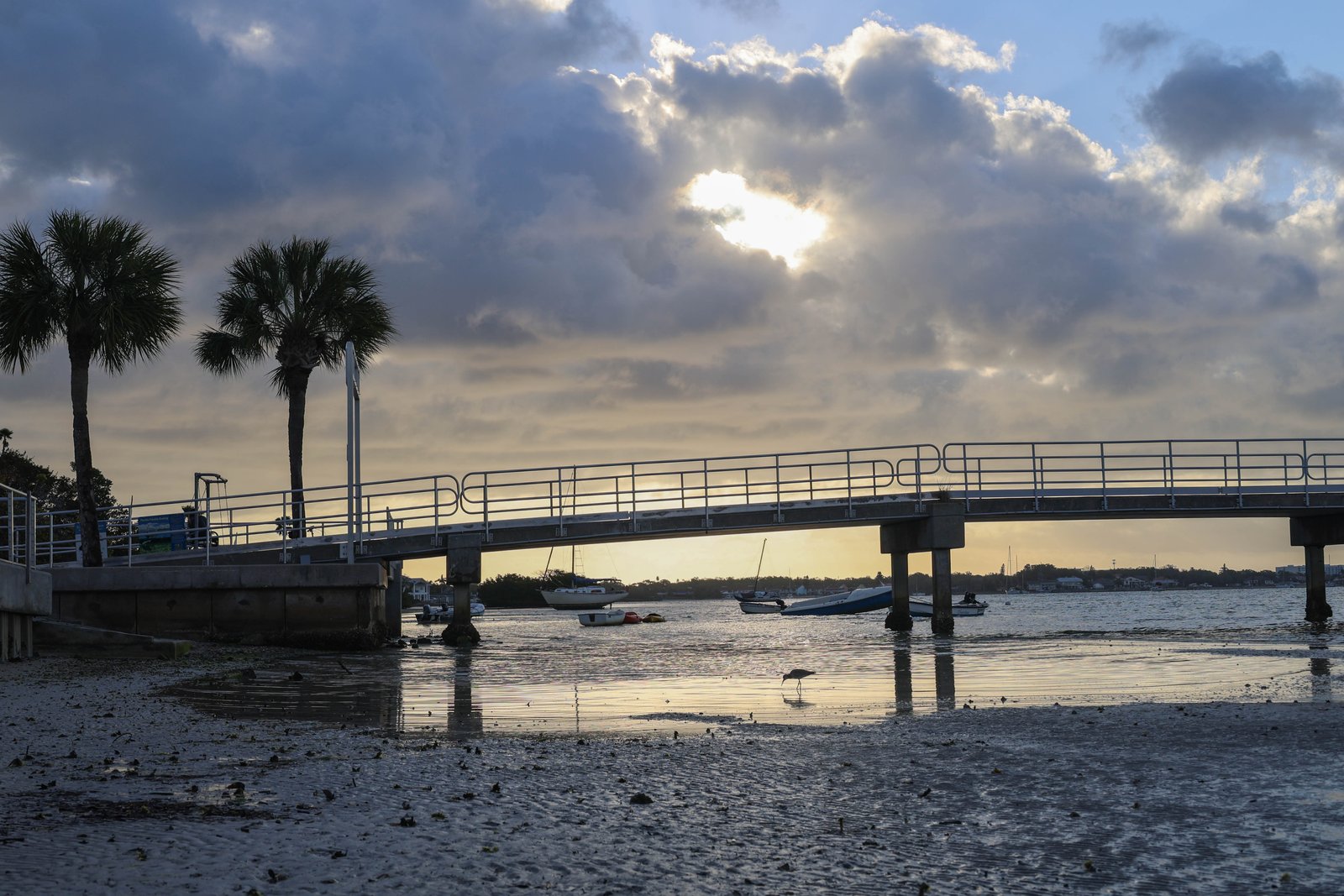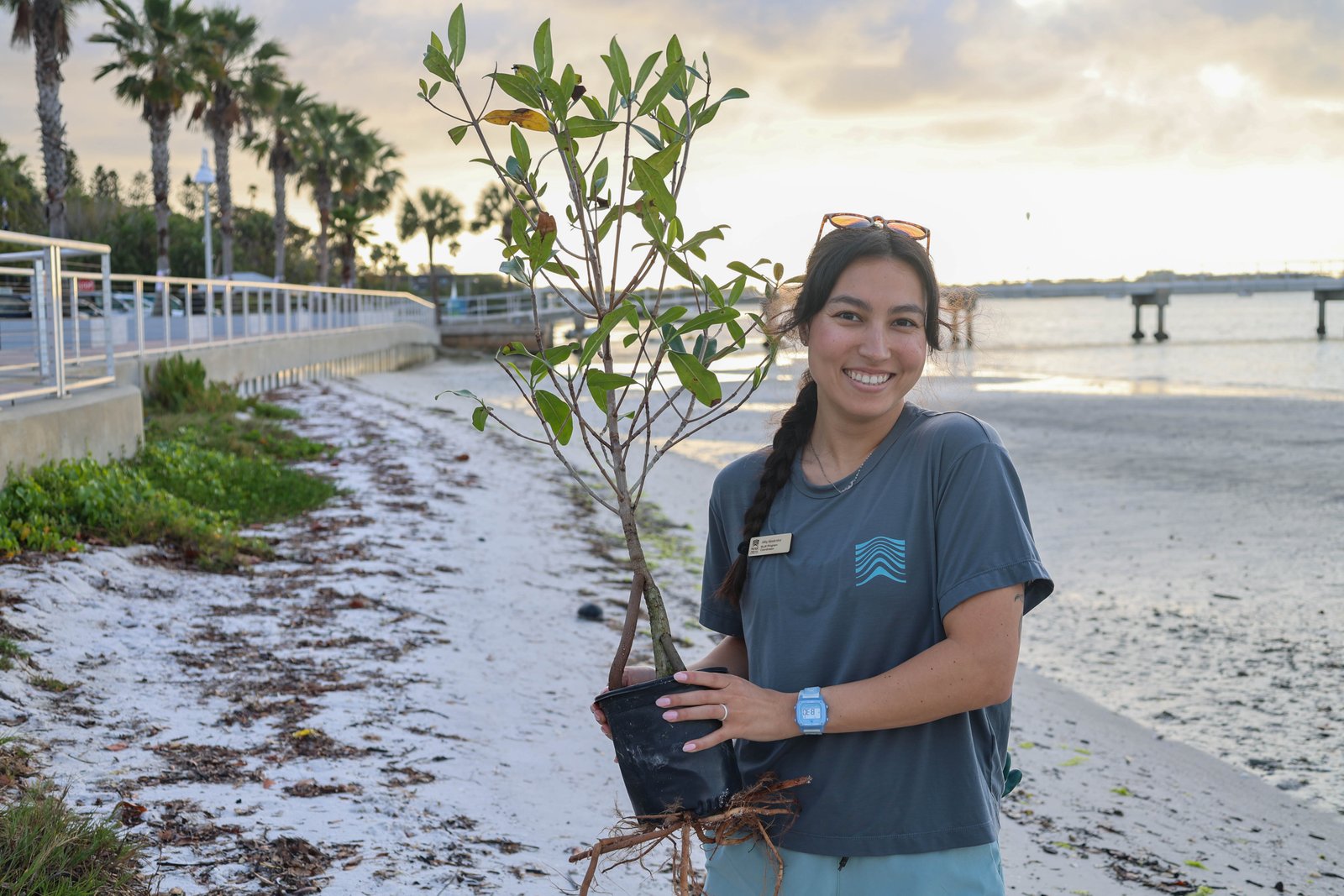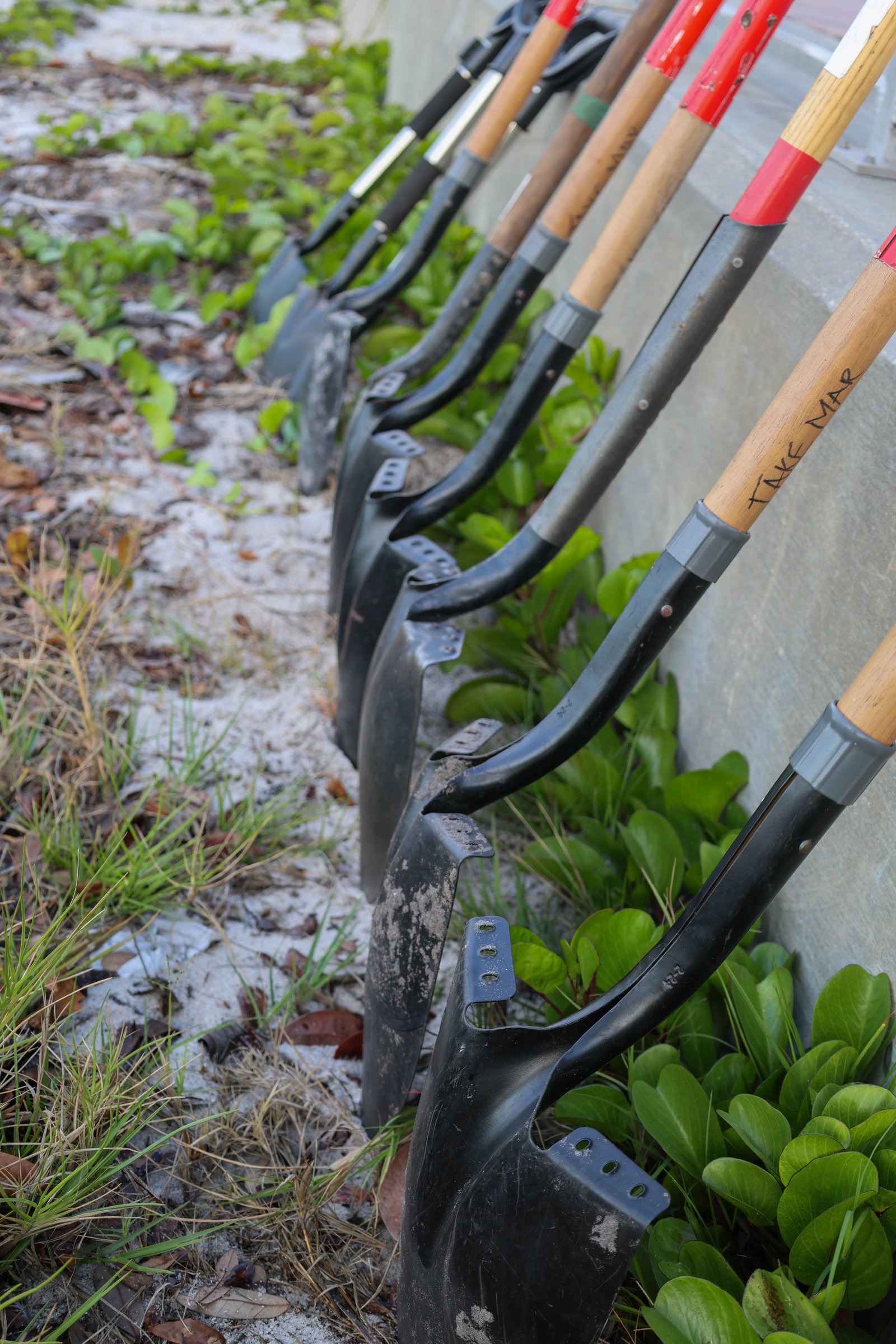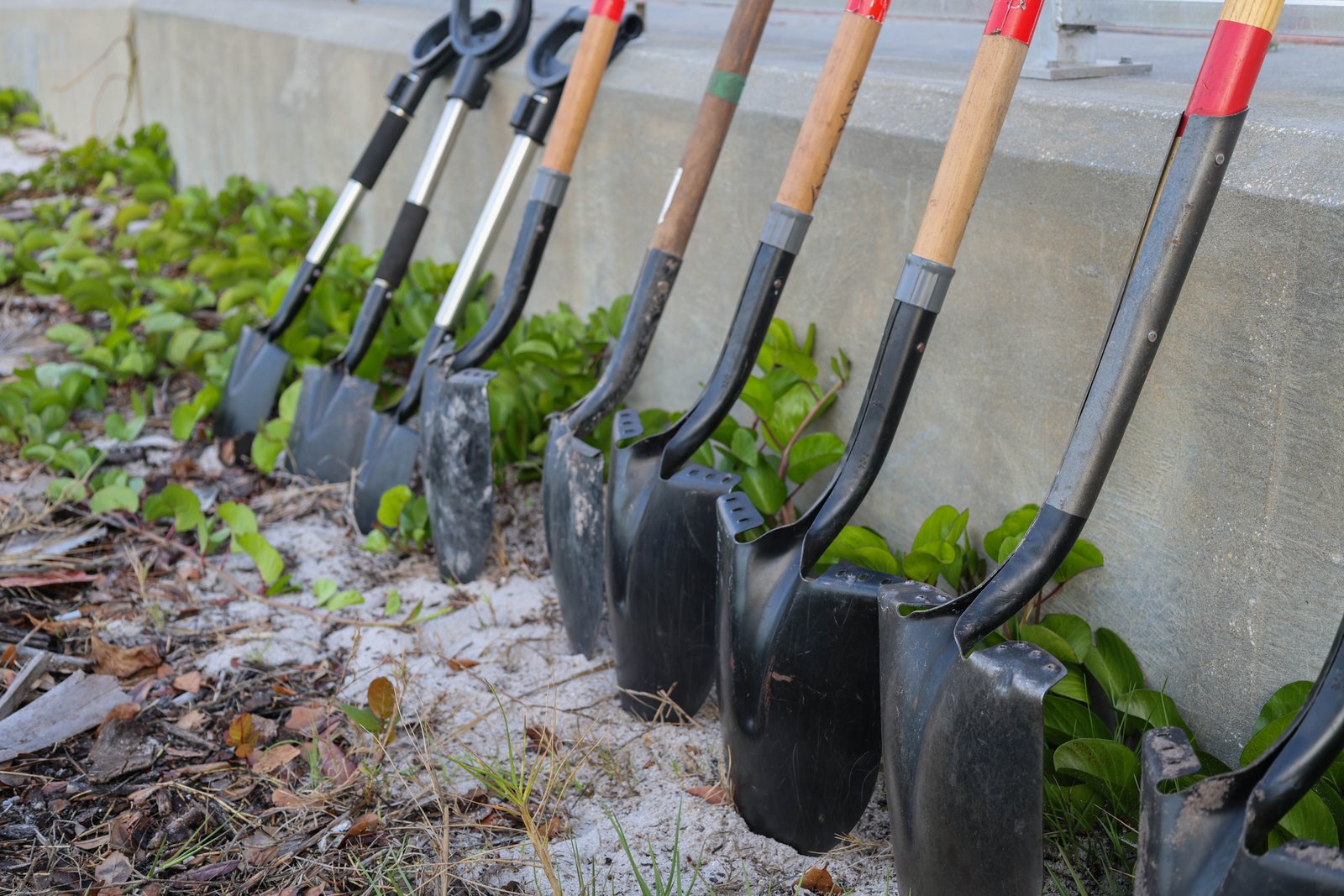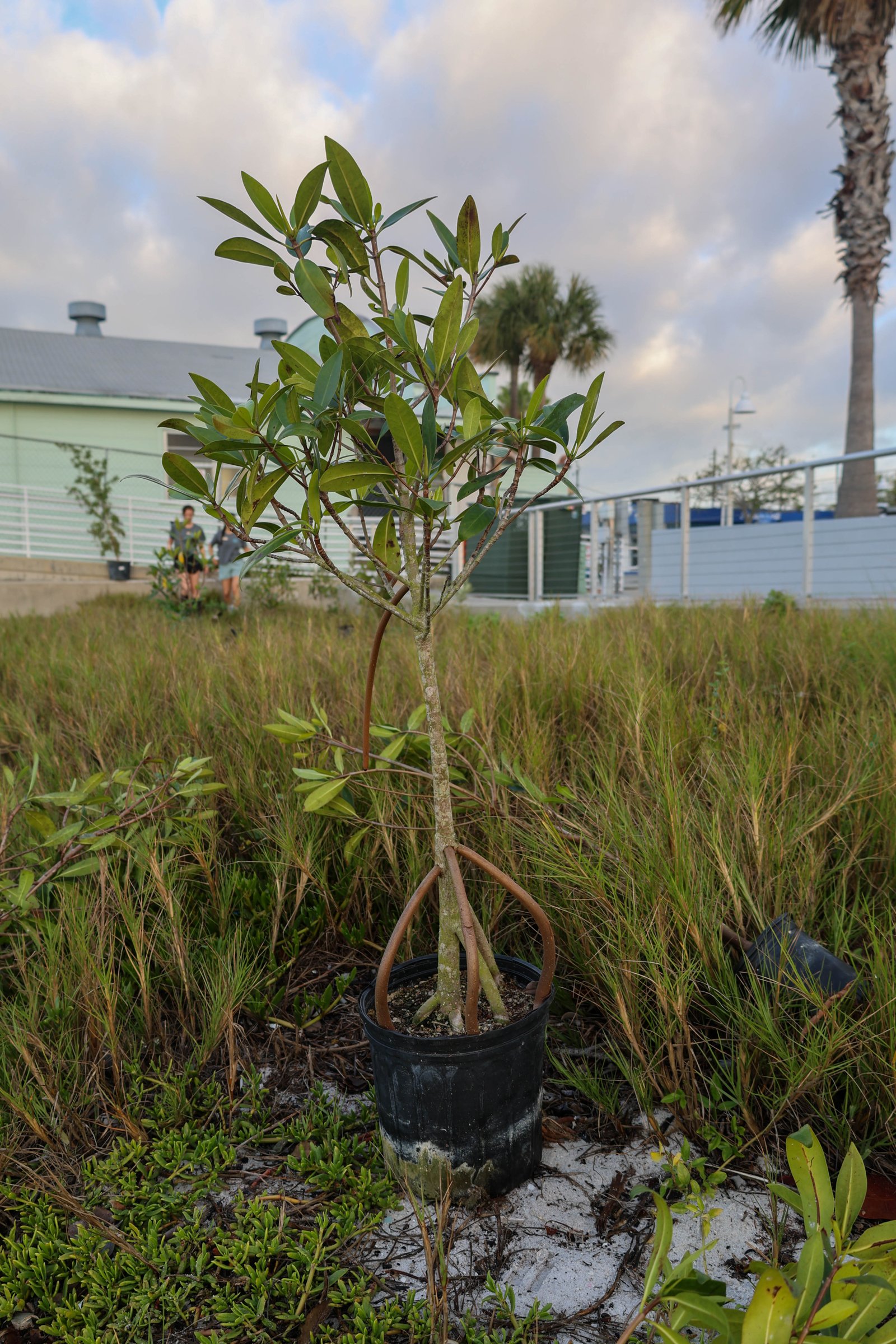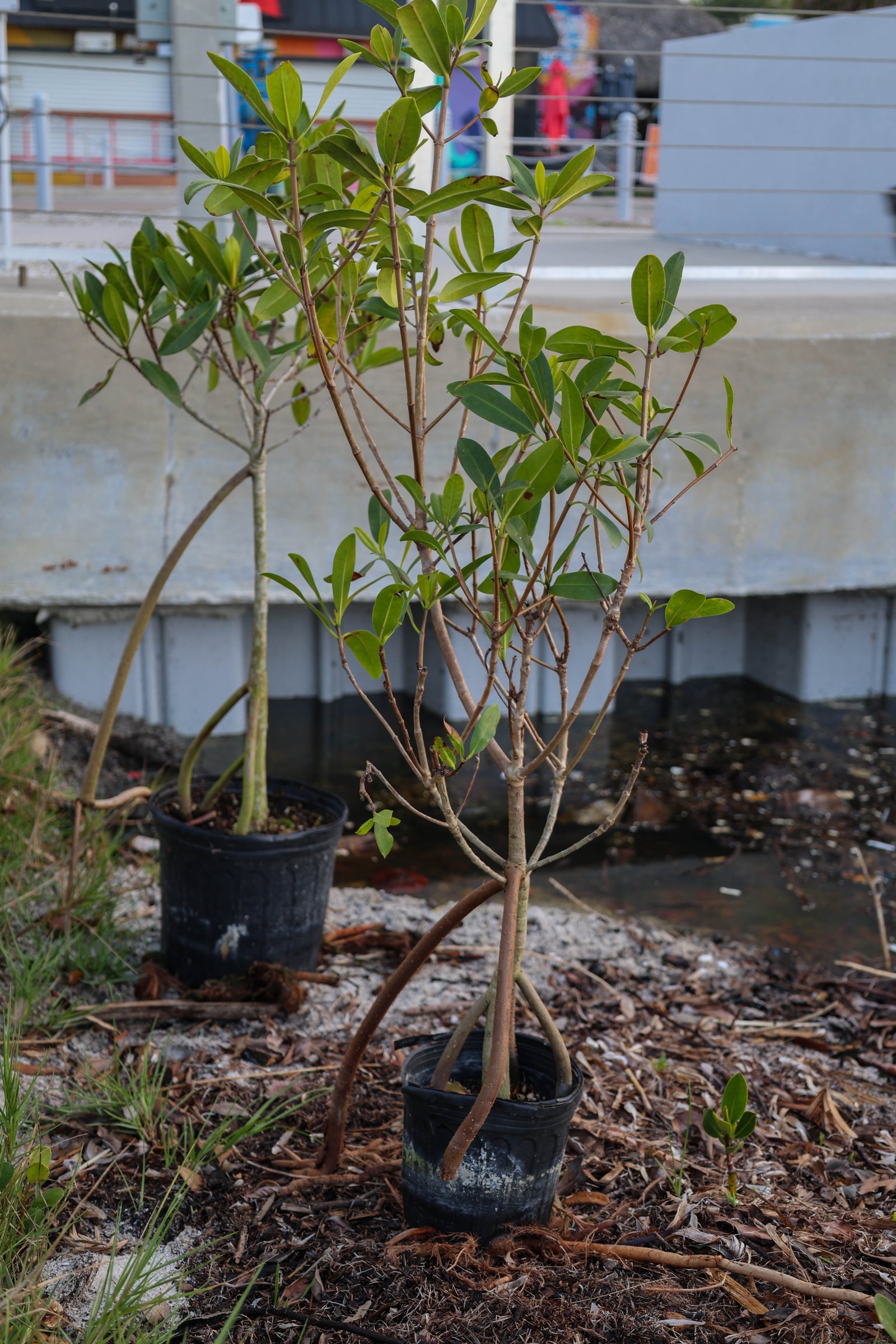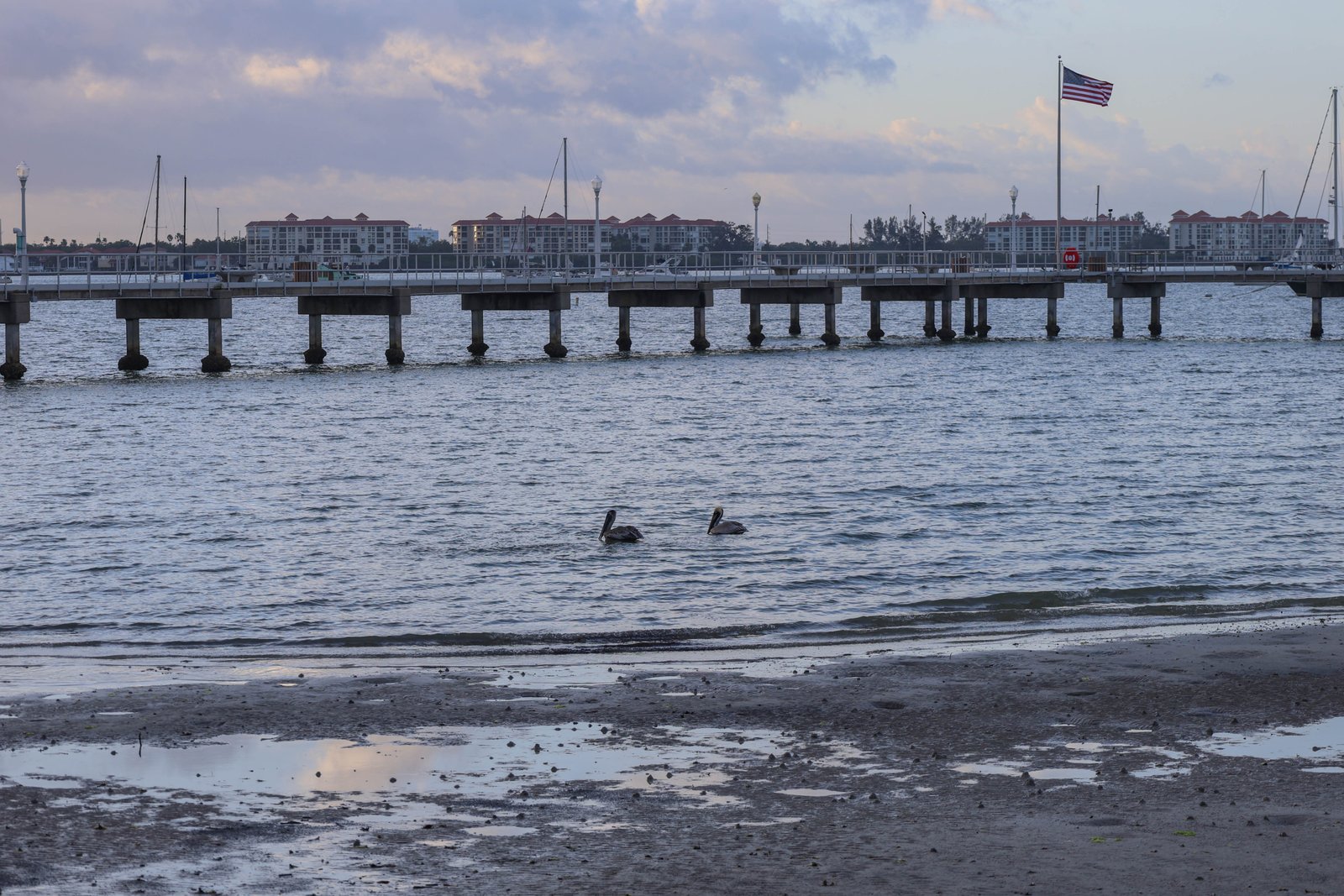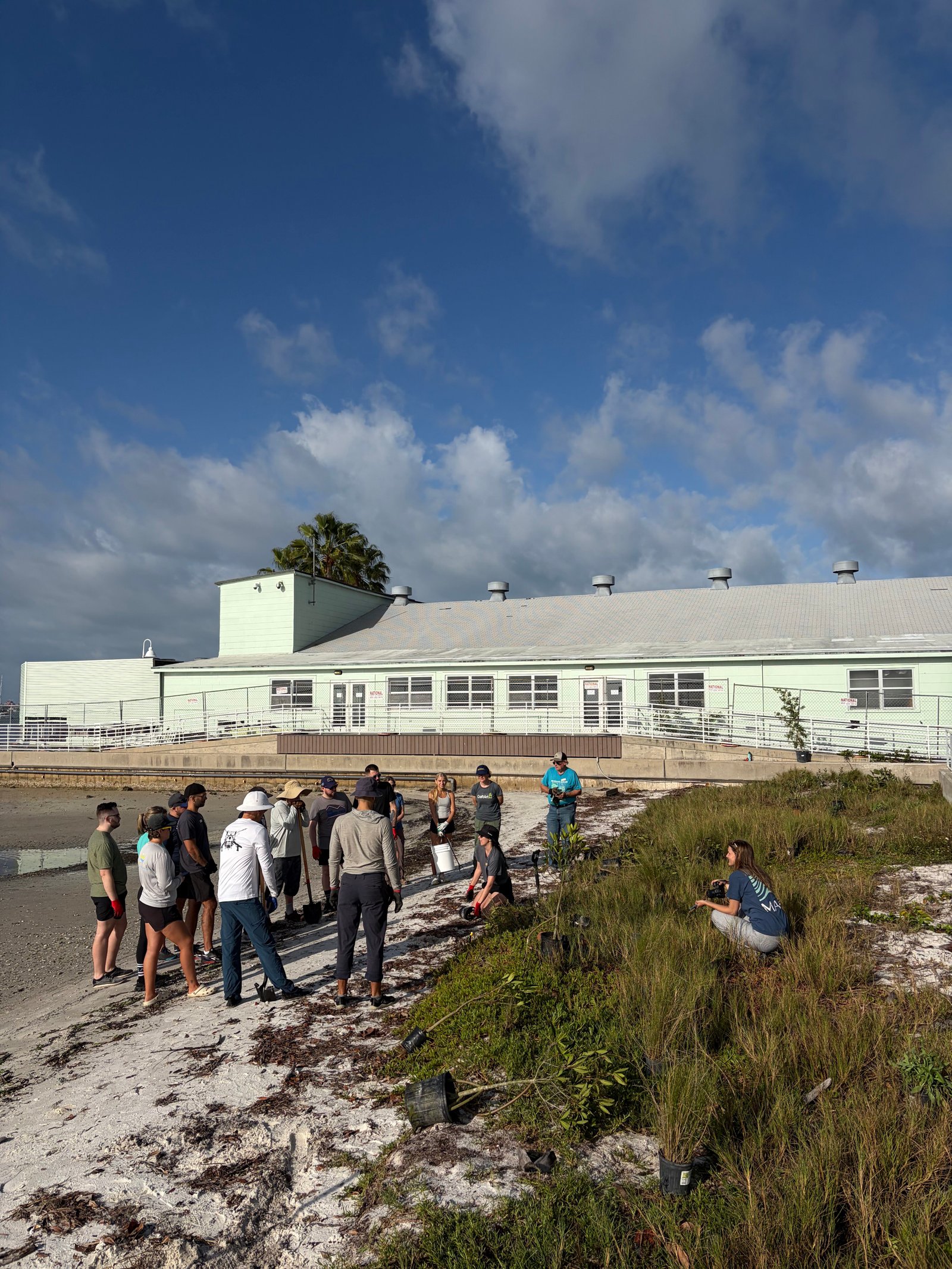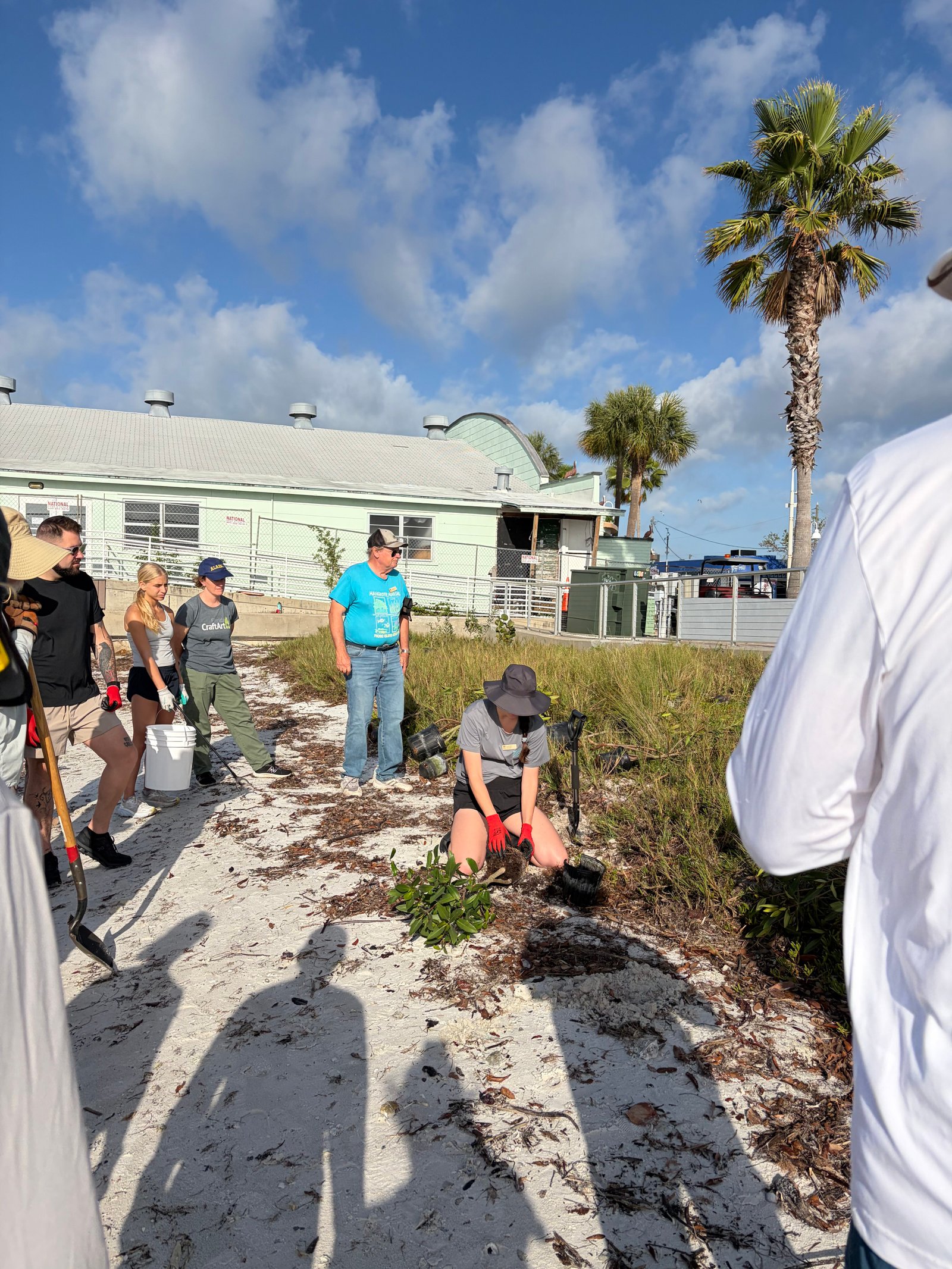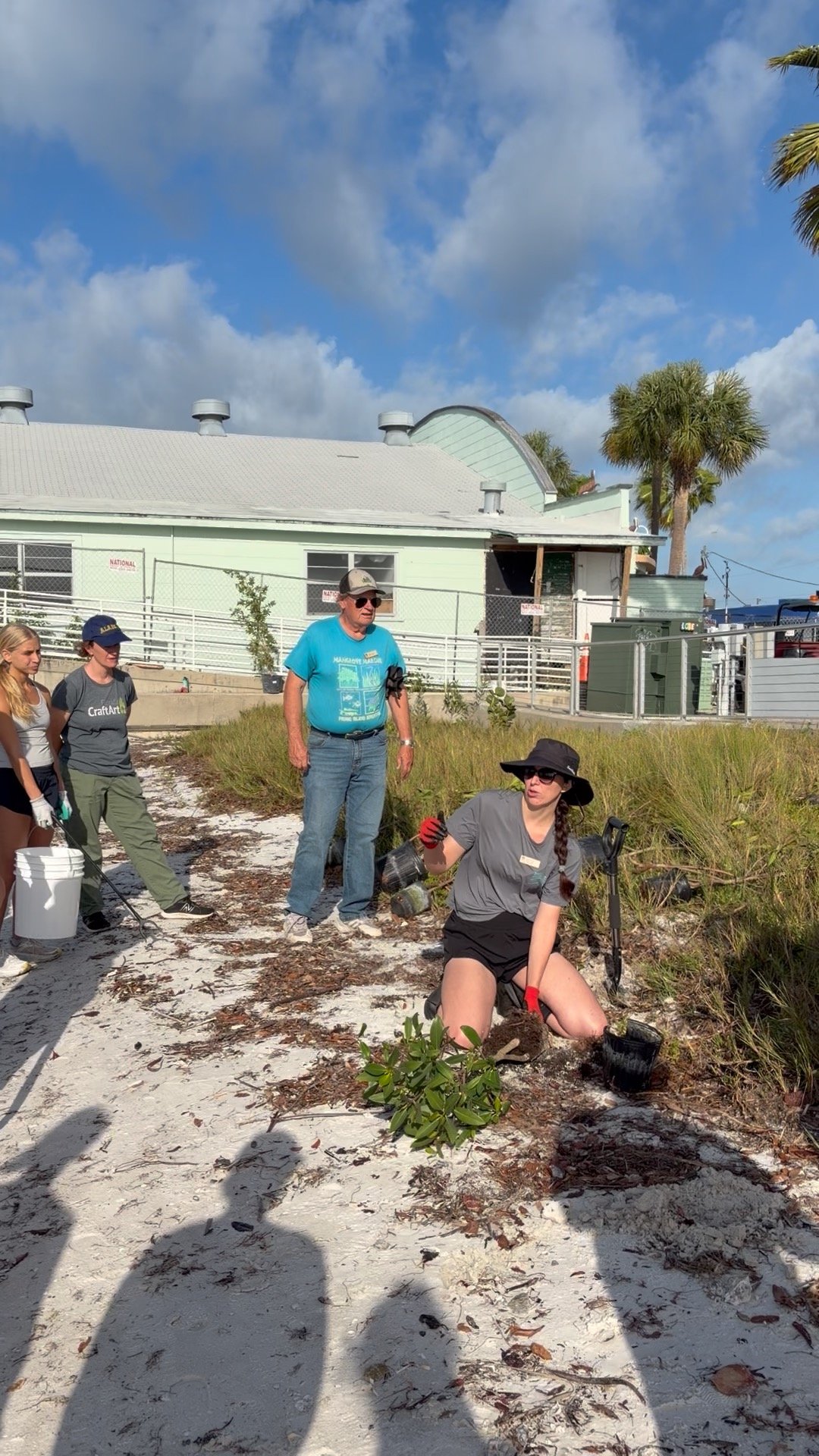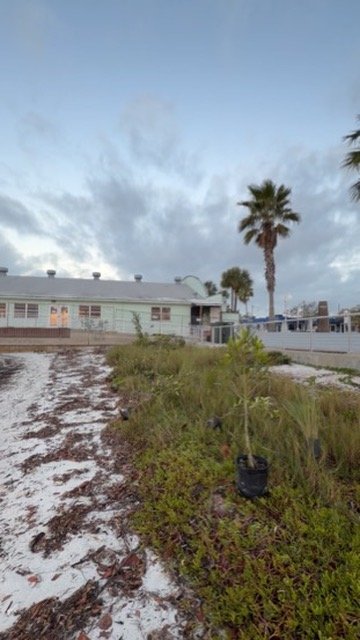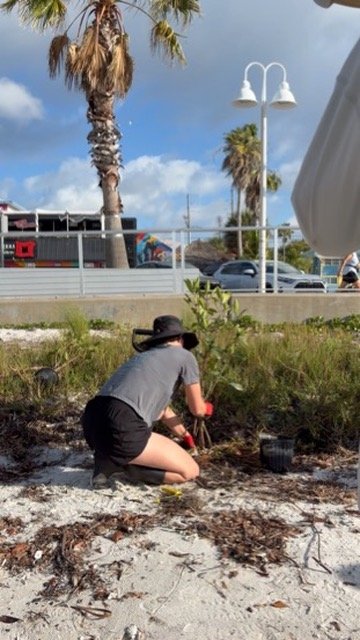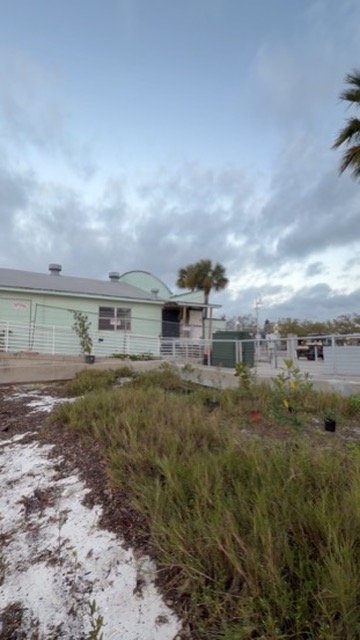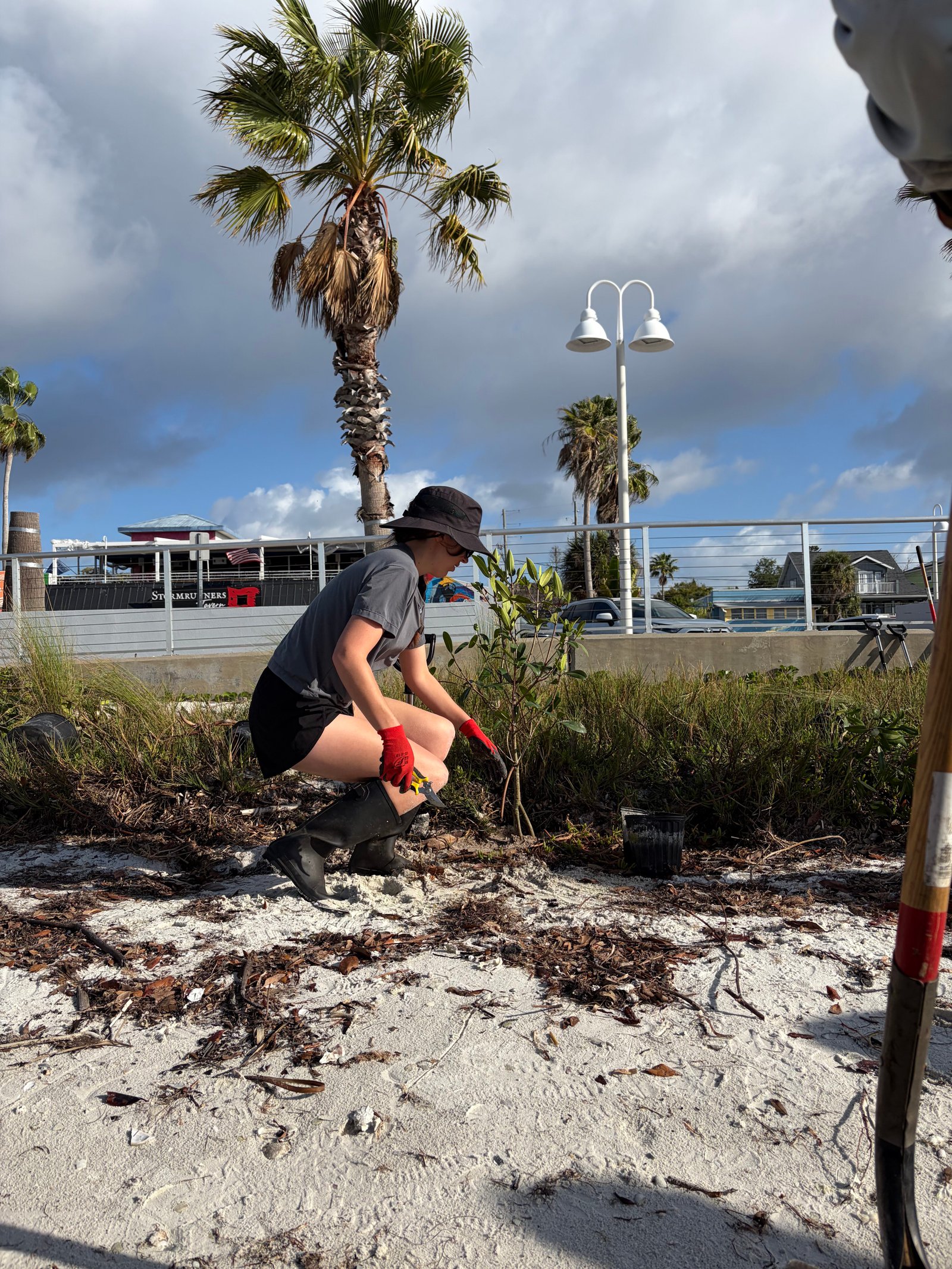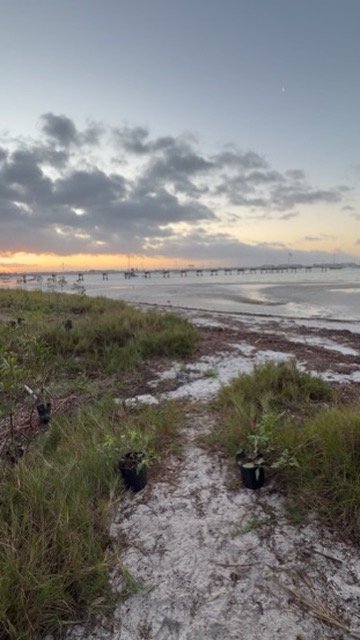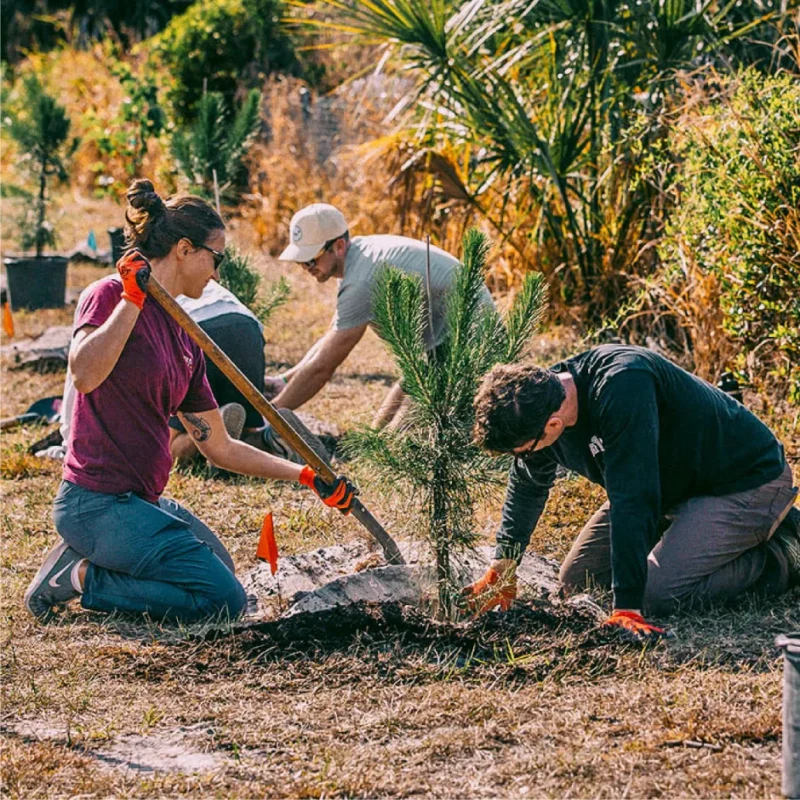

On Saturday March 14, MAR planted native coastal plants and trees, half of them being mangroves, in Gulfport, Florida. This planting was in partnership with the City of Gulfport, Eckerd College, and Ecosphere Restoration Institute.
Planting Day Recap
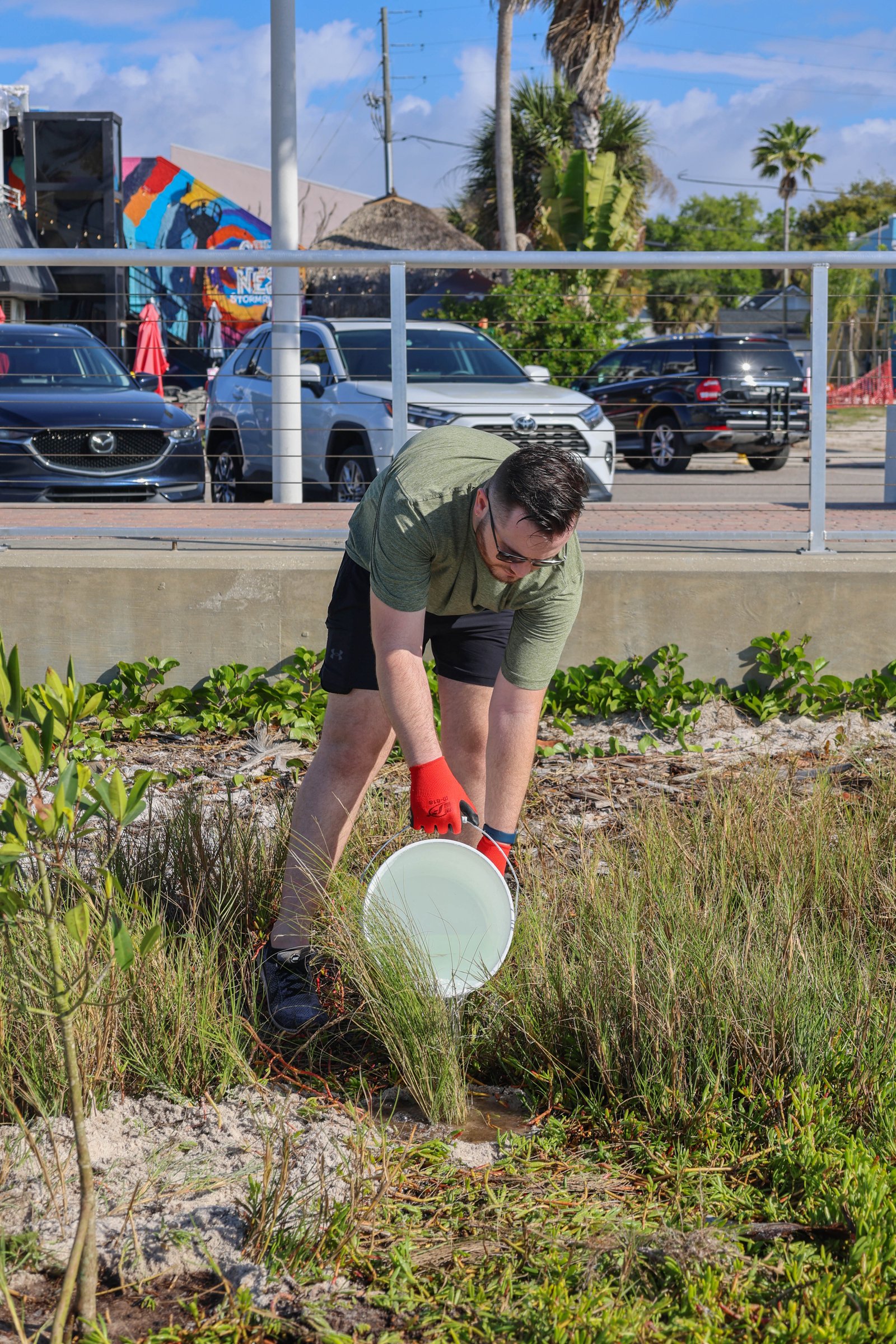
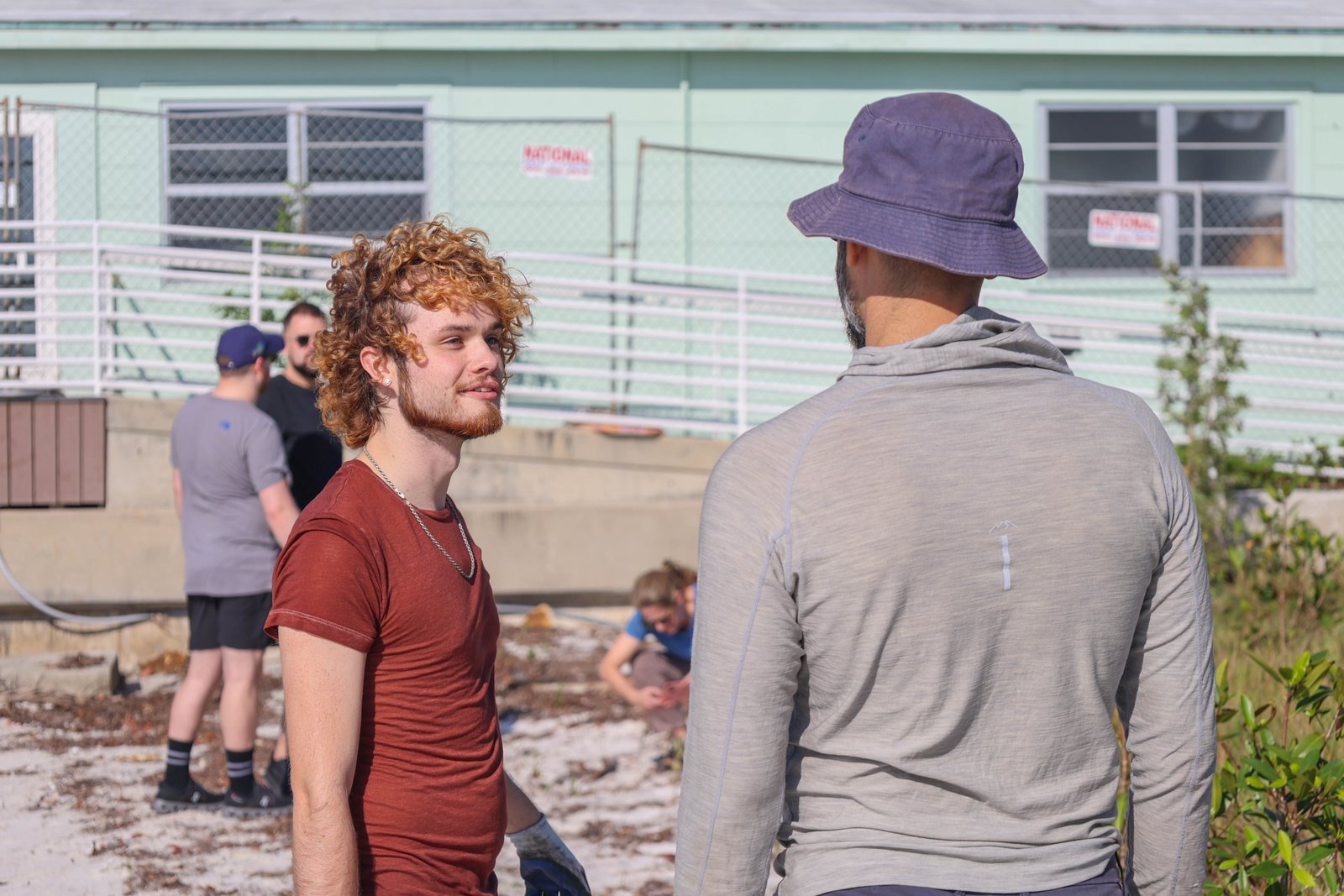
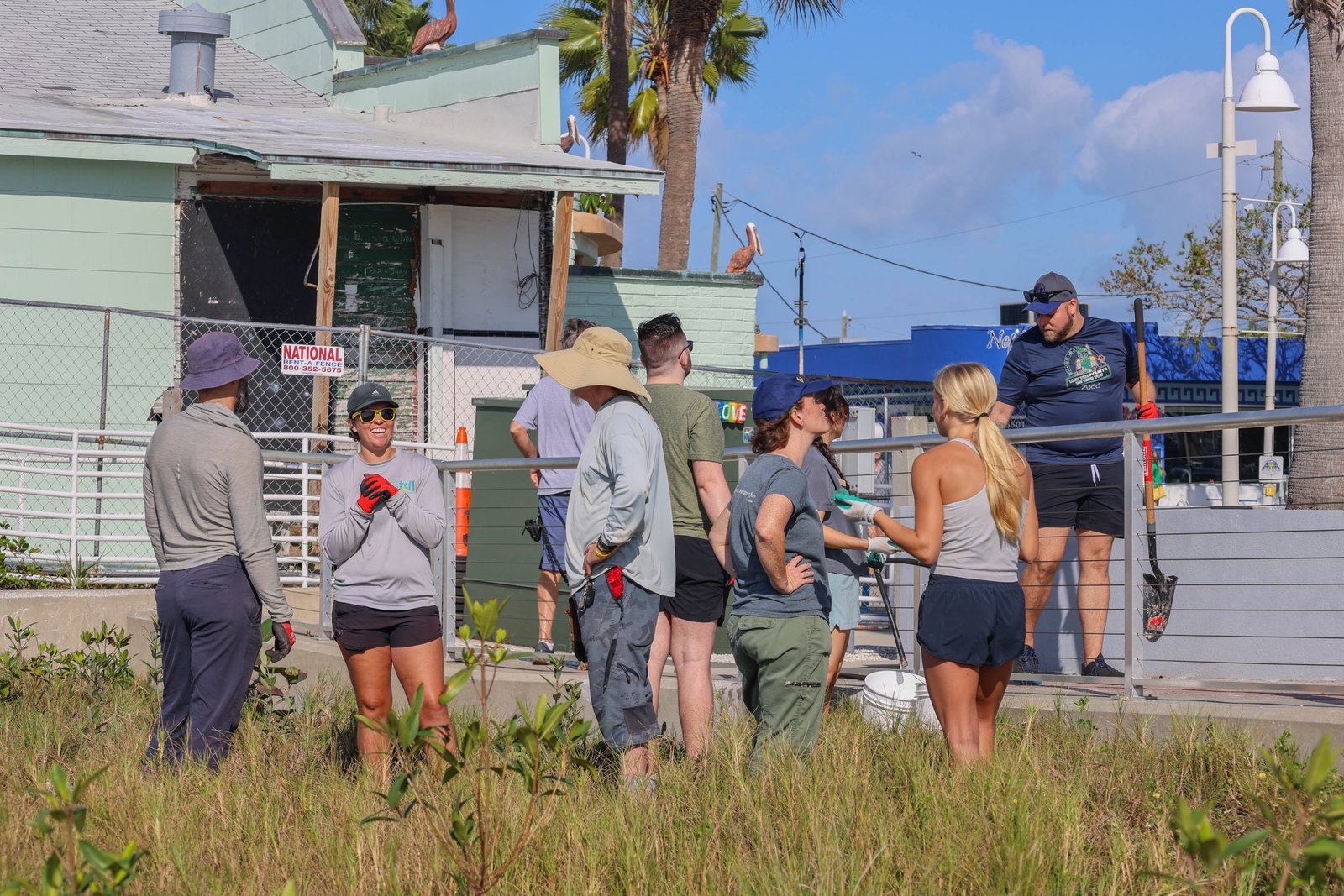
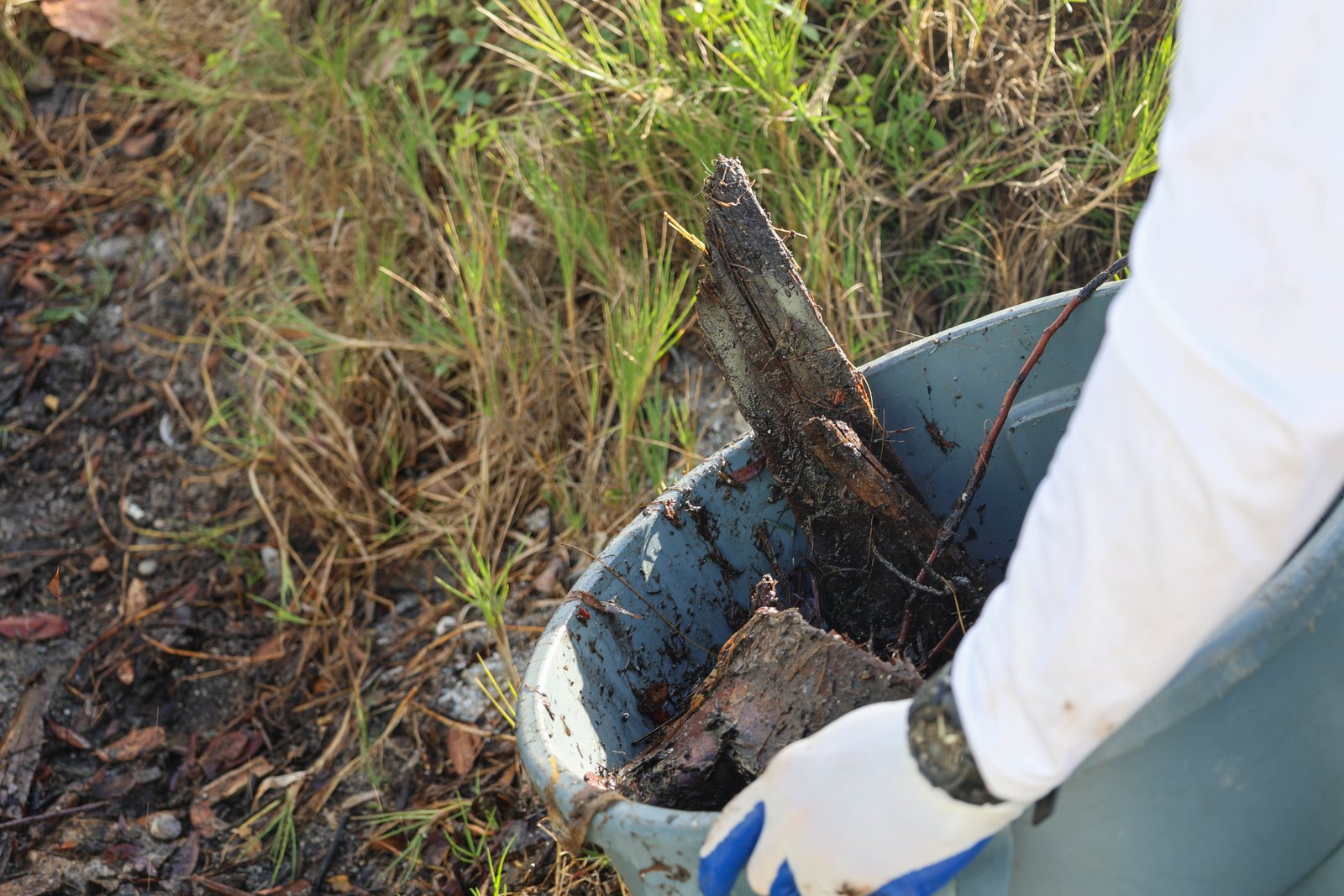
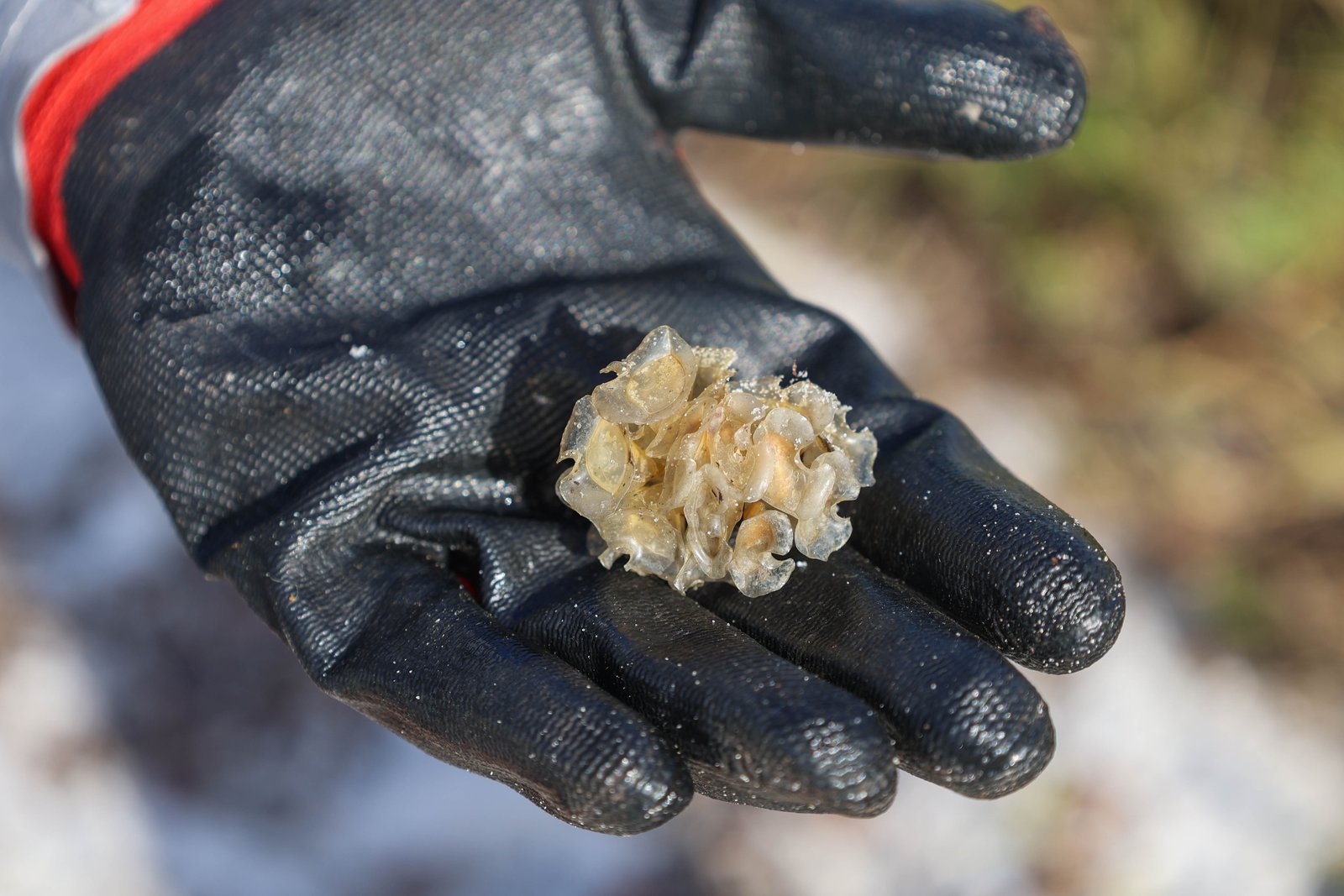
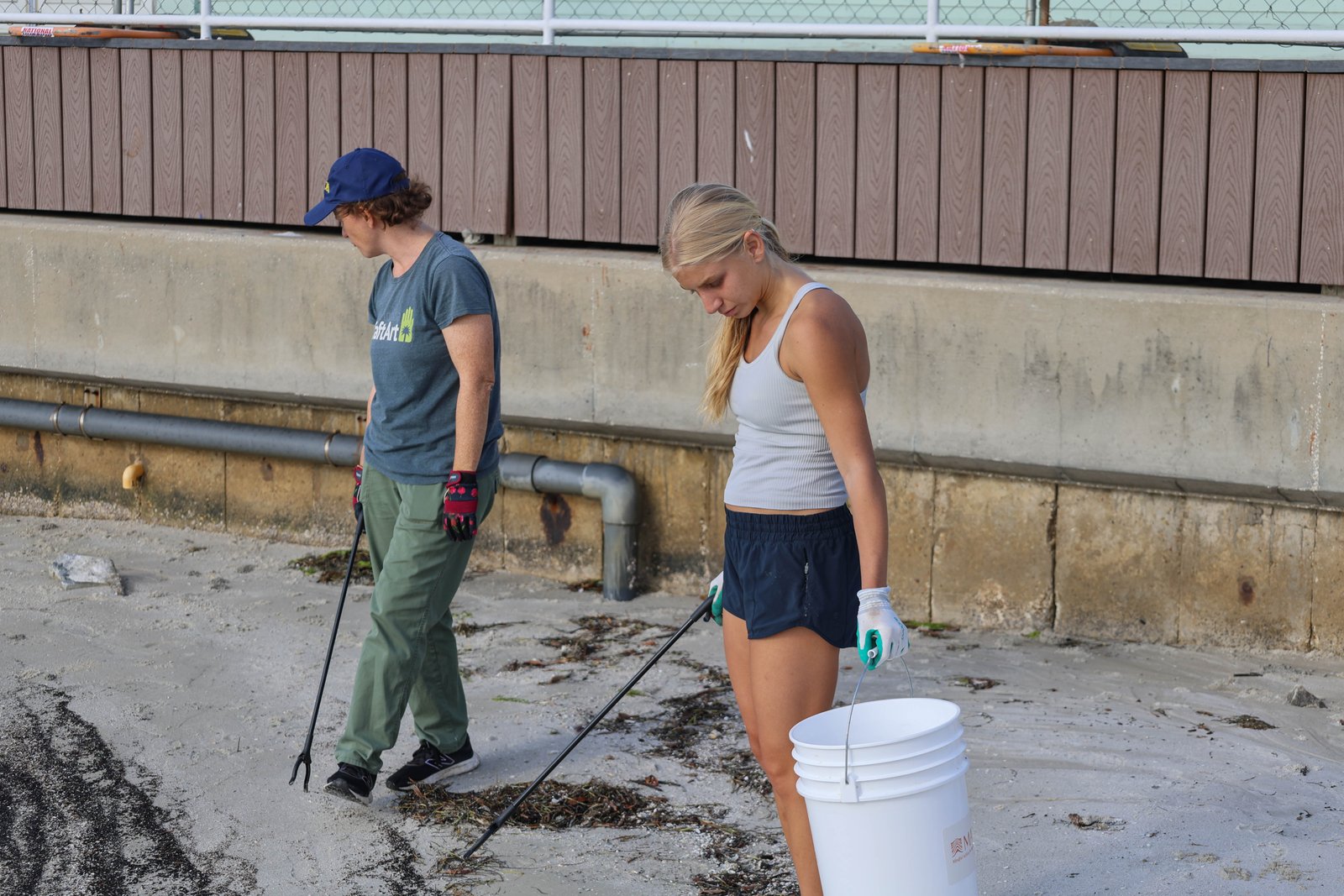
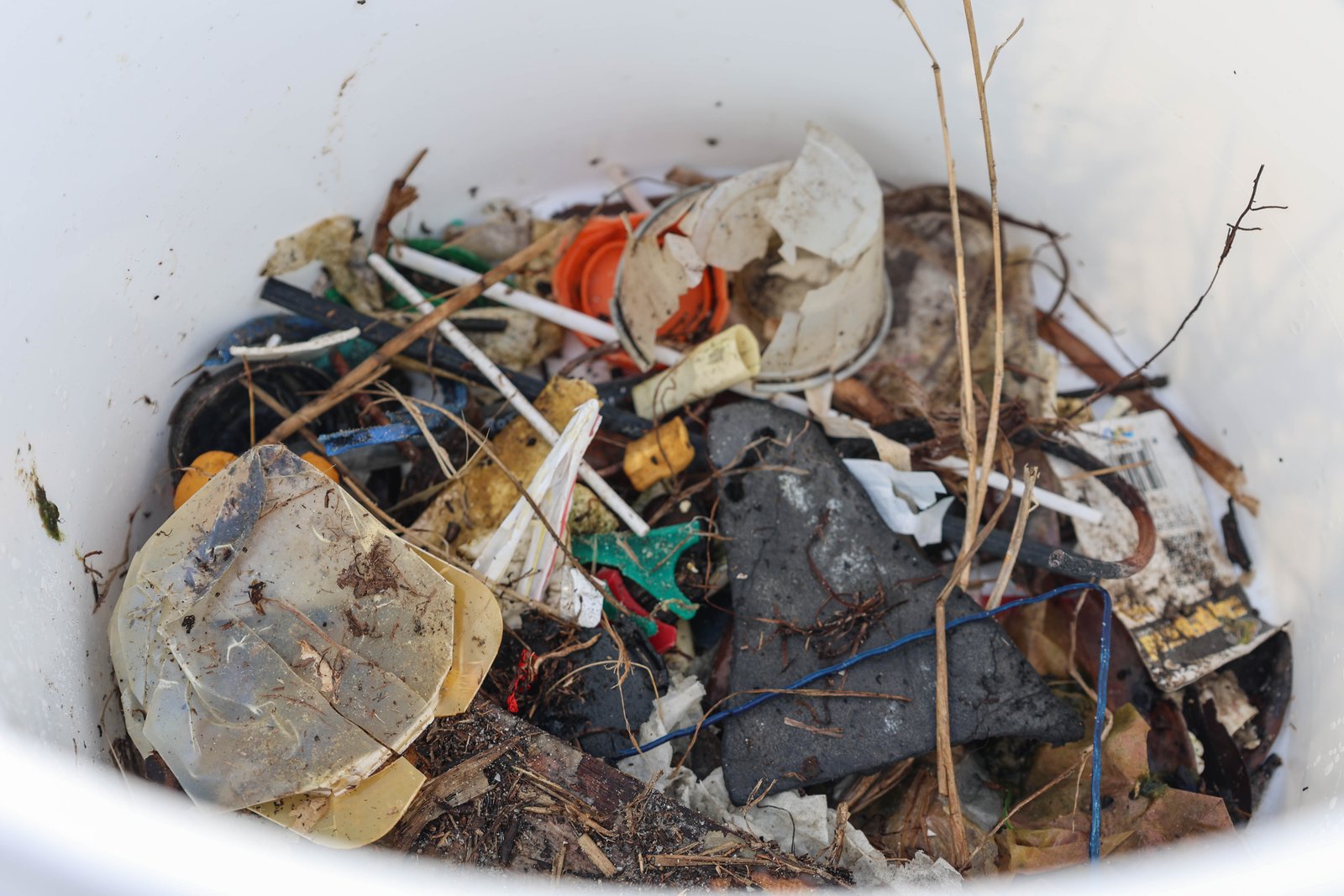
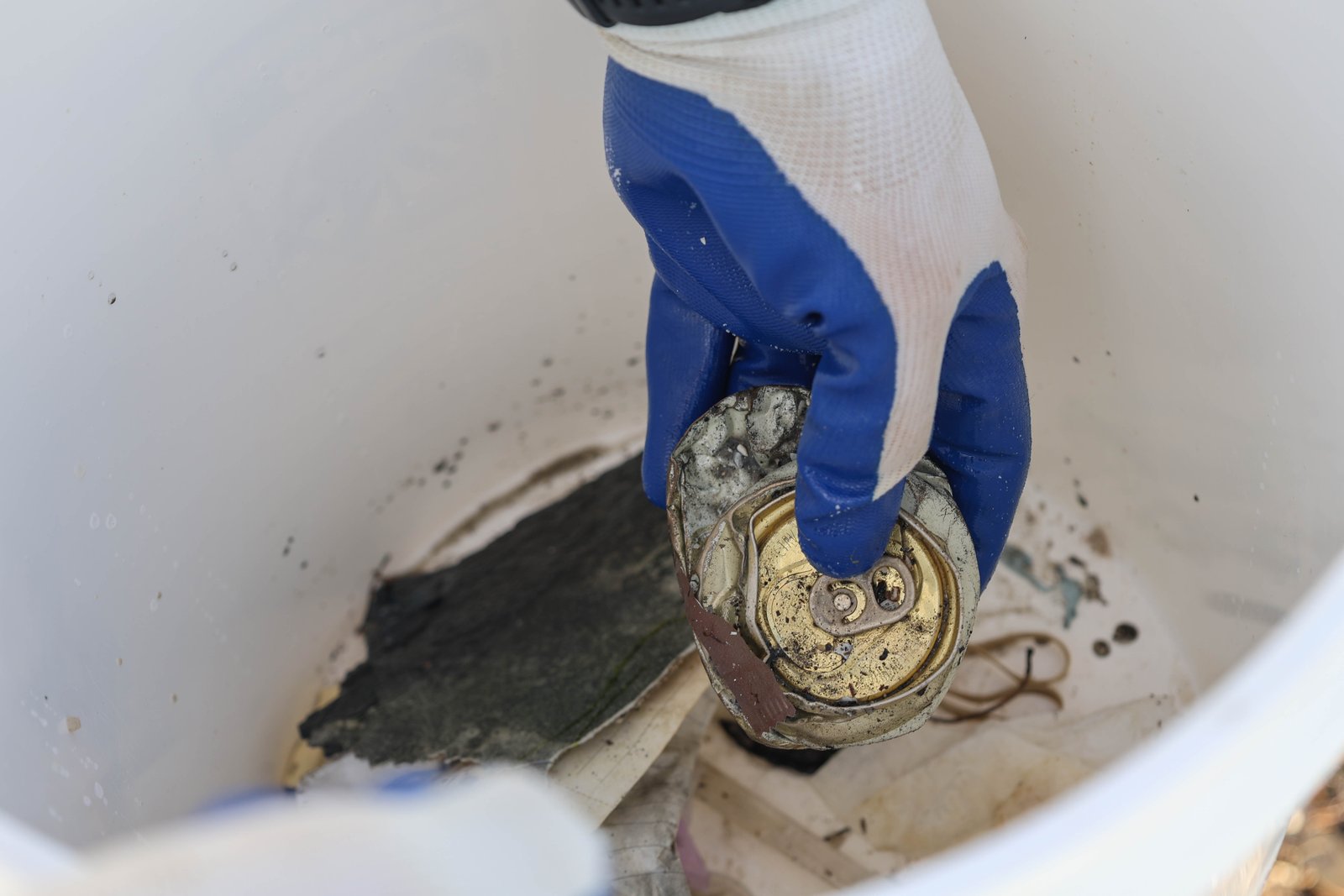
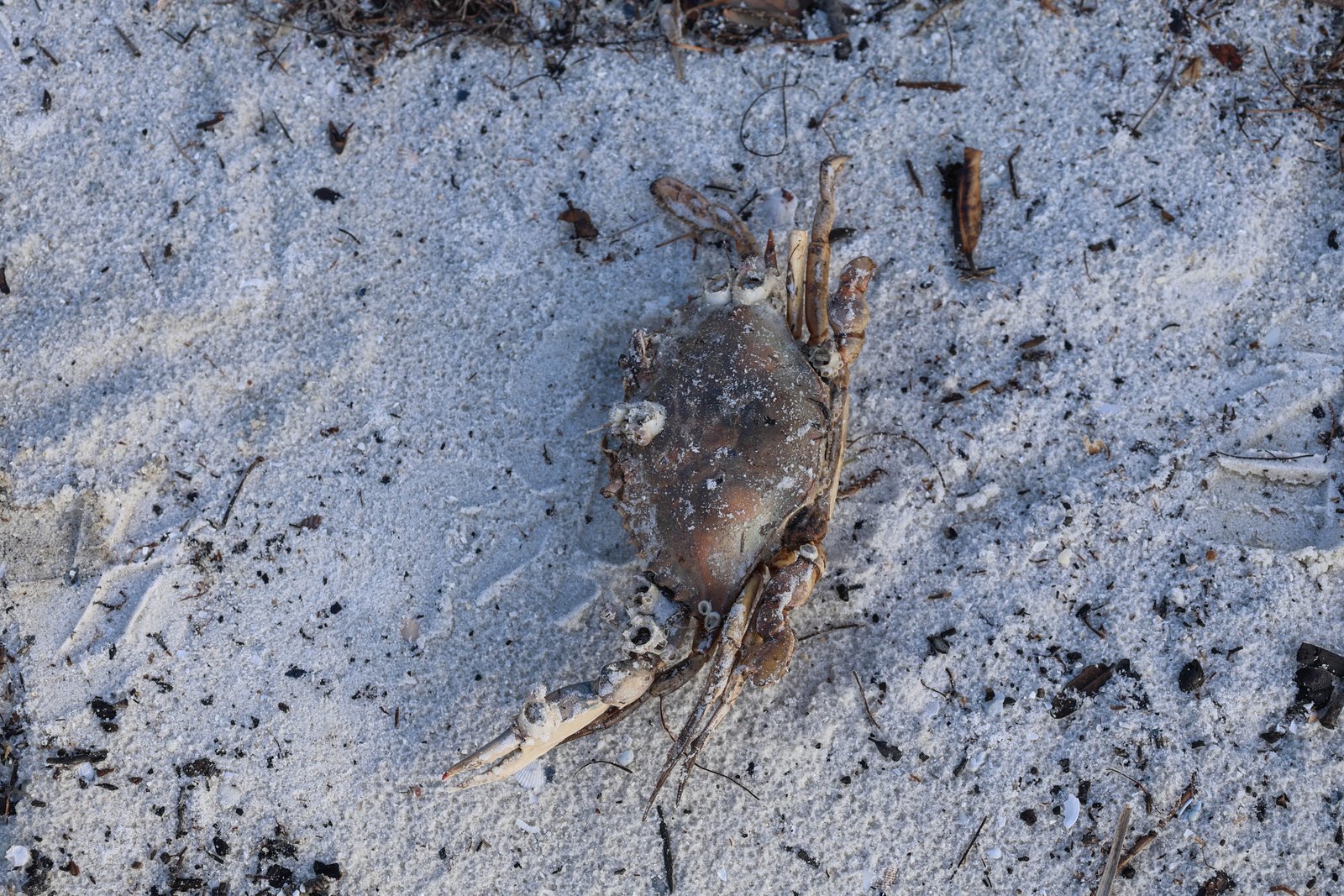
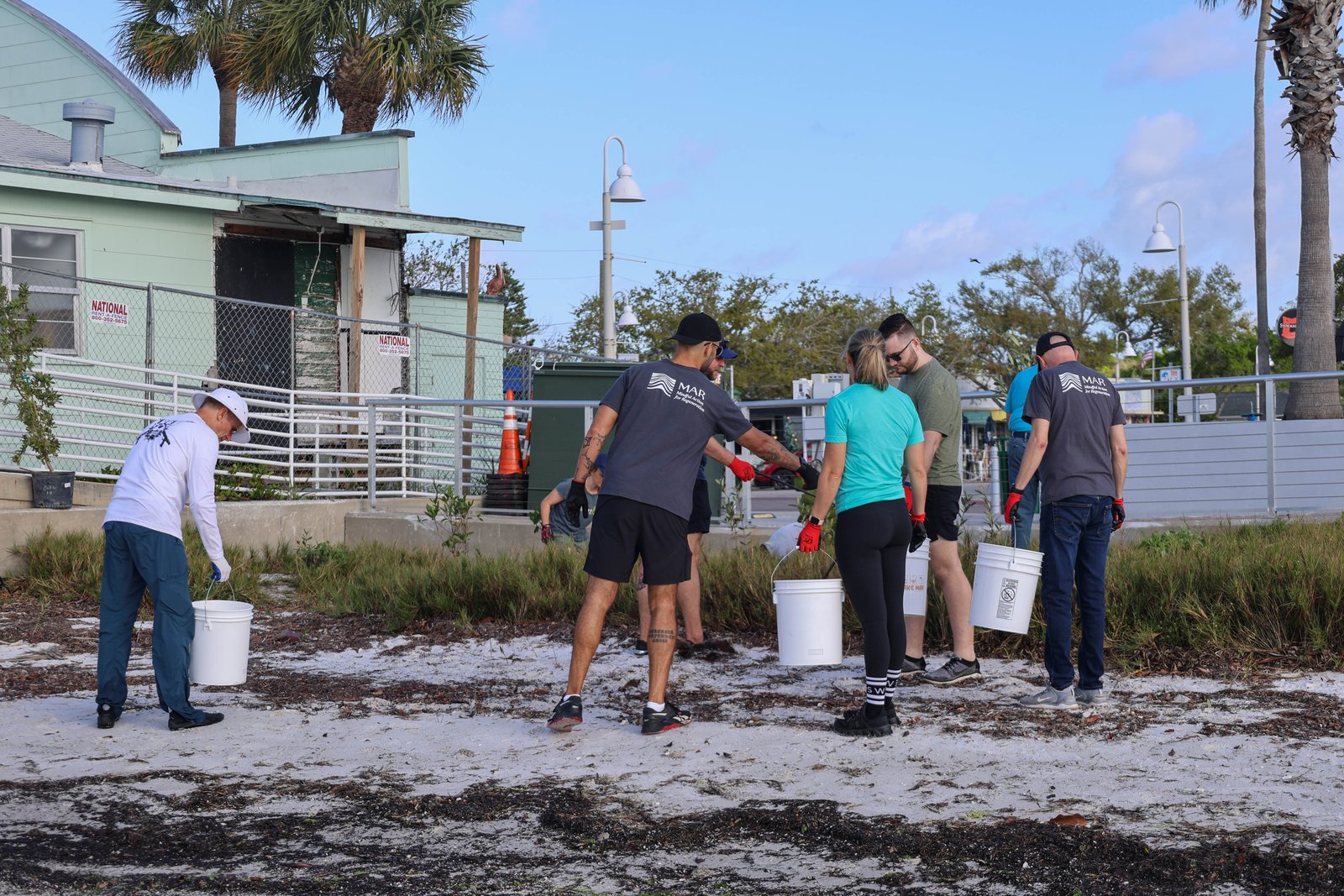
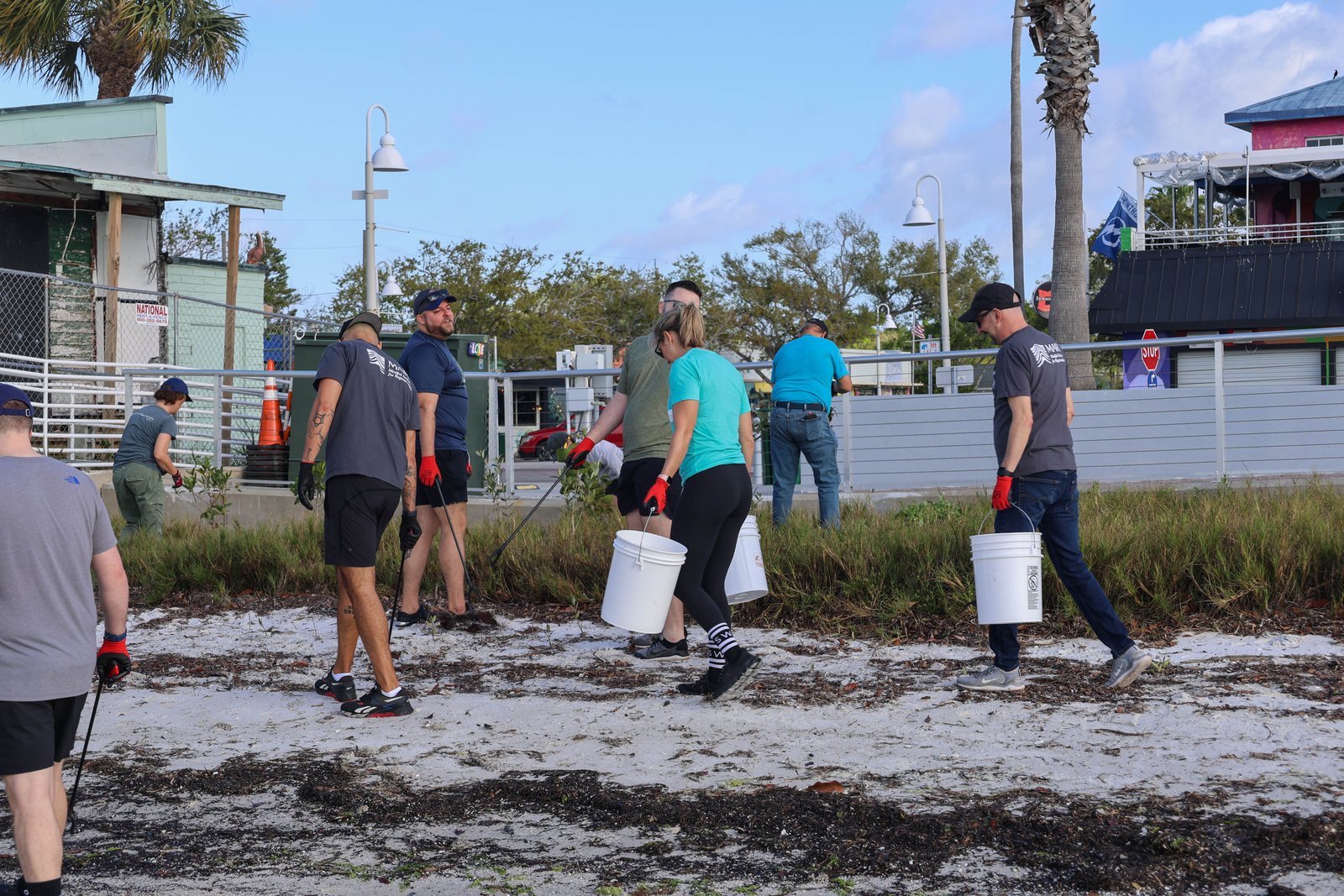
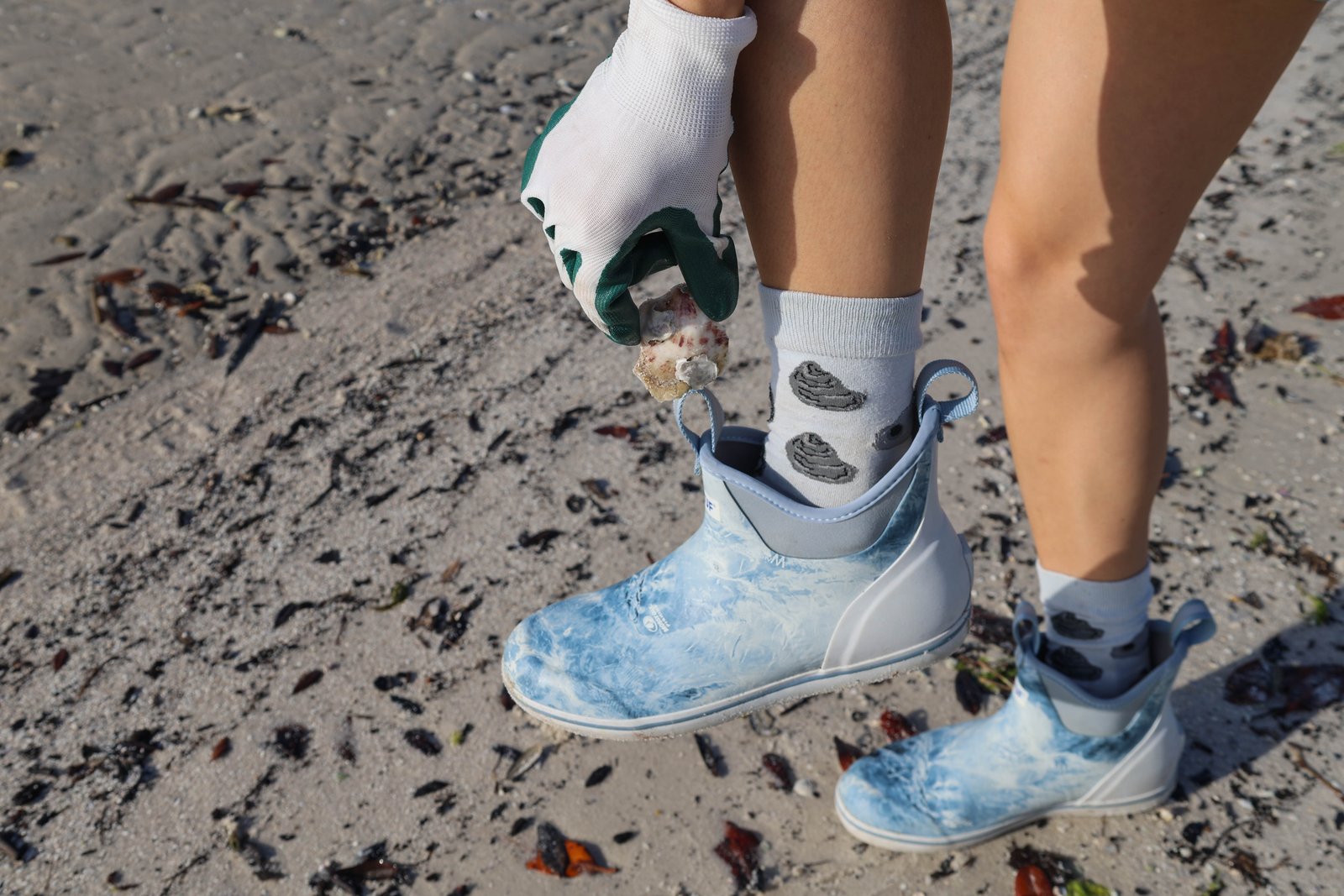
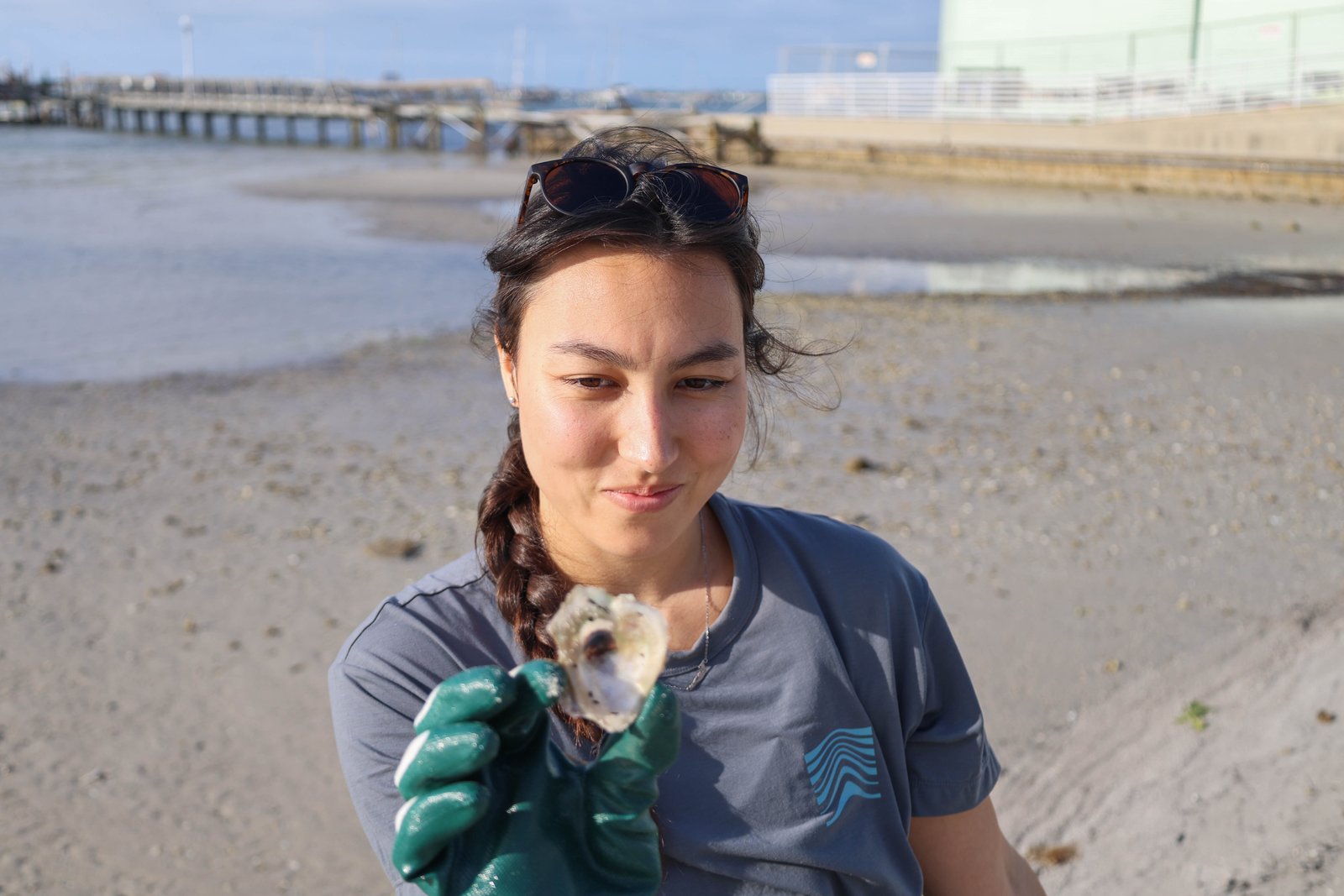
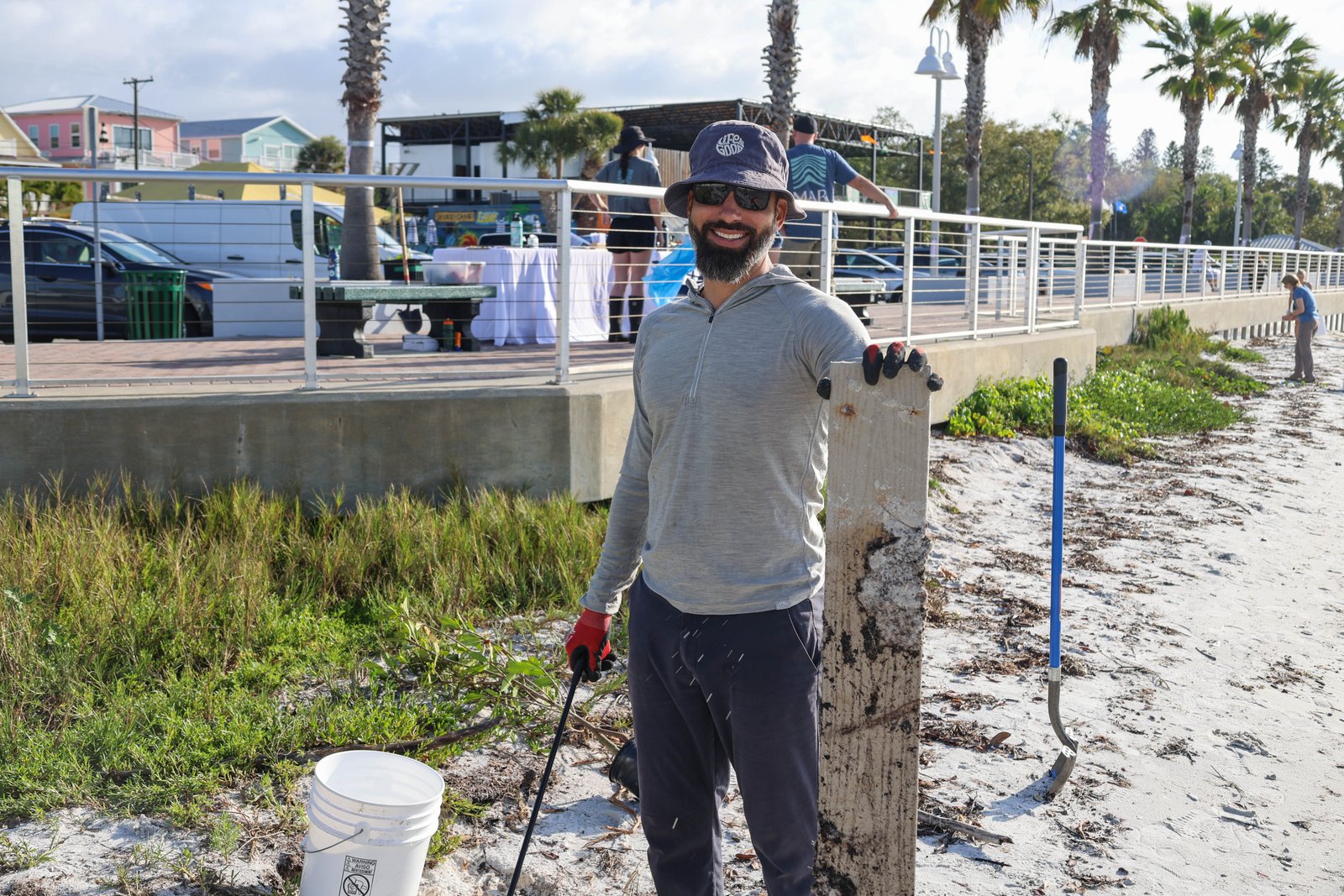
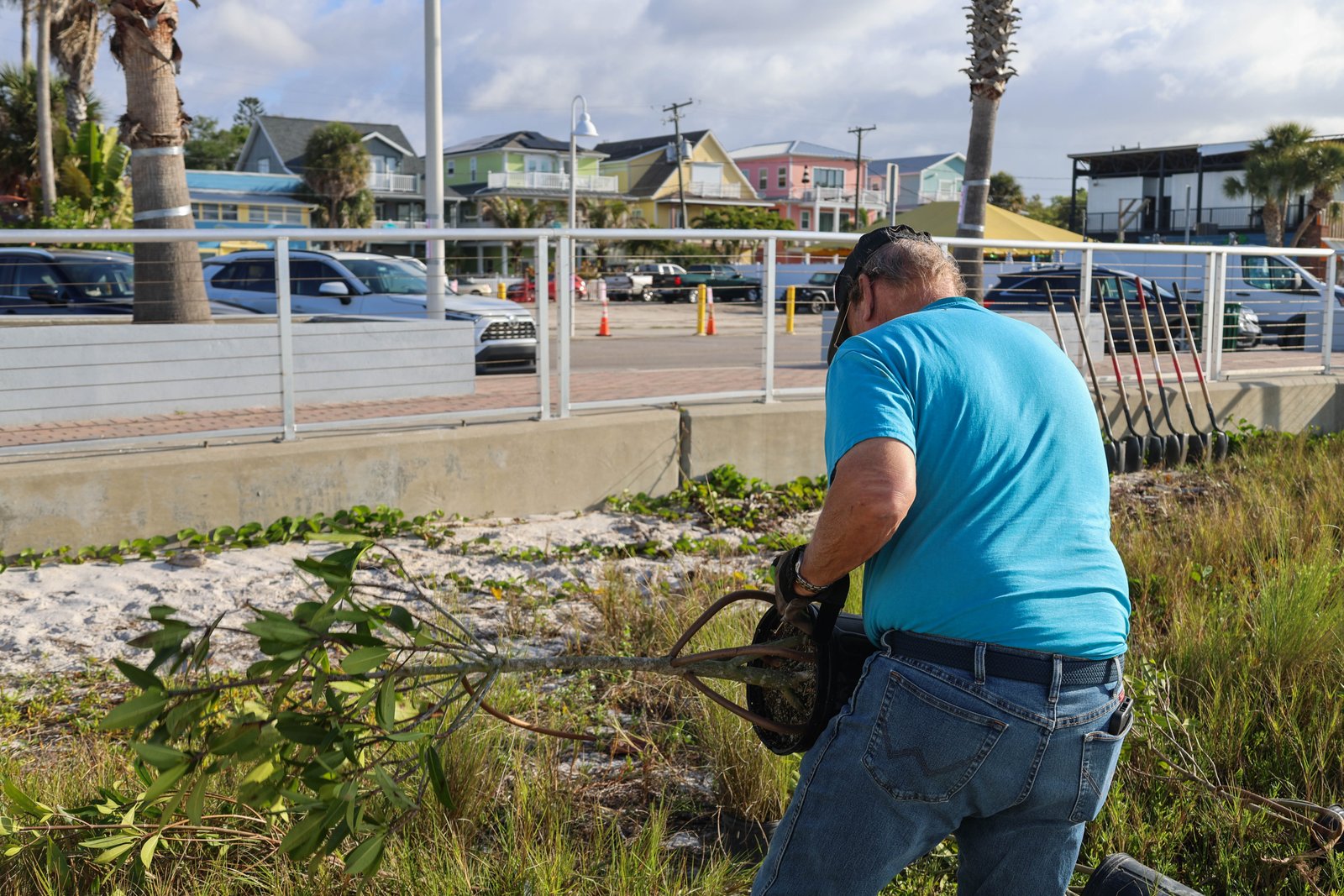
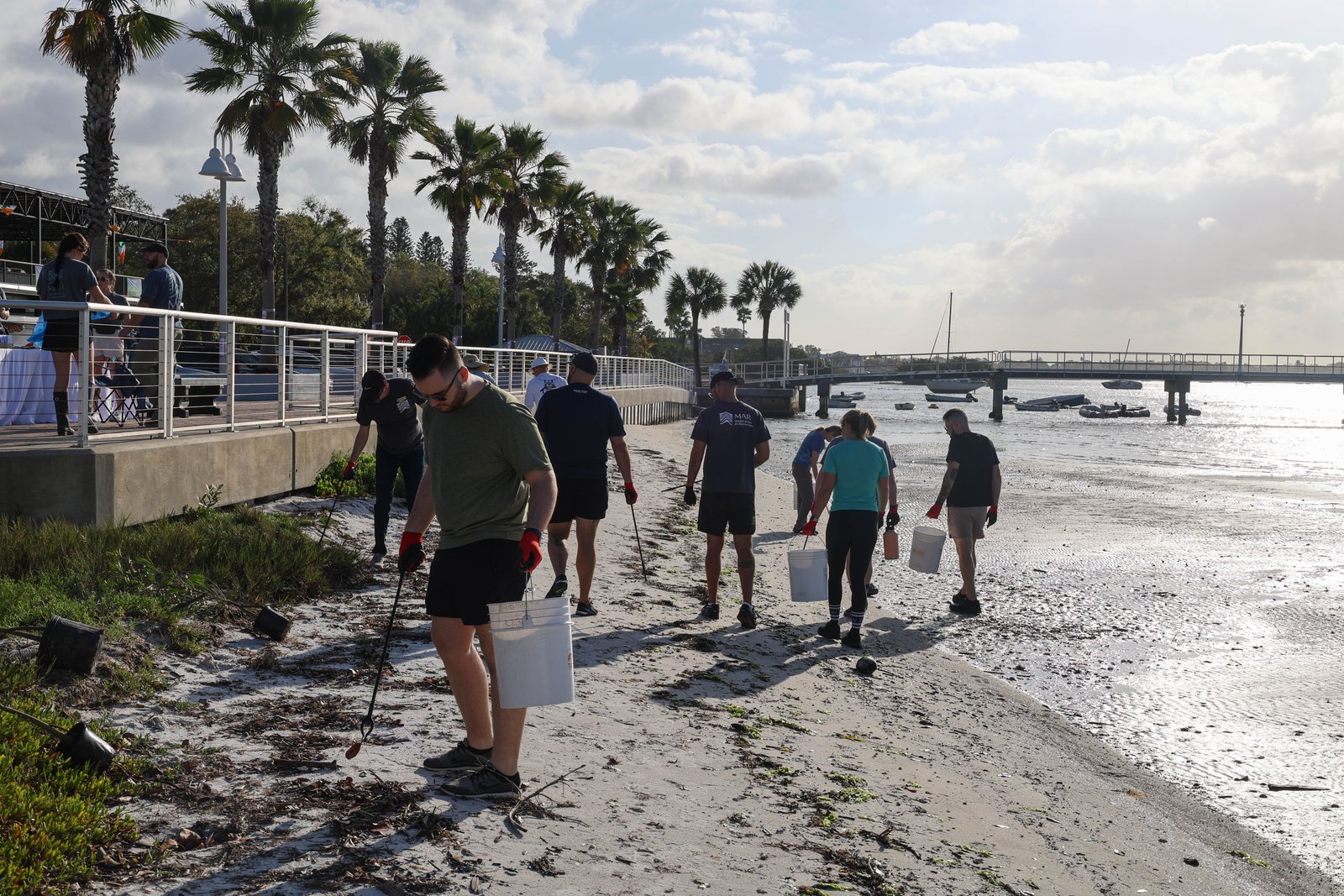
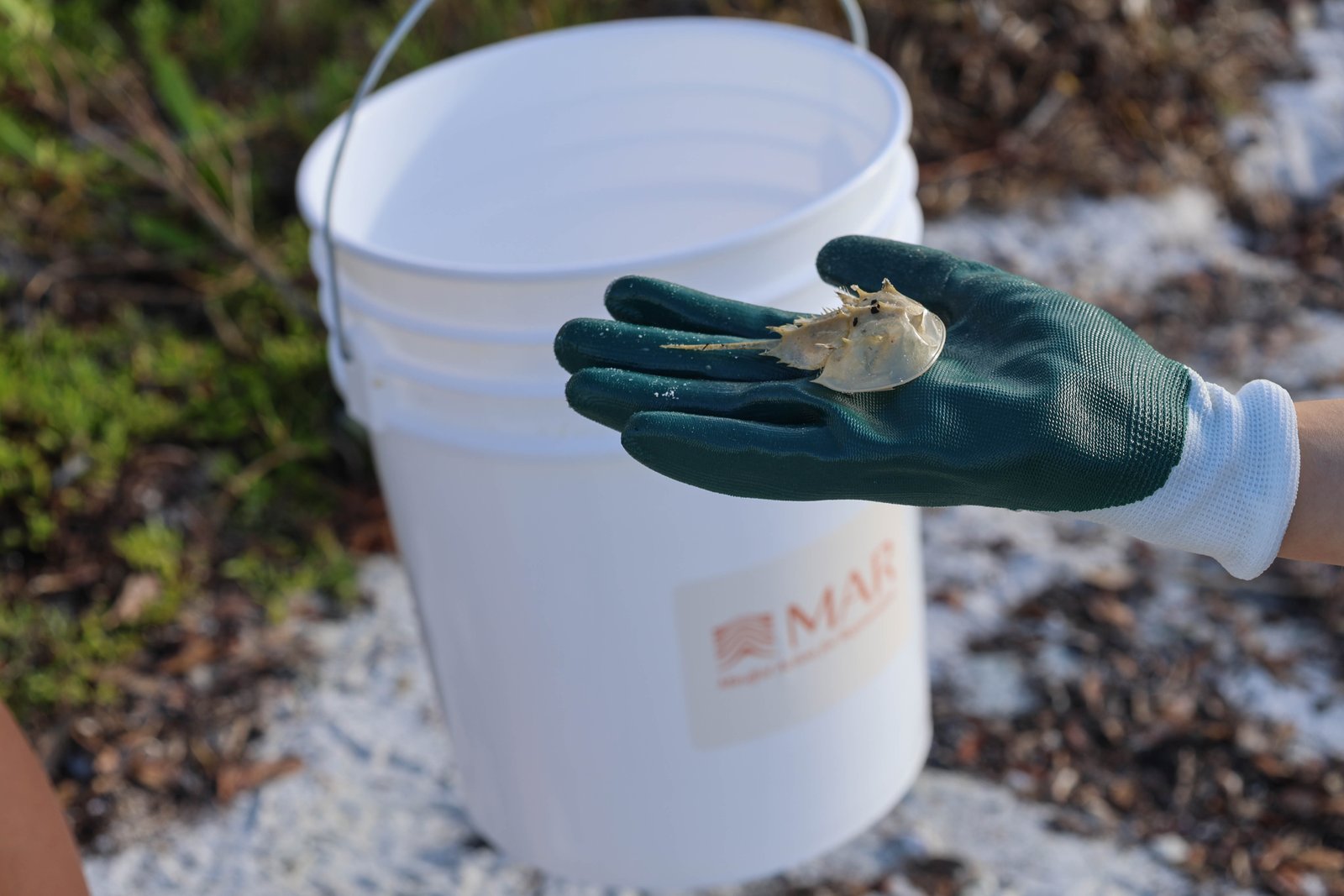
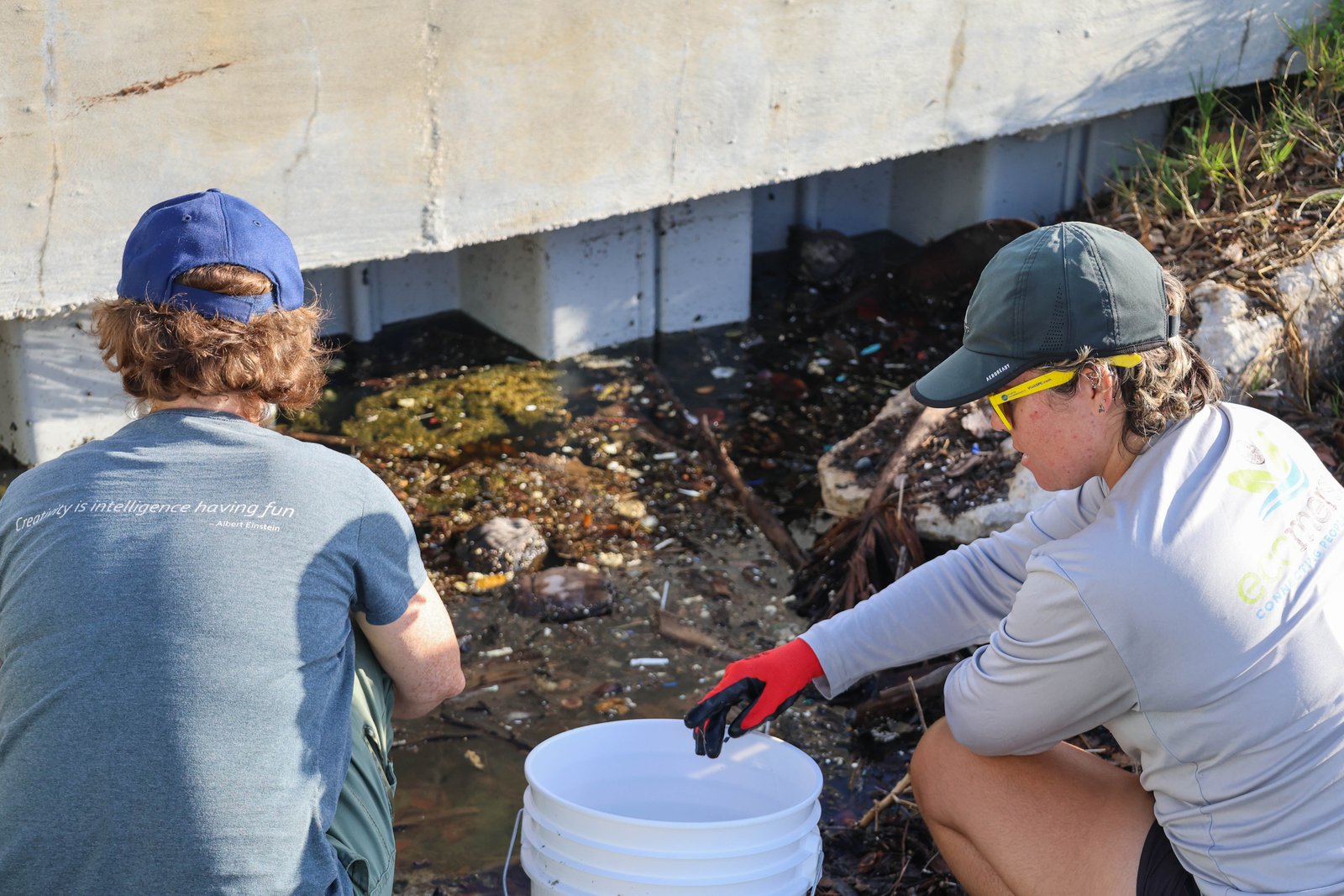
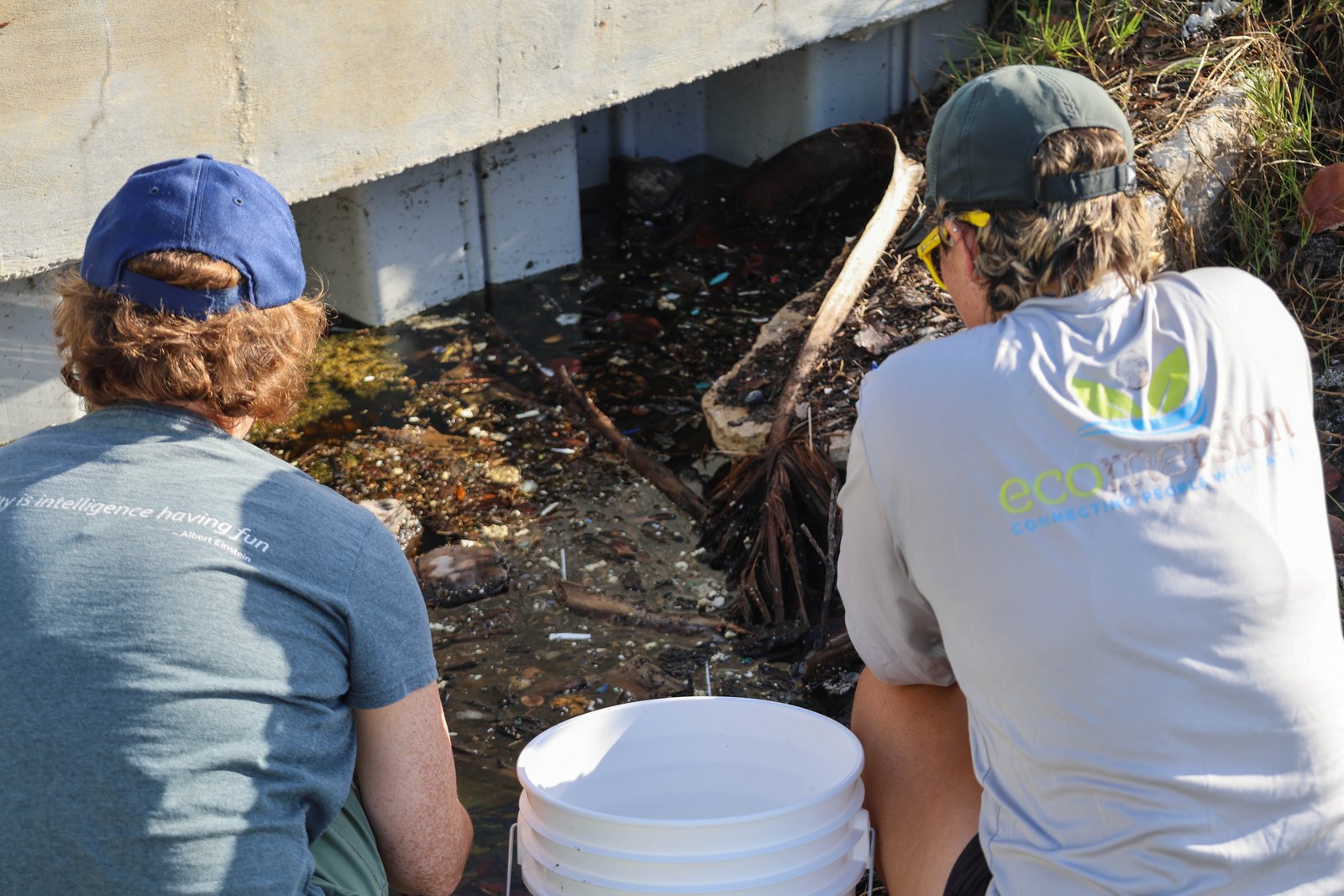
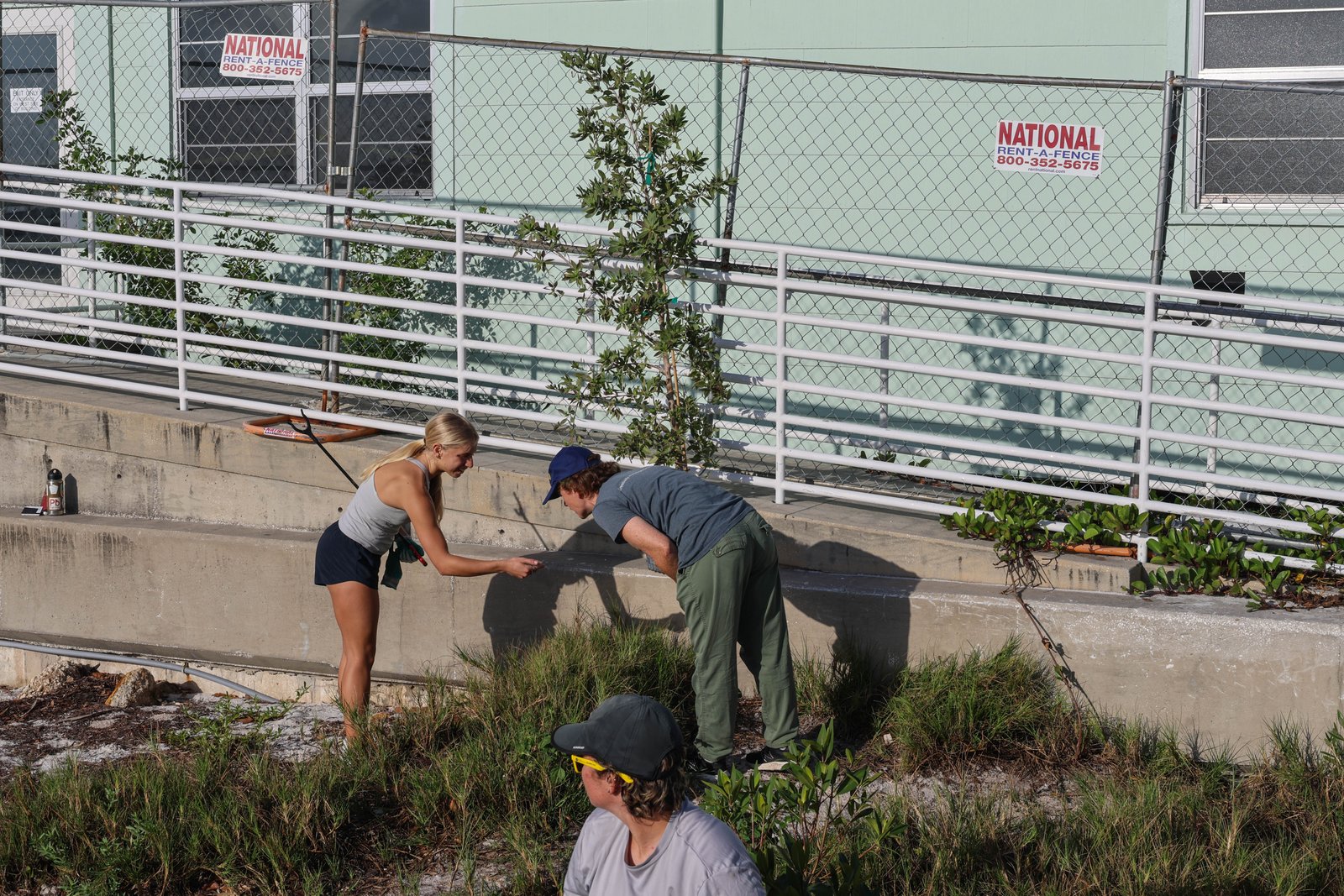
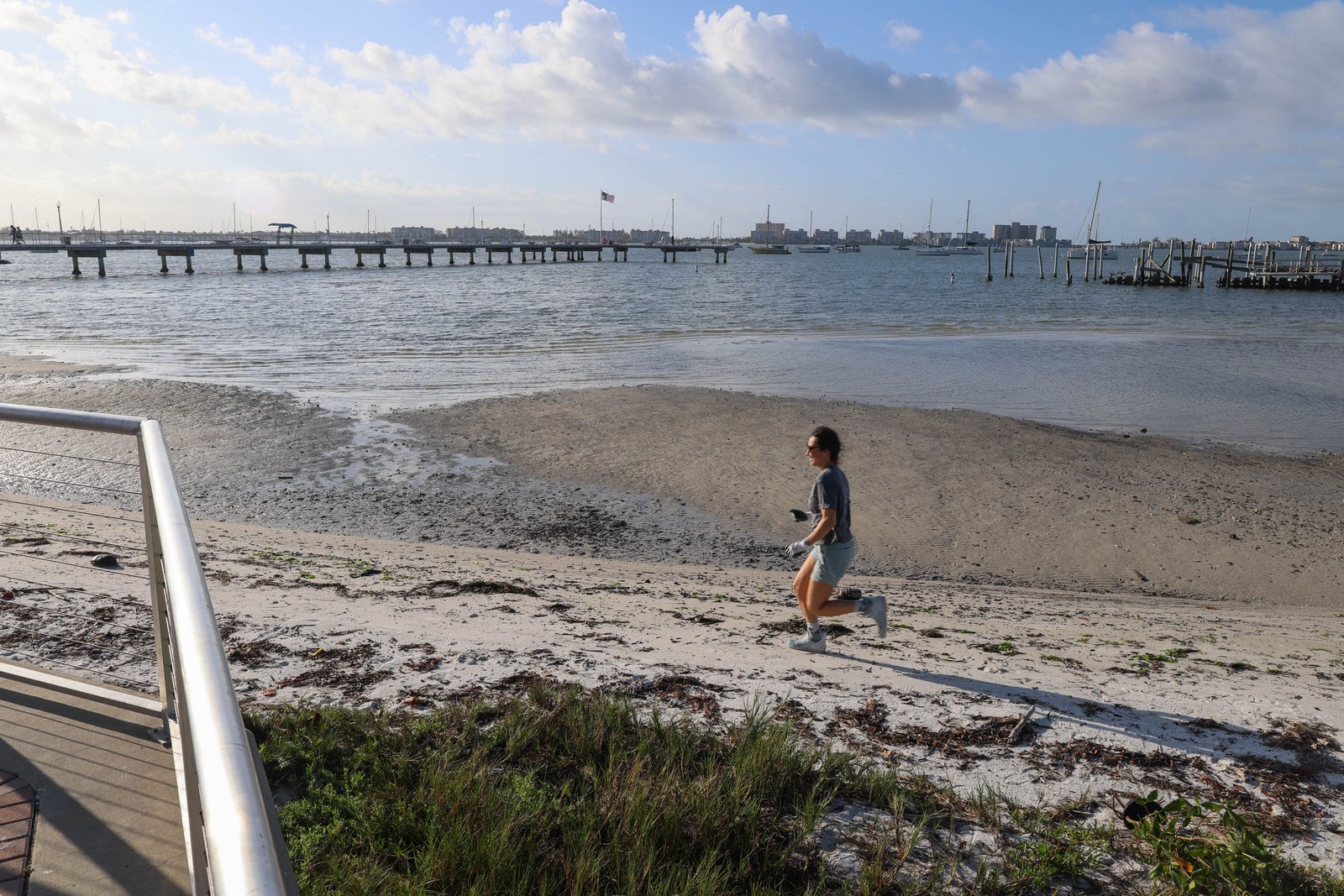
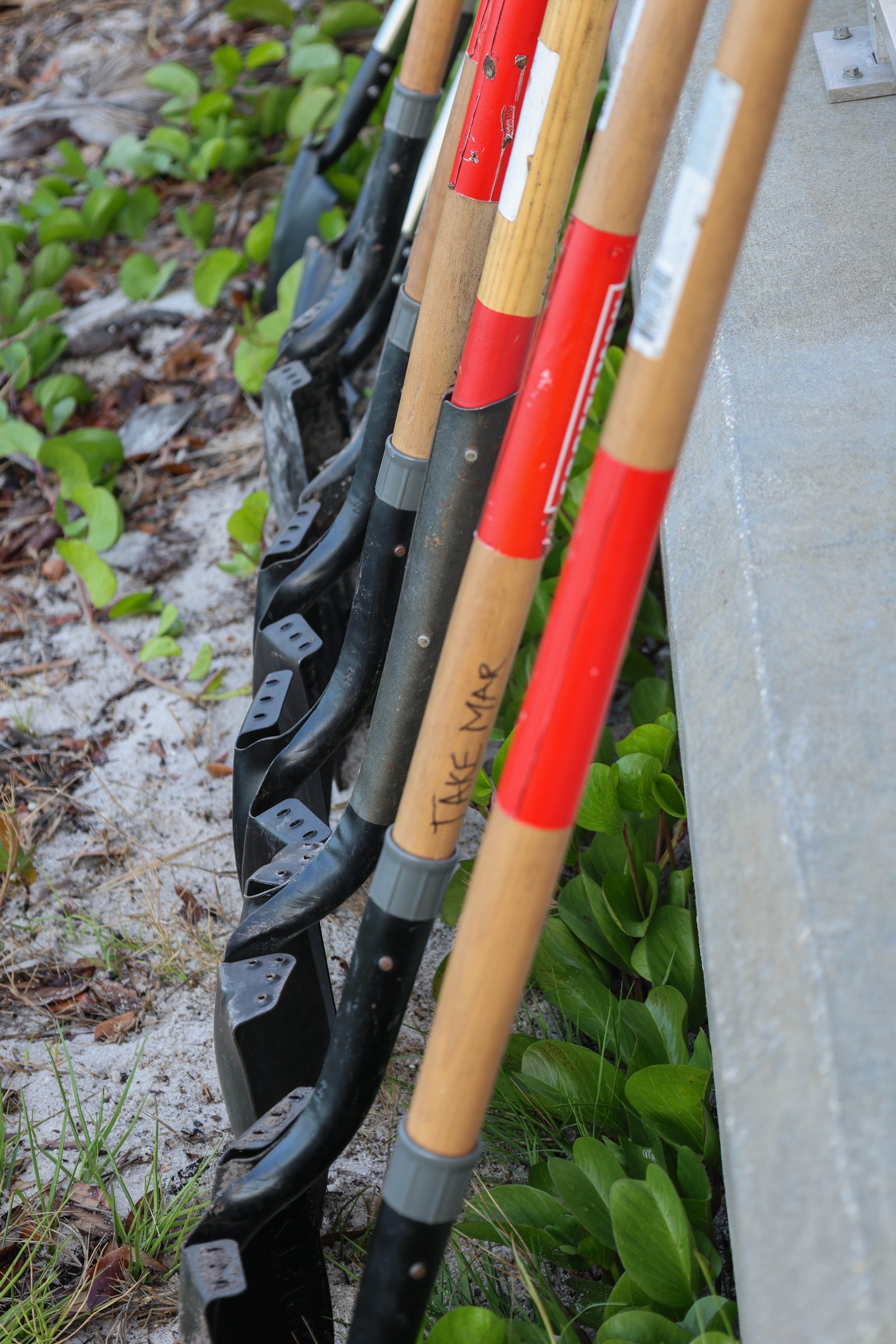
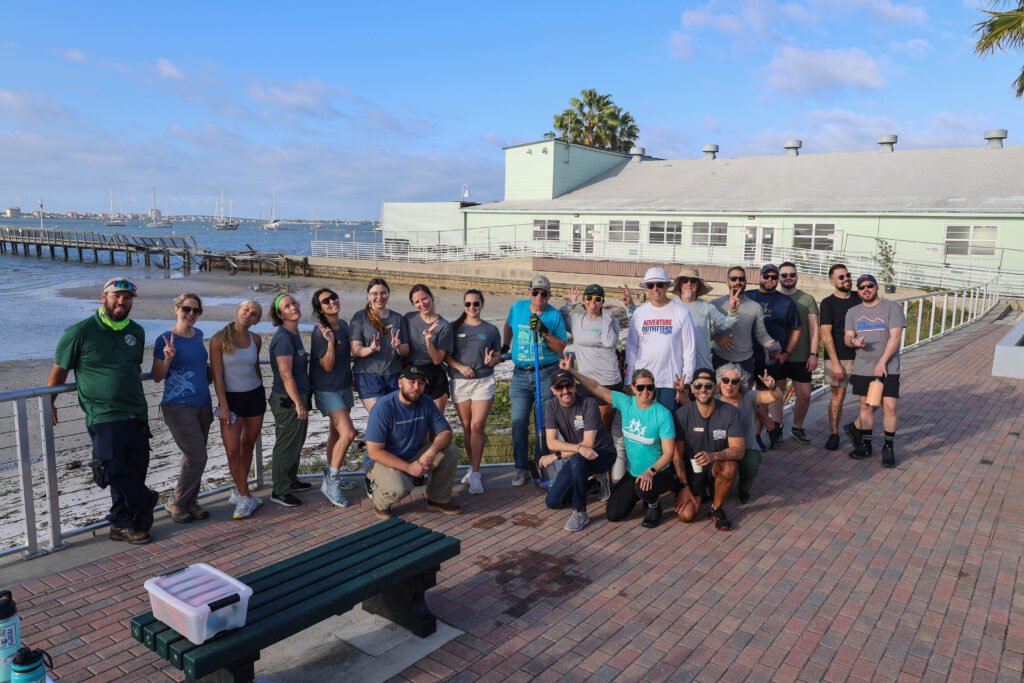
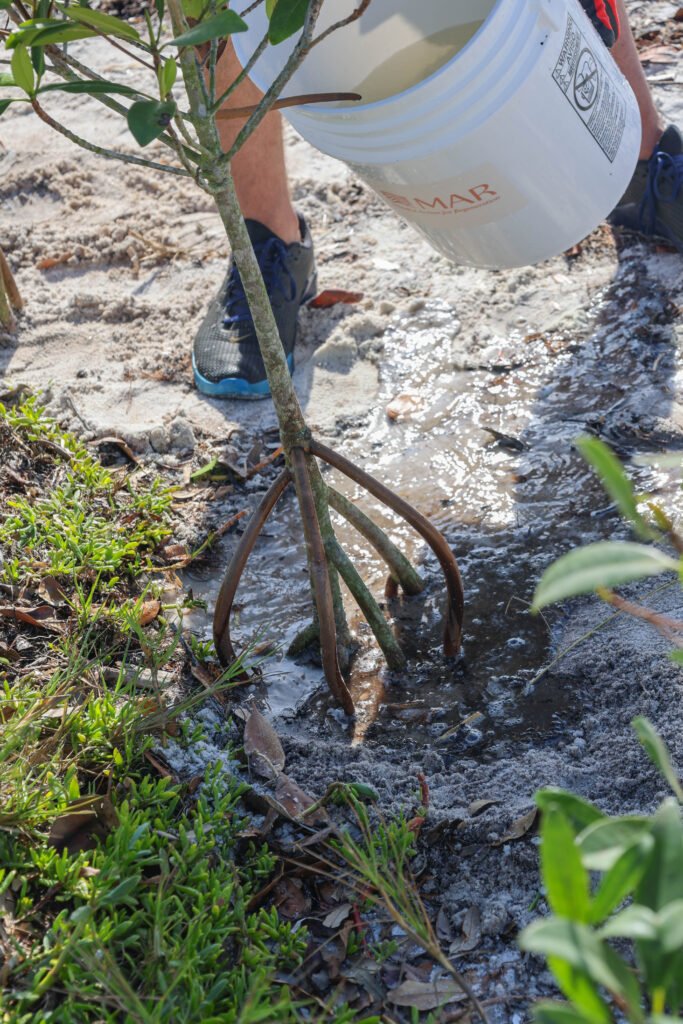
Our team of 14 volunteers began the event with a cleanup of the planting site, collecting 20 pounds of trash. Once the site was free of debris, we began the planting. For many volunteers, it was their first time planting mangroves and they were ecstatic. For MAR, it was the first mangrove planting that the organization has led, and definitely will not be the last. Our volunteers and staff made quick work of planting all the trees and plants. Throughout the planting event, many Gulfport residents stopped by during their walks or bike rides to check out the event and learn more about the new mangroves. At the very end of the planting, The City of Gulfport’s Mayor Love stopped by to see the new mangroves. We are beyond grateful for all of the support we have received throughout this project from our partners, volunteers, and community!
Species List
At our planting, 46 plants and trees were planted and now call the shores of Gulfport their home. The plant species were hand-selected for their ability to tolerate saltwater and to stabilize the shoreline. The complete plant list is listed below:
- Black-Eyed Susans (Rudbeckia hirta) – Promote biodiversity, stabilize soil, and act as a food source for local wildlife.
- Black Mangrove (Avicennia germinans) – Support biodiversity, stabilize shorelines by trapping sediment in their root structures, sequester carbon, and slow wave energy.
- Dune Sunflower (Helianthus debilis) – Groundcover that serves as a pollinator plant and will develop strong root systems to reduce erosion.
- Green Buttonwood (Conocarpus erectus) – Provide structure and stability for smaller trees and groundcover vegetation.
- Red Mangrove (Rhizophora mangle) – Support biodiversity, stabilize shorelines by trapping sediment in their root structures, sequester carbon, and slow wave energy.
- Saltmarsh Cordgrass (Spartina alterniflora) – Dissipate wave energy, filter pollutants from water, and provide habitats for wildlife.
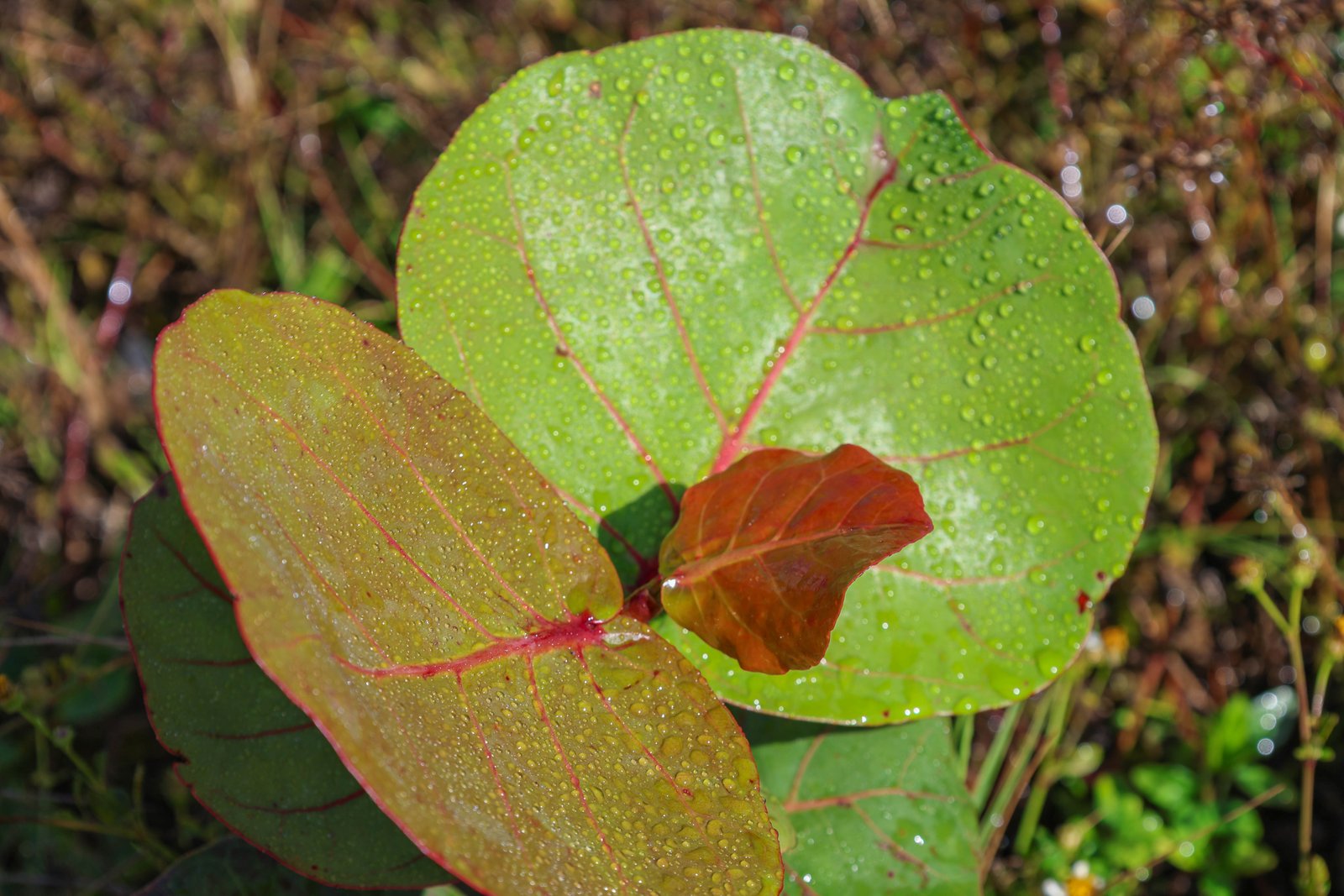
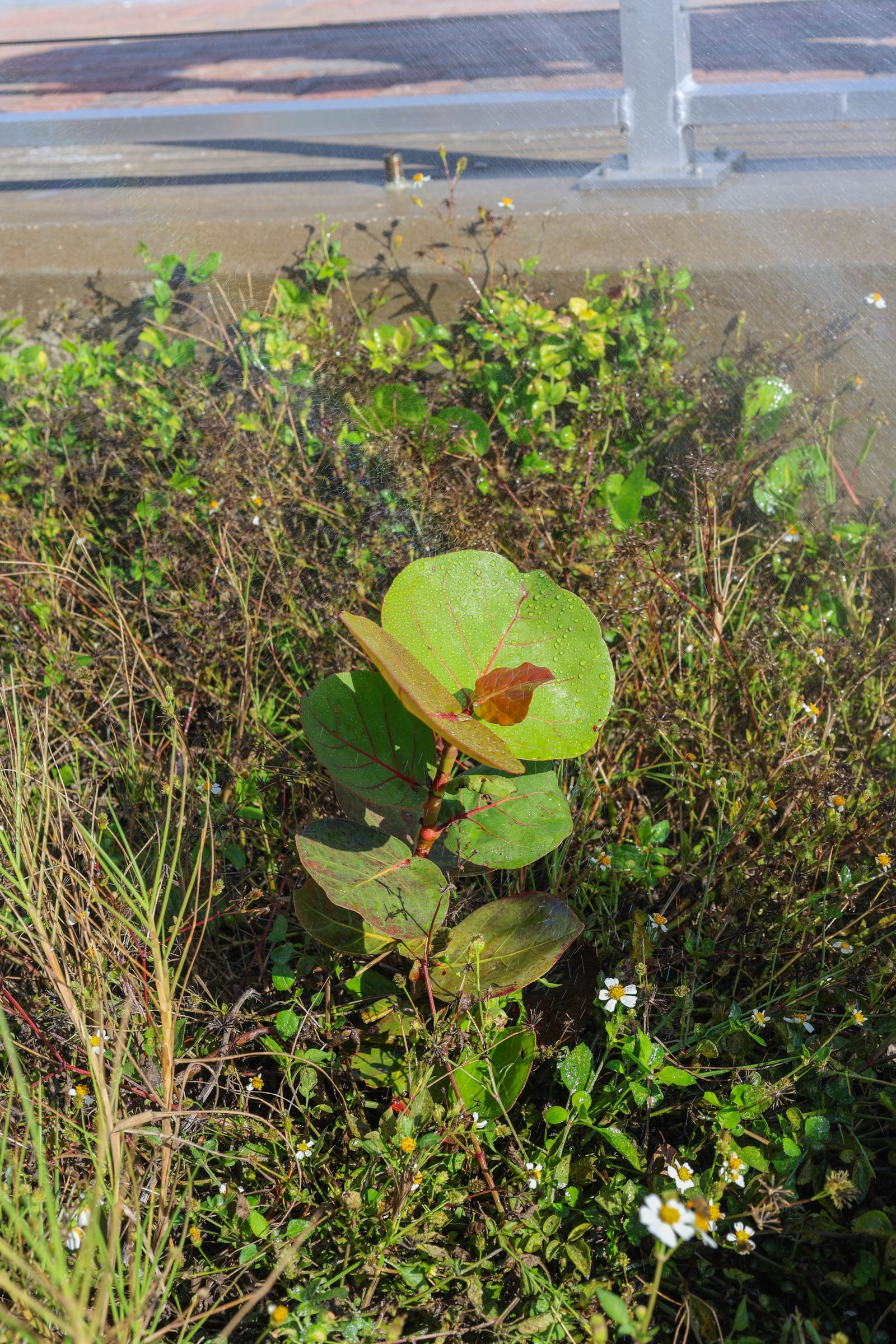
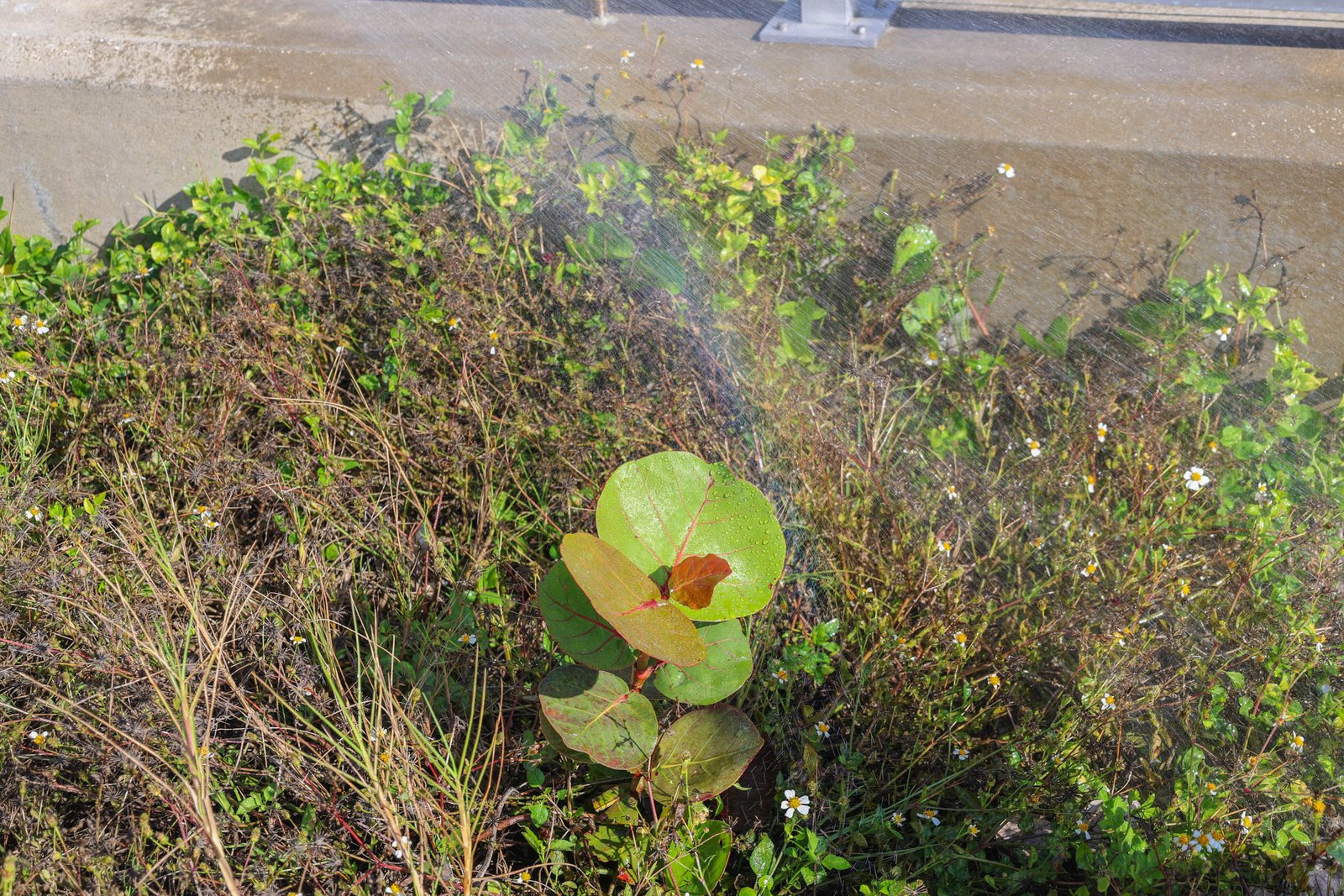
- Seagrape (Coccoloba uvifera) – Provide structure and stability for smaller trees and groundcover vegetation.
Your Sign to Visit the Site
As part of this planting project, we will be installing a sign at the site in Gulfport that will help us keep the community engaged. The sign will discuss the importance of mangroves for both coastal ecosystems and for the people who live nearby. One component of the sign will be an opportunity for community members to participate in a citizen science project that will aid the MAR team in monitoring the growth of the new plants. Soon, you will be able to take photos of the site and contribute to a photo archive of the site over time. Currently, the sign is in production and is projected to be installed at the planting site by early summer of this year.
Follow along on MAR’s website and social media pages for updates on the project and to stay current with upcoming volunteer opportunities.
Event Photos