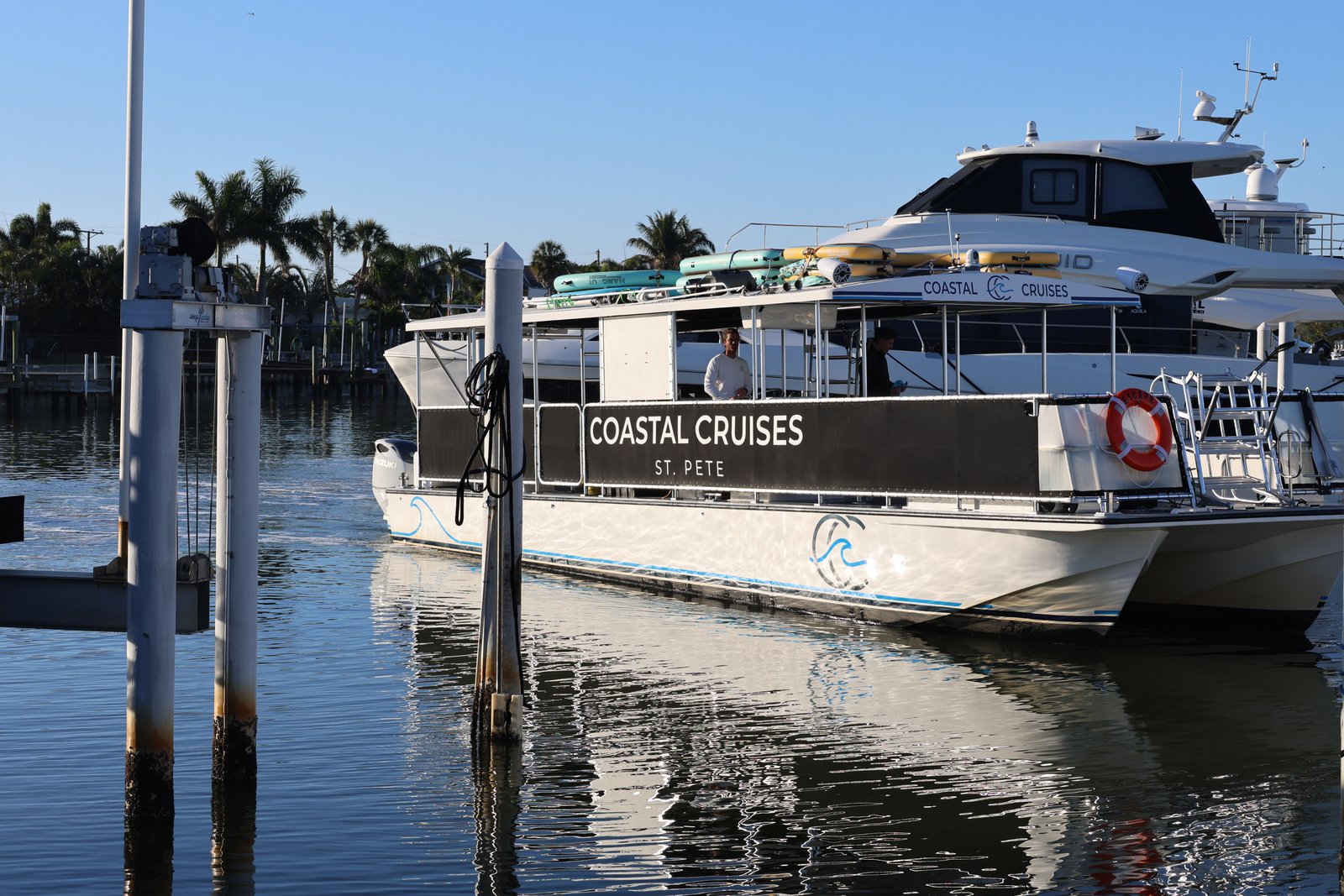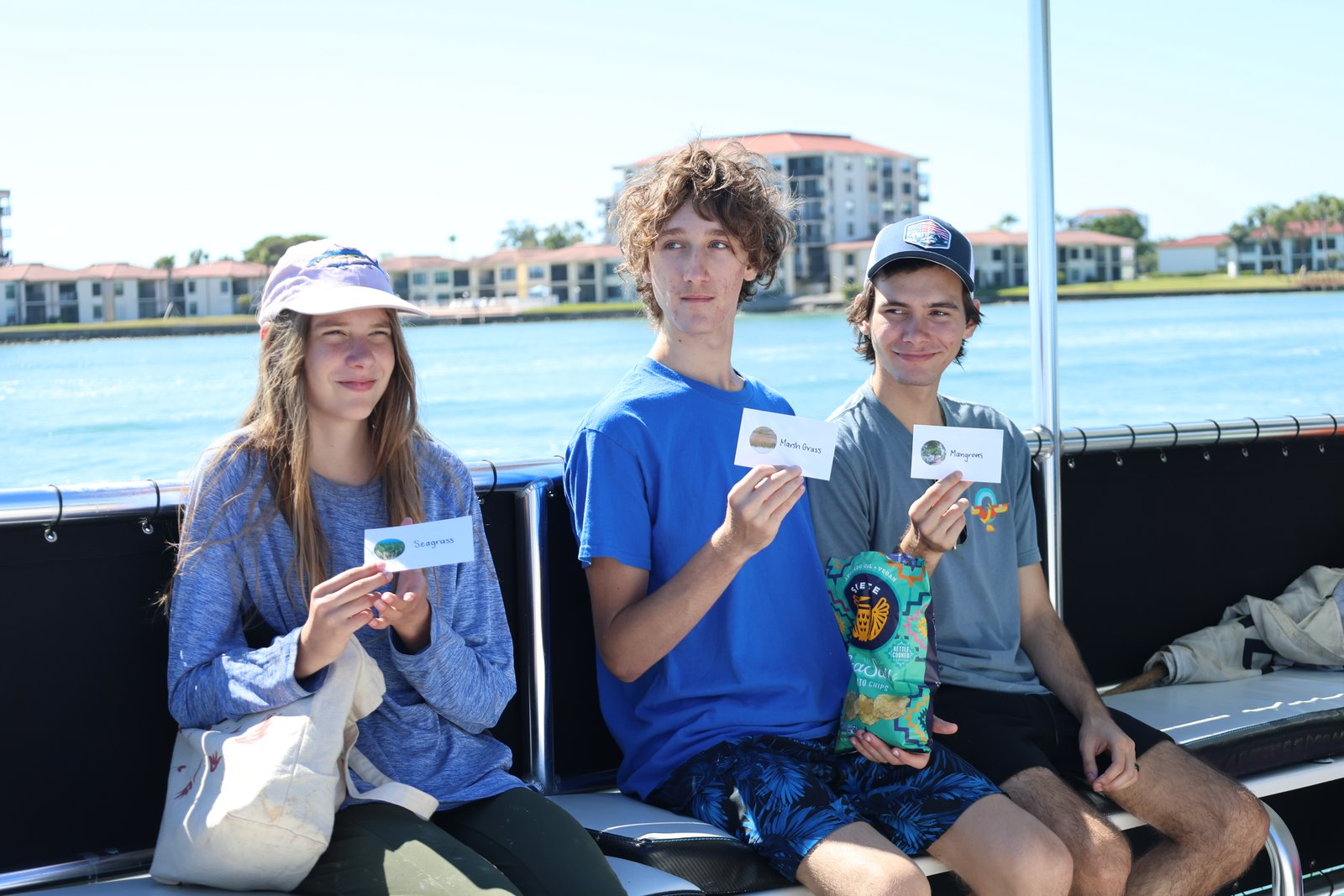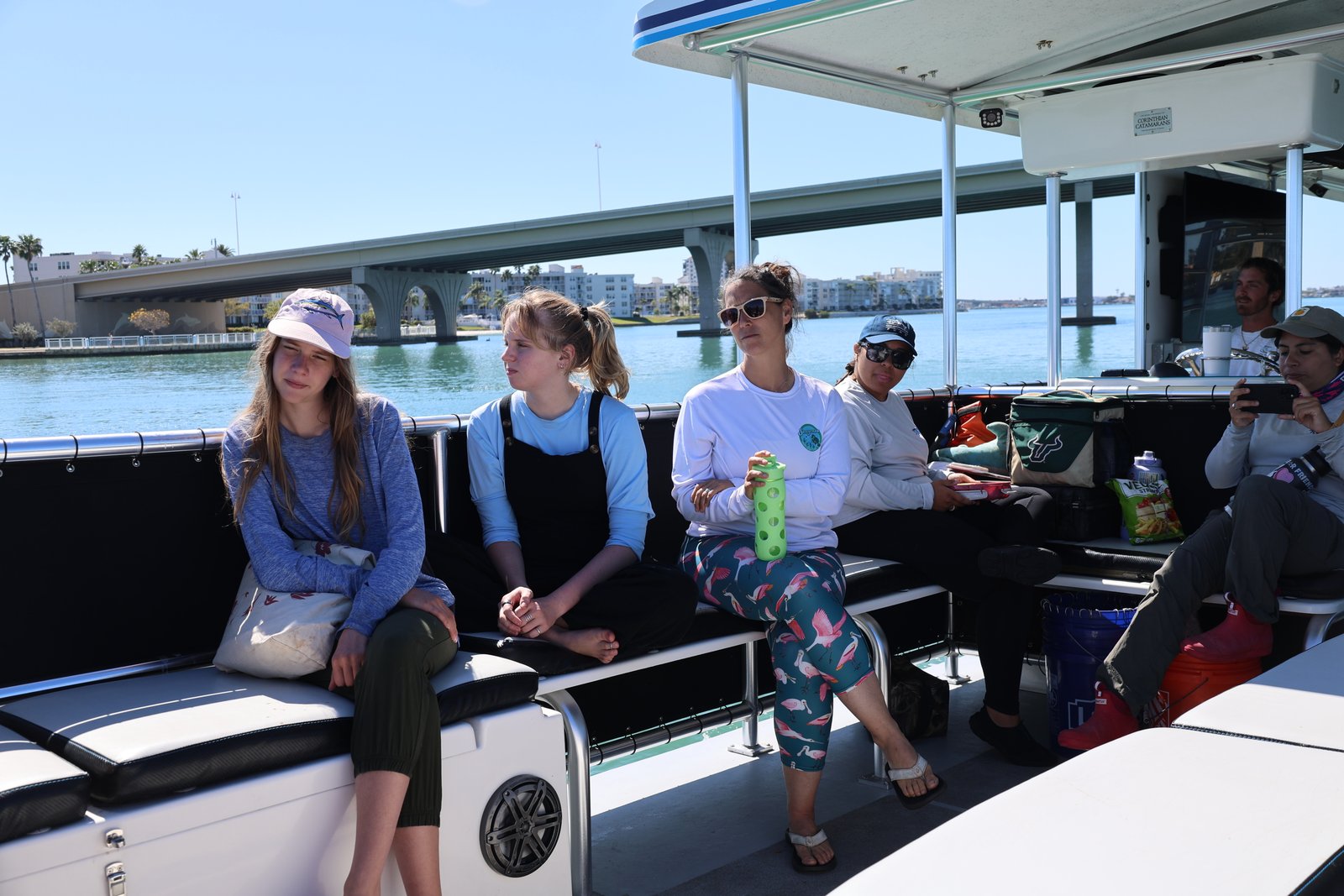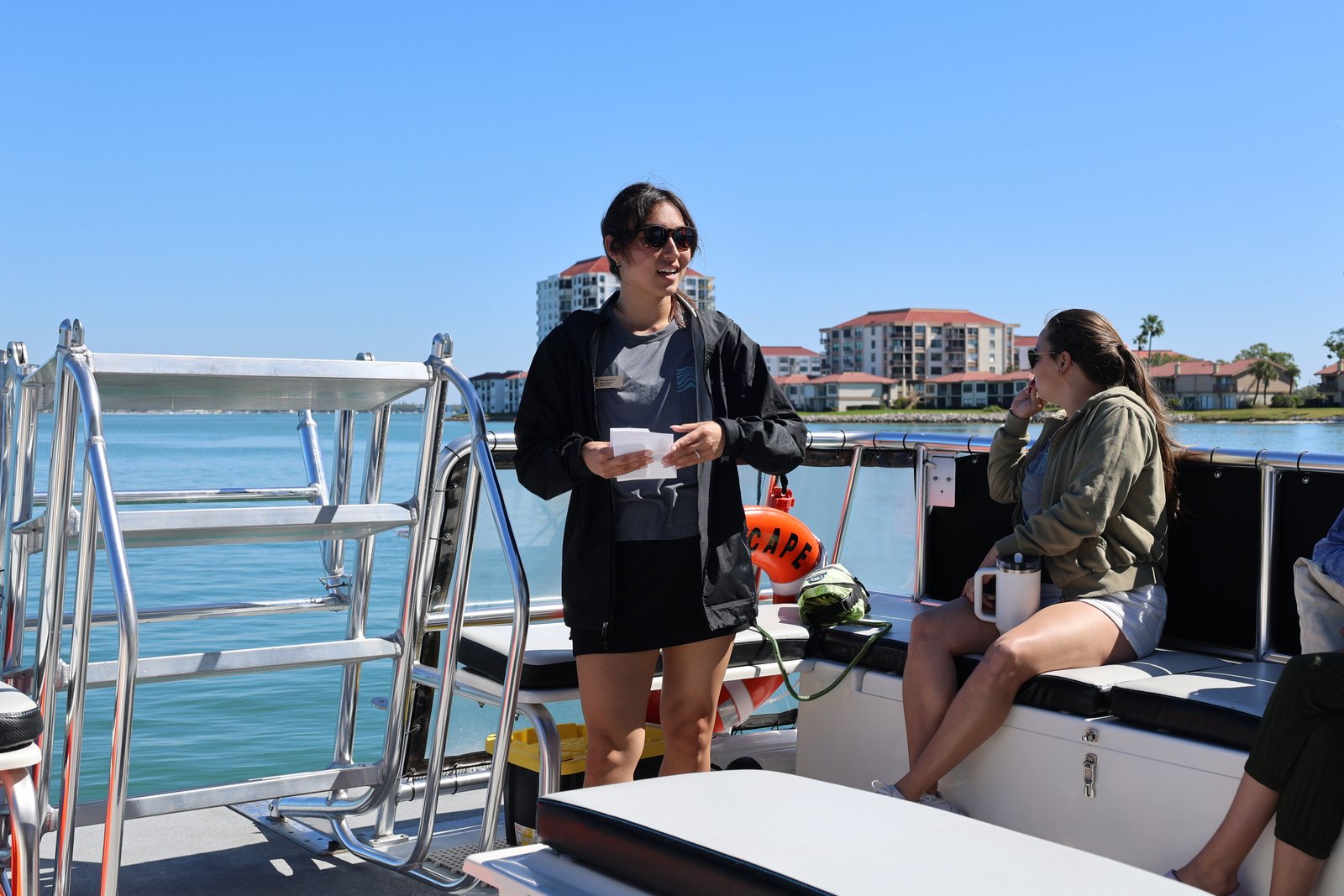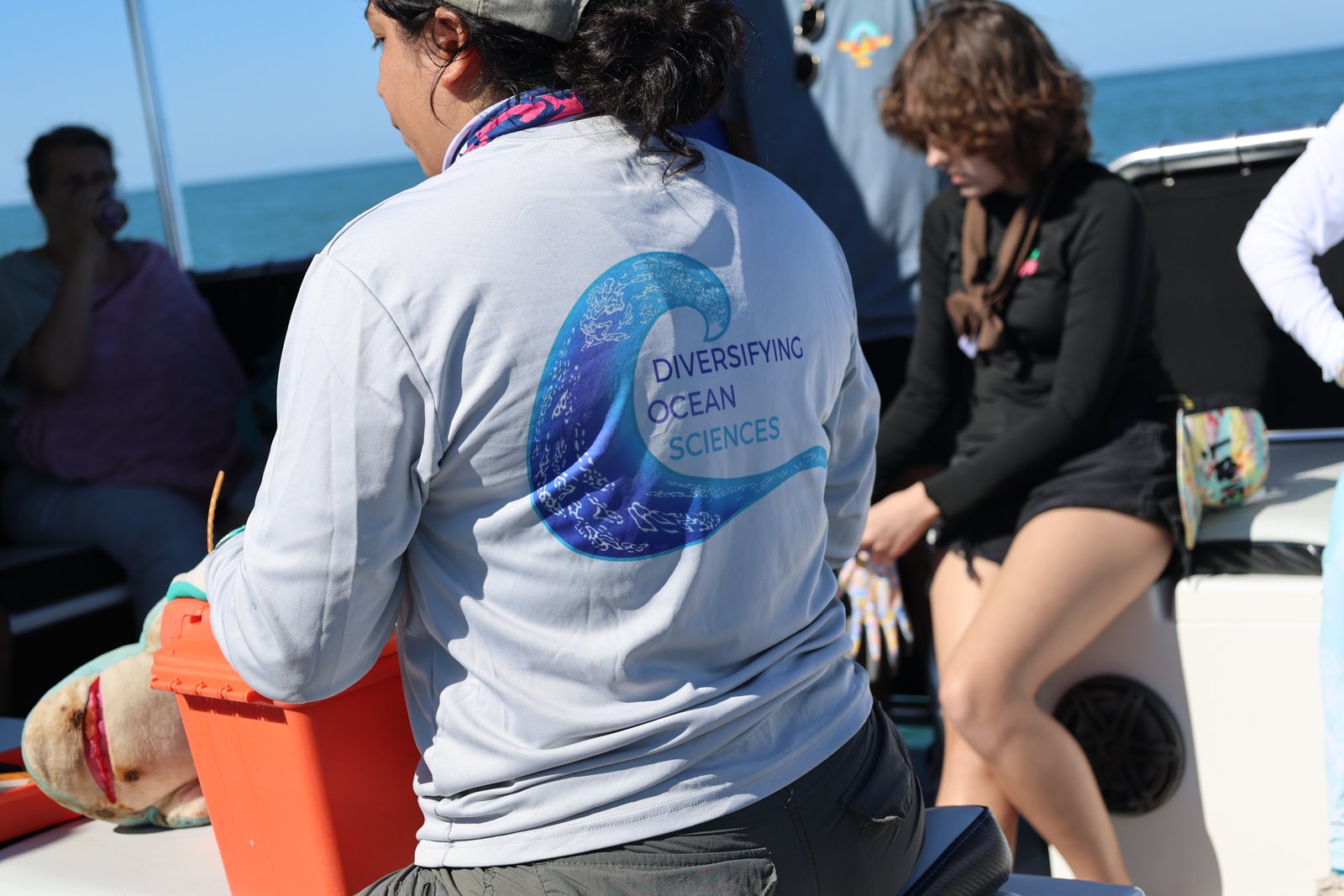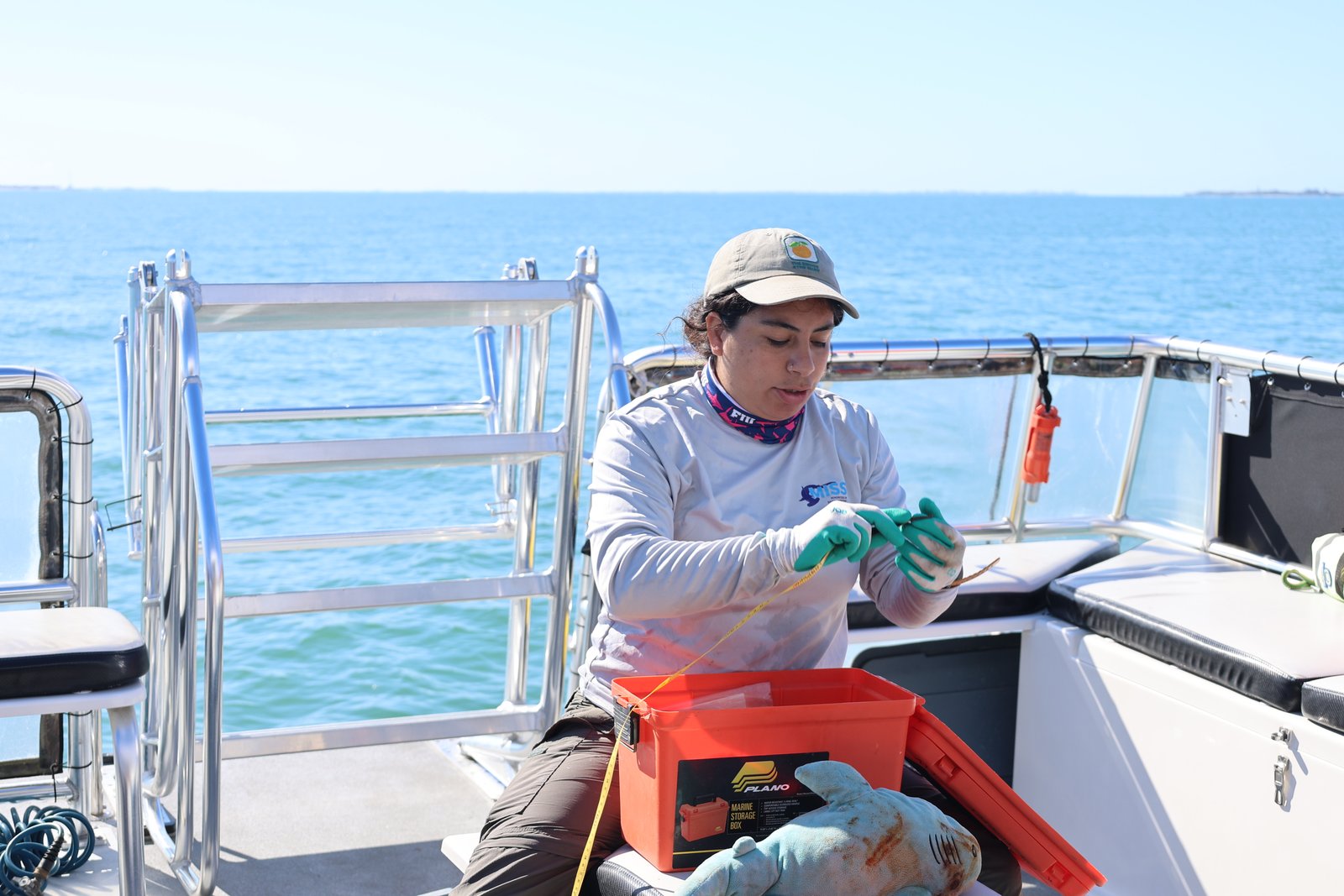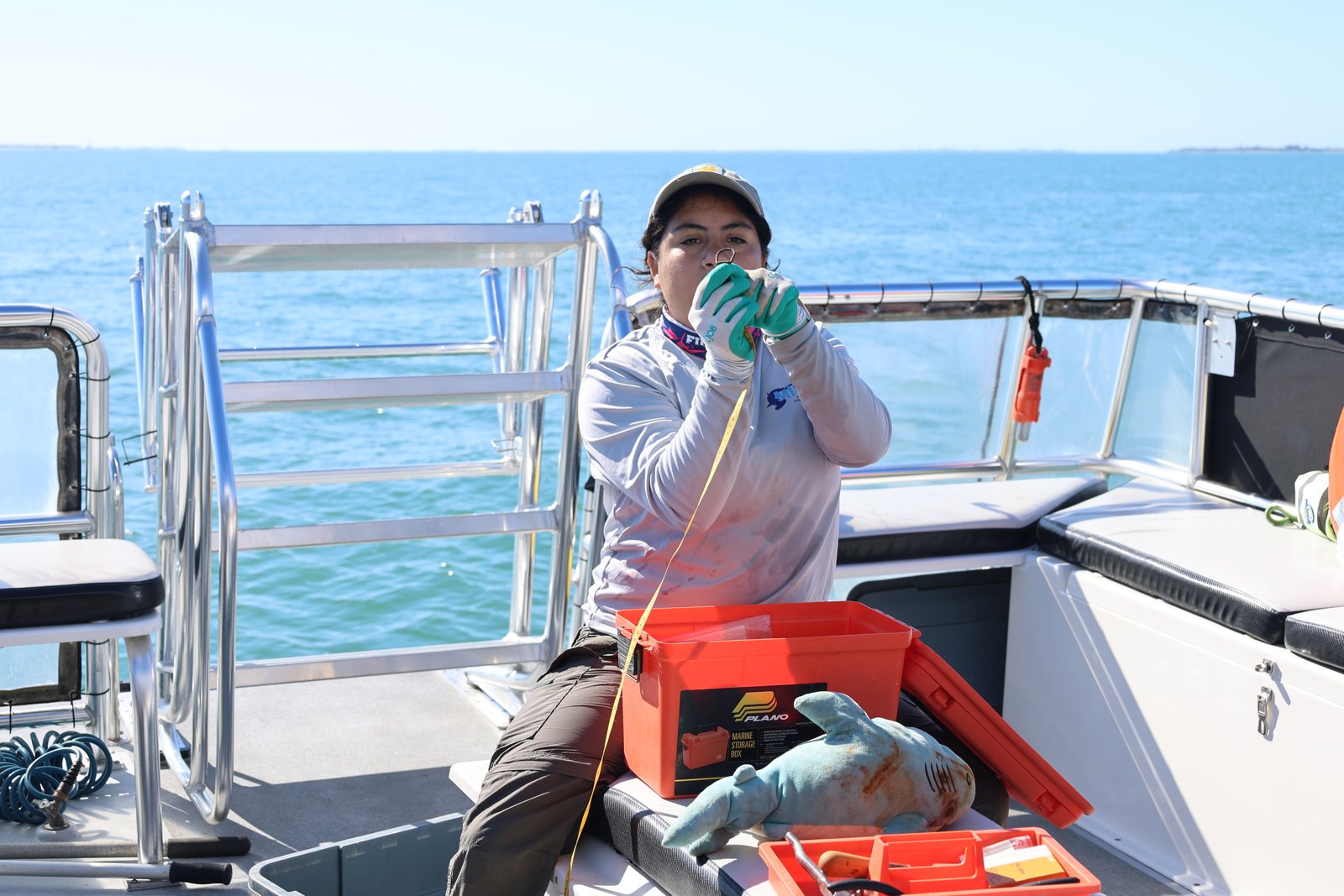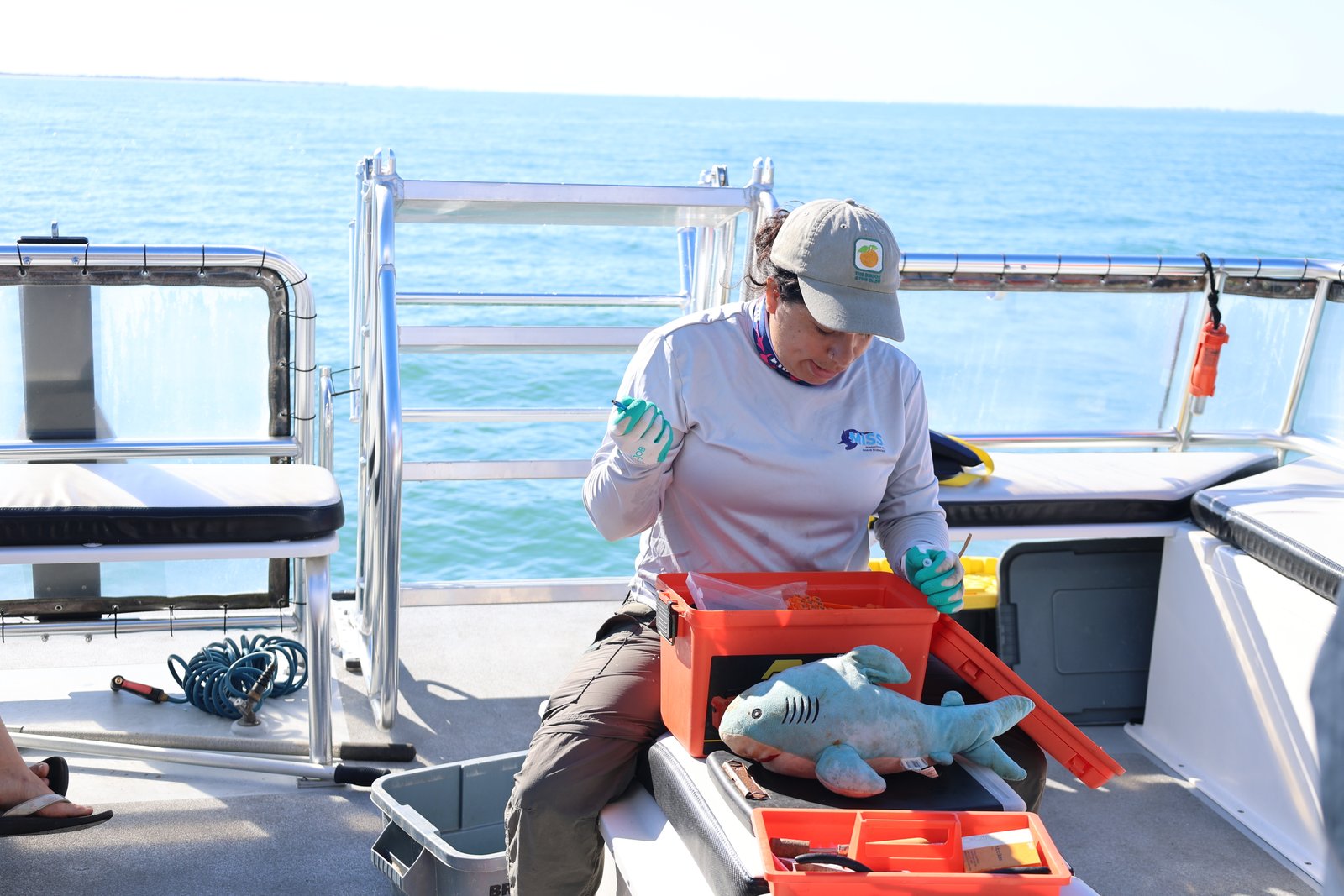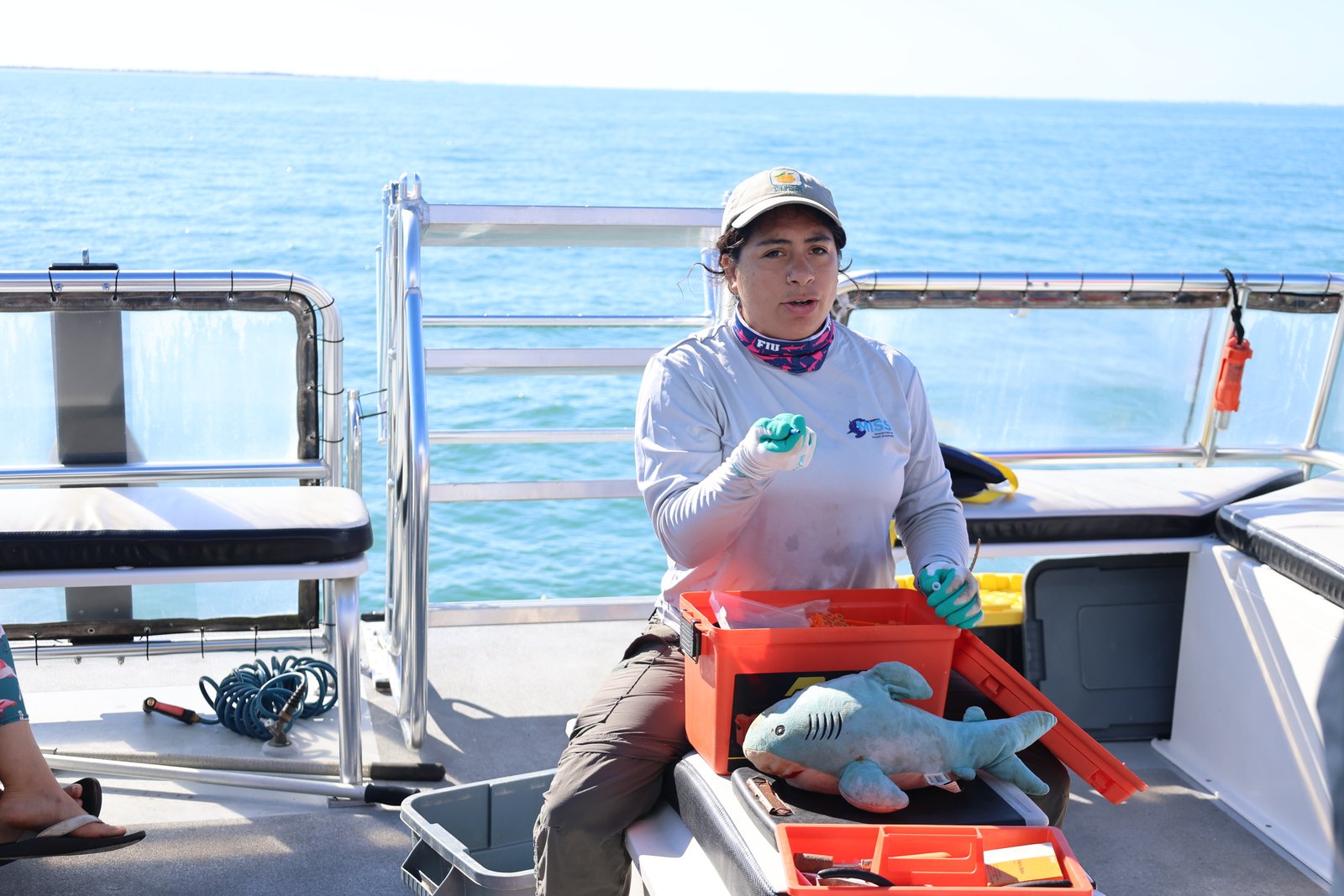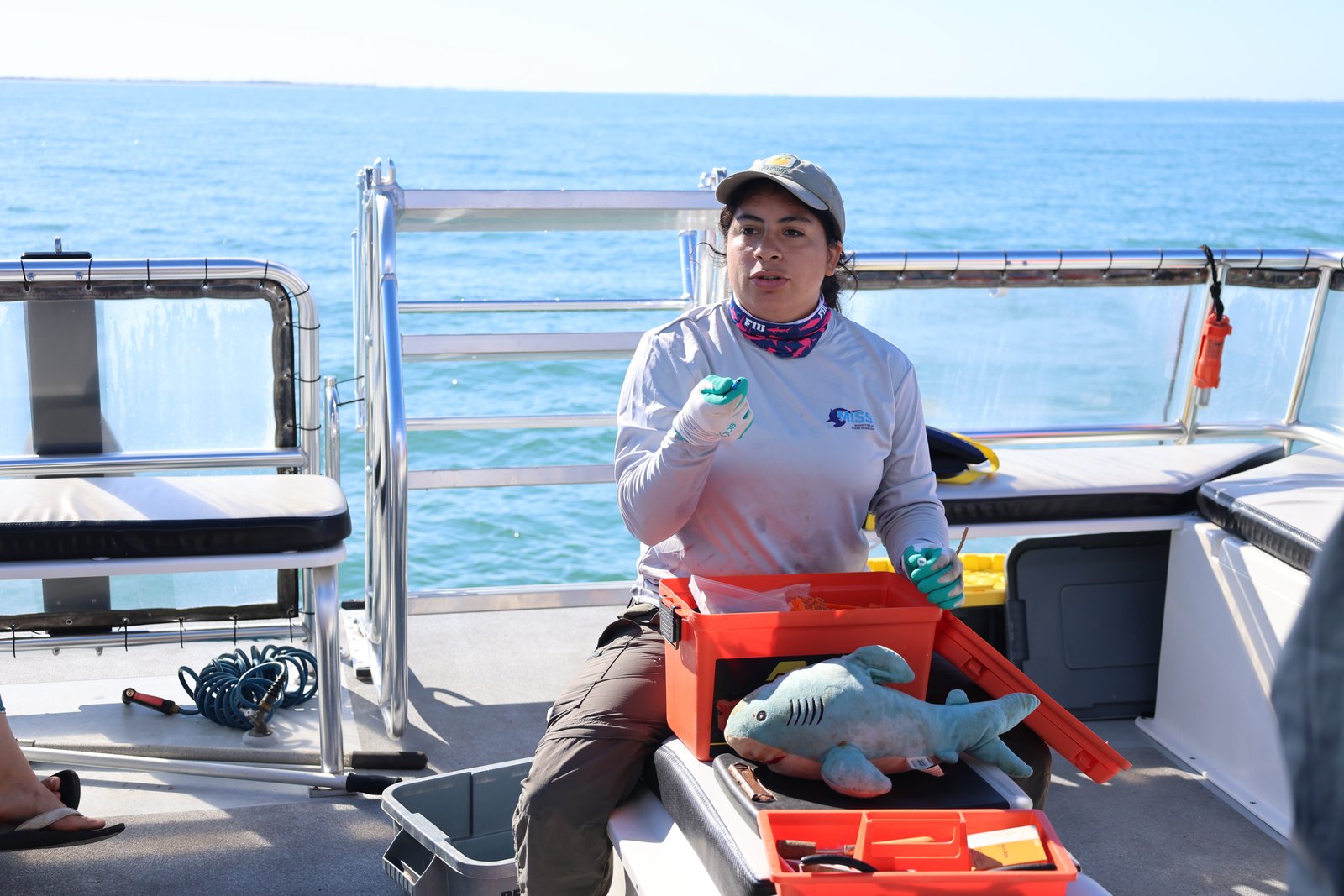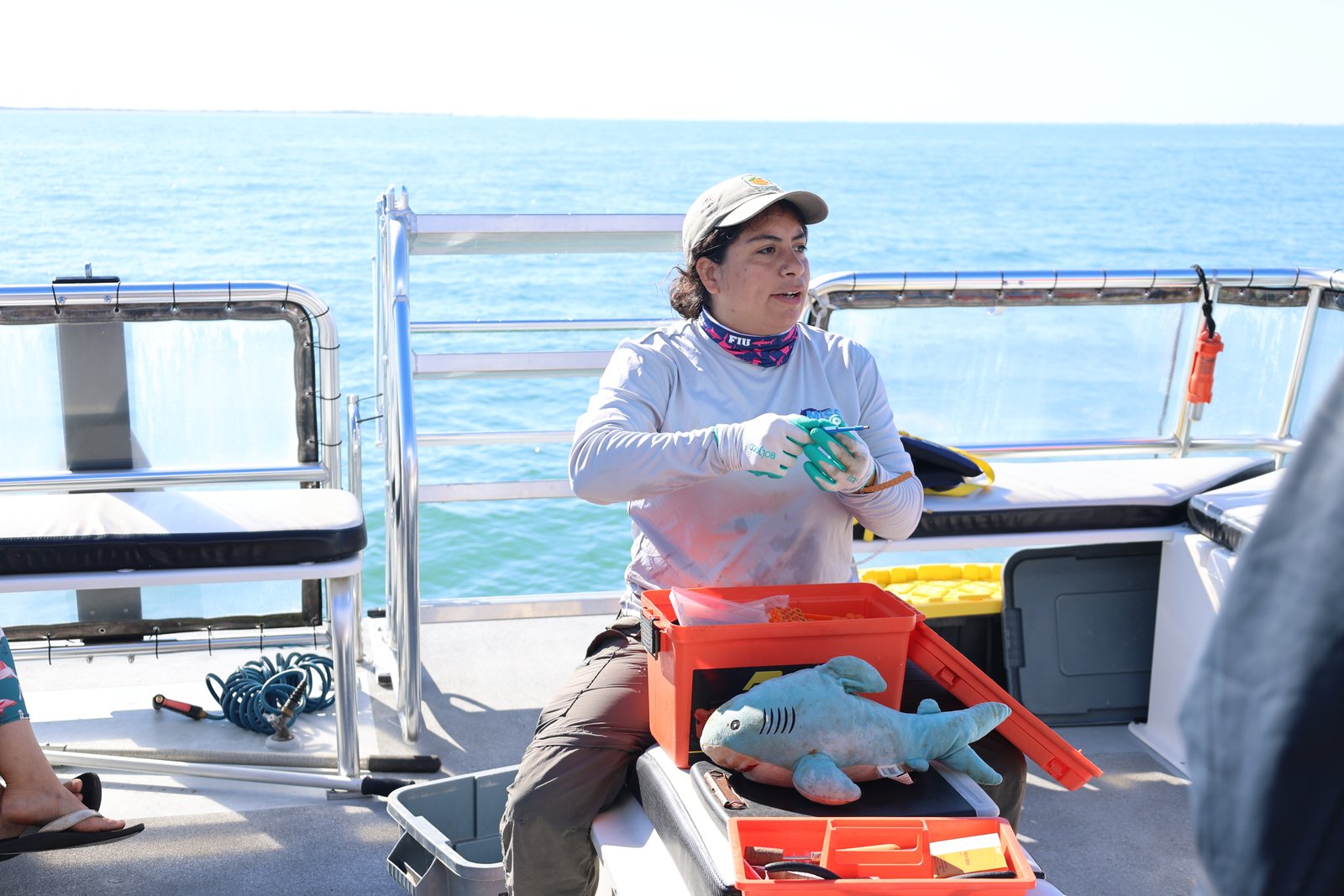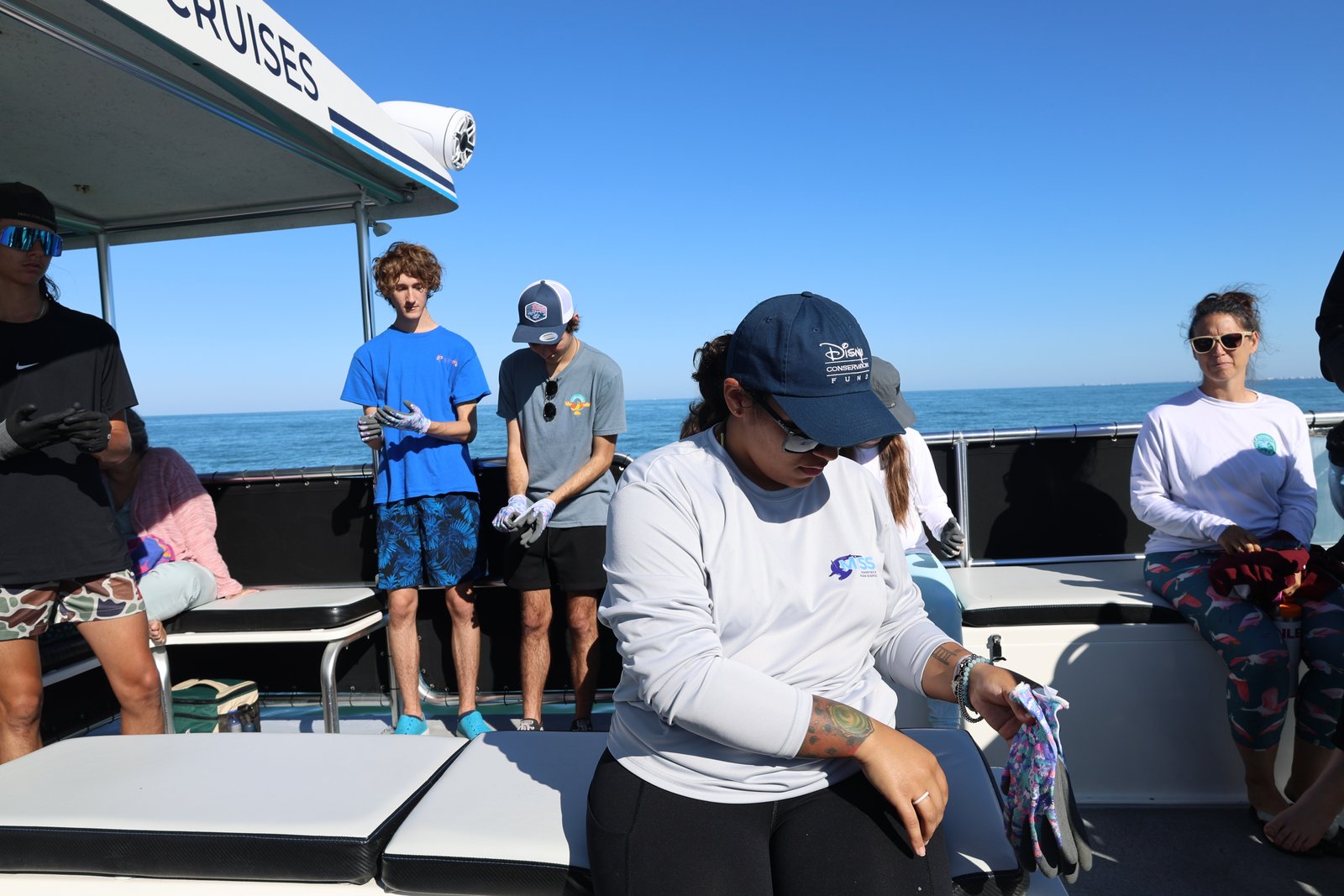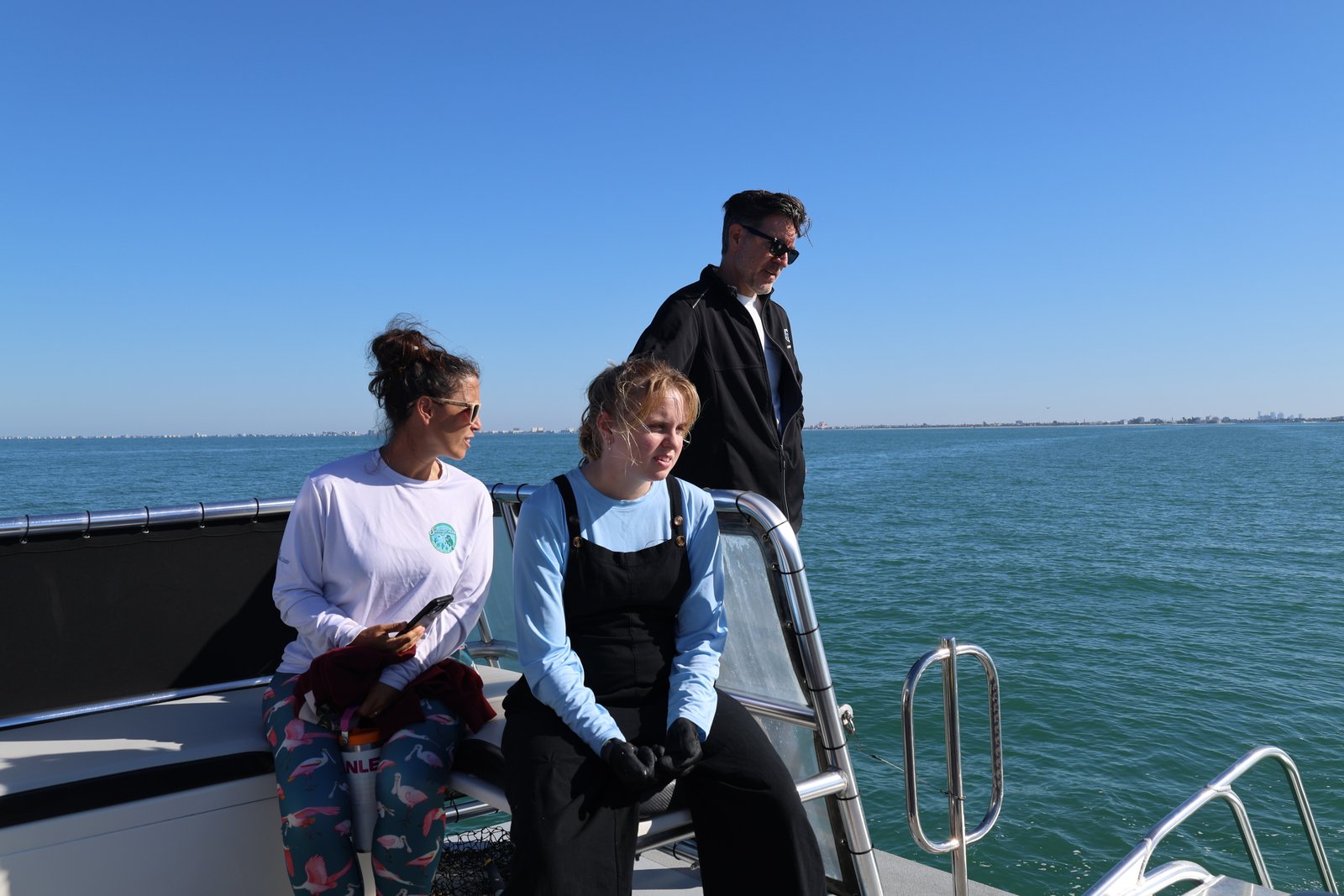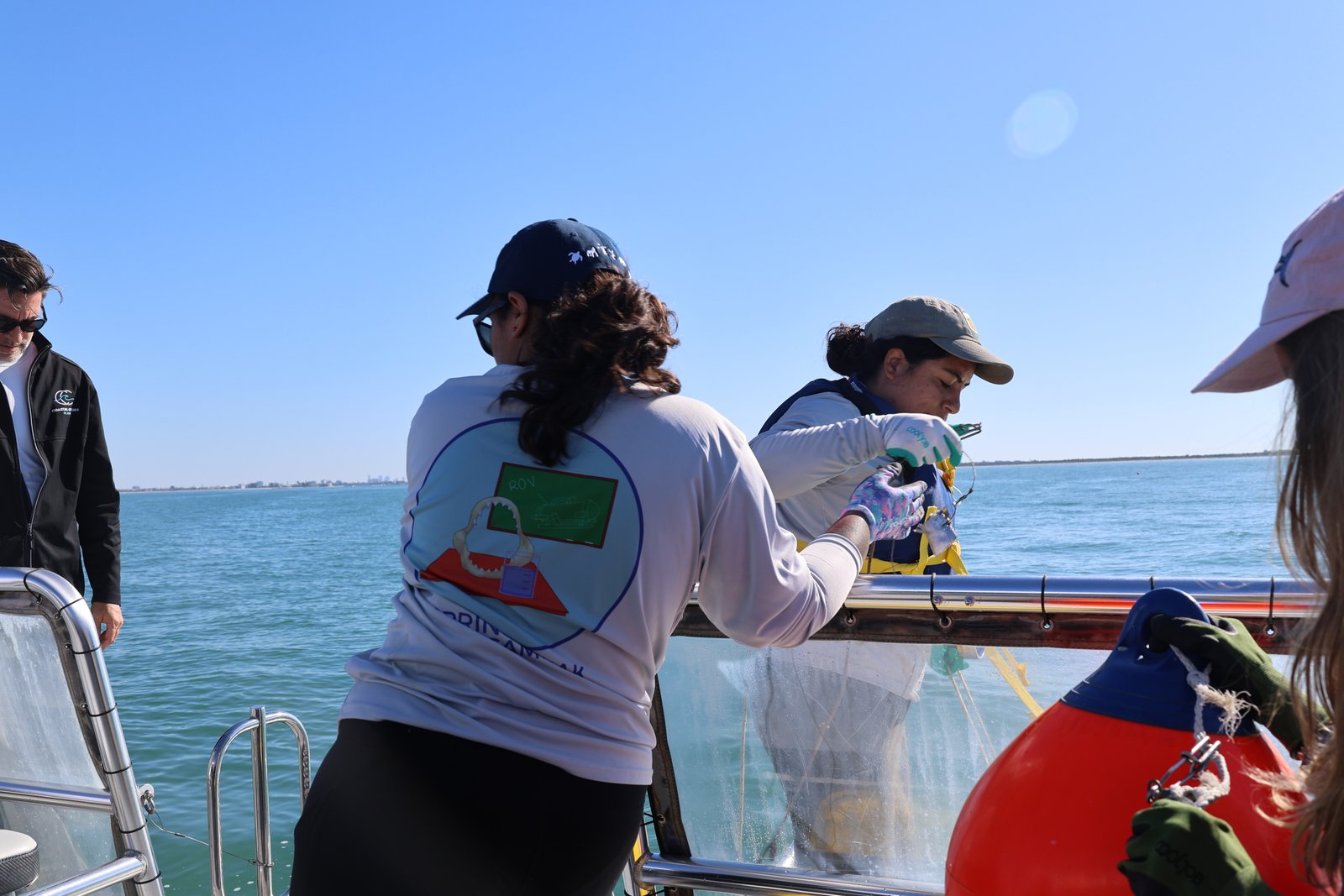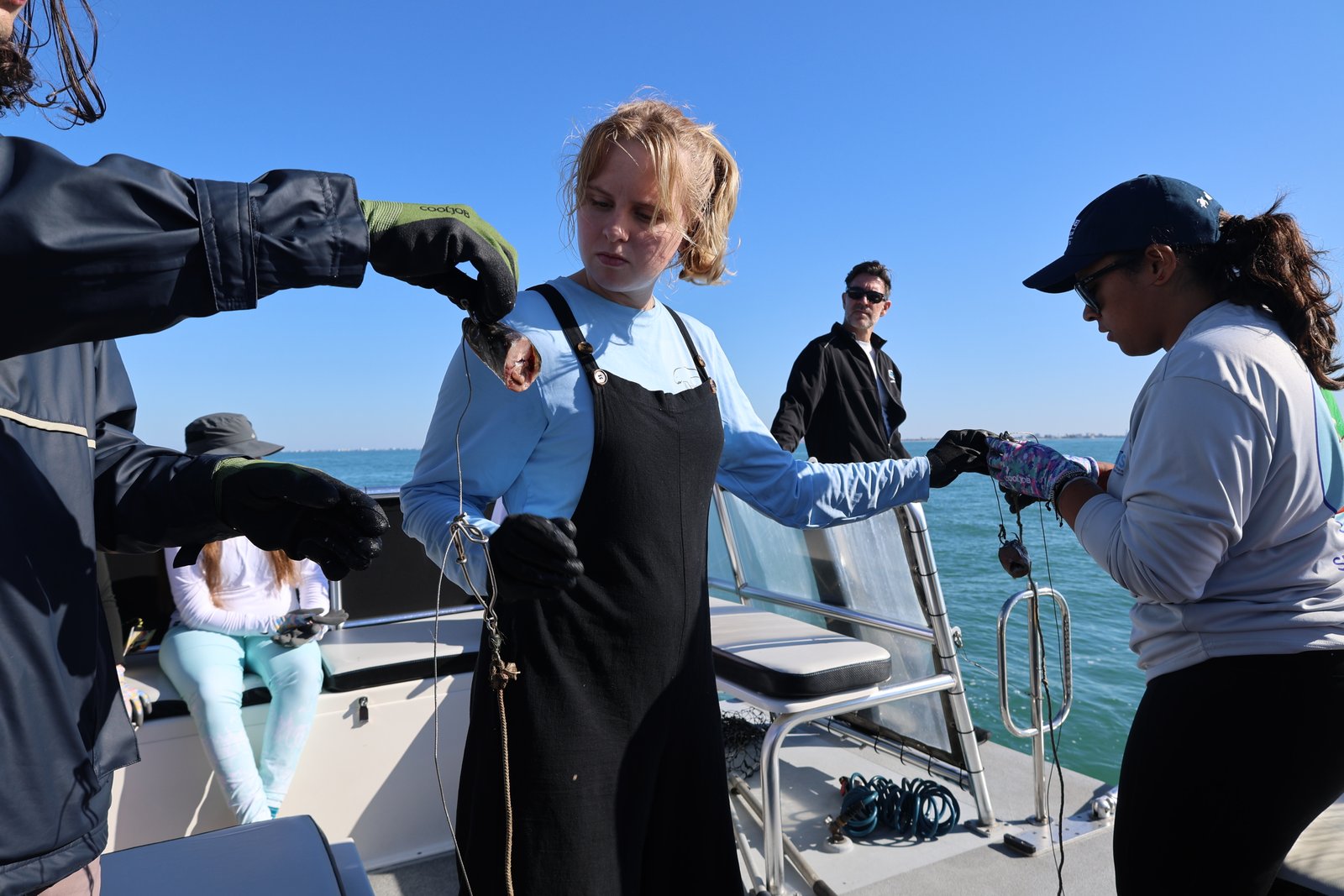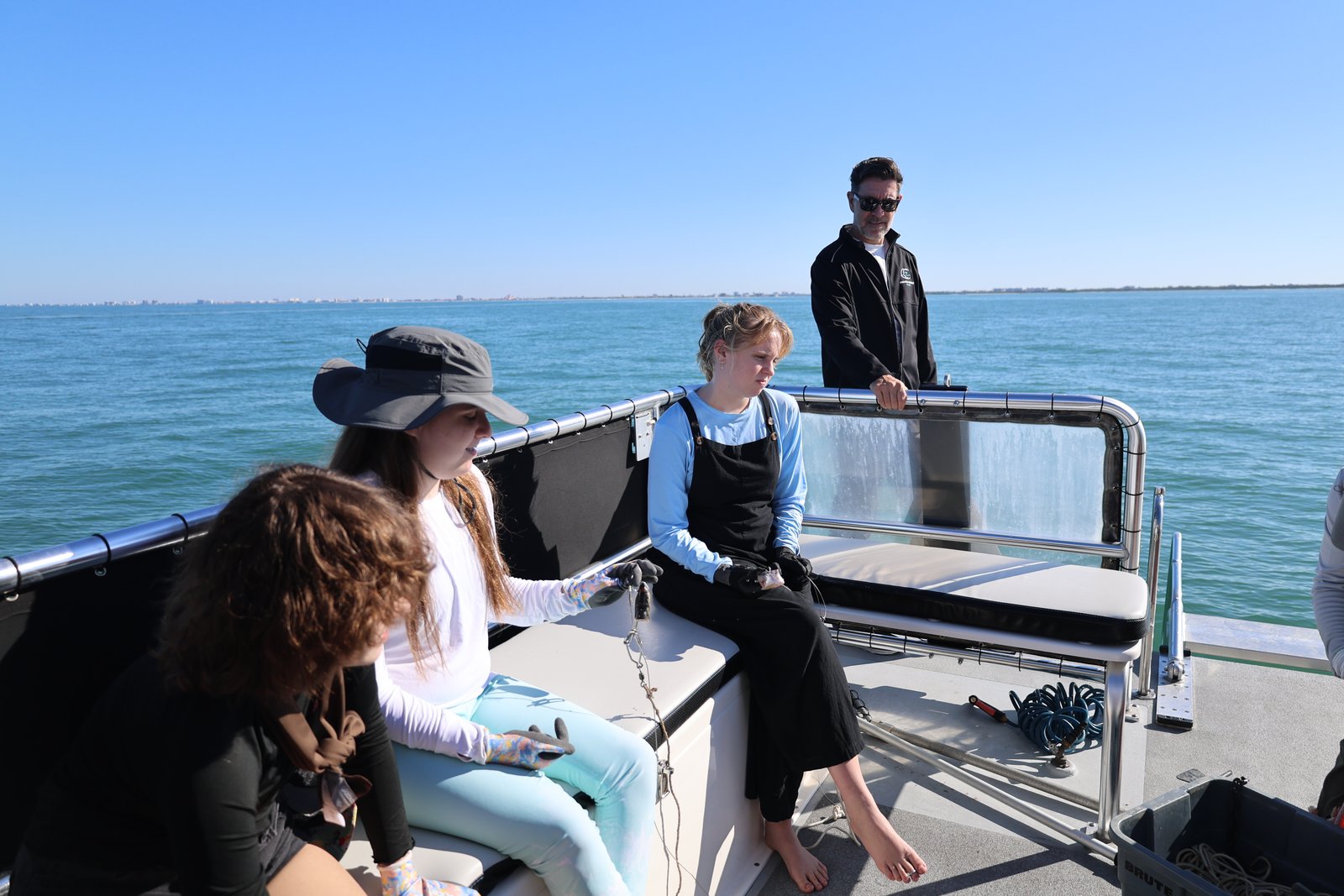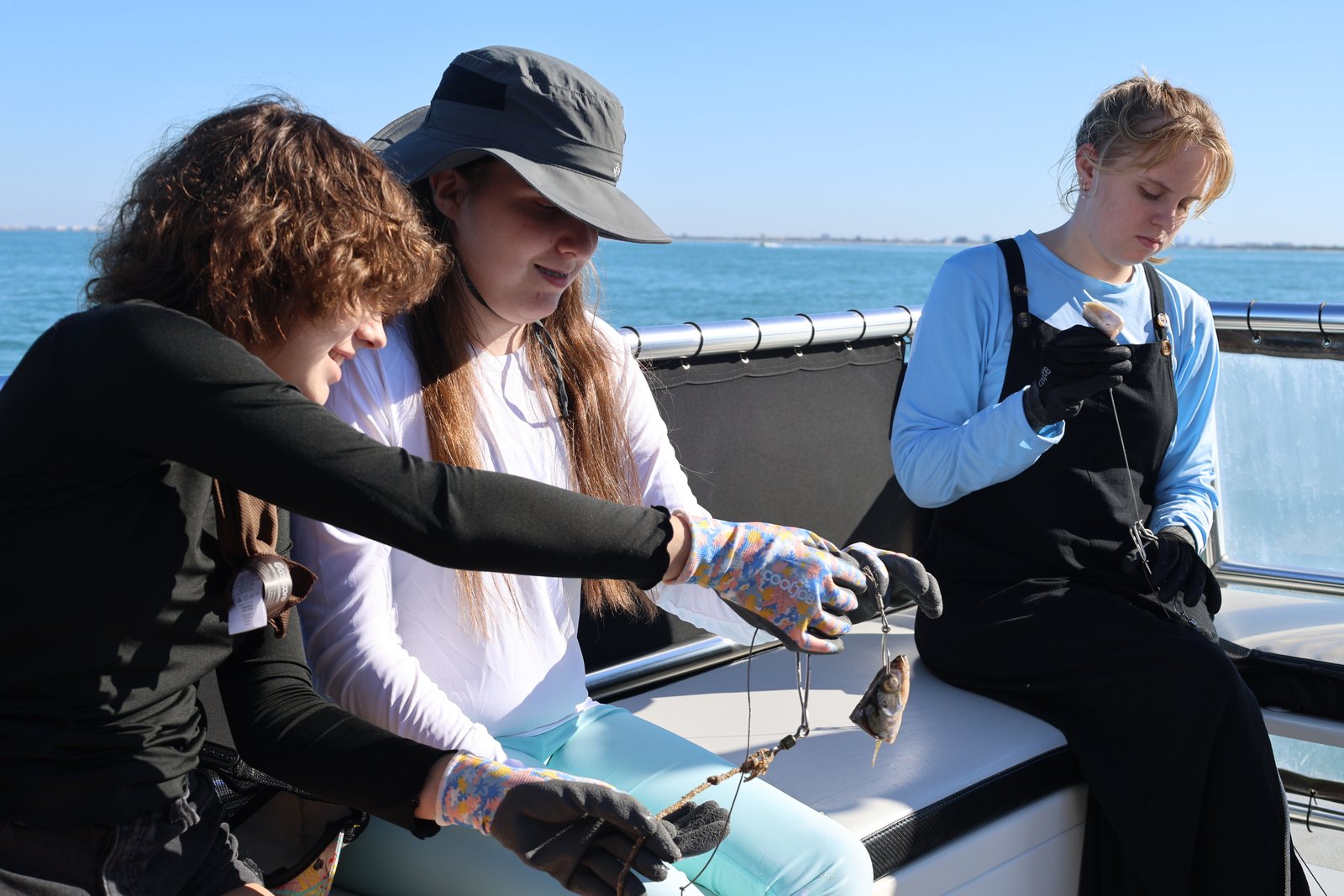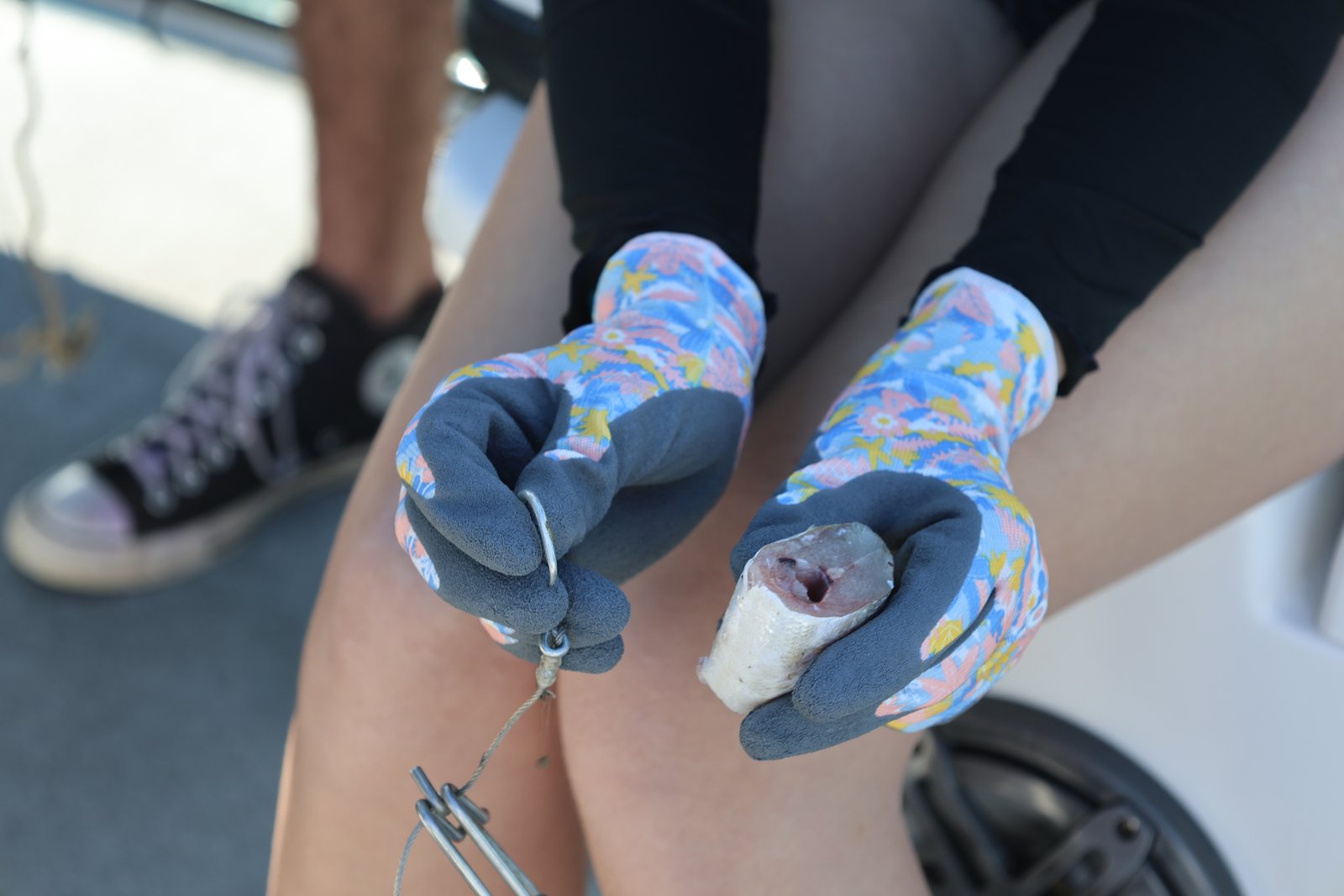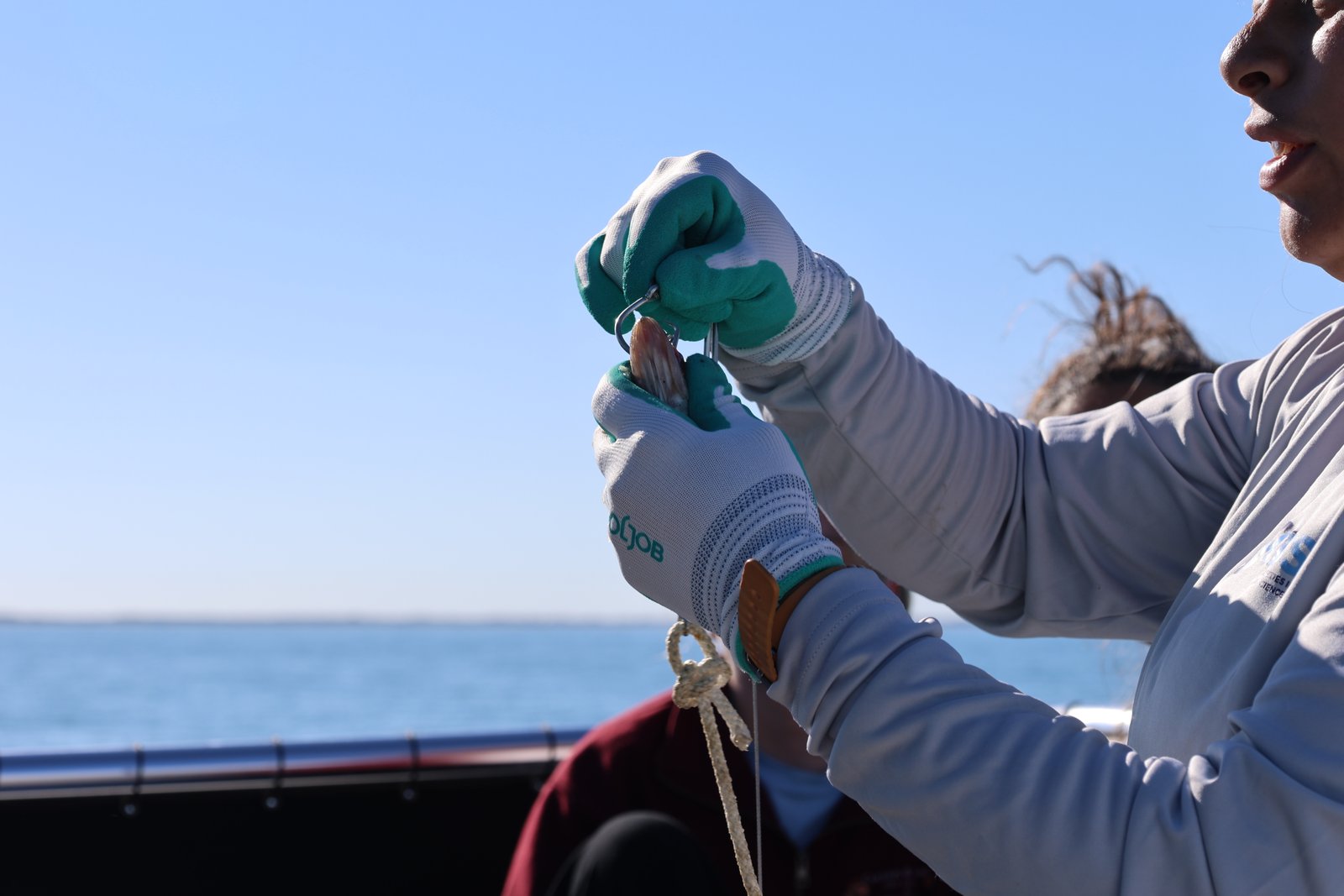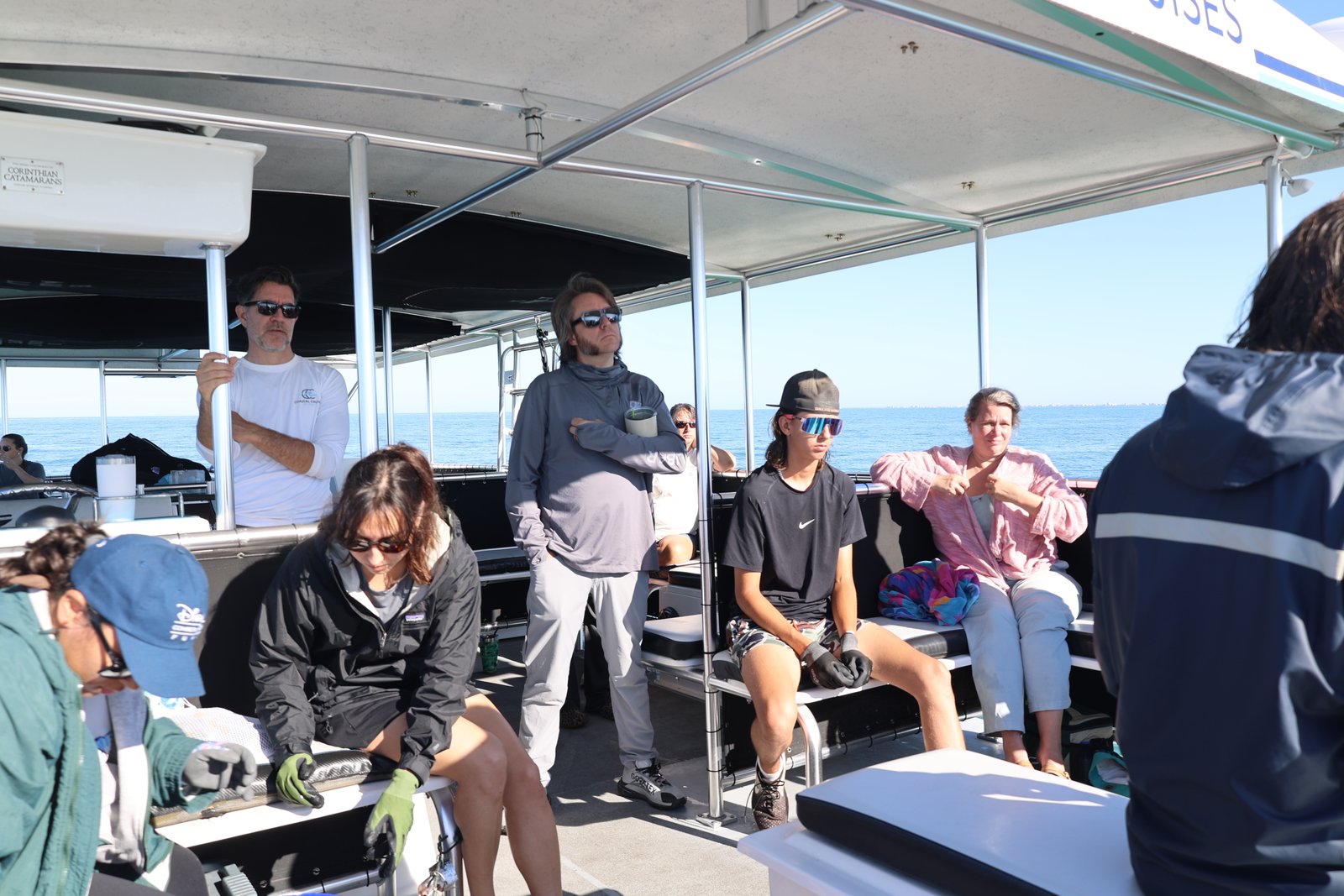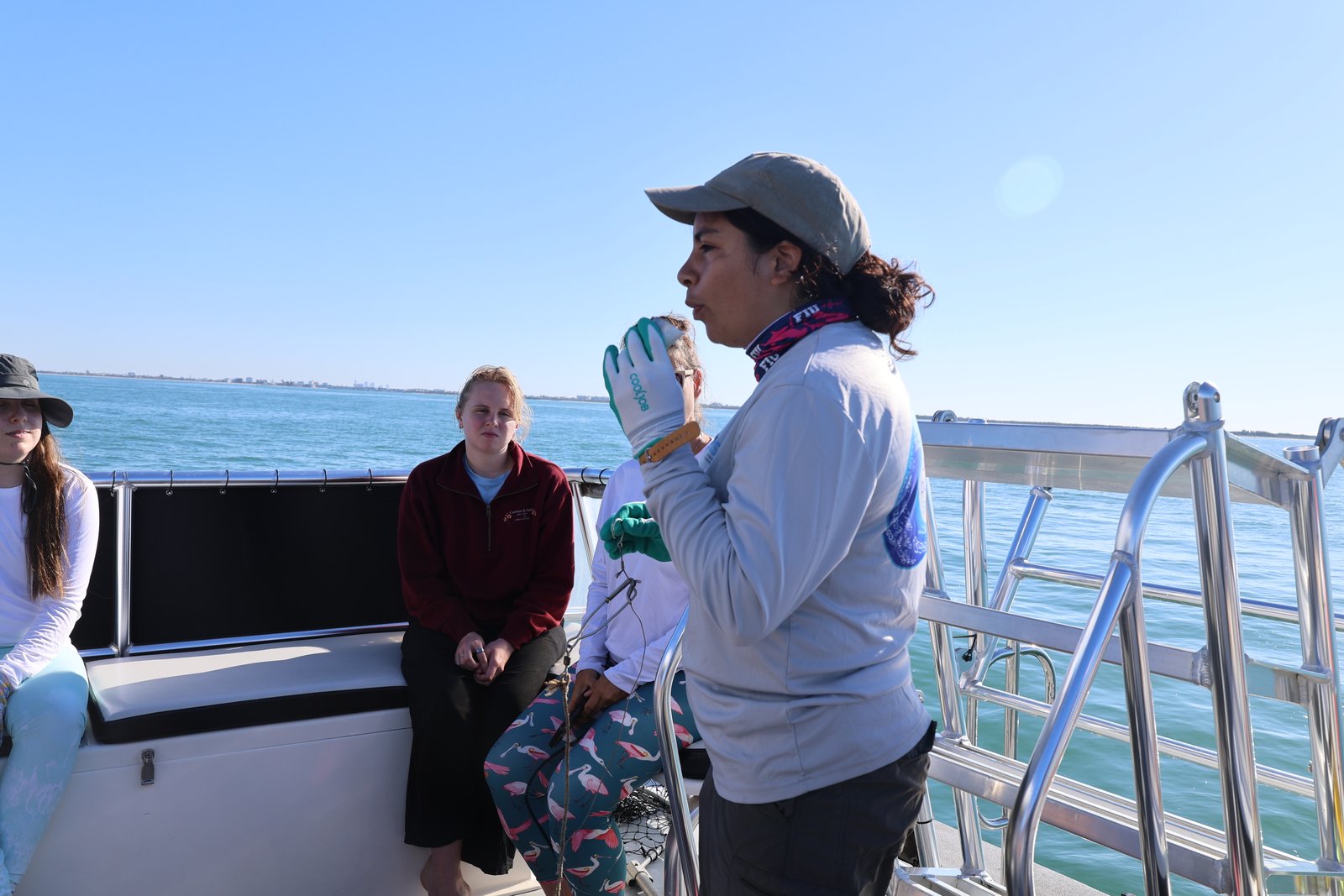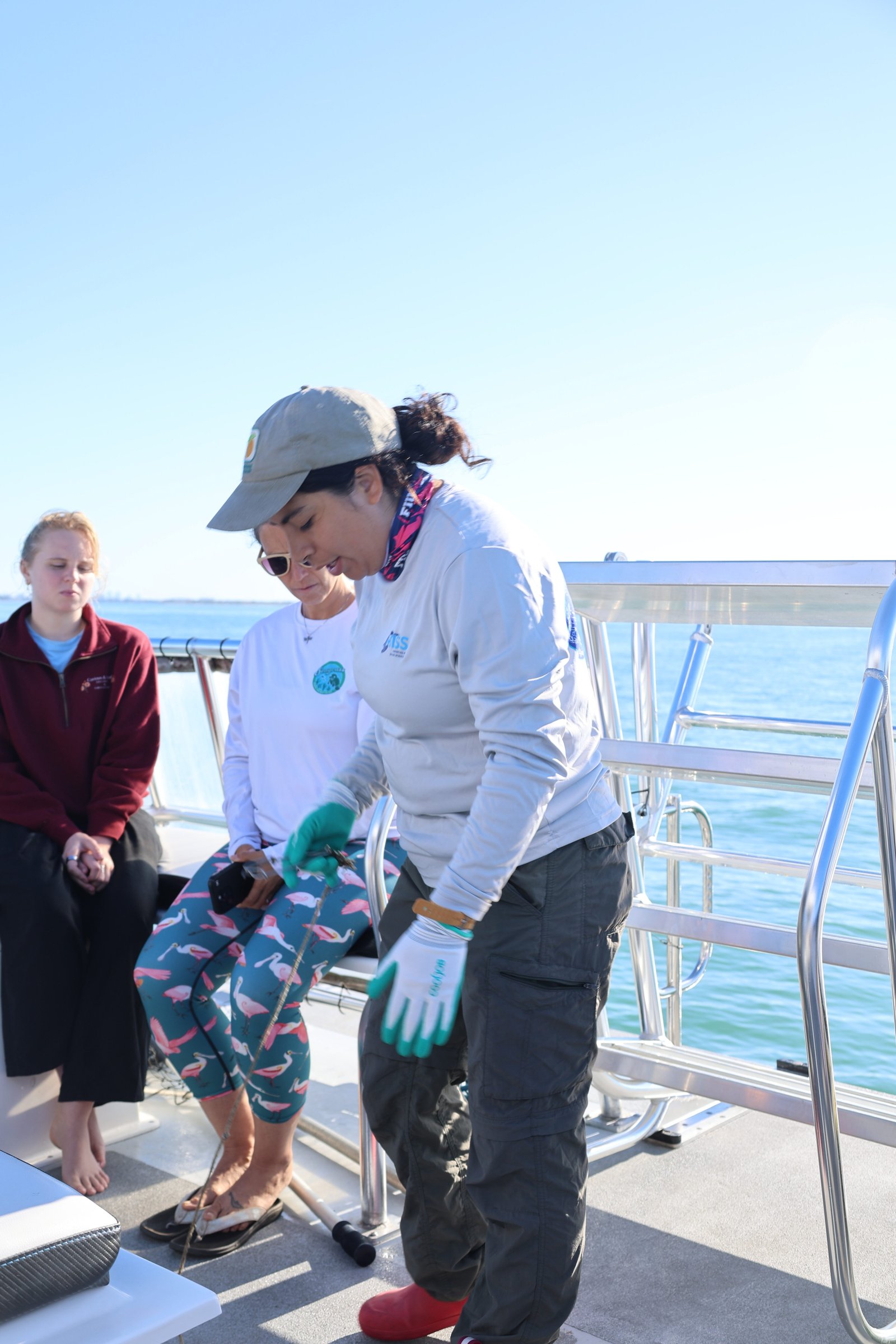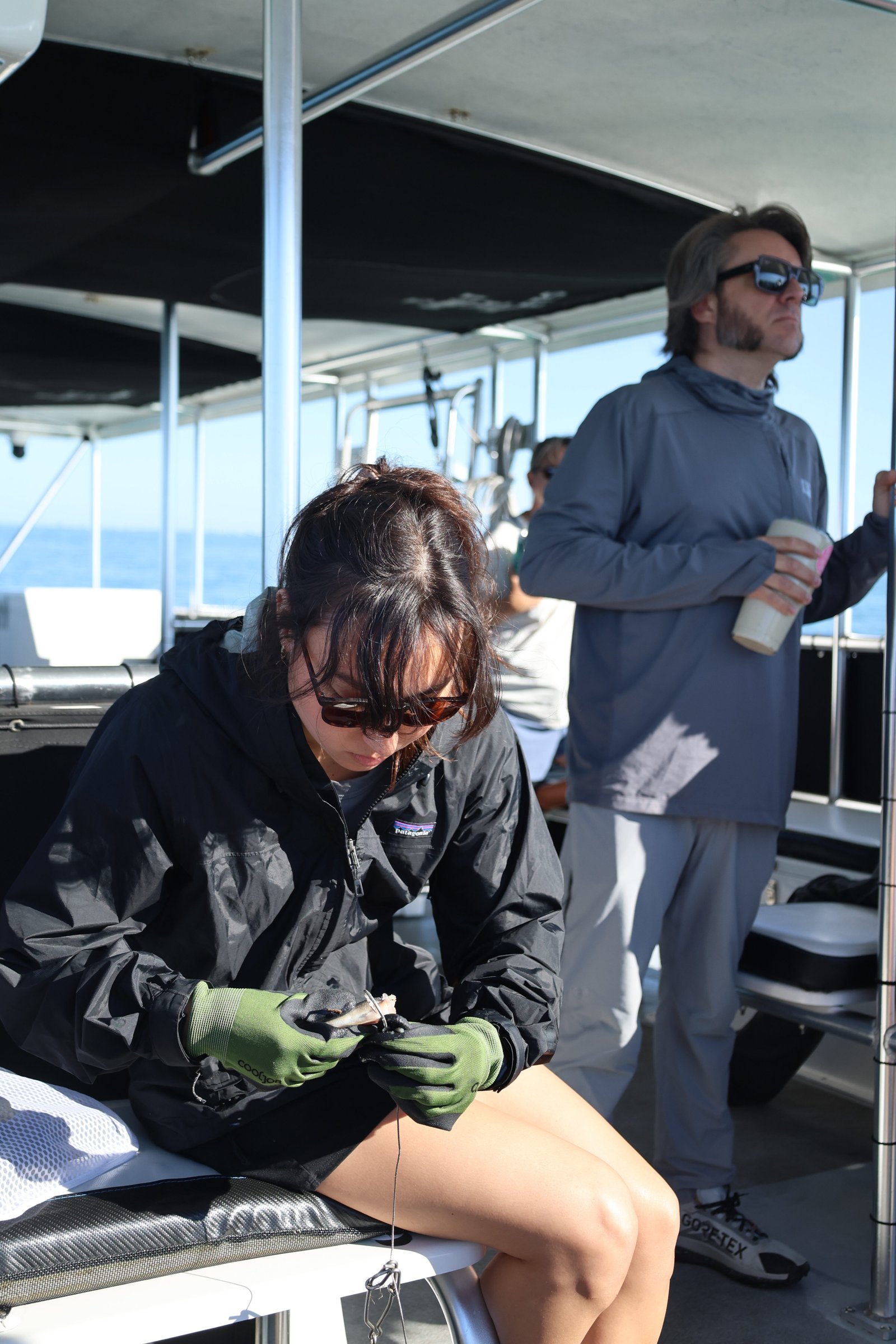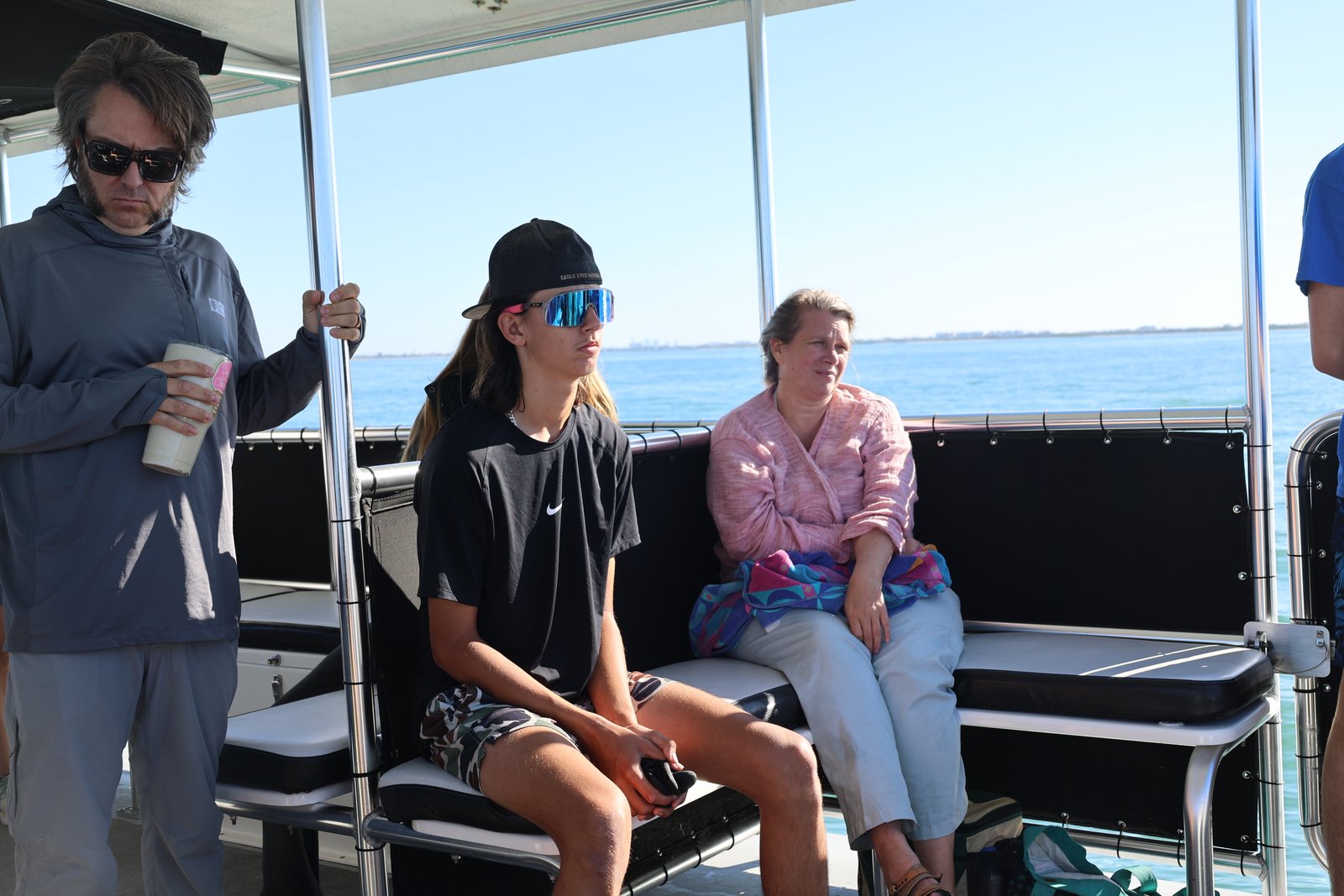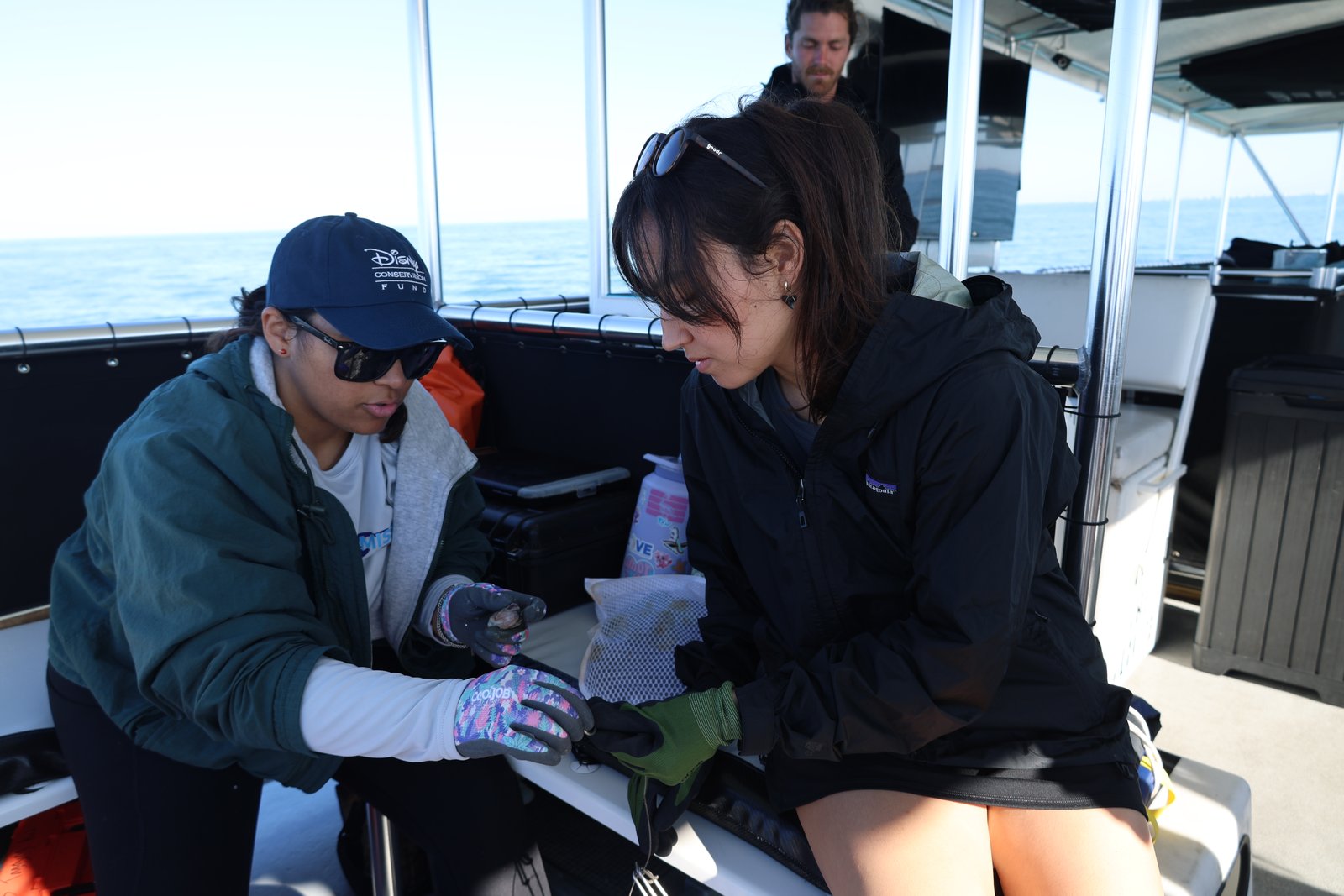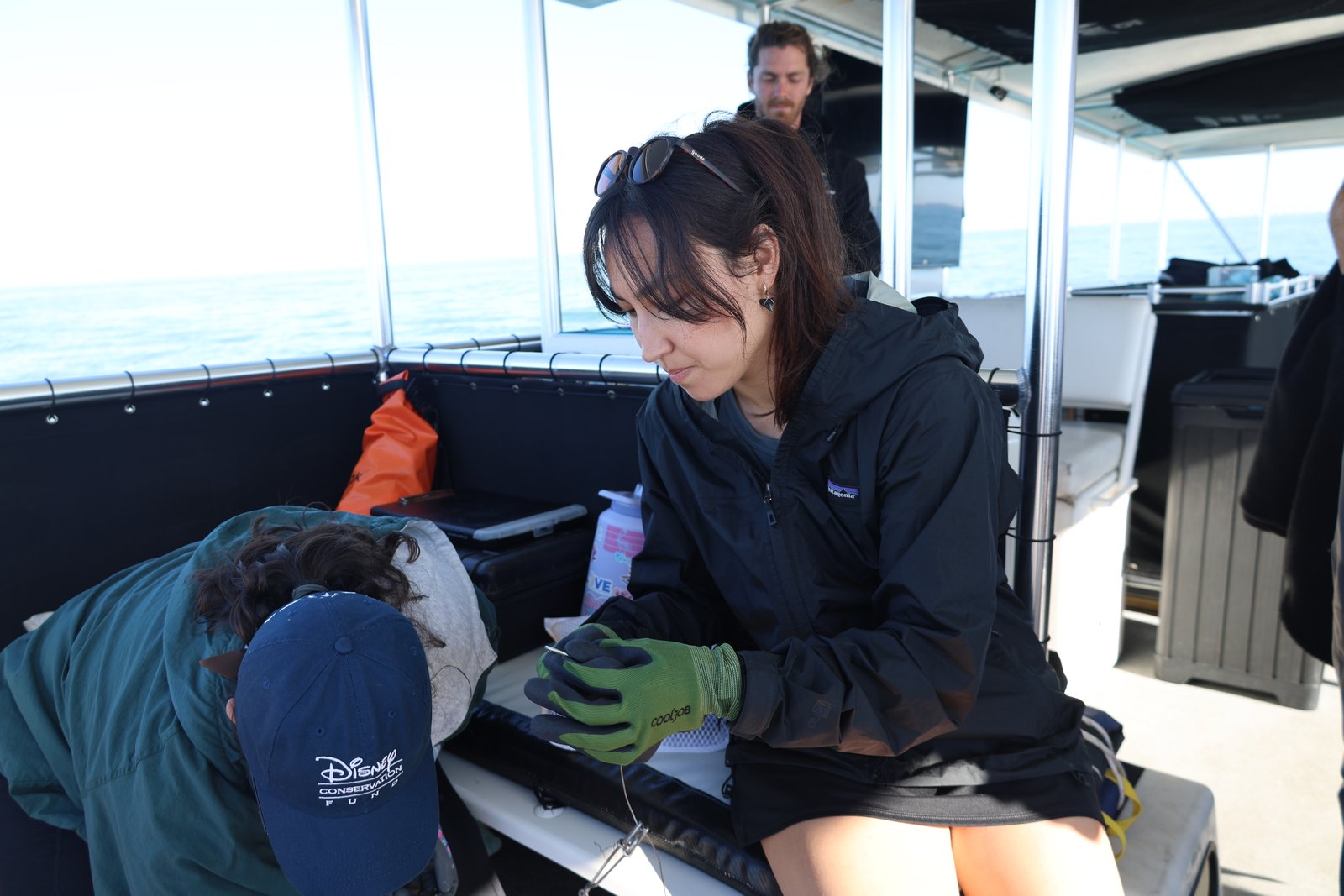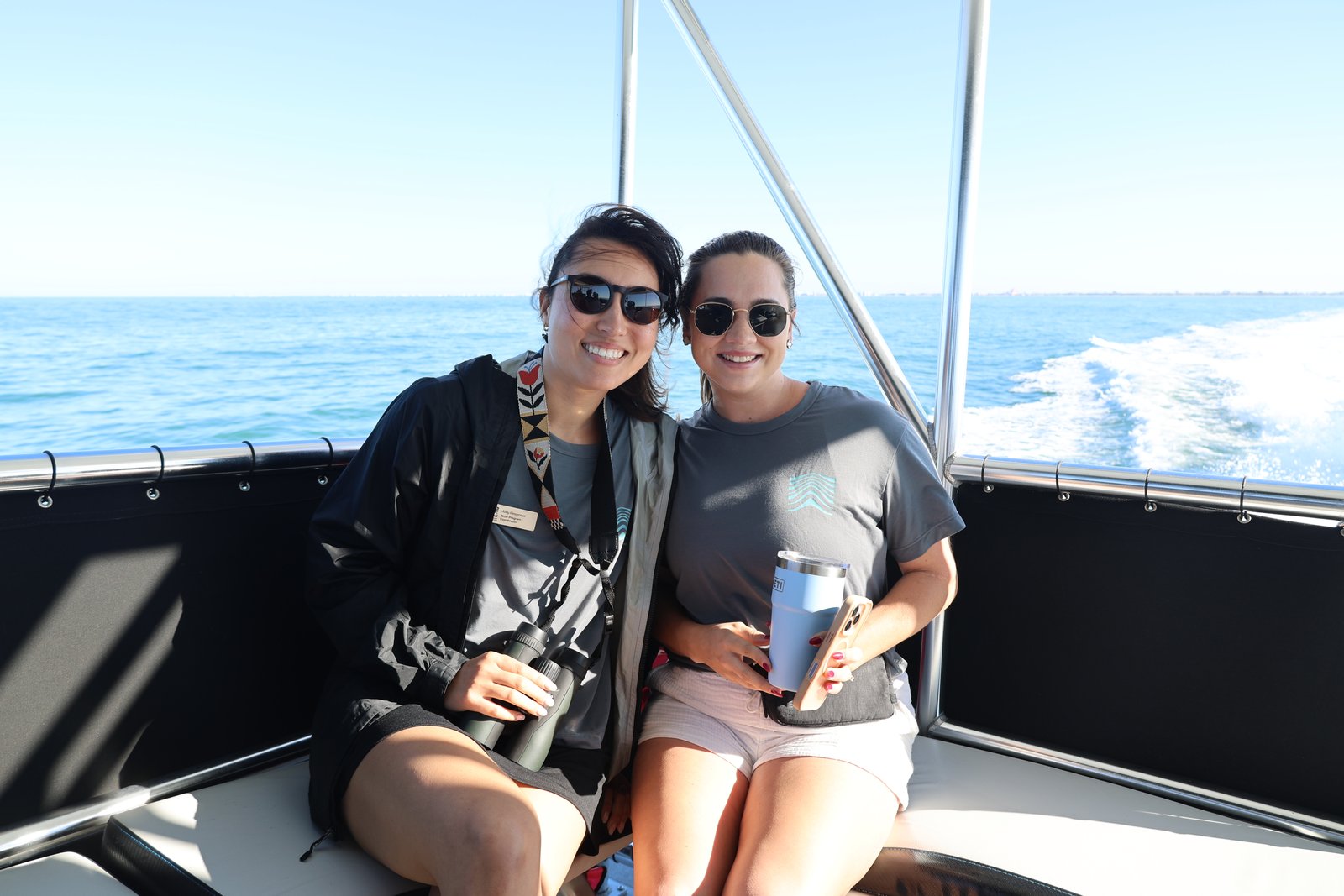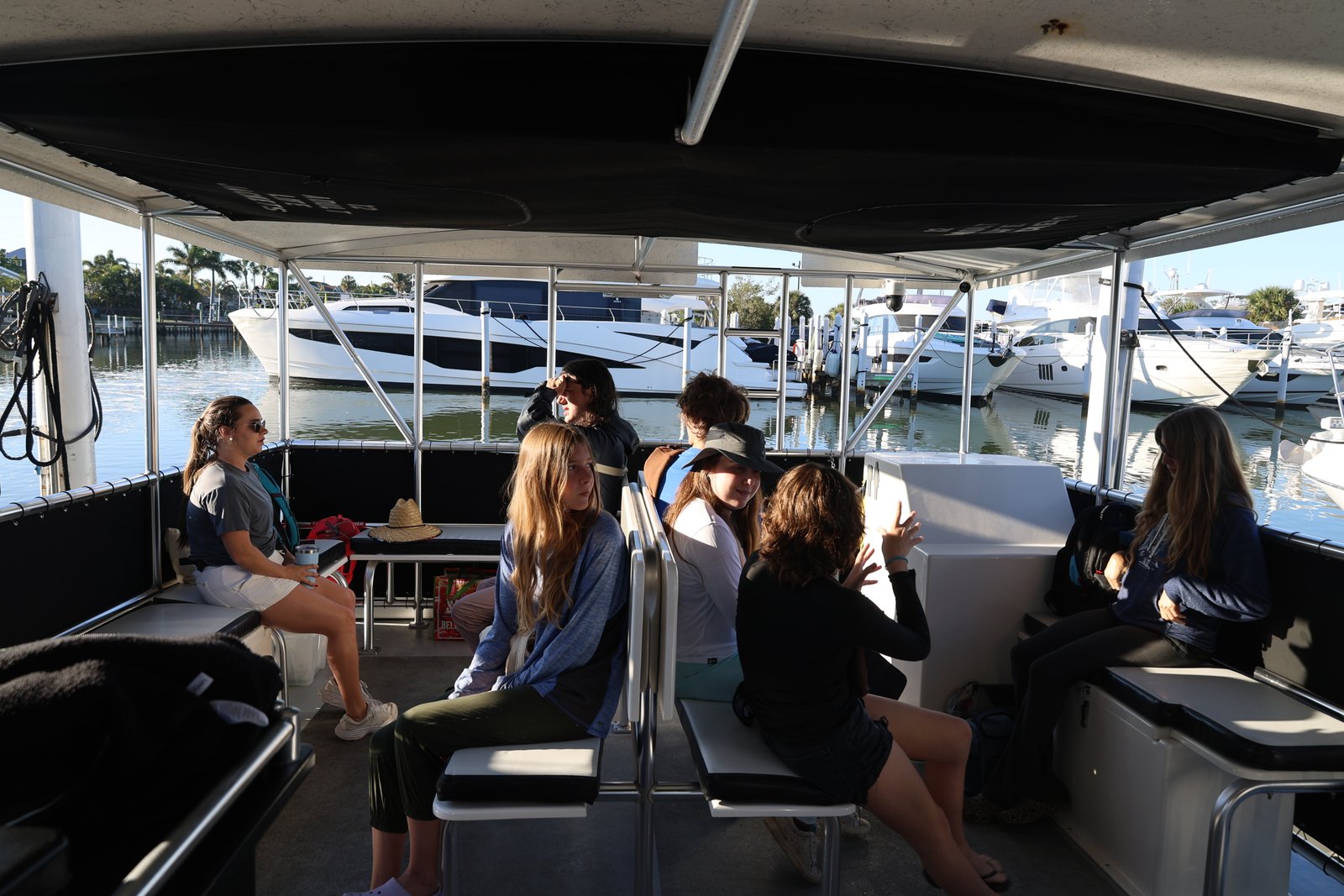

On Monday March 23, MAR partnered with Minorities in Shark Sciences (MISS) to share a floating classroom experience with a group of homeschool students from Sarasota, Florida. While on board with Coastal Cruises, students learned about the science of shark tagging and how coastal ecosystems are connected.
Shark Tagging: The Science
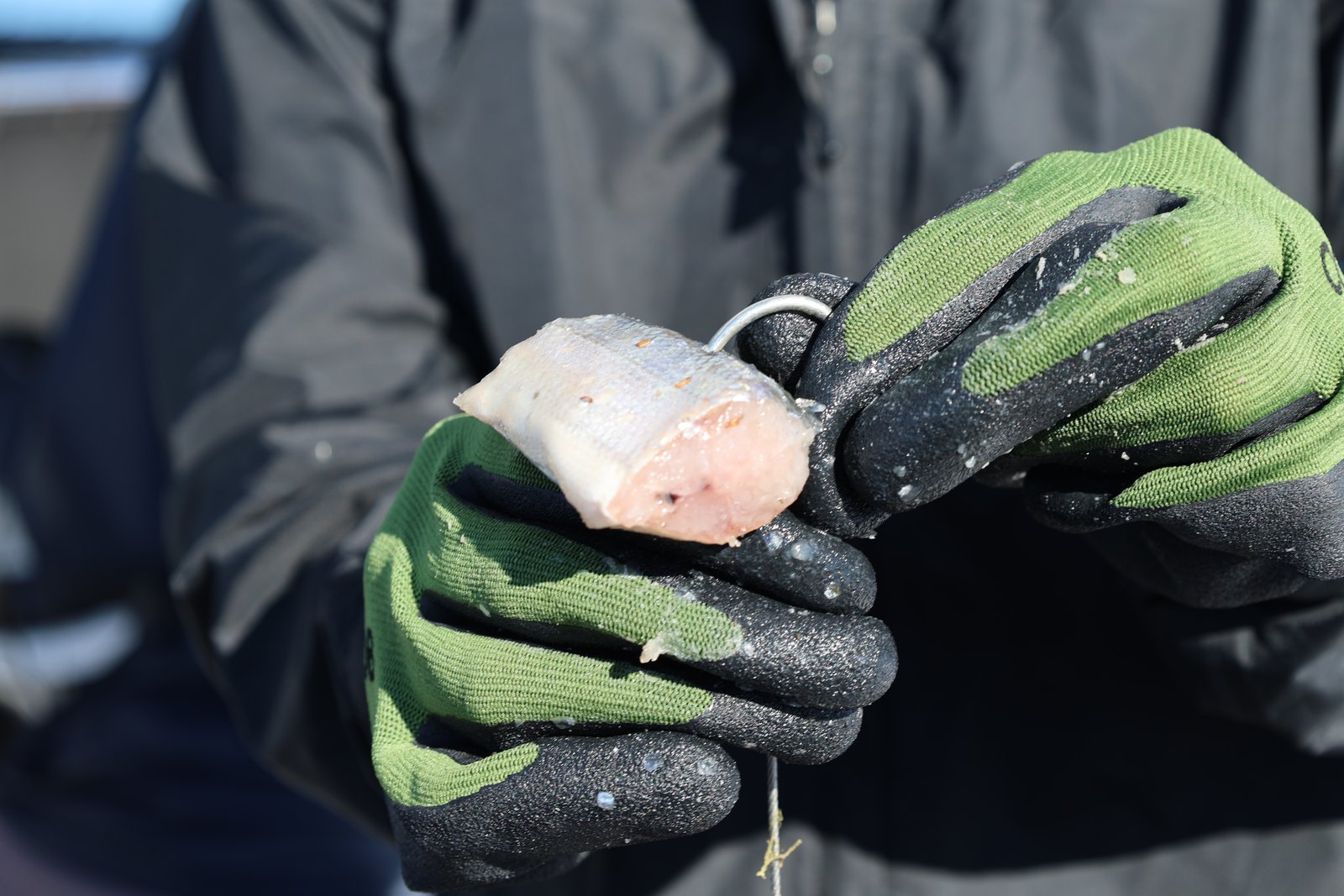
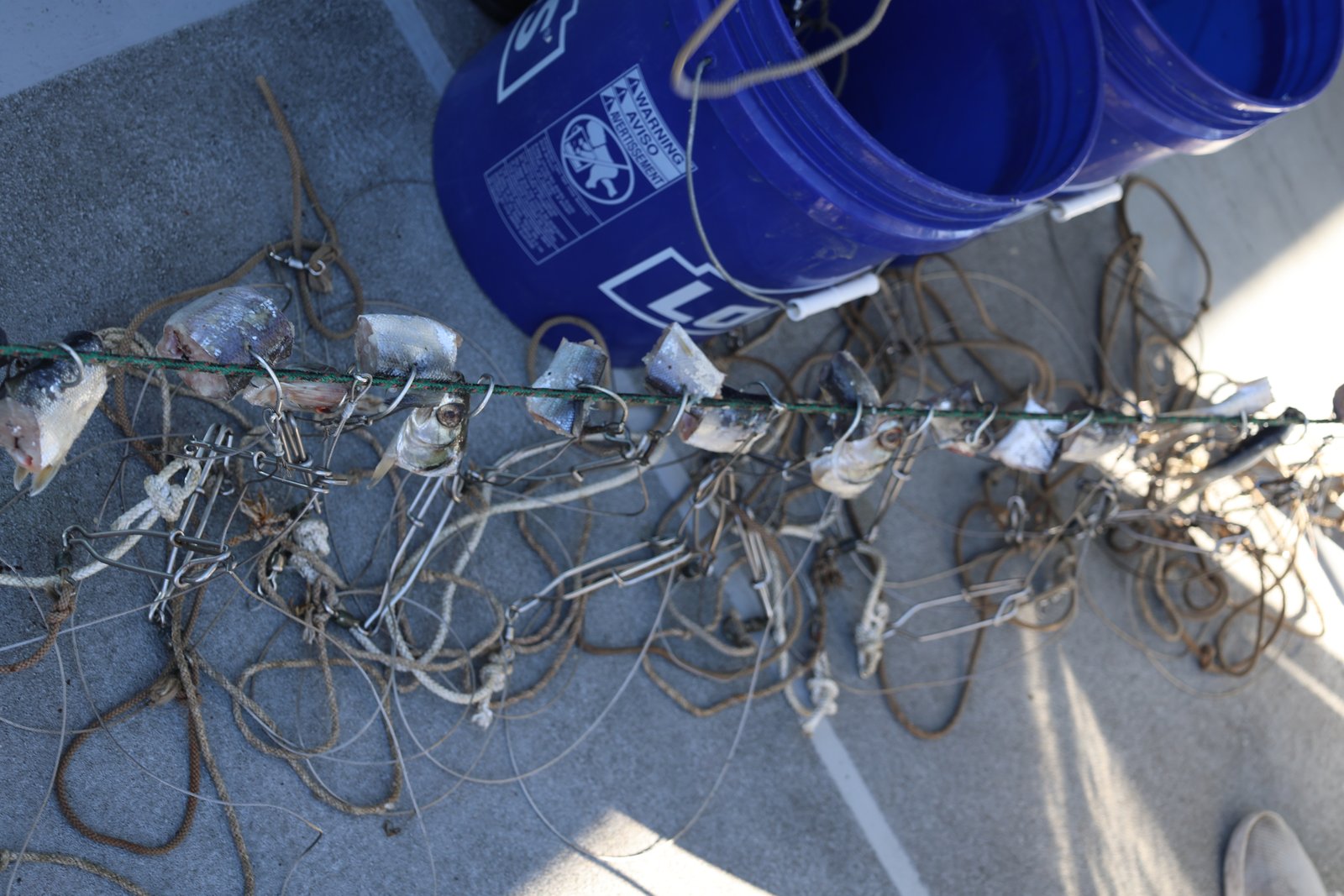
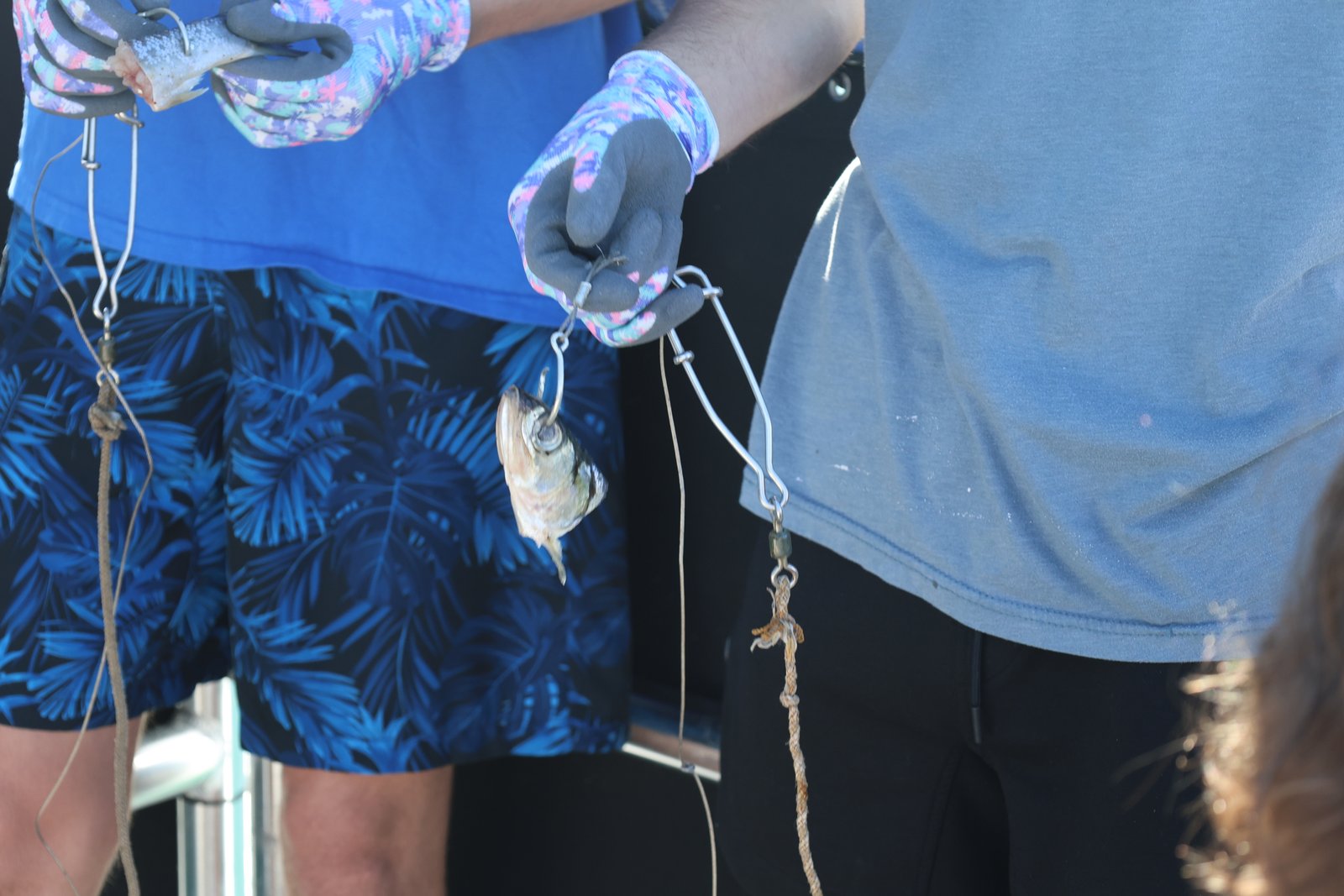
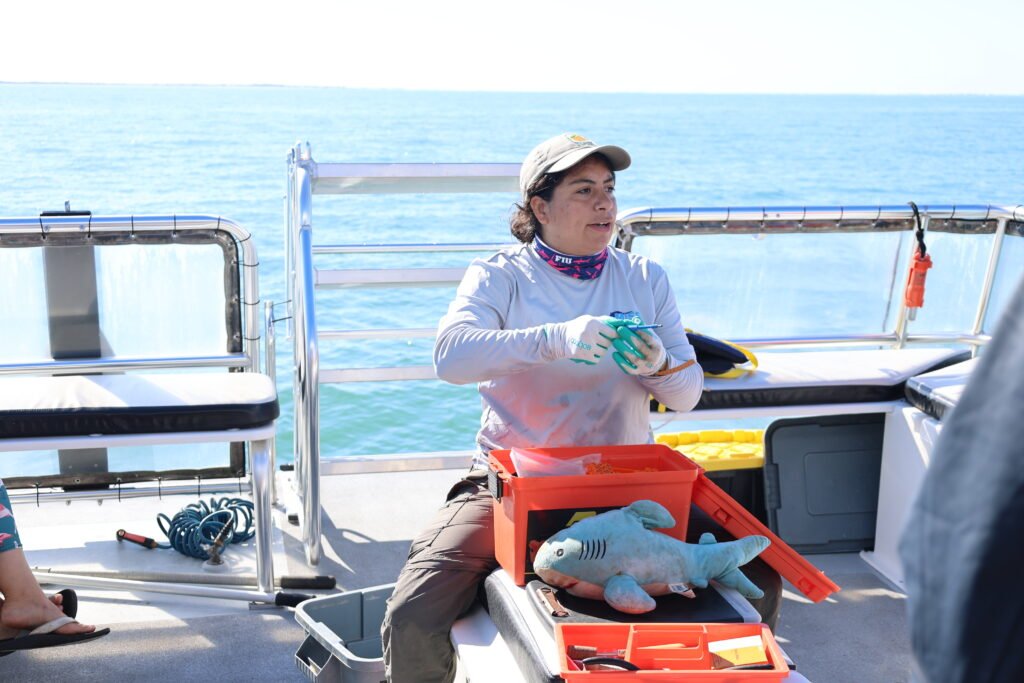
As part of the excursion, MISS led a shark tagging experience where students gained hands-on exposure to the process of safely catching, tagging, and releasing a shark. Components included in the tagging procedure include taking measurements on the shark’s length, taking blood and muscle samples for lab analysis, and placing a tag near the dorsal fin. Shark tagging plays an important role in conservation efforts because it allows scientists to better understand sharks through their physiology and behavior. Although we did not catch any sharks on the trip, a key message was reinforced: protecting sharks starts with understanding them.
A Shark’s Role in the Ecosystem
Sharks play a critical role in keeping ocean ecosystems balanced. As apex predators, they help regulate populations of other marine species, preventing any one group from becoming overpopulated. They often target weak or sick individuals, which helps maintain healthier populations overall. Beyond managing populations, sharks also influence how other species behave, shaping where they feed and move, which helps protect important habitats like seagrass beds and coral reefs from overgrazing. This balance supports greater biodiversity and keeps marine ecosystems resilient.
When shark populations decline, the effects can ripple throughout the entire food web, leading to imbalances that impact both marine life and the health of the ocean as a whole. By helping maintain balance in the ocean, sharks demonstrate just how interconnected and essential every part of the ecosystem truly is.
Active research, like the work being done with MISS, is contributing to global shark science literature. Data collected through shark tagging can be used to better understand the role sharks play in ecosystems and how we can protect them.
This summer, MAR will be partnering with MISS for another shark tagging trip as part of their summer camp. Follow along on MAR’s website and social media pages to stay current with upcoming stories and volunteer opportunities.
References
Florida International University. (n.d.). Ecological importance of Sharks. FIU Institute of Environment. https://environment.fiu.edu/what-we-study/projects/ecological-role-of-sharks/
Mullin, C. (2025, April). How Sharks Keep the Ocean Healthy. NOAA Office of National Marine Sanctuaries. https://sanctuaries.noaa.gov/news/2025/how-sharks-keep-the-ocean-healthy.html
Event Photos