
Benefits of Rivers
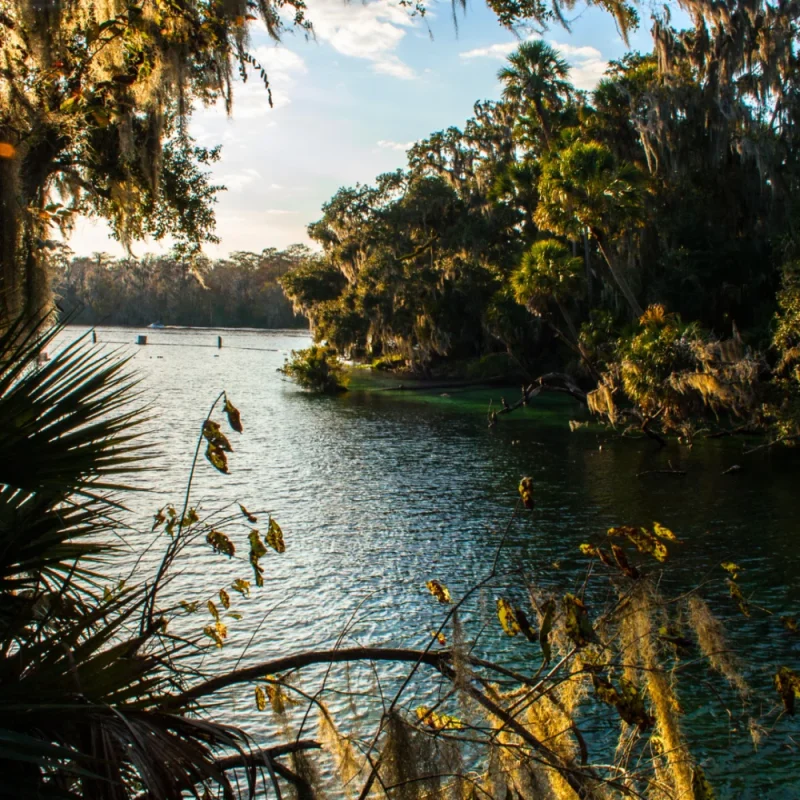
Many communities and organisms are dependent on rivers for their habitats, water source, and impact on the environment. For communities, rivers are a source of drinking water, transportation, hydroelectric power, and plant irrigation. Not to mention tourism and recreation, which is a vital part of the Florida economy. Fish and other organisms depend on rivers for the habitats that they provide. Freshwater fish like bass, catfish, and bluegill thrive in freshwater rivers, as well as migratory species like trout and alewife fish. Rivers are even home to invertebrates that fish feed on, and a variety of freshwater vegetation.
Four Classifications of Rivers in Florida
Sand Bottom Streams: Considered the most common type of stream in Florida, they typically have lower pH and moderately swift currents.
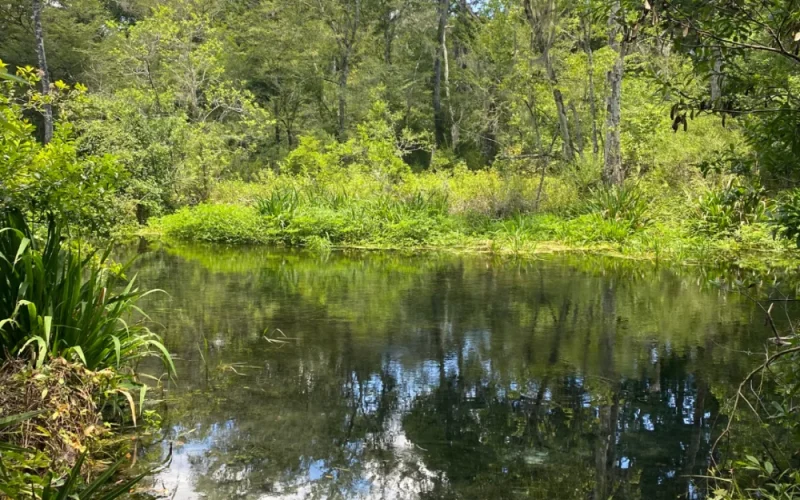
Calcareous streams: These are cold temperature streams that are rich in calcium and phosphorus. They originate from springs, and are home to diverse vegetation and animals.
Large Rivers: This type of river often flows into the Gulf or Atlantic ocean, and is home to both saltwater and freshwater organisms. They are also characterized as turbid waters, meaning that they contain suspended silt and clay.
Swamp and Bog Streams: Swamp and bog streams have a common name of “blackwater” rivers, because of their tea or dark colored waters. Their water is acidic and has slow currents, and these streams originate from marshes, swamps, and other coastal lowlands.
The nature of Florida has so many unique stories to tell! To learn more about our ecosystems and how to protect them, follow us on social media!