
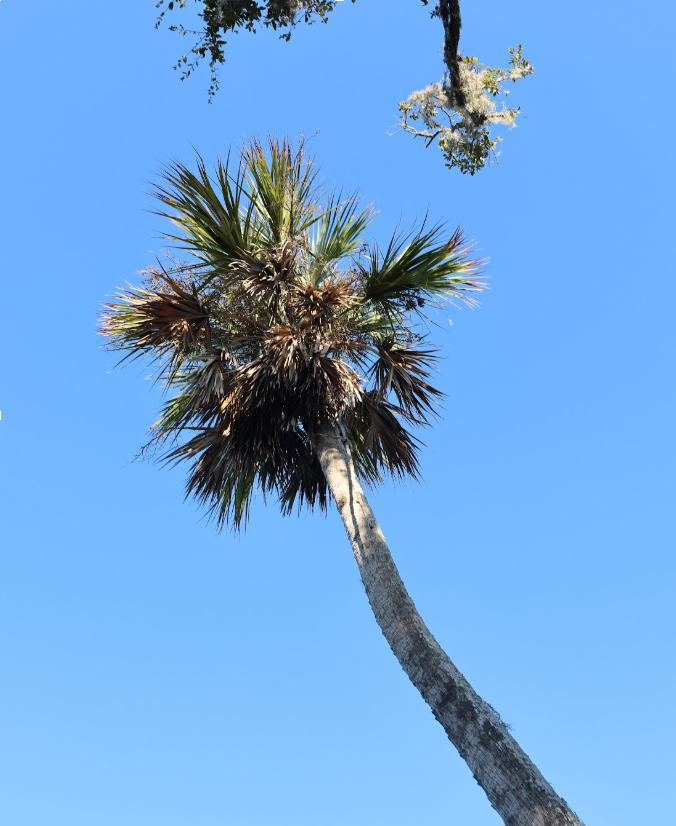
The Sabal Palm (Sabal Palmetto), also known as the Cabbage Palm, is Florida’s official state tree, for good reason. It is the classic palm tree most people picture when they think of Florida: a tall palm with a uniform trunk that leads up to a fan of palm fronds at the top. It grows all throughout the state of Florida in multiple different ecosystems, and provides habitat, food, and shade for a variety of wildlife!
Key Takeaways
- Sabal Palms are Florida’s official state tree and the most widely distributed palm in the state, thriving in many different types of habitats.
- They’re a major wildlife resource, feeding birds, raccoons, deer, and black bears while also sheltering ferns, vines, and nesting animals in their trunk “boots.”
- They are very hardy and tolerant, and can be planted from a seed or transplanted as a small tree.
Facts About the Sabal Palm
These impressive trees can grow up to 80 feet tall and live over 100 years, but live for the first 10-15 years of their life as a short shrub, developing their underground root system before adding height to their trunk. They bloom in the late spring to early summer, producing small, creamy white flowers on arching stalks. The fruit stage follows in late summer and fall when they produce small, shiny black fruits with a single seed in each.
This unique Florida native is highly tolerant to salty, sandy, and wet soils, which allows it to grow in many different habitats including coastal dunes, flatwoods, swamps, and hammocks. It is the most widely distributed palm in Florida, making it a fitting choice for the state tree.
Benefits of the Sabal Palm
Native Americans used to call the sabal palm the “tree of life” because it provided them with food, shelter, and the materials to make tools. Today, the sabal palm provides benefits to more wildlife than any other variety of Florida native plant.
Many species of animals will eat the small berries that sabal palms produce. They feed a variety of birds, raccoons, deer, and even black bears. They also provide shelter and nesting material for all of these species and more! In addition to providing animal habitat, sabal palms will host other plants such as ferns and vines in their “boots” (the remnants of leaf bases below the palm fronds). To read more about the benefits of planting trees, check out this previous MAR blog.
Instructions for Planting
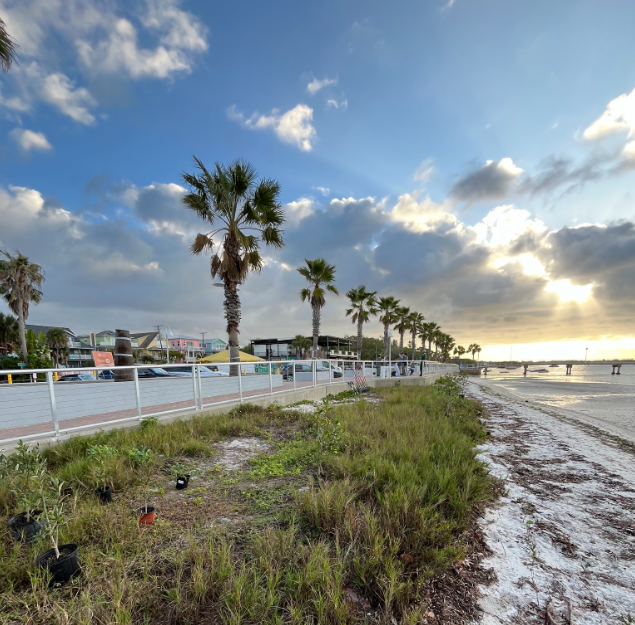
Sabal Palms are very hardy trees that can be planted from seeds or transplanted as adult trees in any of the habitats mentioned above. They are very slow growing, and take at least ten years to begin growing vertically. Because of this, transplanting is a better option if you are looking for immediate benefits from a tall, hardy palm tree. However, trees can be difficult to transport when they are larger than a seedling but not large enough to have a trunk, so be sure to transplant before or after this stage of growth. If you do choose to plant from seeds, the seeds should be planted .5-1 inch deep in soil and kept moist for 30 days.
When deciding if a sabal palm is the right choice for your planting site, consider the type of soil that is present there. Sabal palms thrive in calcium-rich, neutral to alkaline soils. They do best in spots with full sun, but can also tolerate partial shade. Overall they are very tolerant, hardy trees that can contribute many benefits to the ecosystem they are planted in.
If you are looking to plant a sabal palm in your own yard, you can find a list of native Florida nurseries that have them in stock here!
Caring for your Sabal Palm
The most important thing to know about maintaining sabal palms is not to over-prune them! It is healthier for the tree if you let the brown fronds fall off on their own, because the tree will continue to absorb nutrients from the fronds as they are turning brown. Brown fronds also make great habitats for wildlife such as birds and bats!
Learn More About Florida Natives!
To learn more about the best types of Florida native plants to include in your garden or landscaping, pick up a copy of MAR’s native plant guidebook, Rooted in Florida: A Journey Though Our Native Trees & Flora.
References:
- Florida Native Plant Society. (n.d.). Sabal palmetto [Plant profile]. Retrieved July 20, 2026, from https://www.fnps.org/plant/sabal-palmetto
- Castro, D. C. (2021, August 4). The sabal palm – Our tree of life. UF/IFAS Extension Broward County. https://blogs.ifas.ufl.edu/browardco/2021/08/04/sabal-palm-tree-of-life/
- Van Deelen, T. R. (1991). Sabal palmetto. In Fire Effects Information System [Online]. U.S. Department of Agriculture, Forest Service, Rocky Mountain Research Station, Fire Sciences Laboratory. https://research.fs.usda.gov/feis/species-reviews/sabpal
- Bell, E. (2023, August 2). Sabal palm. Florida Wildflower Foundation. https://www.flawildflowers.org/flower-friday-sabal-palmetto/