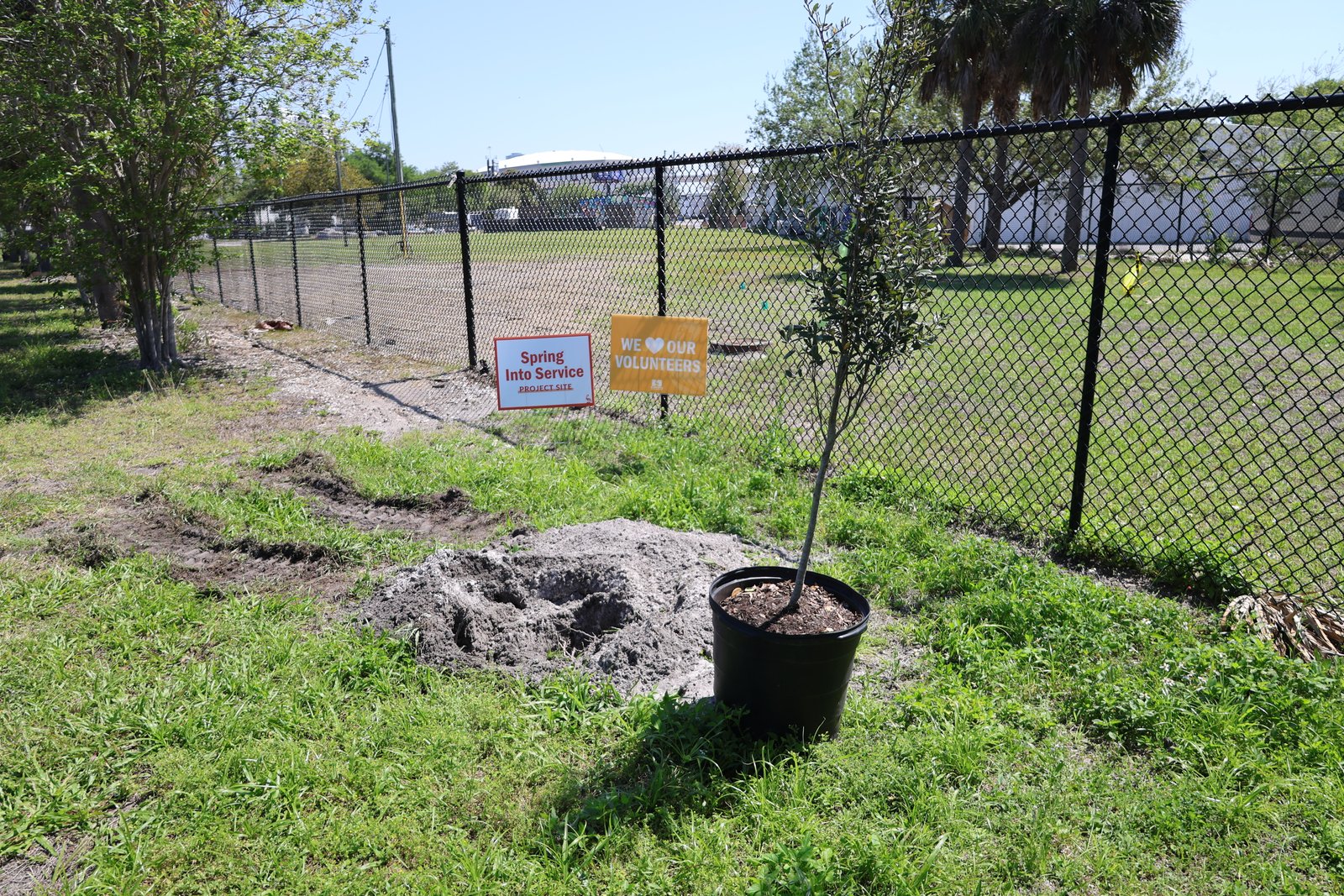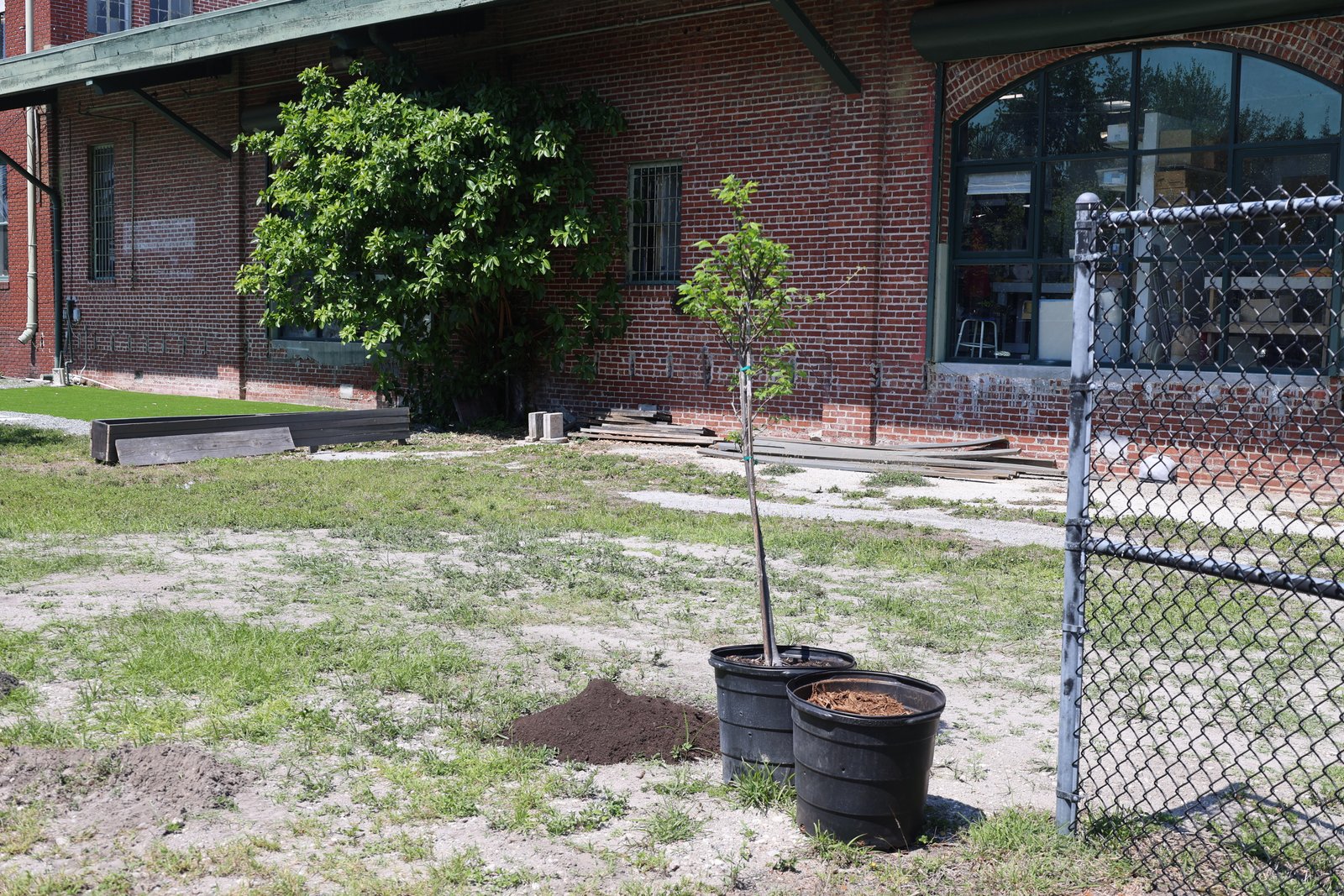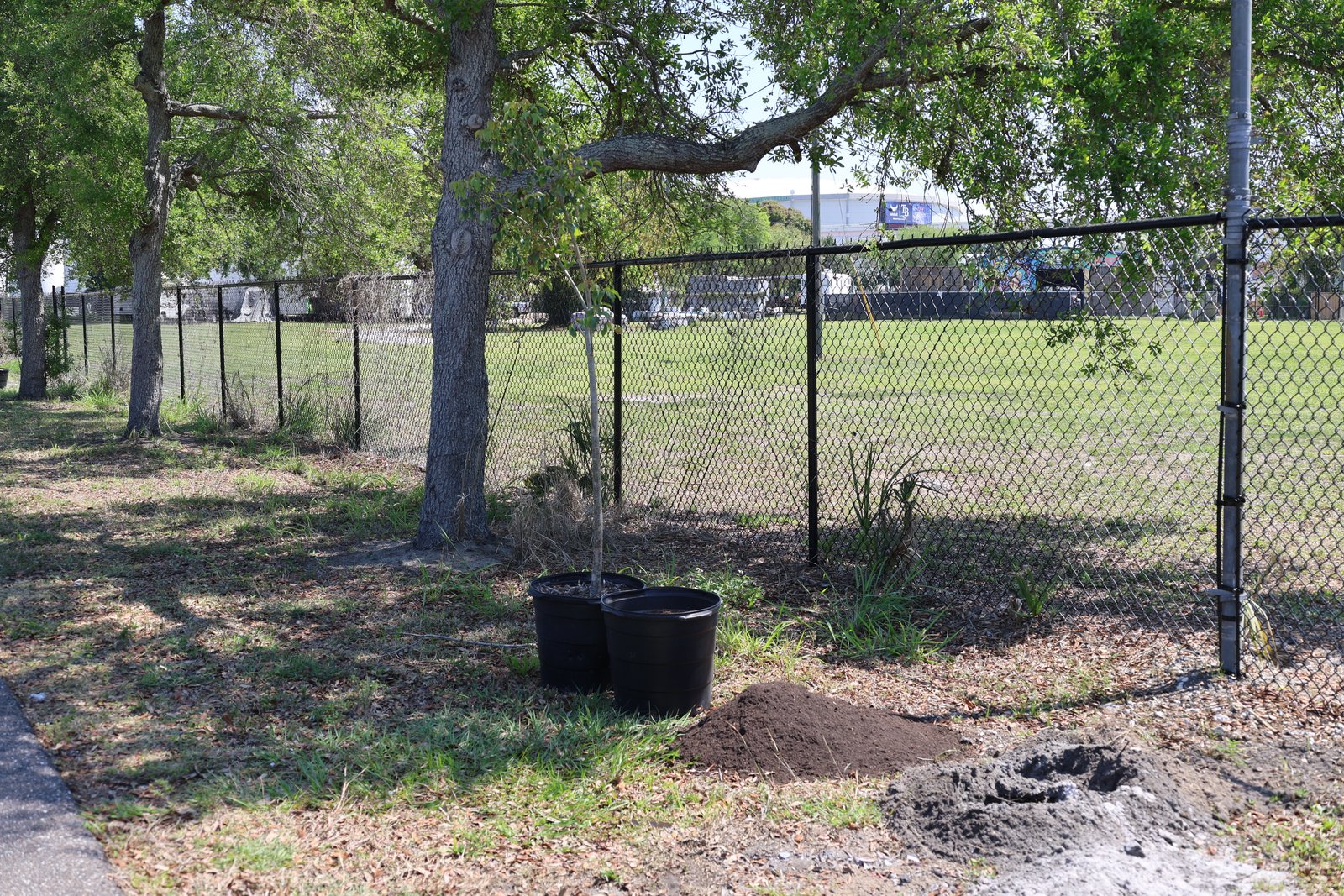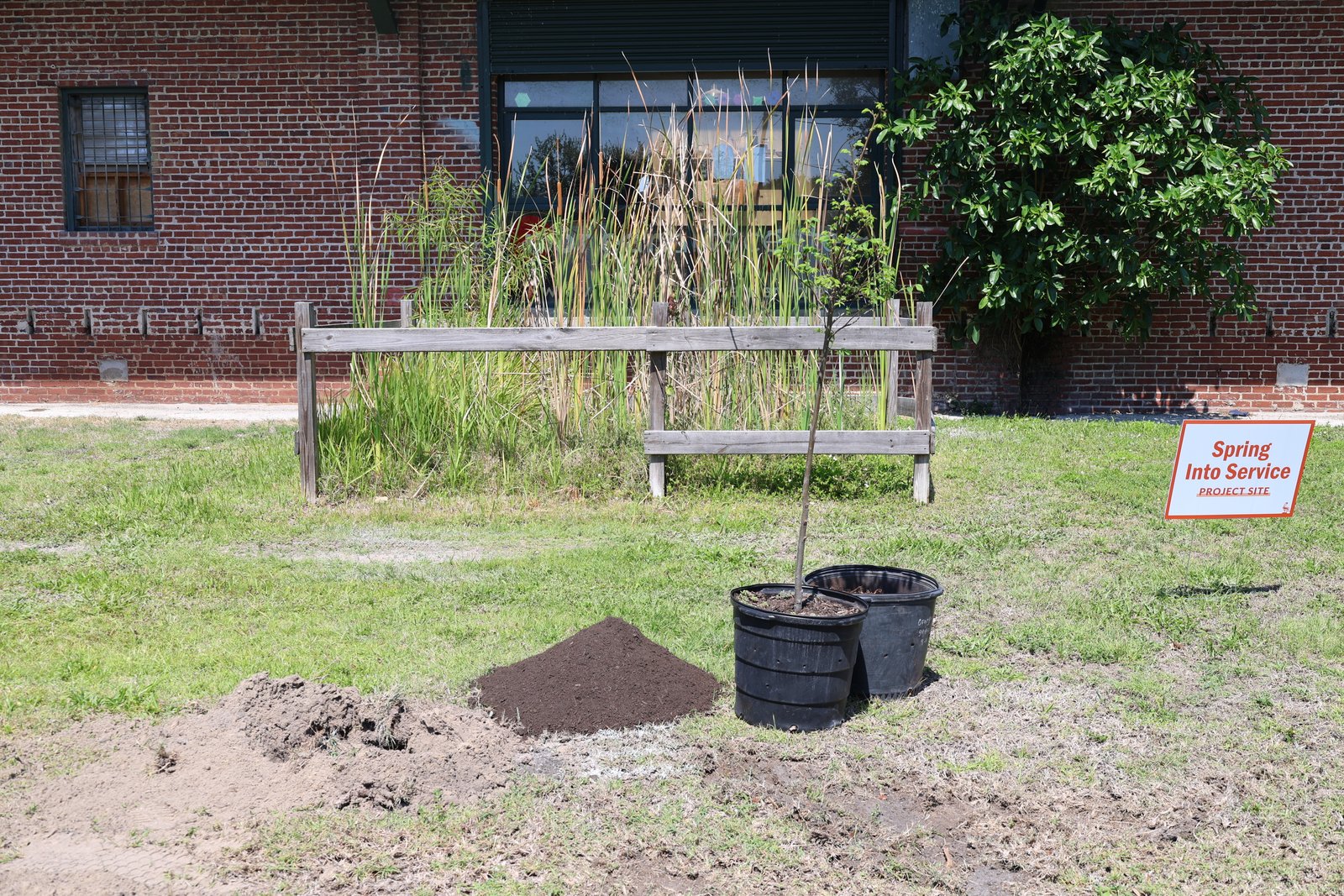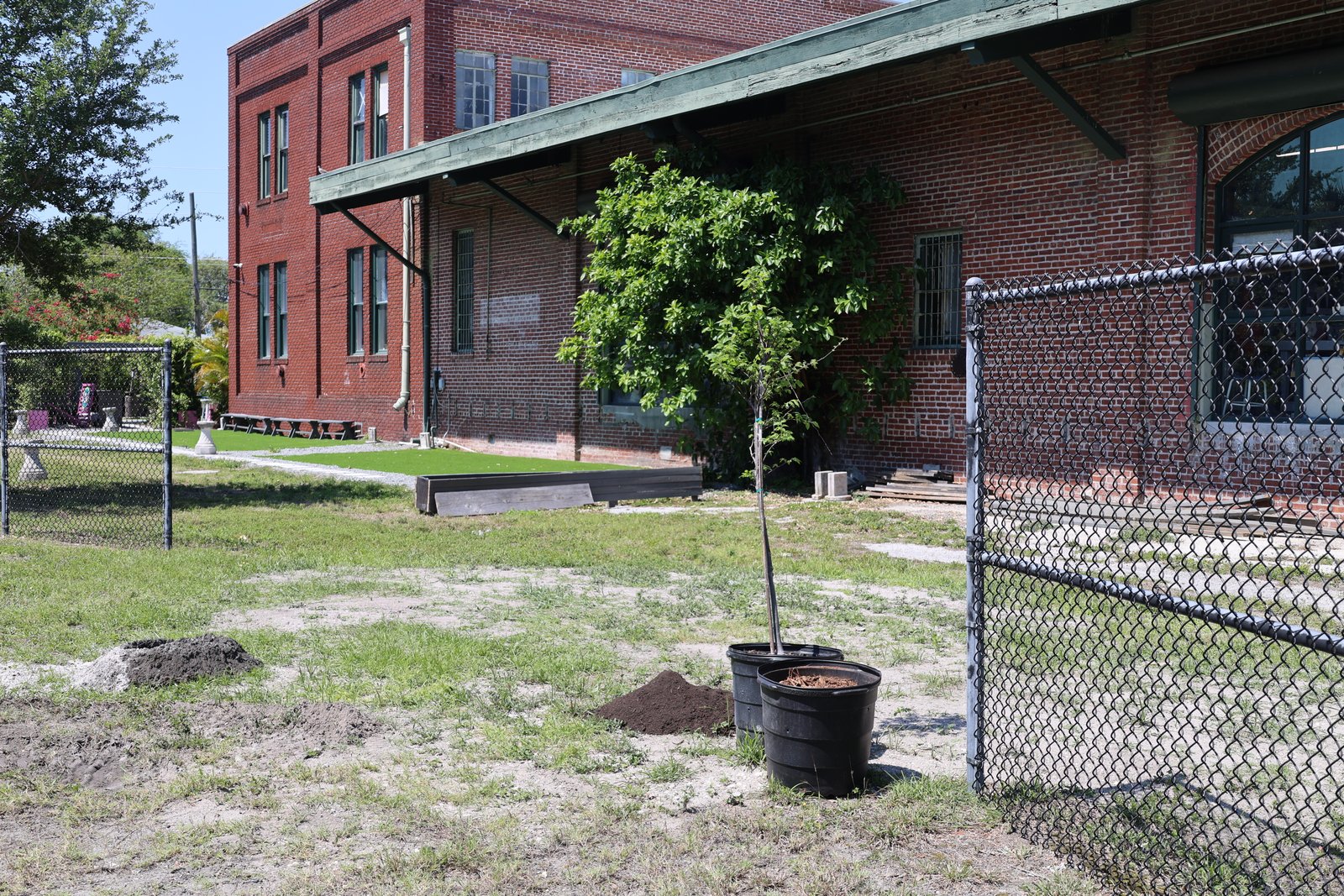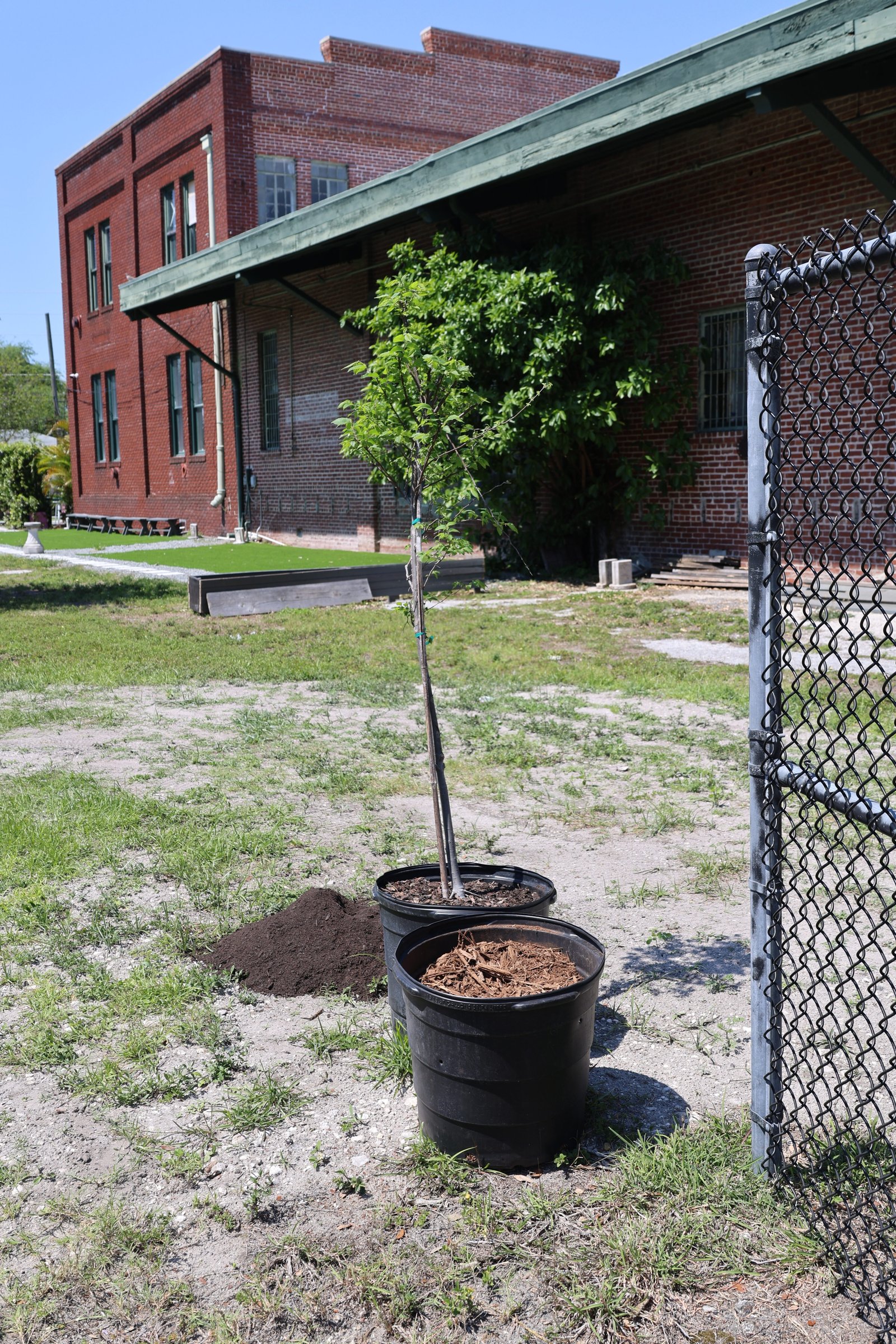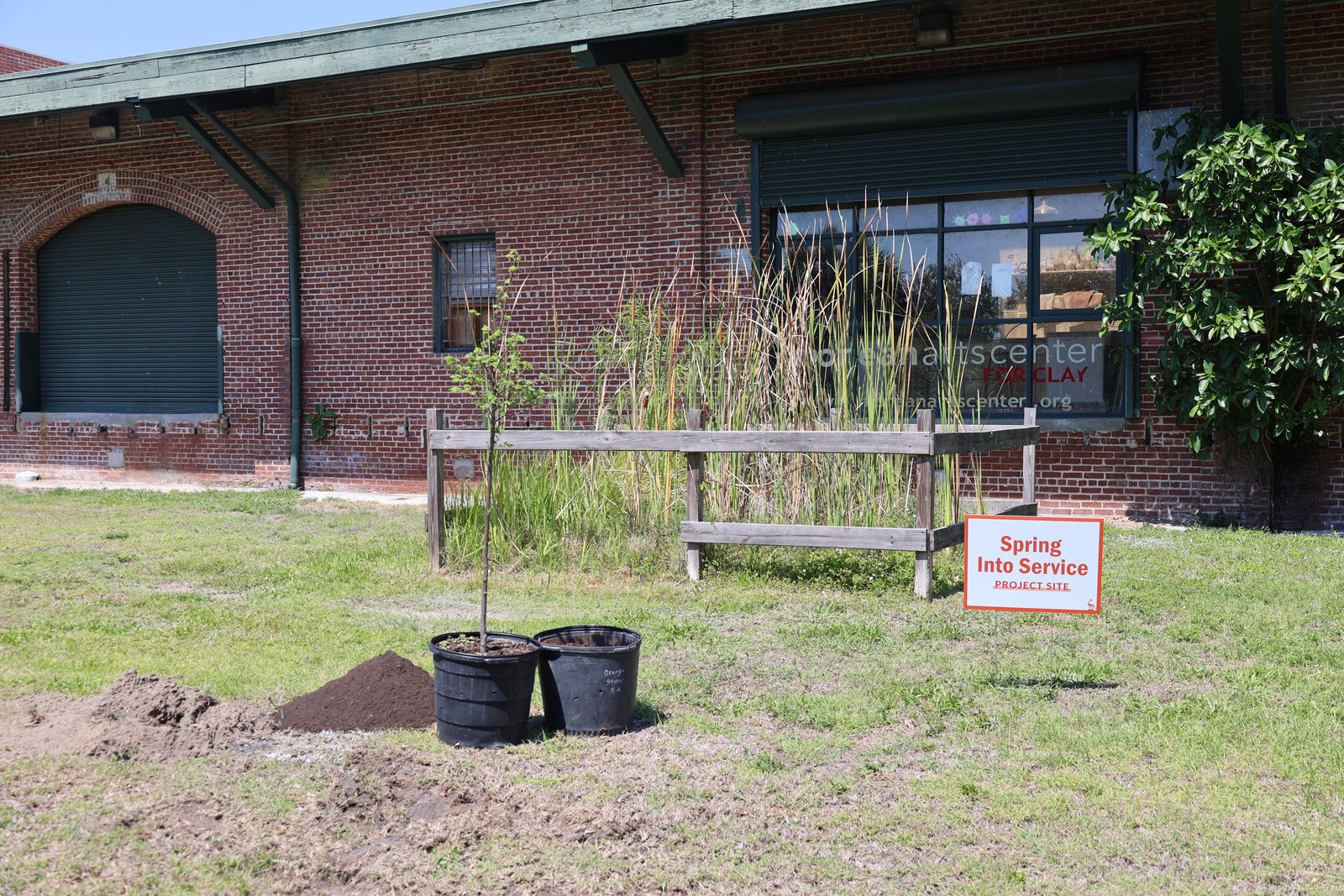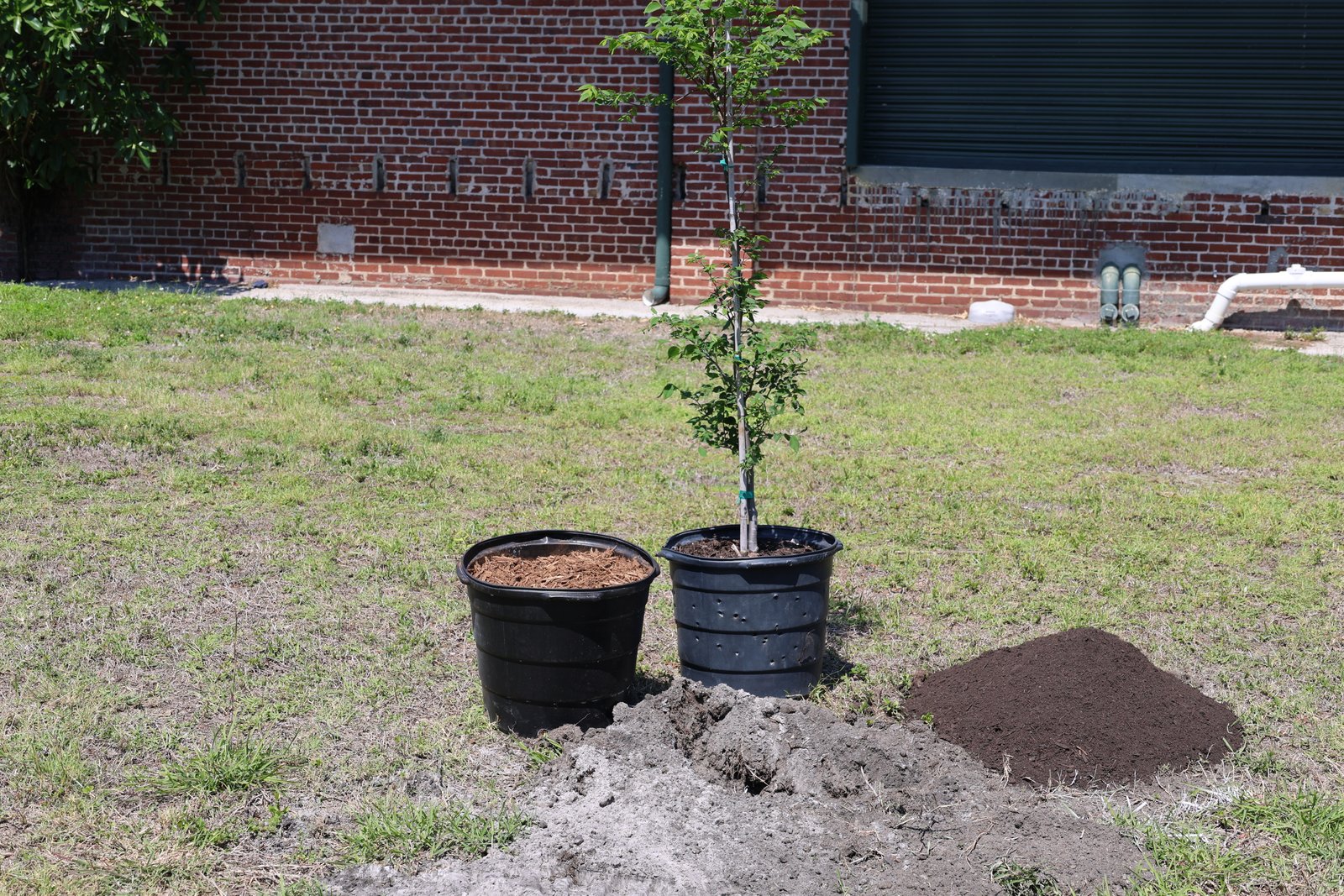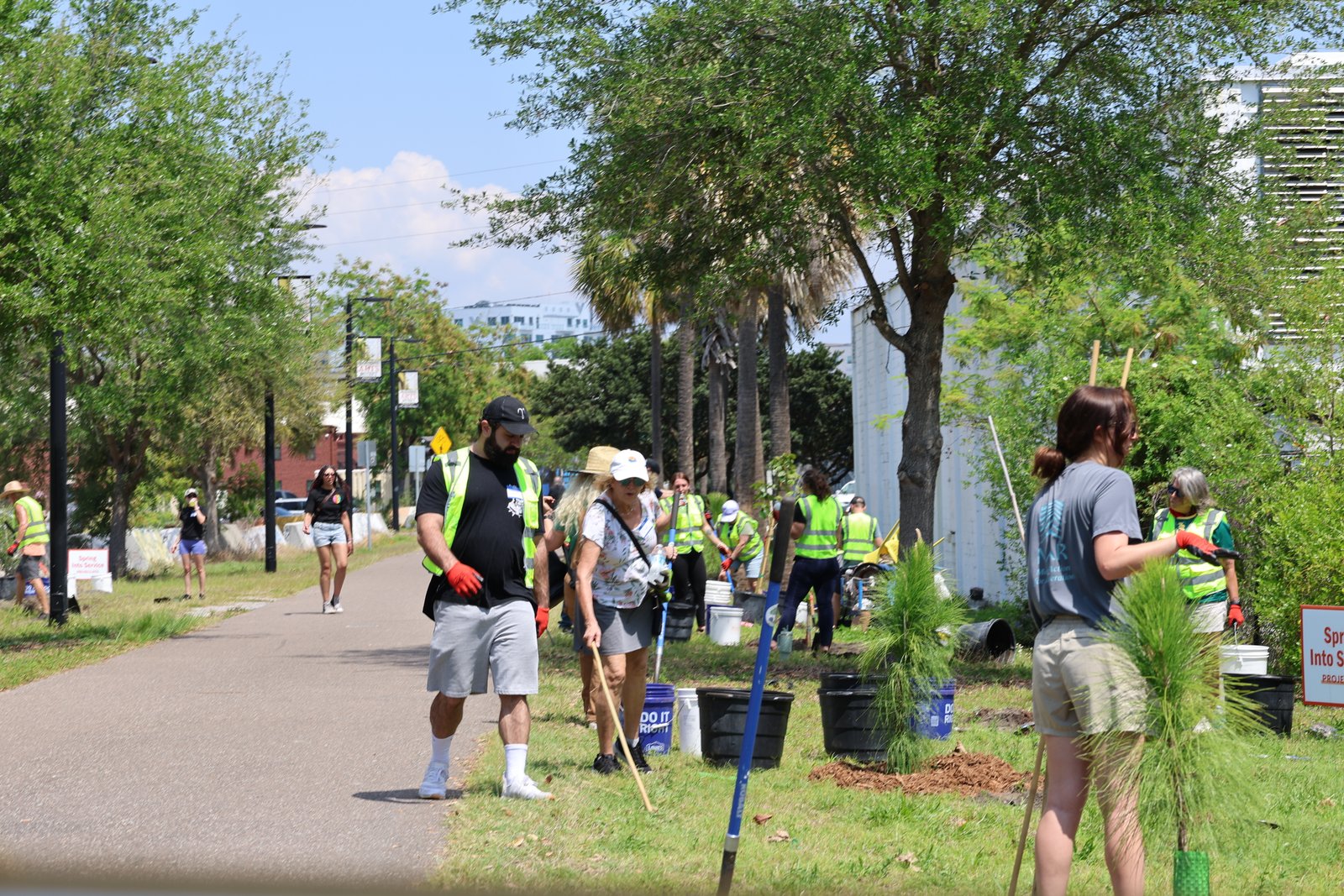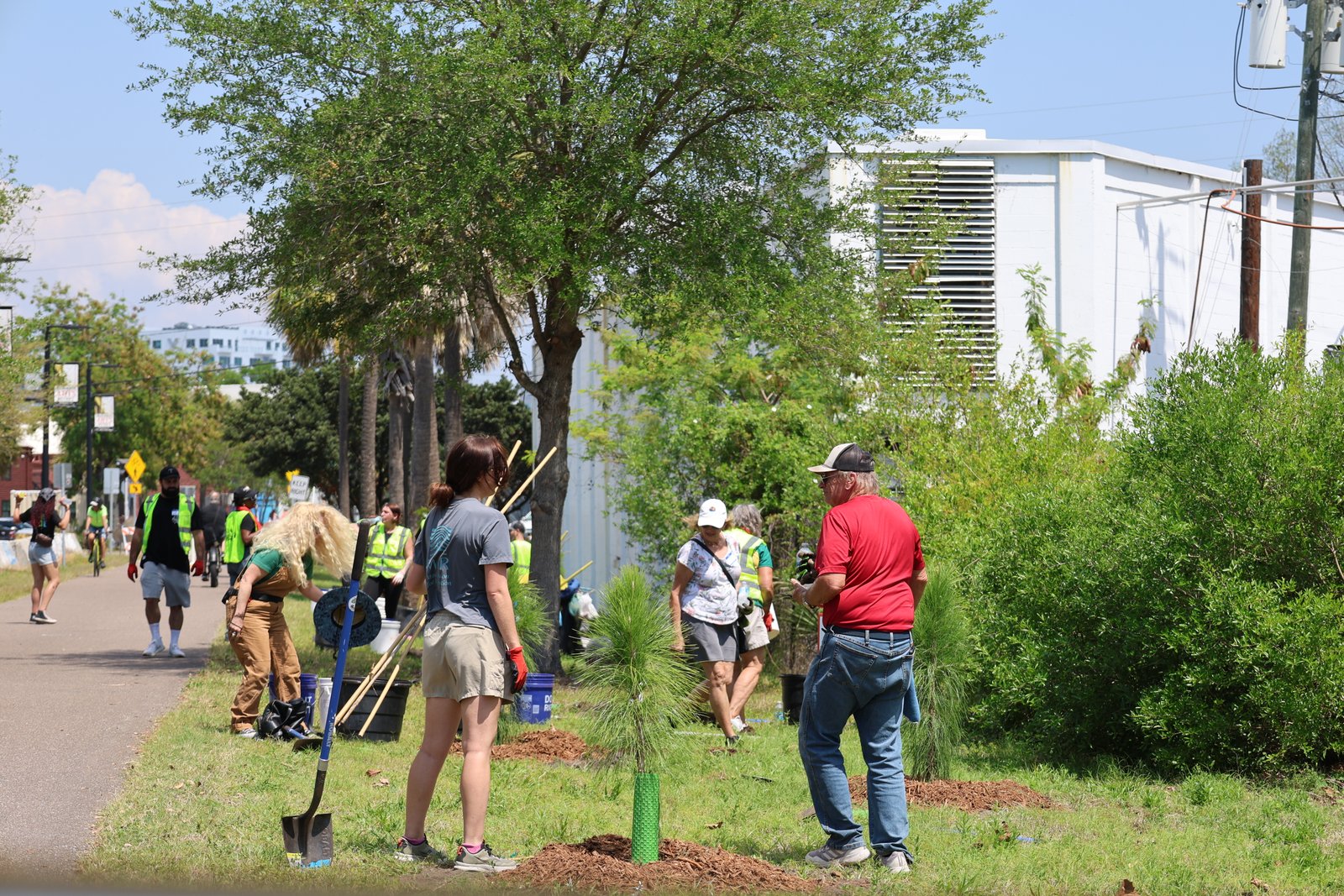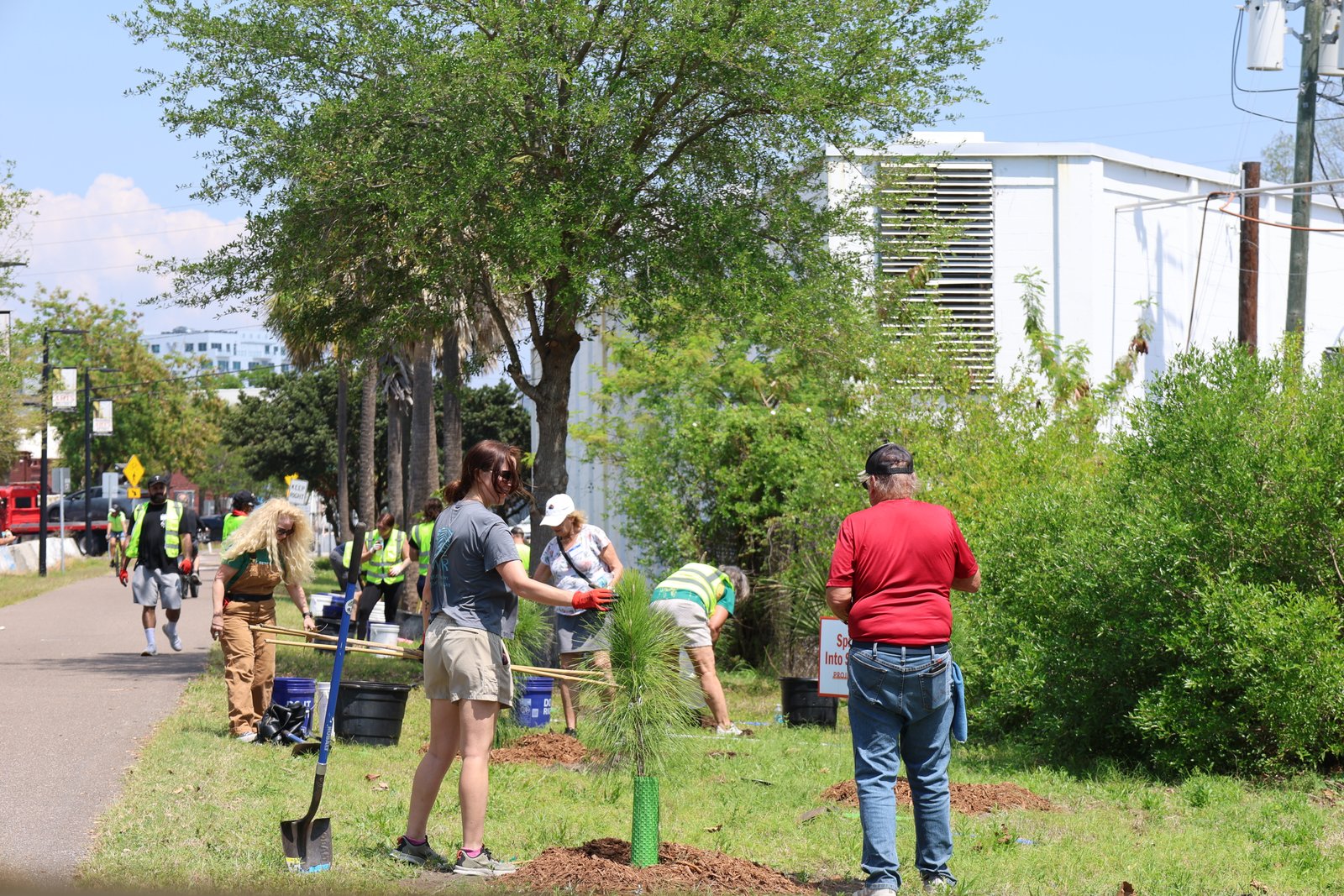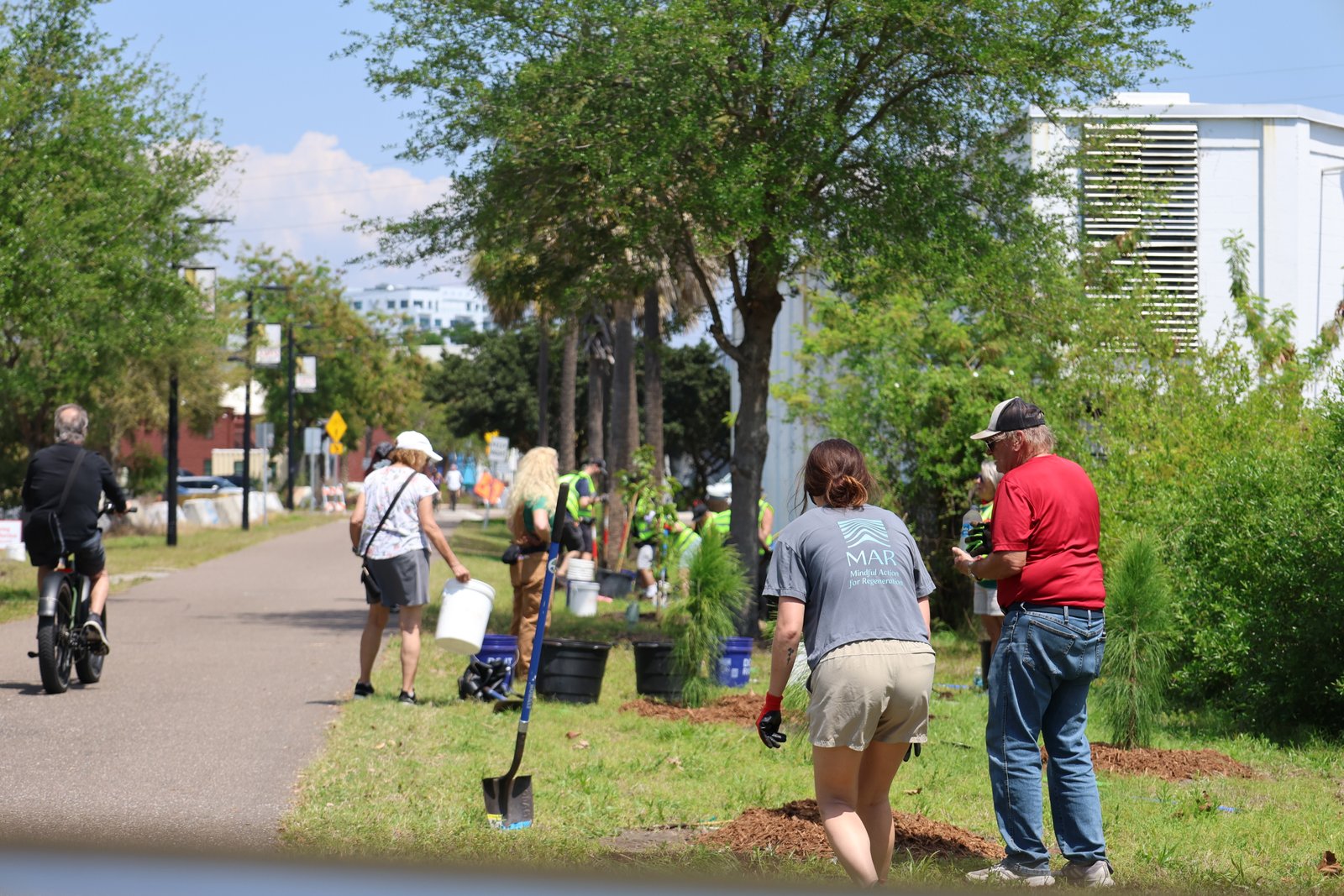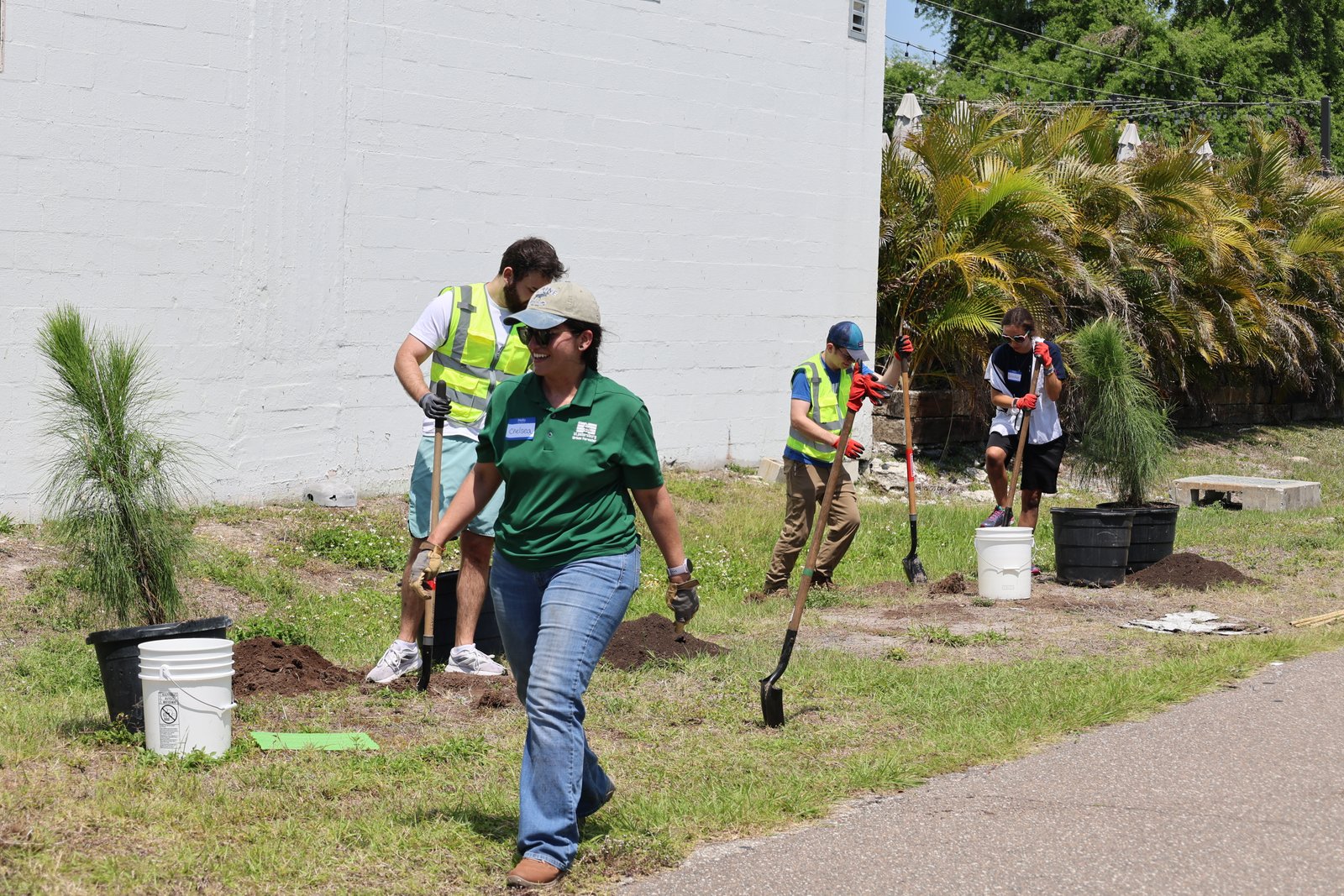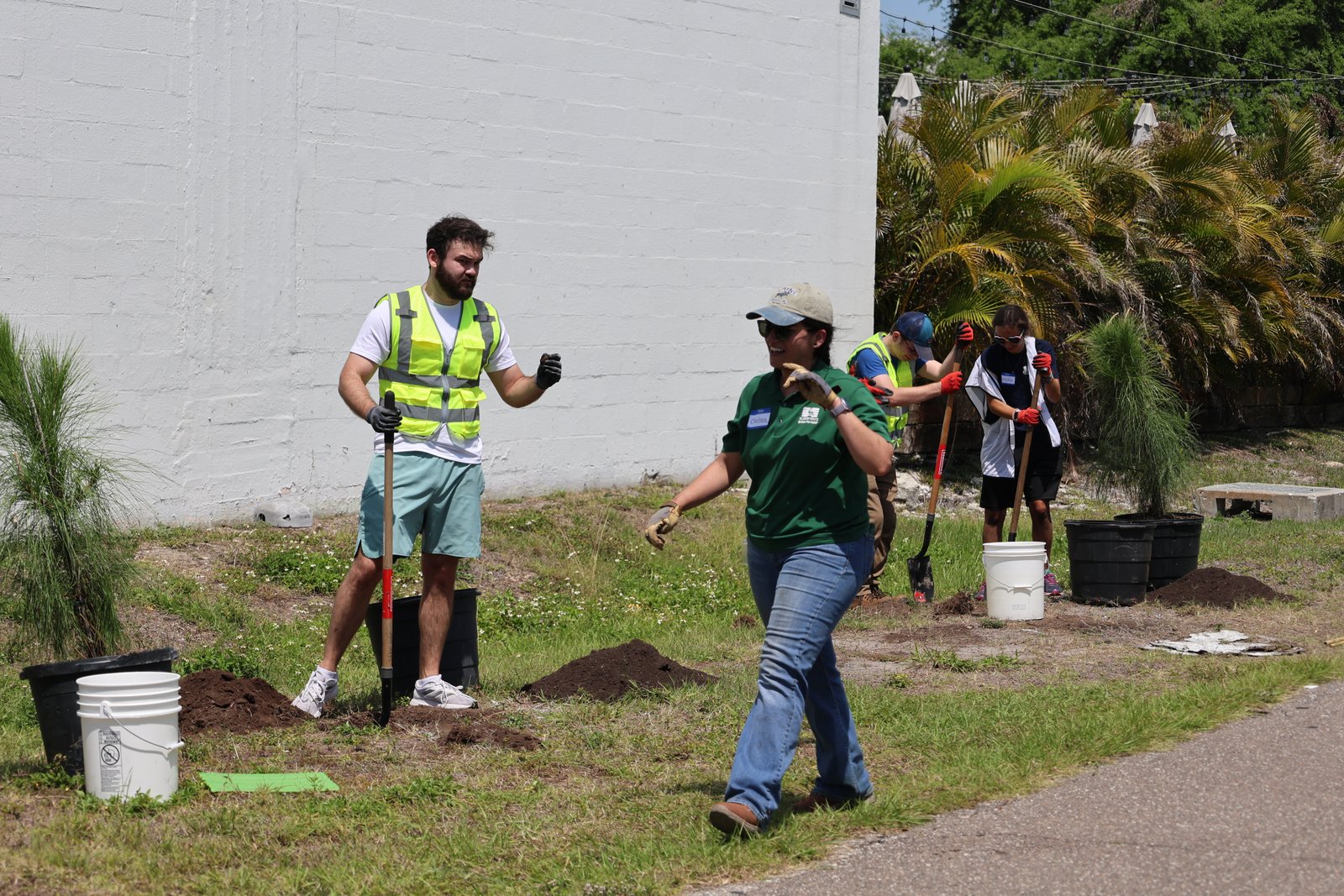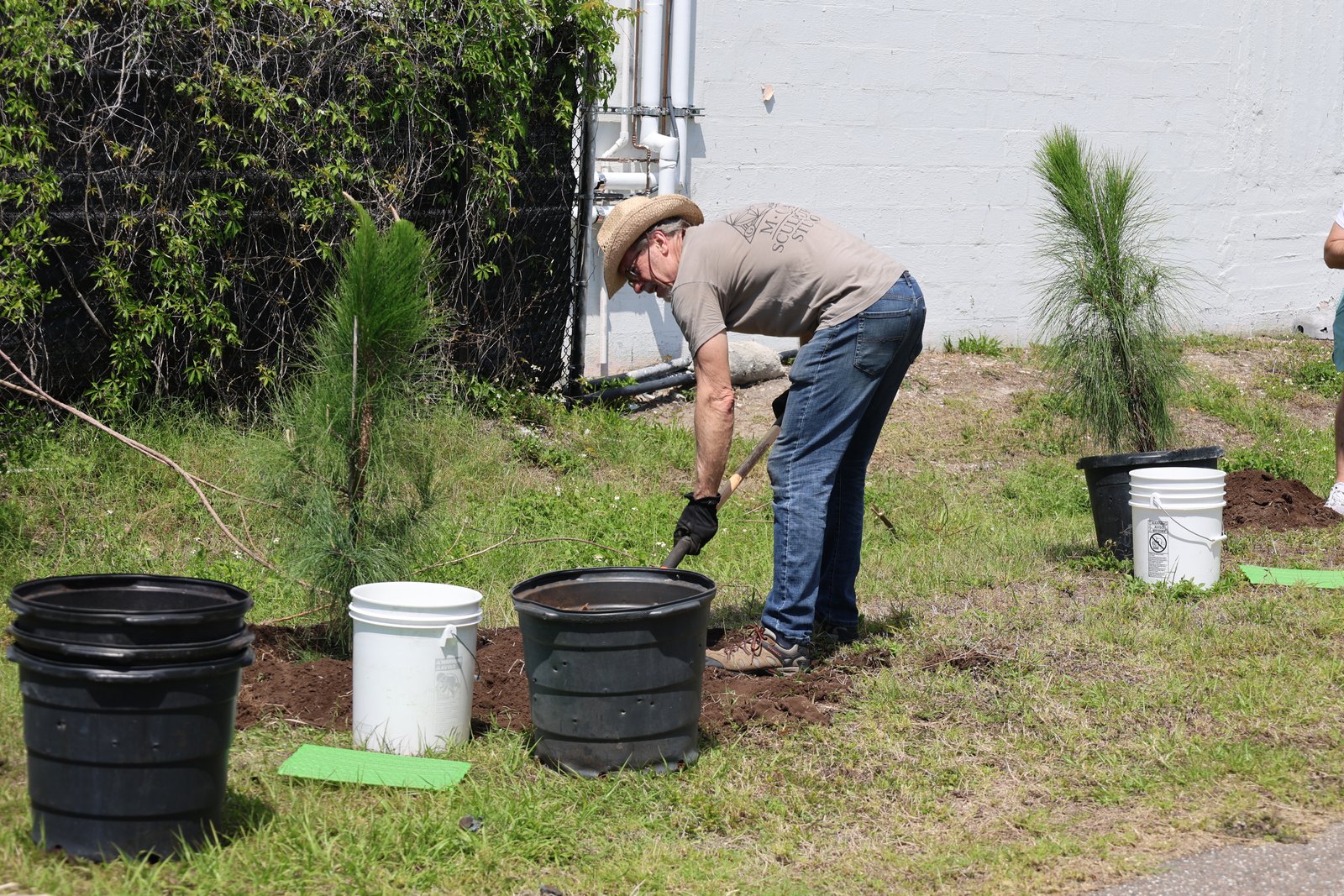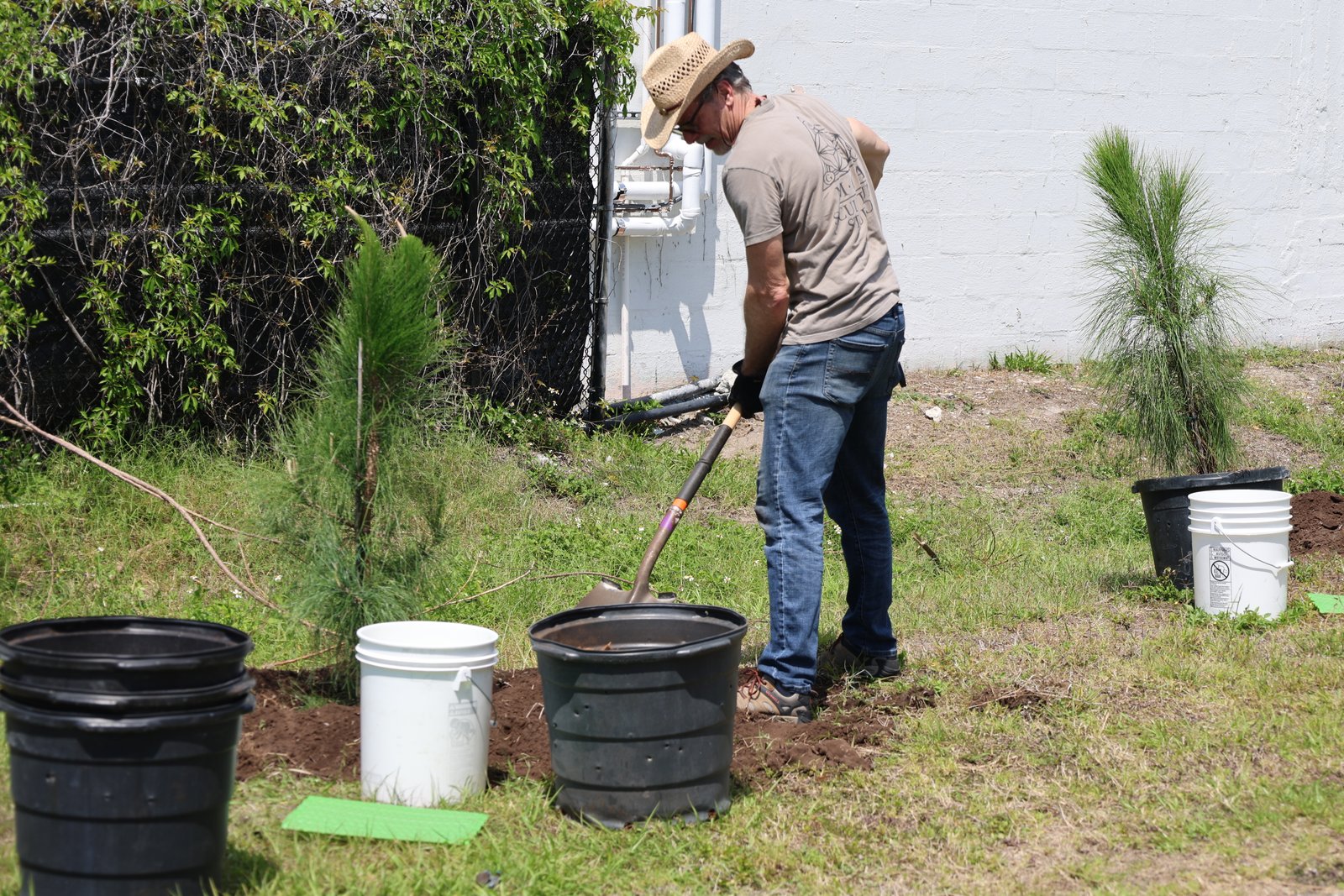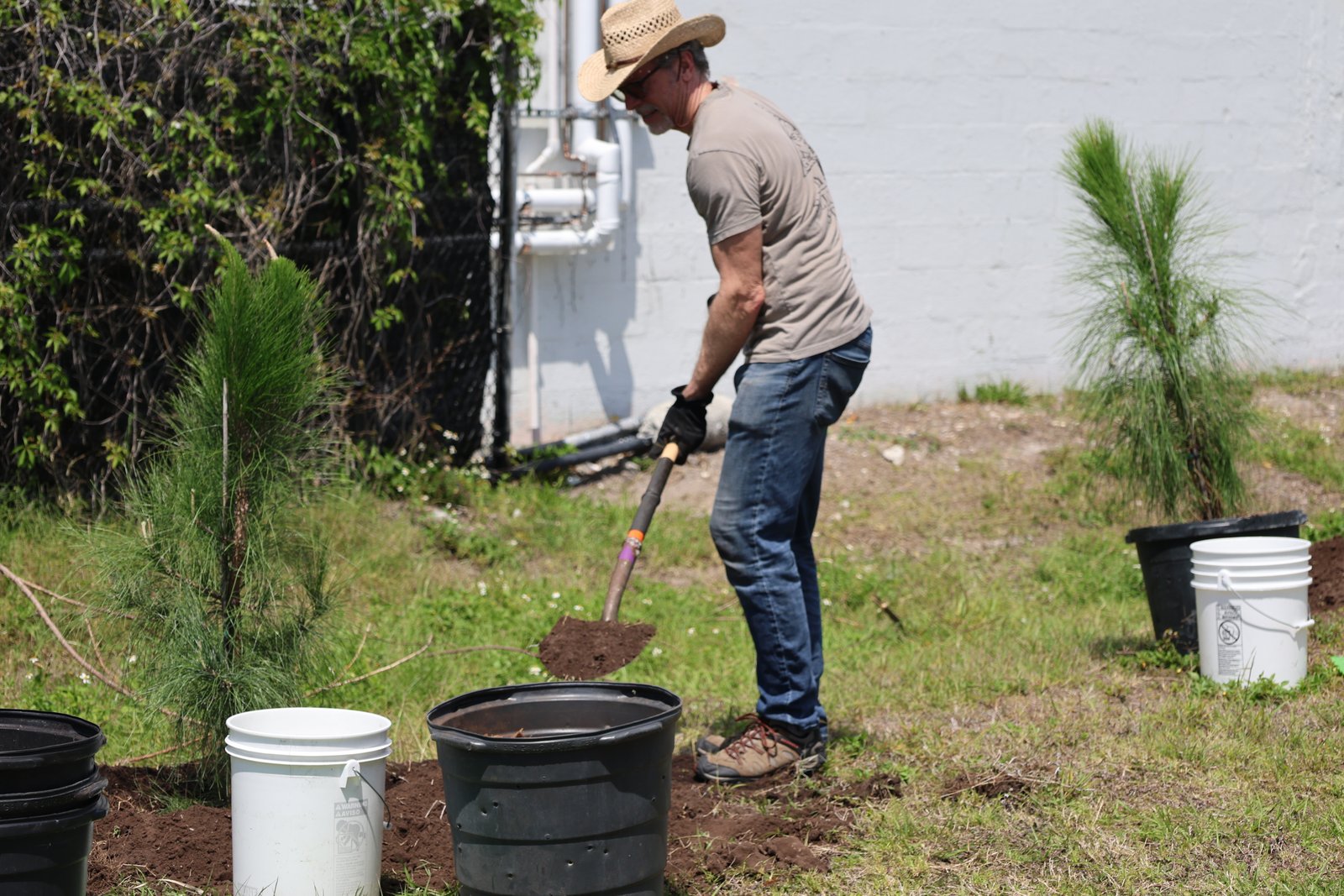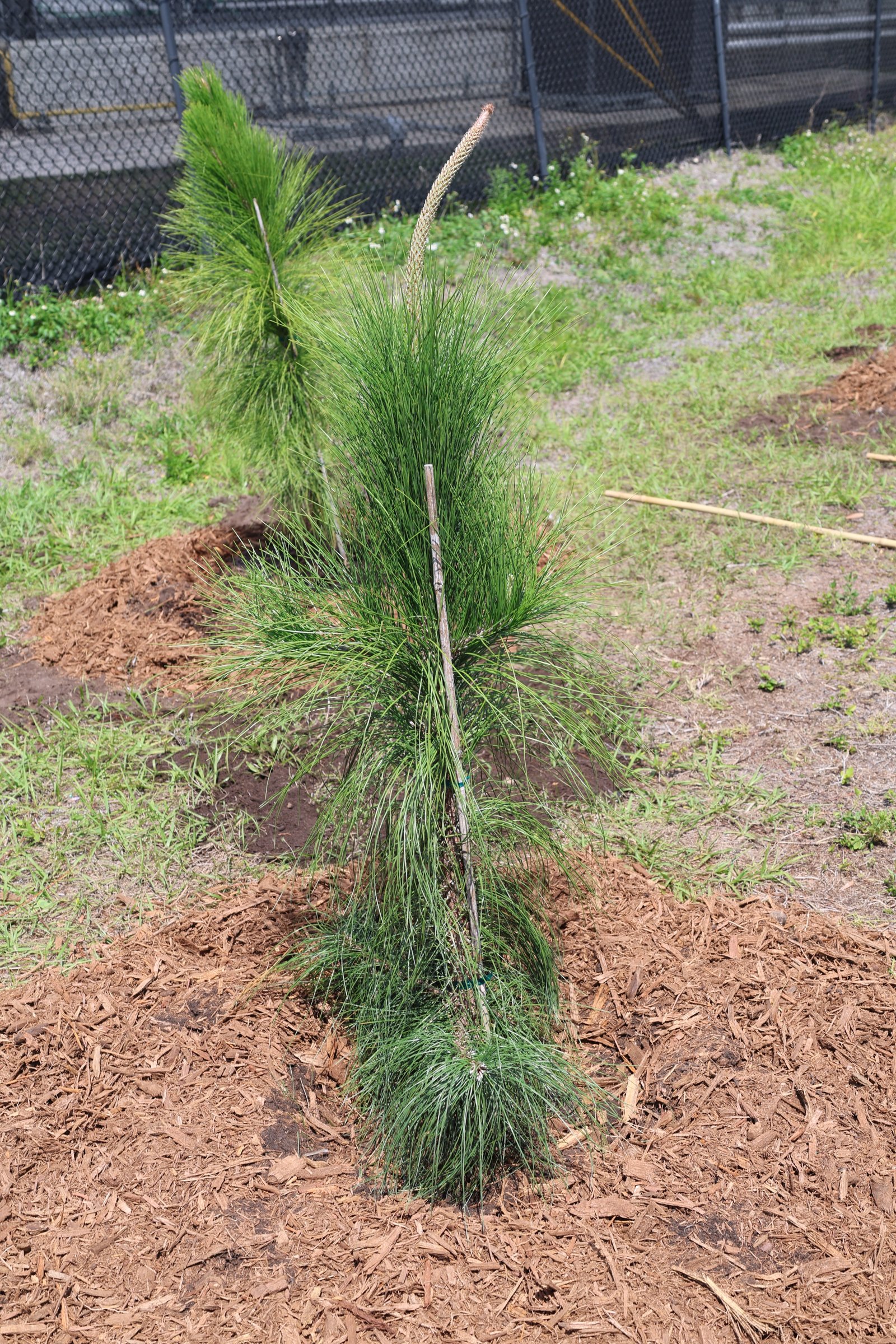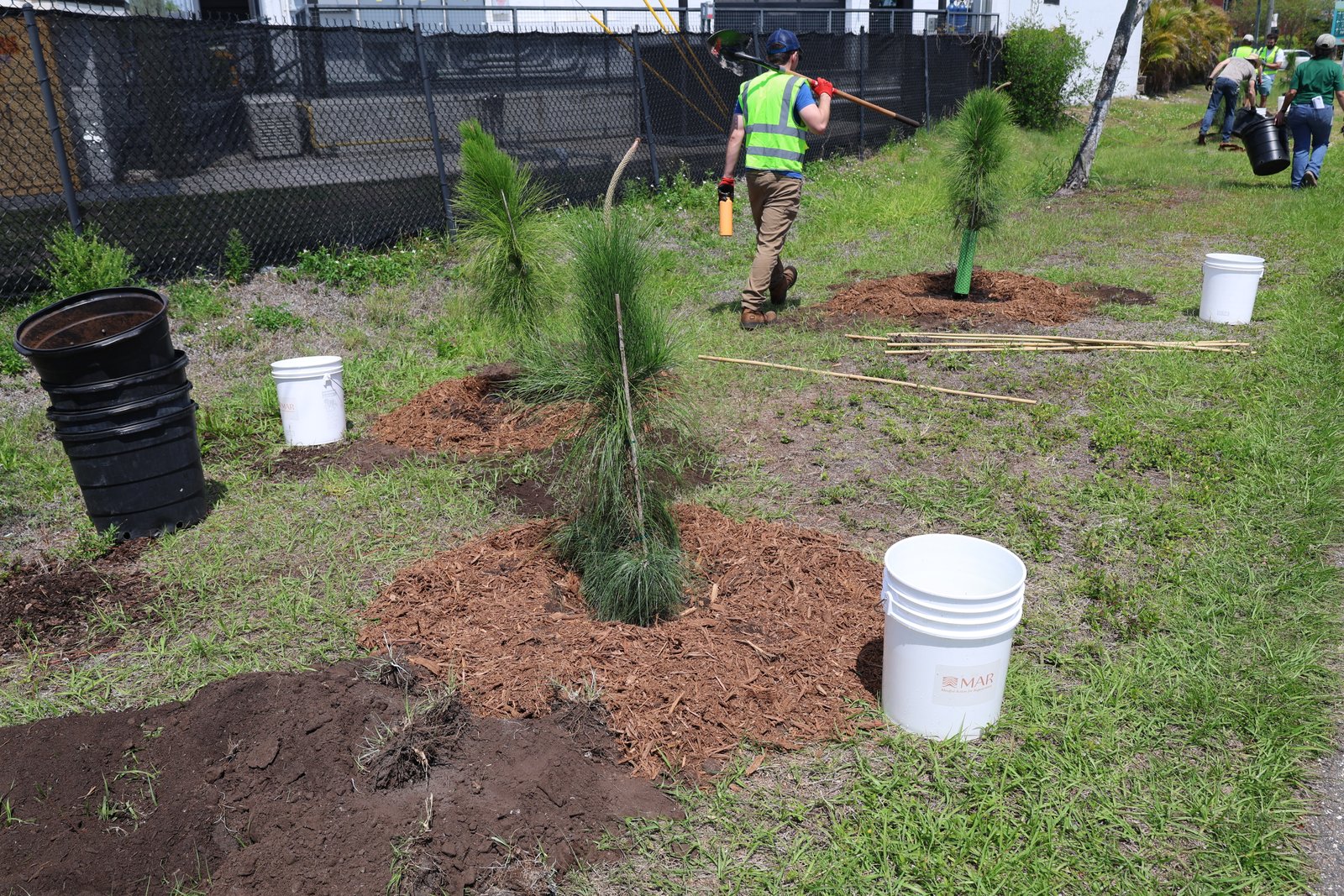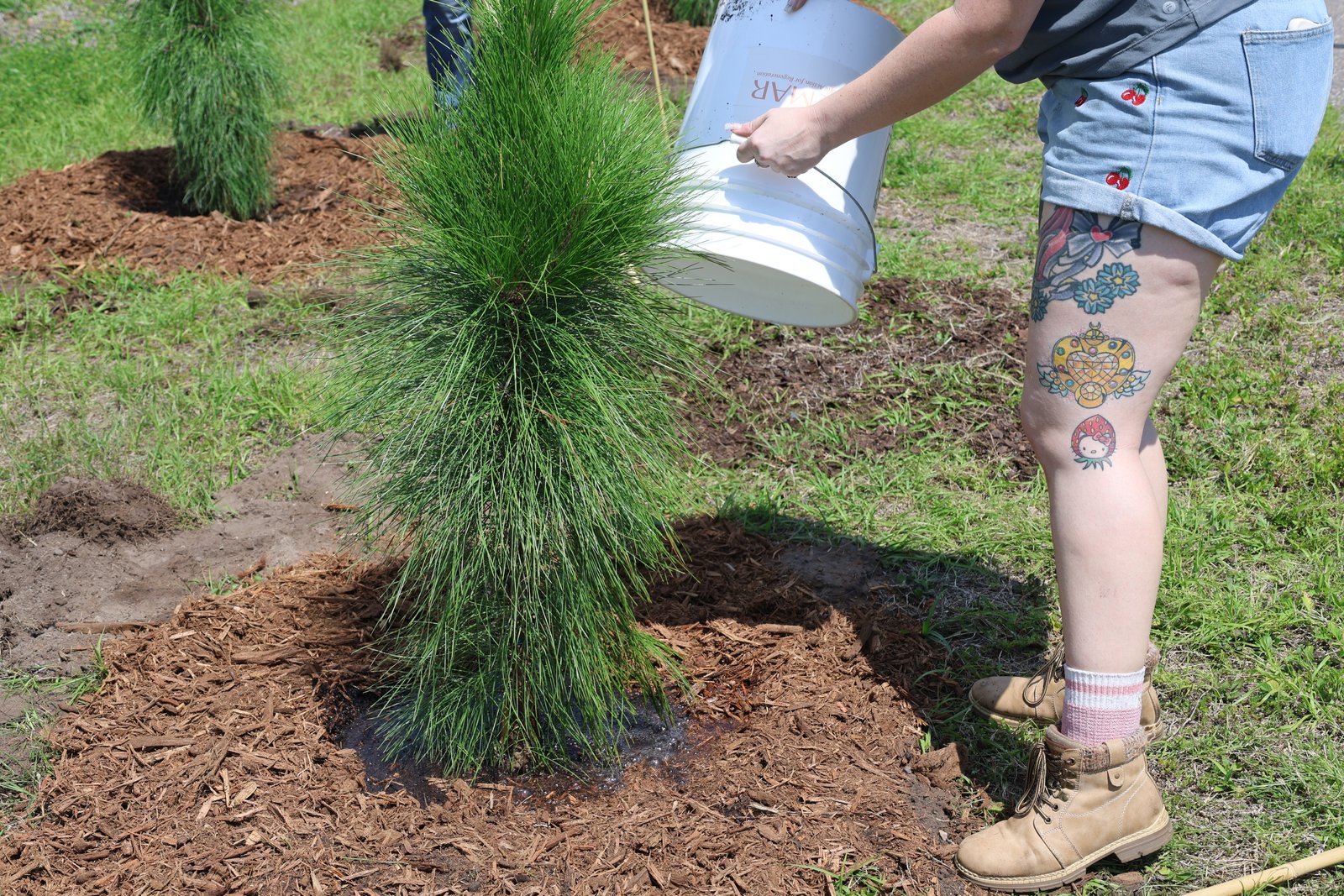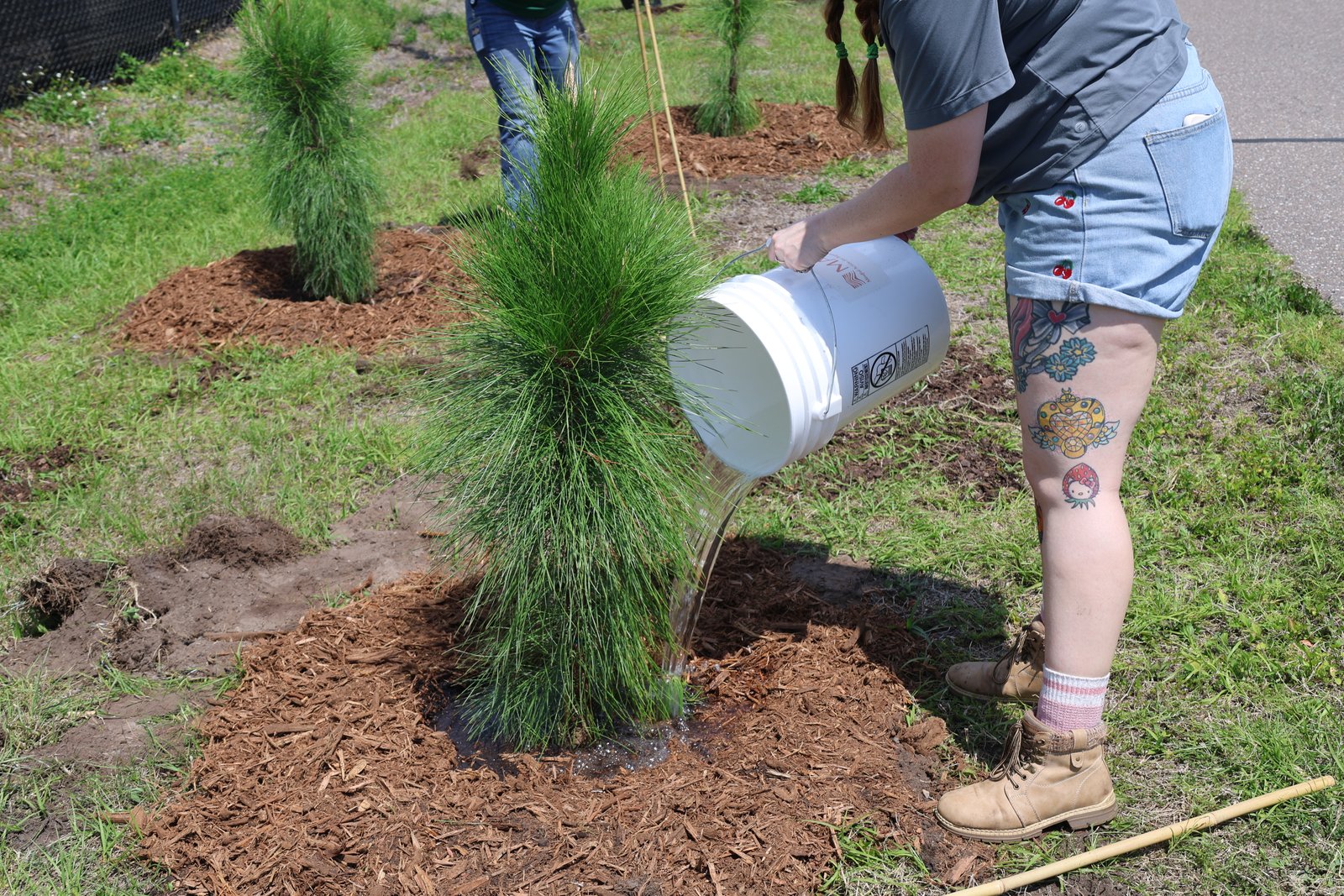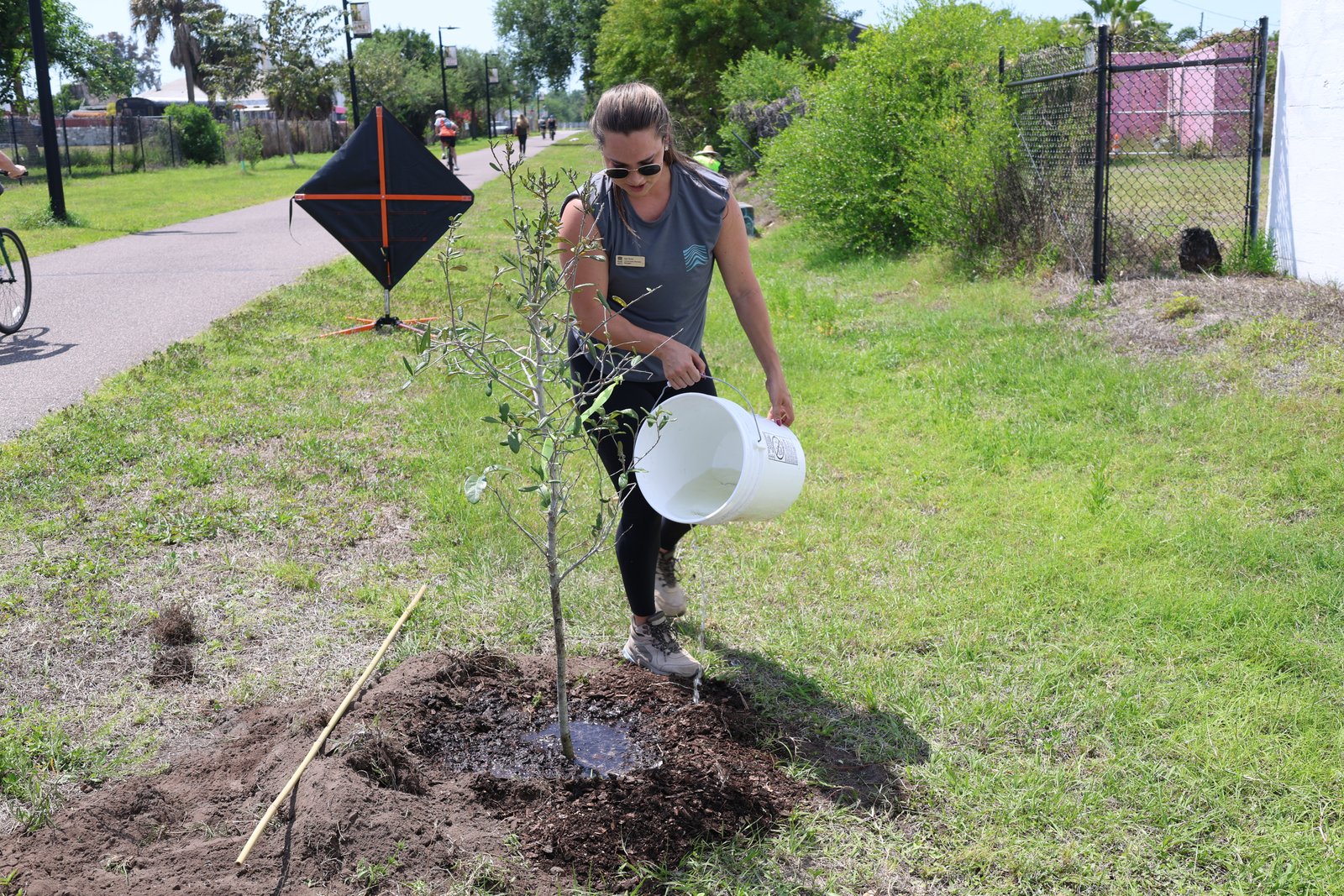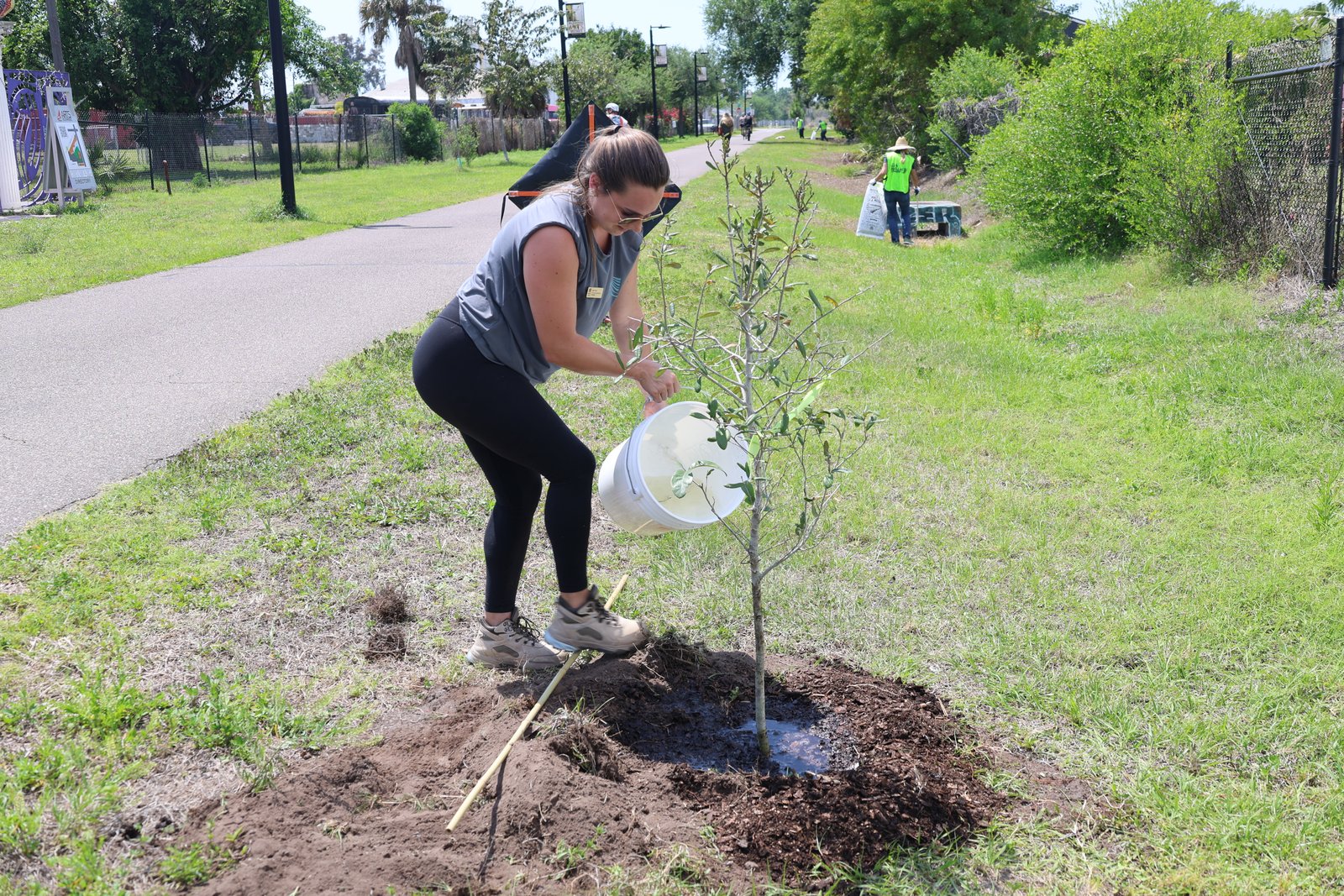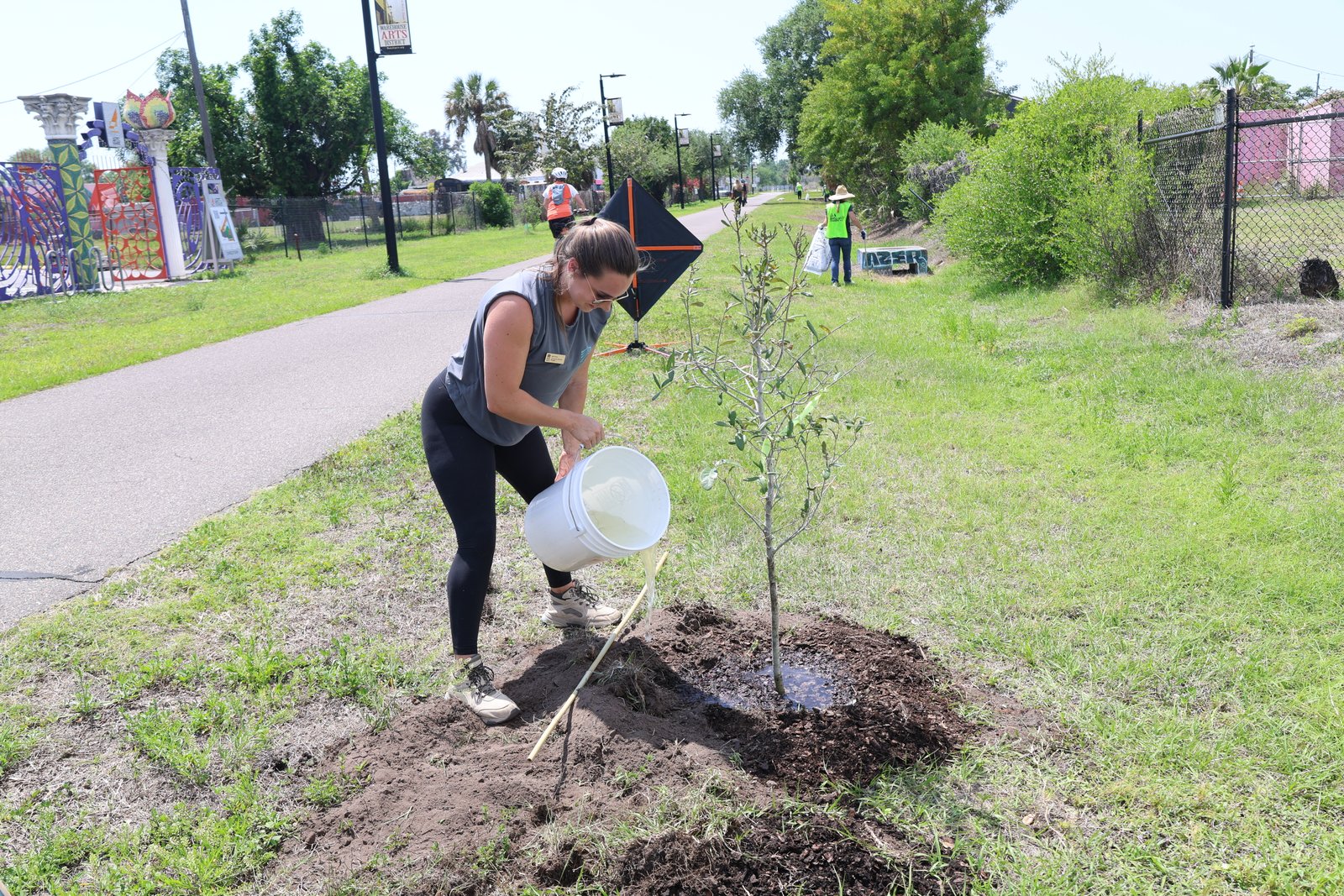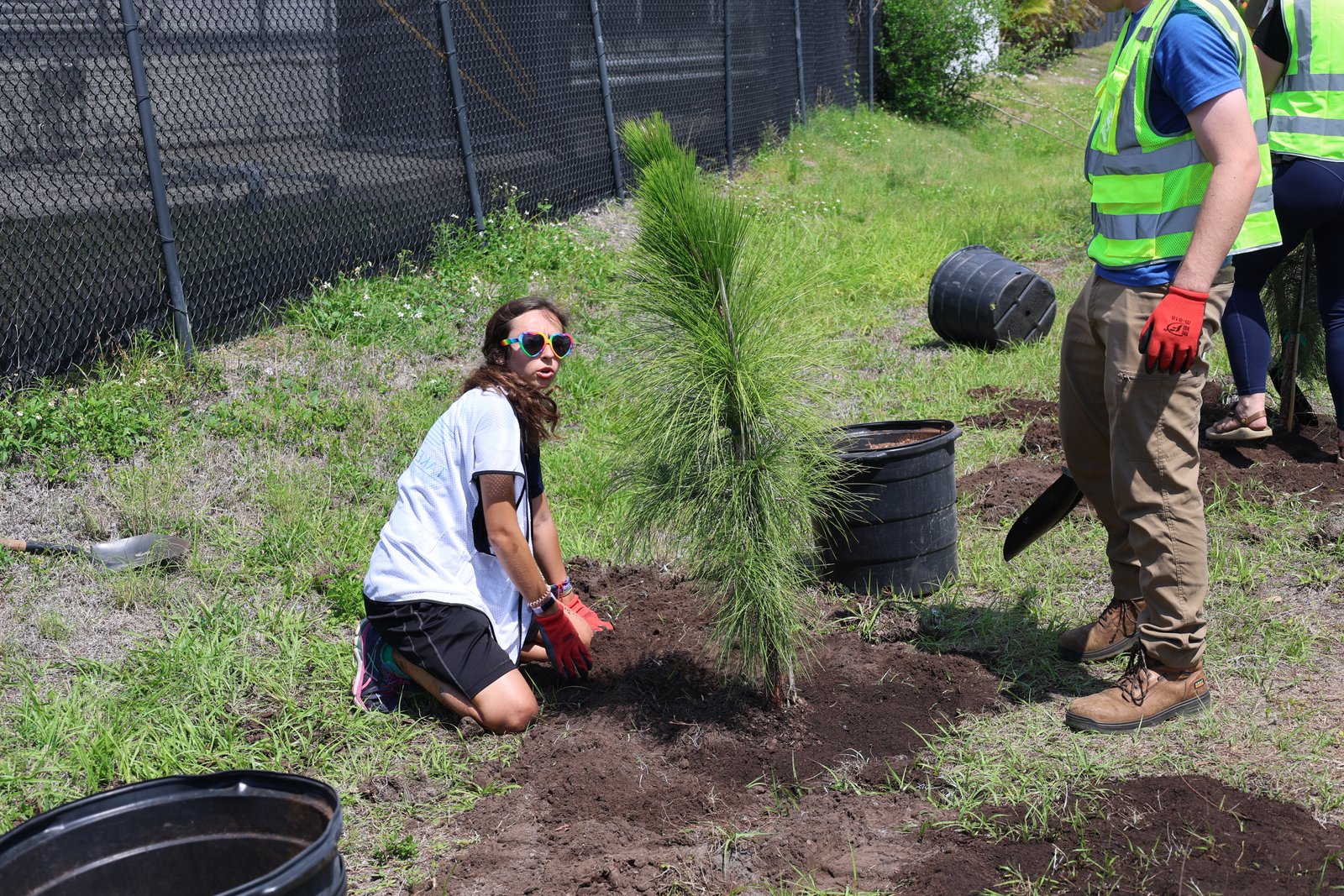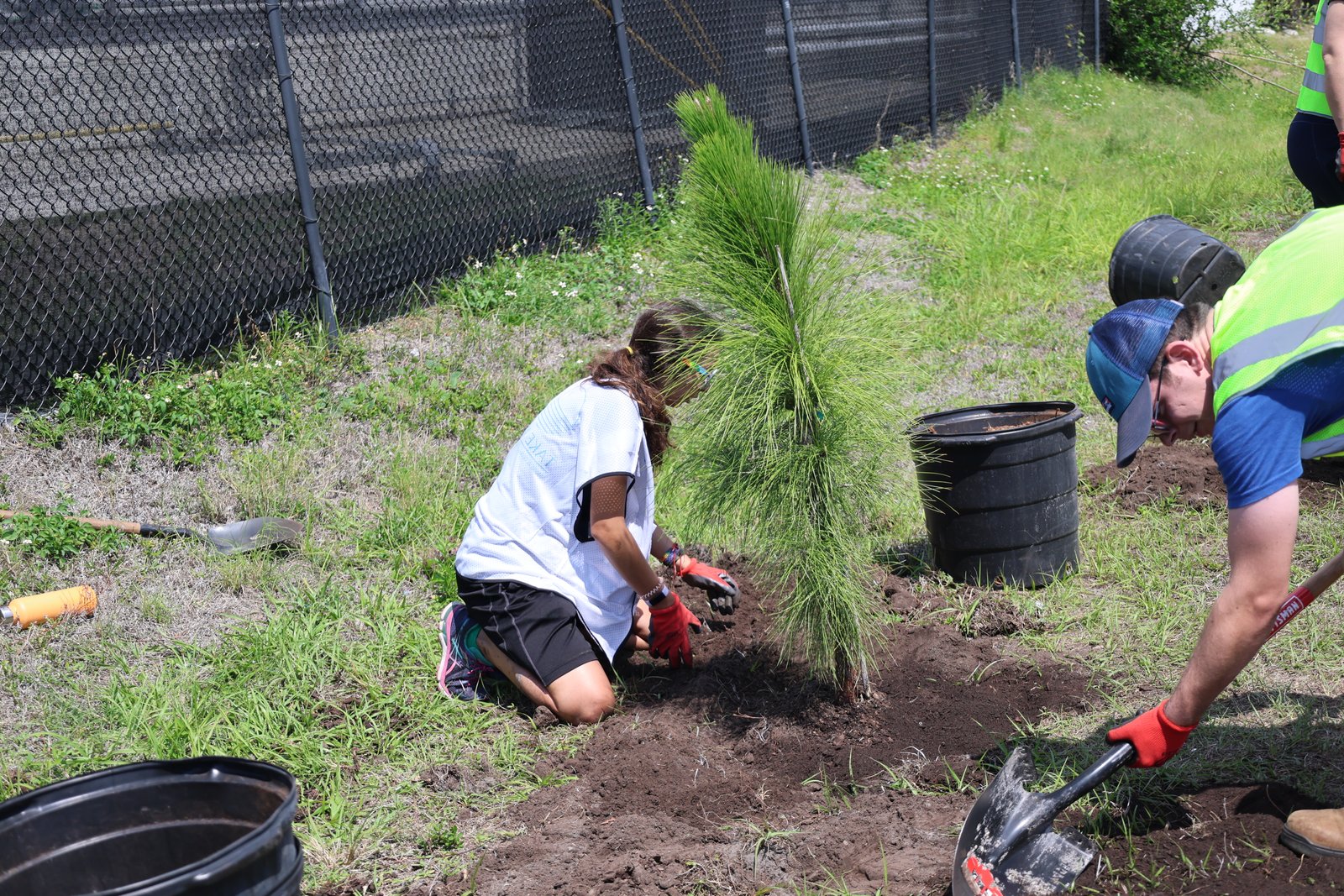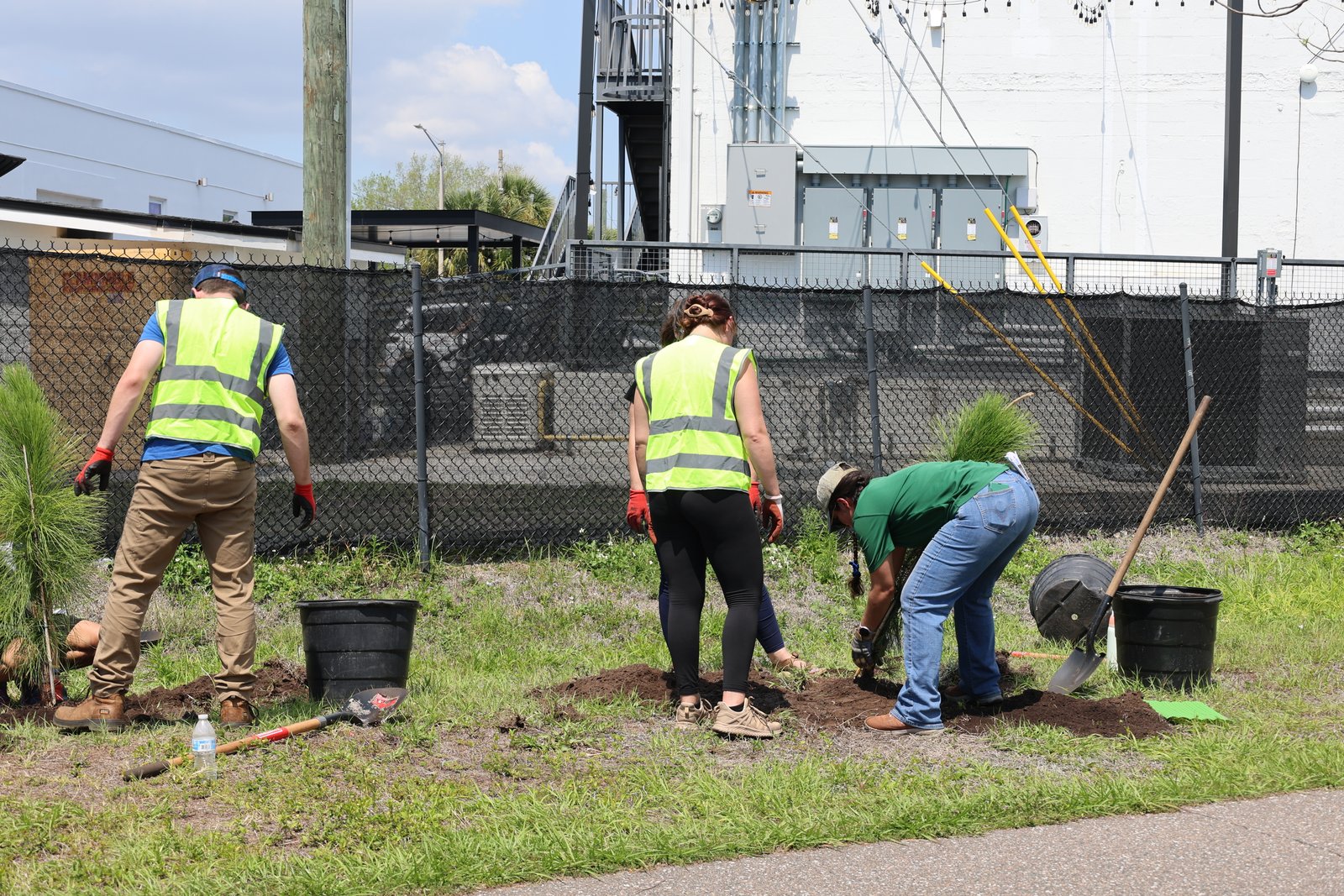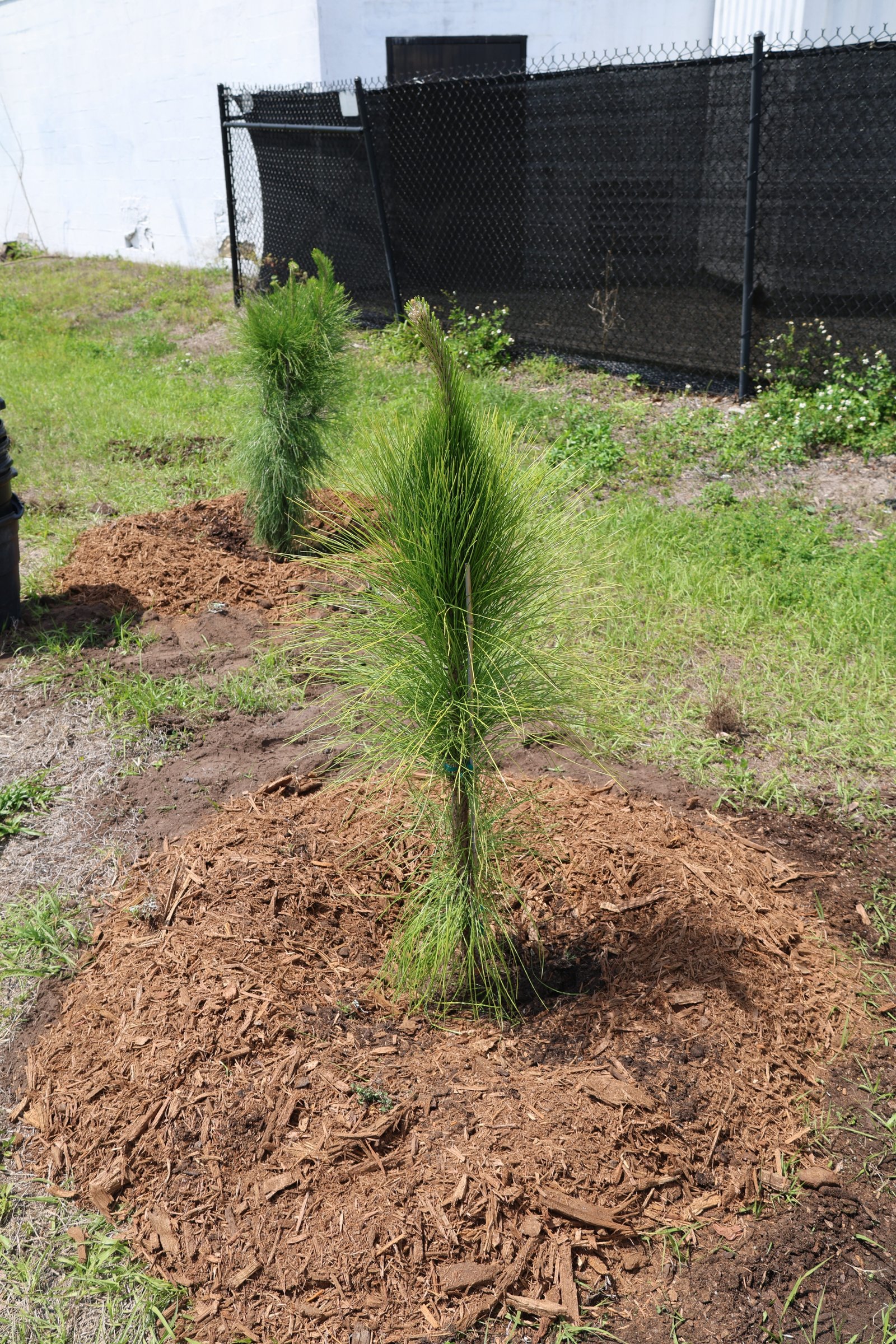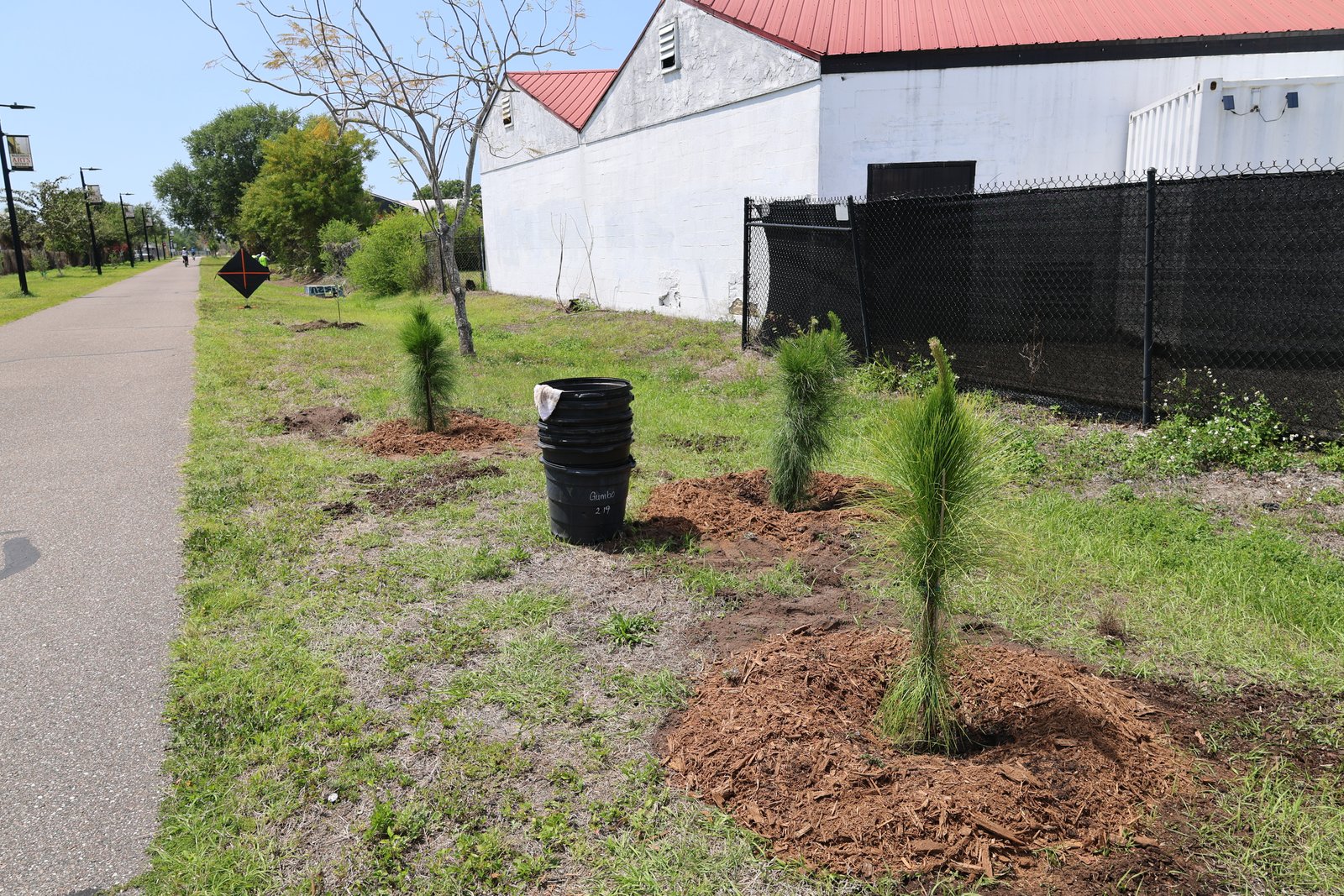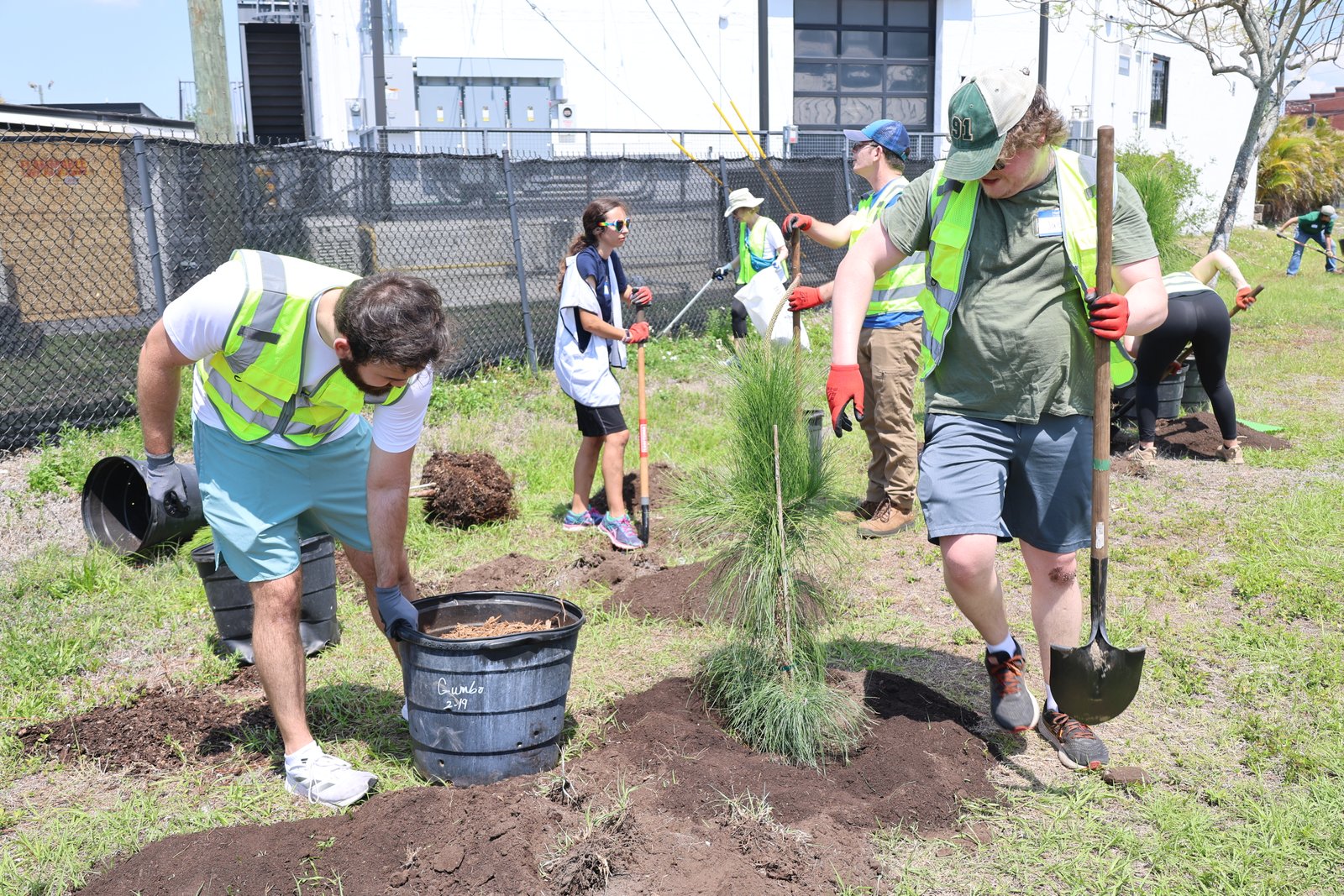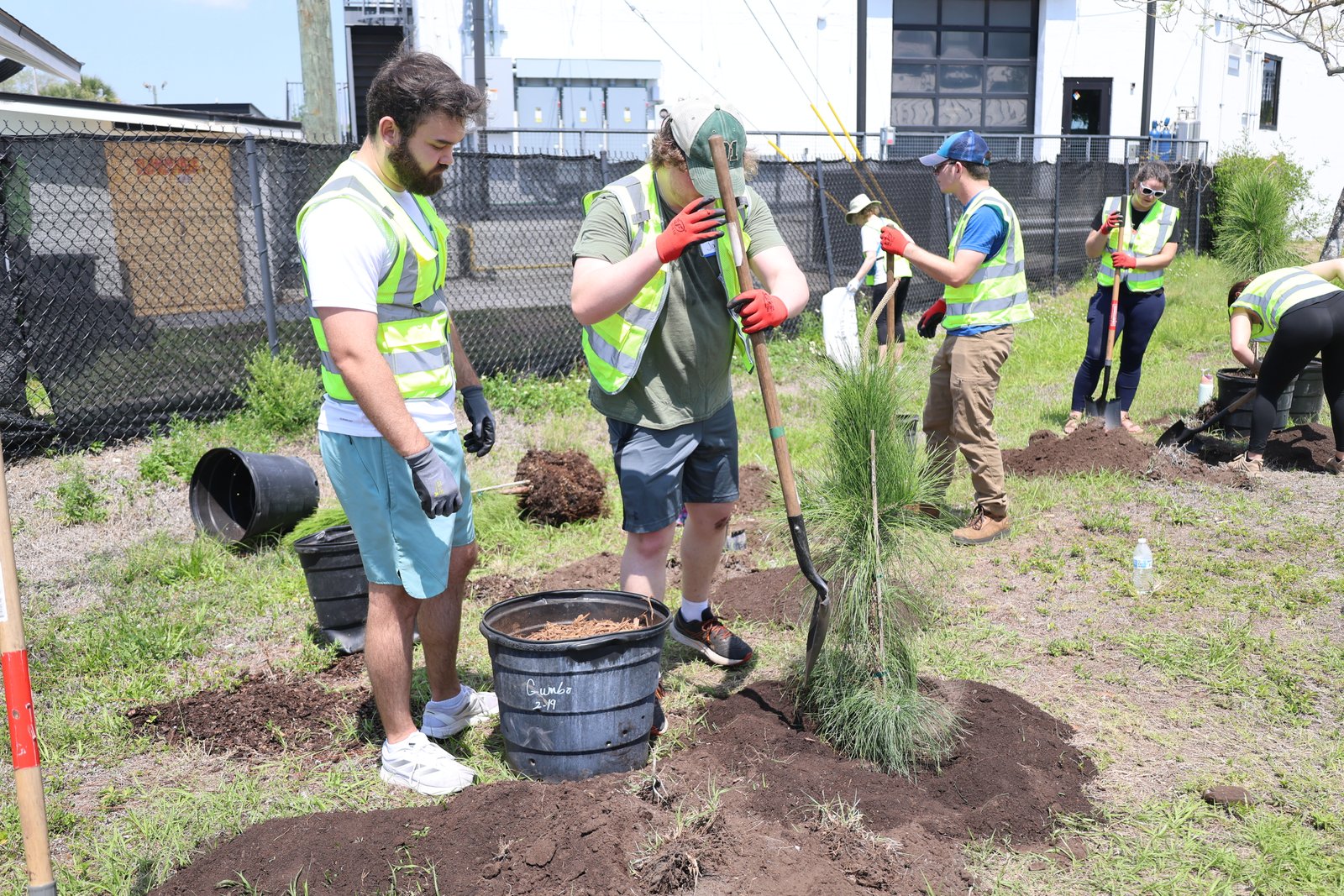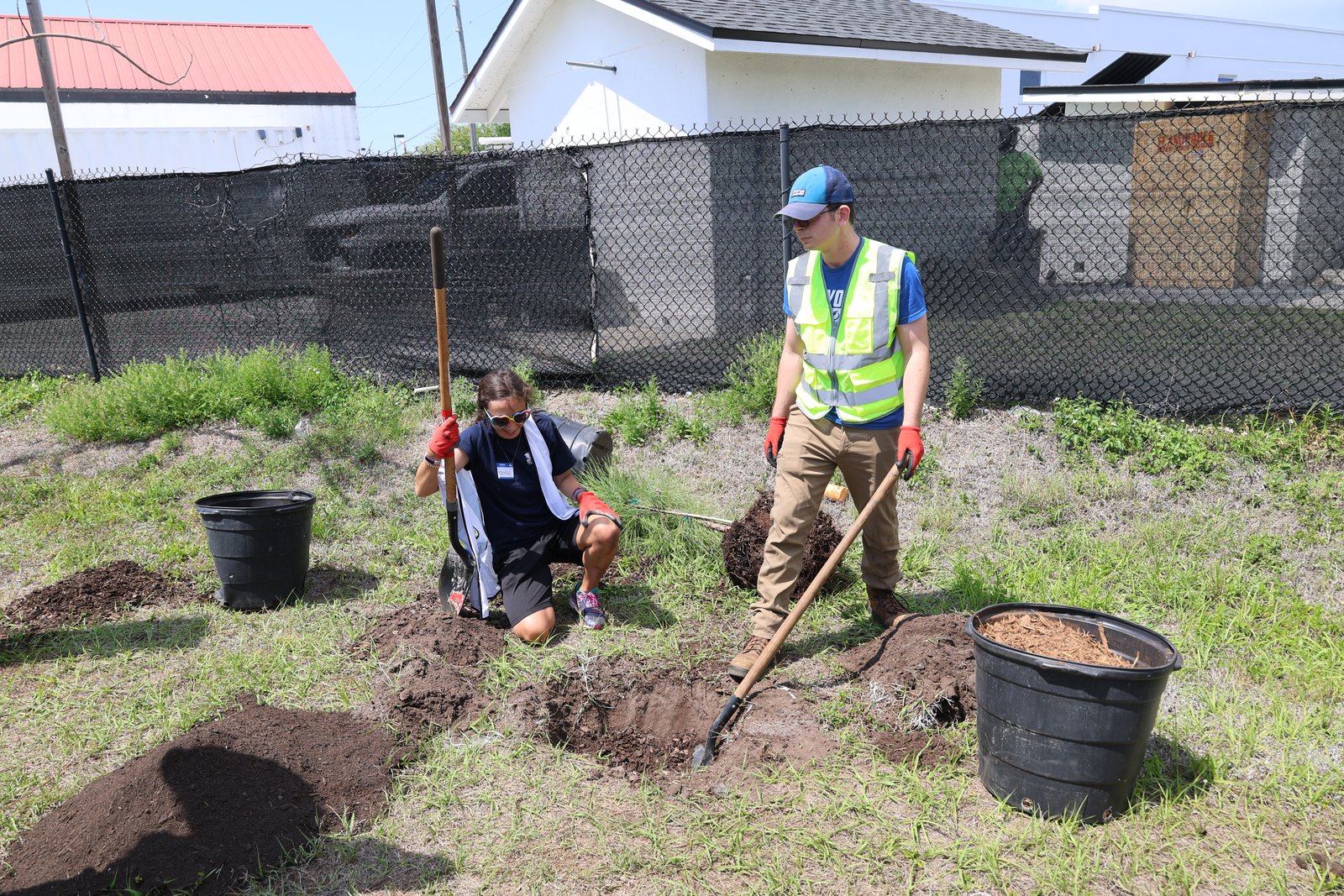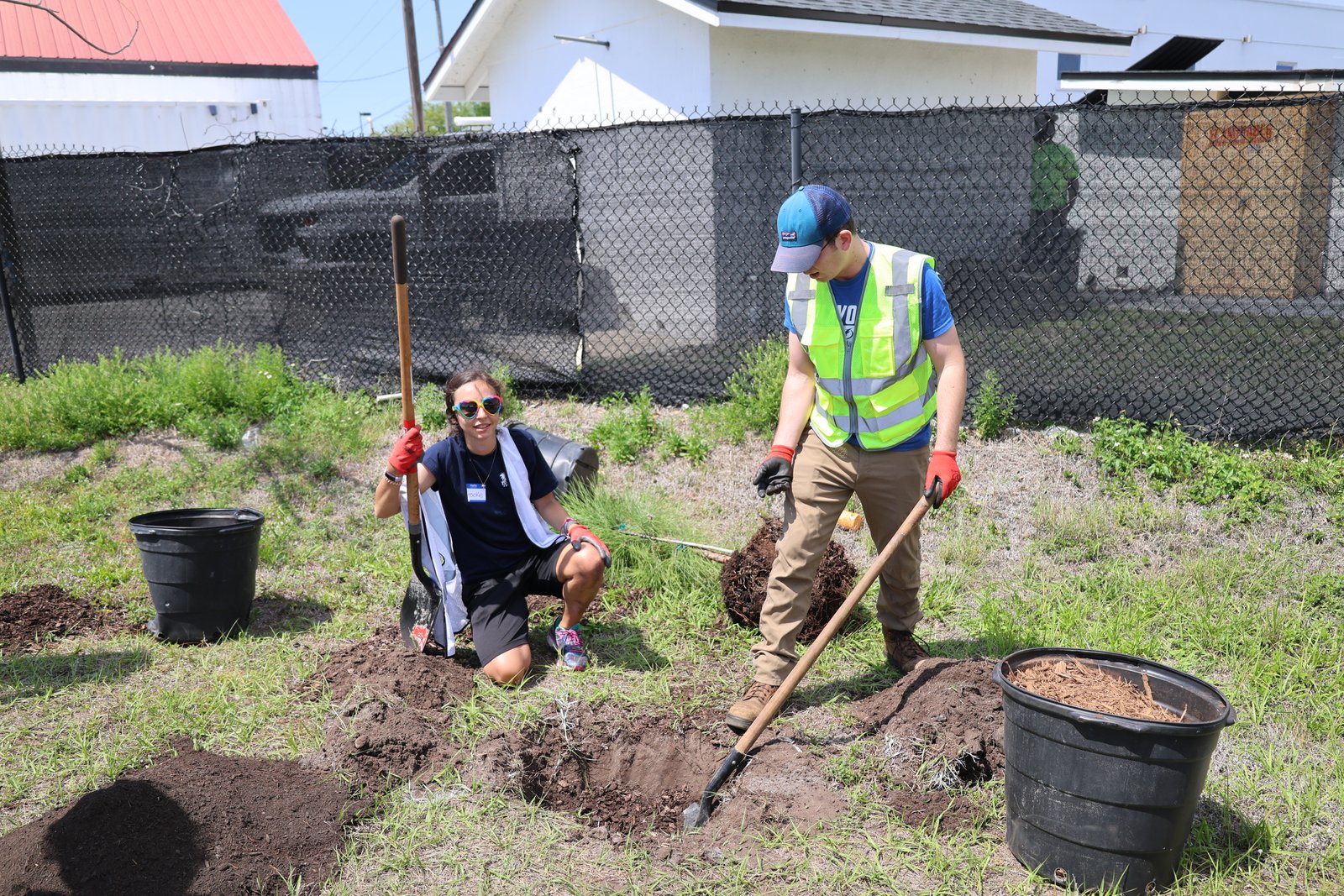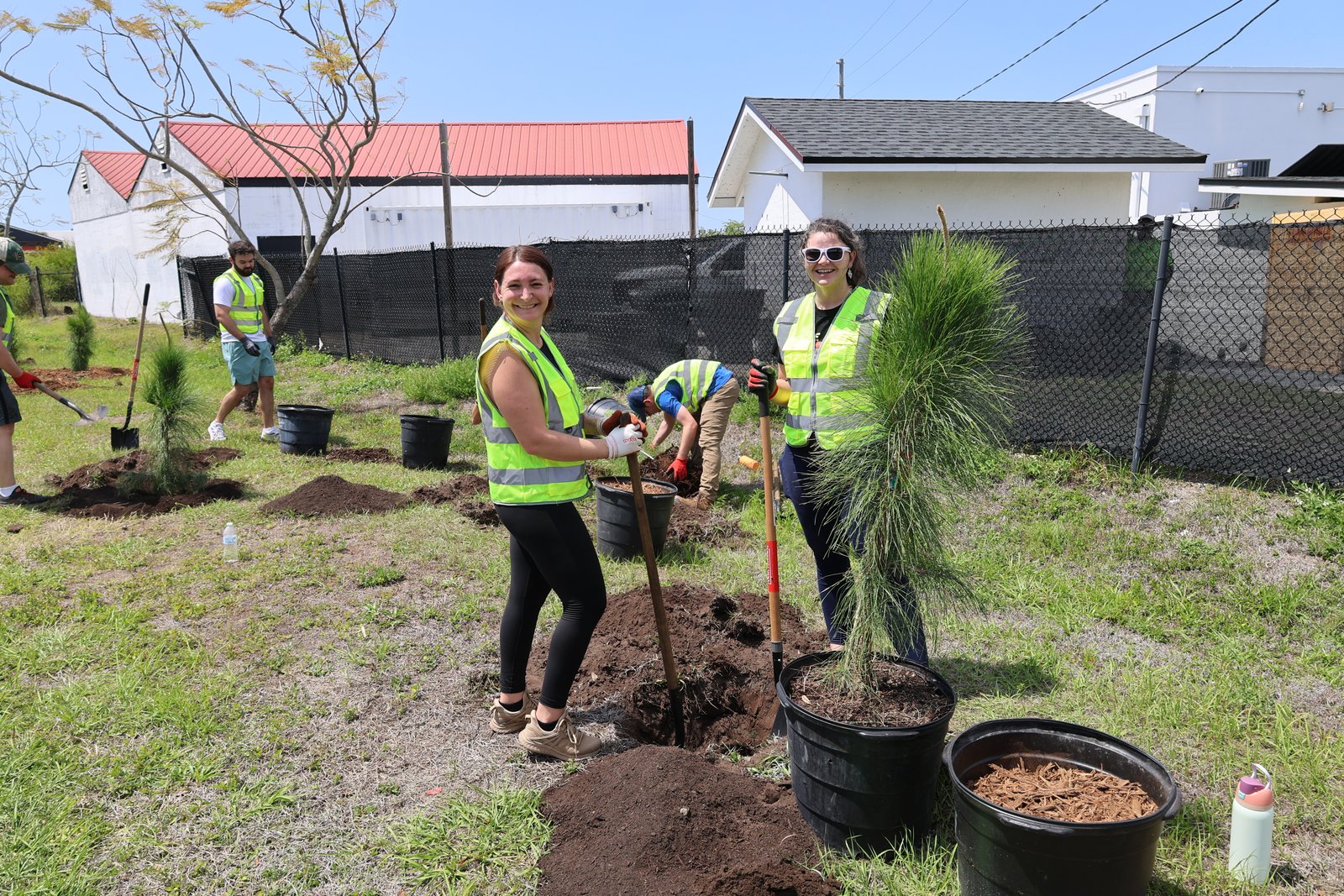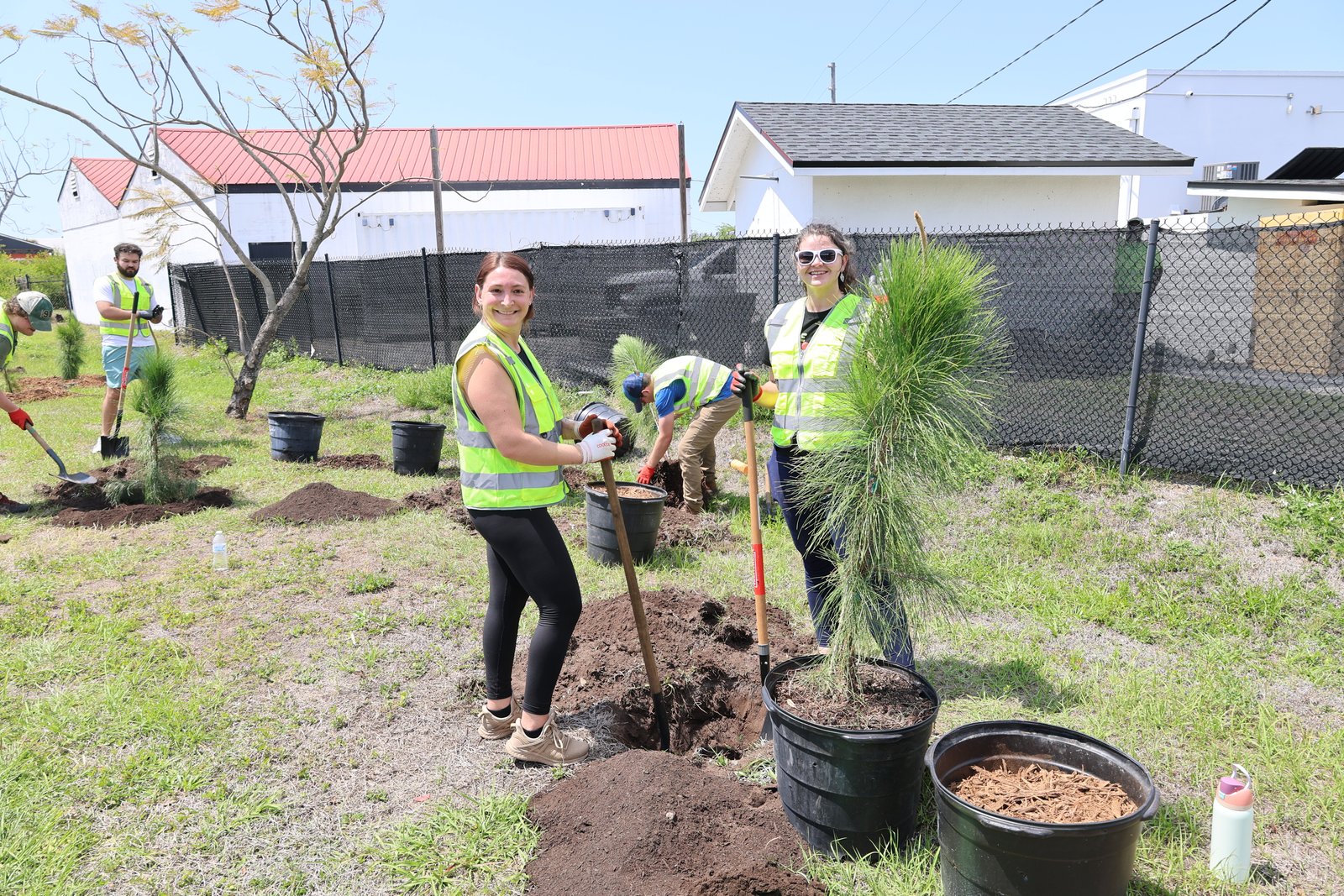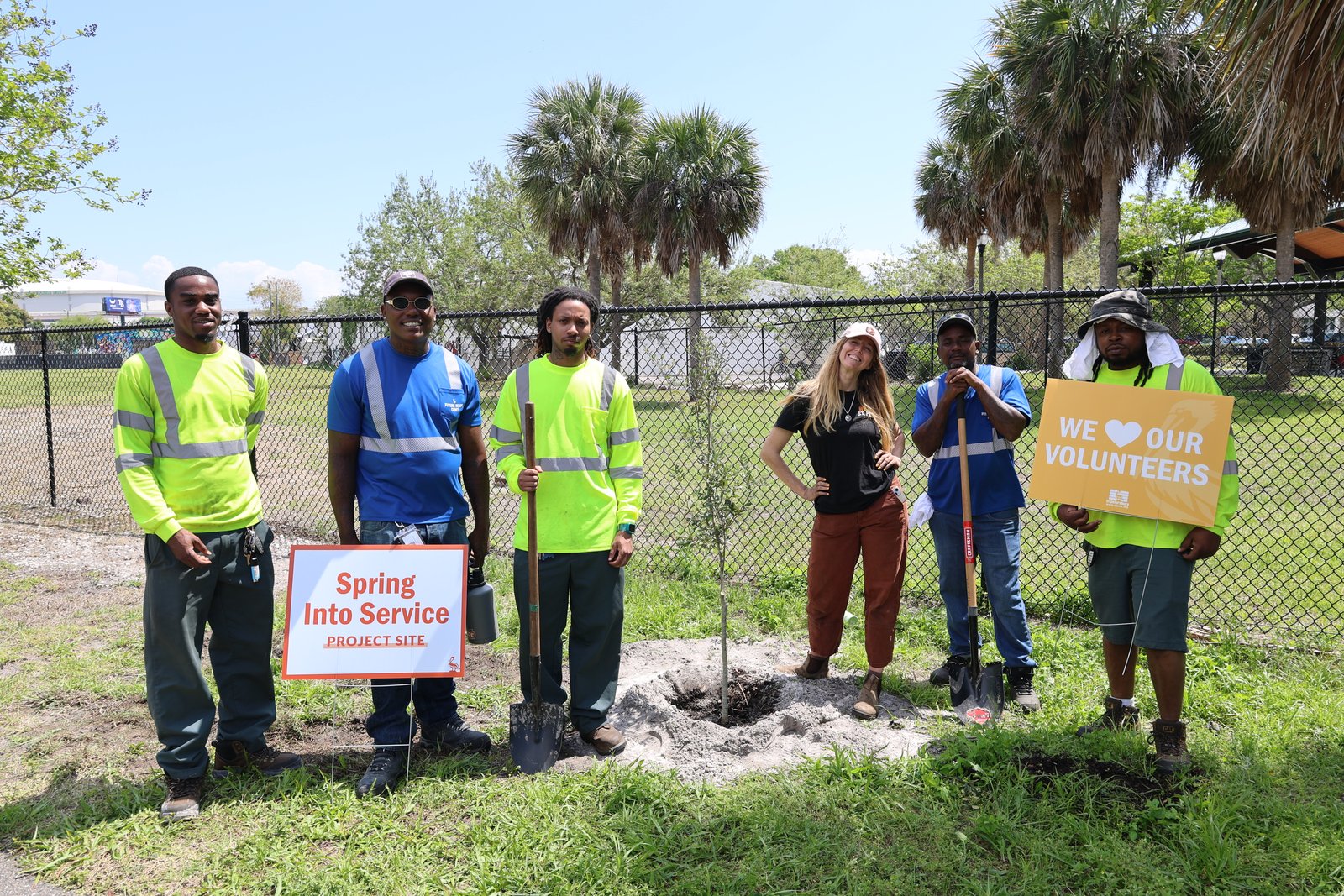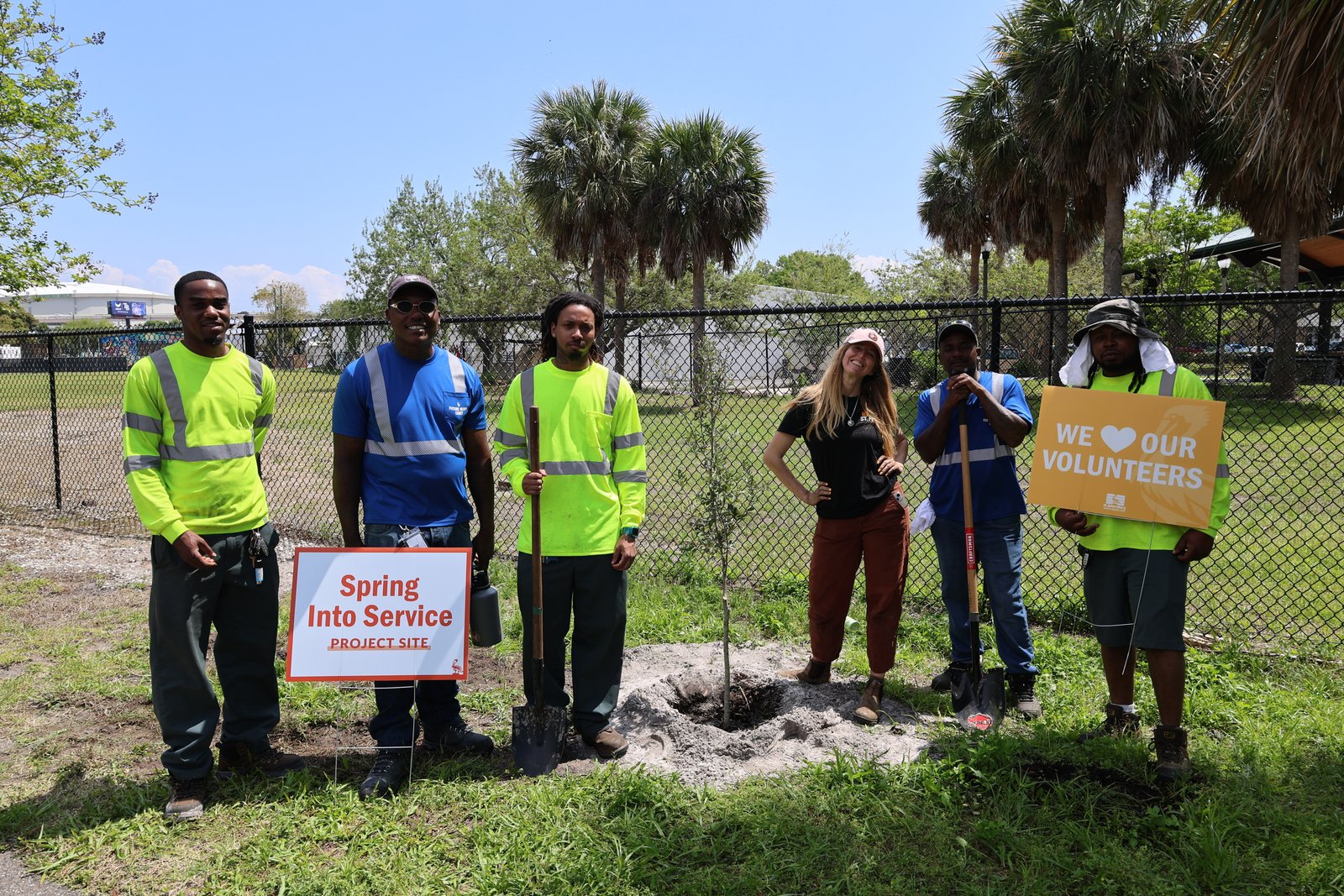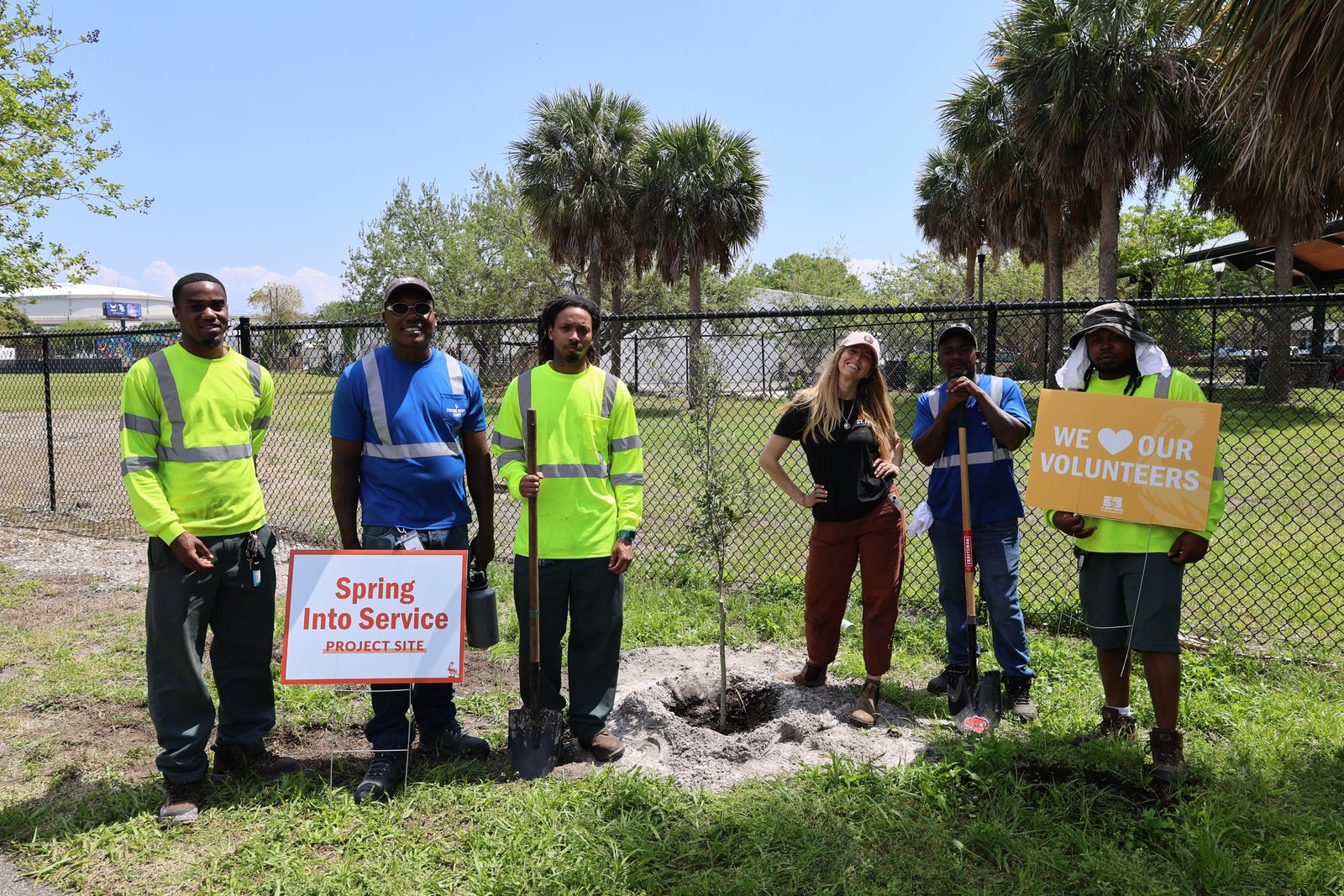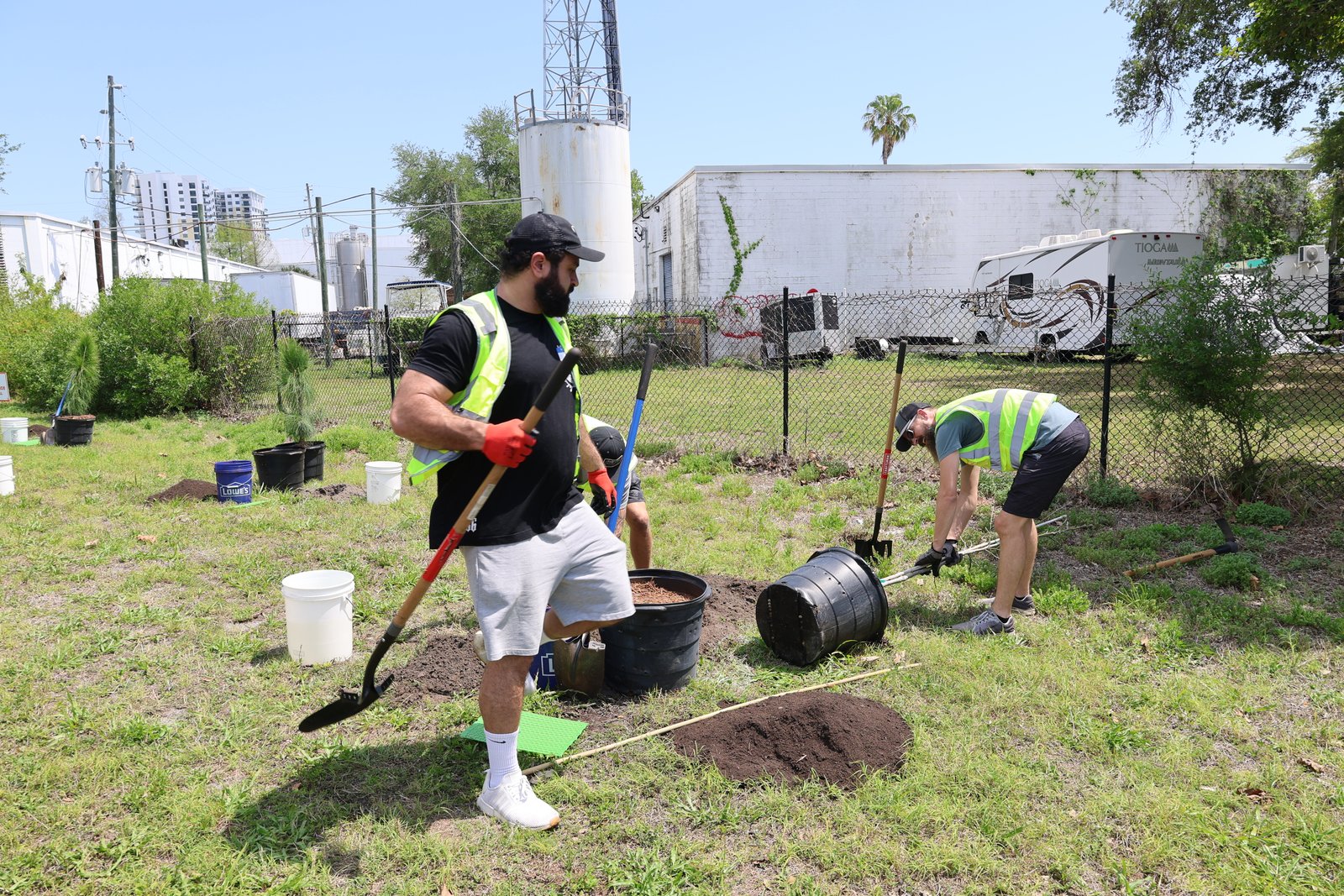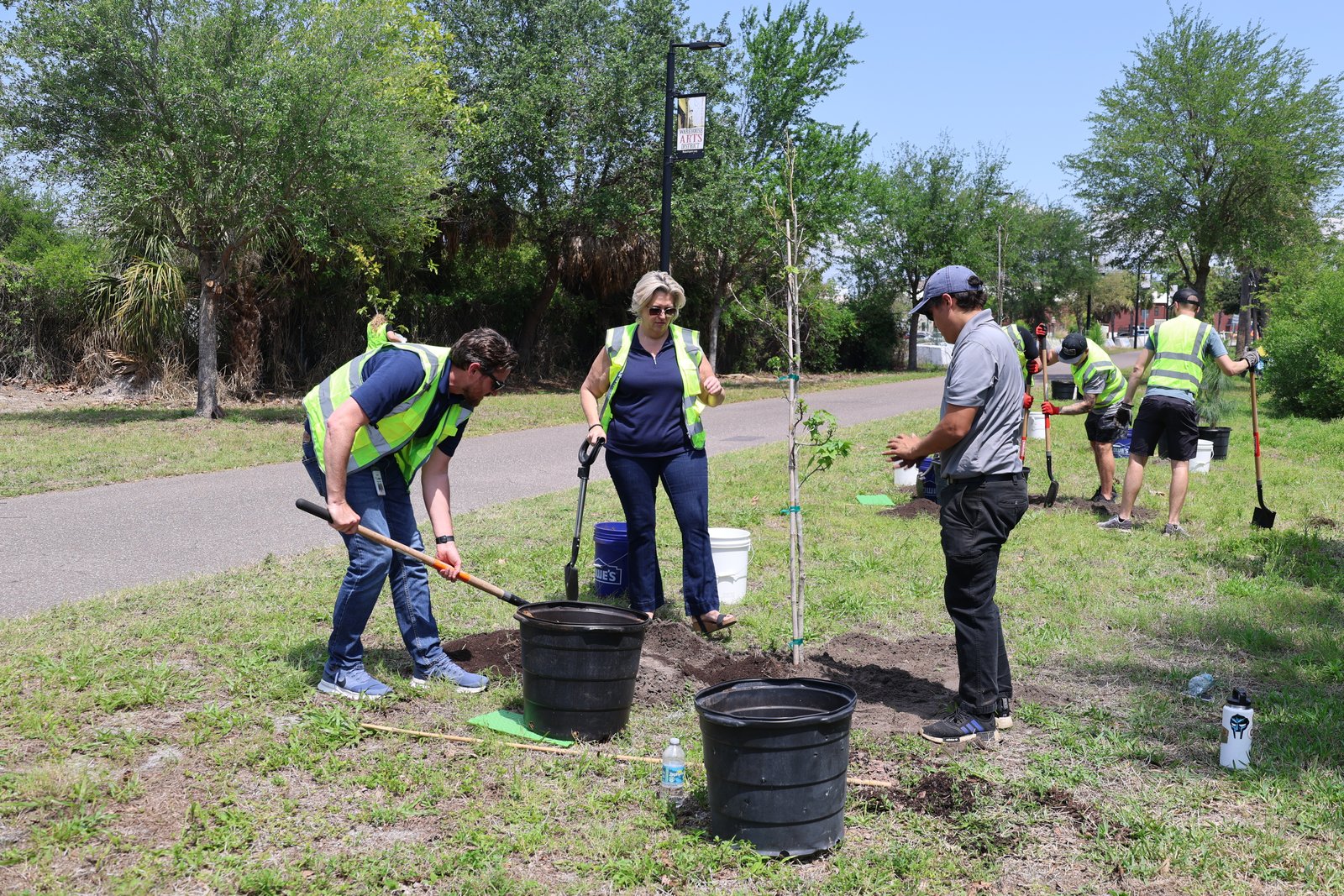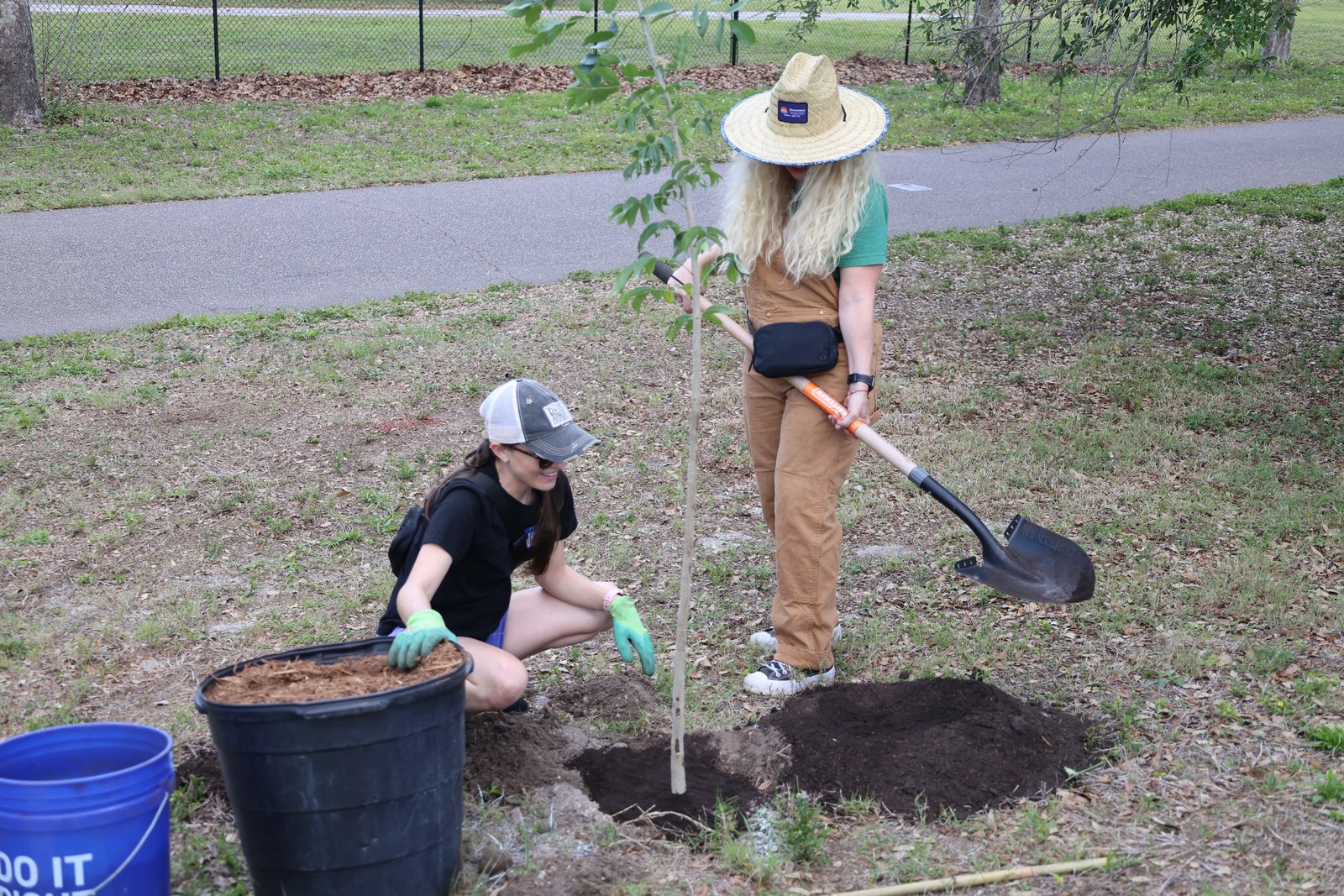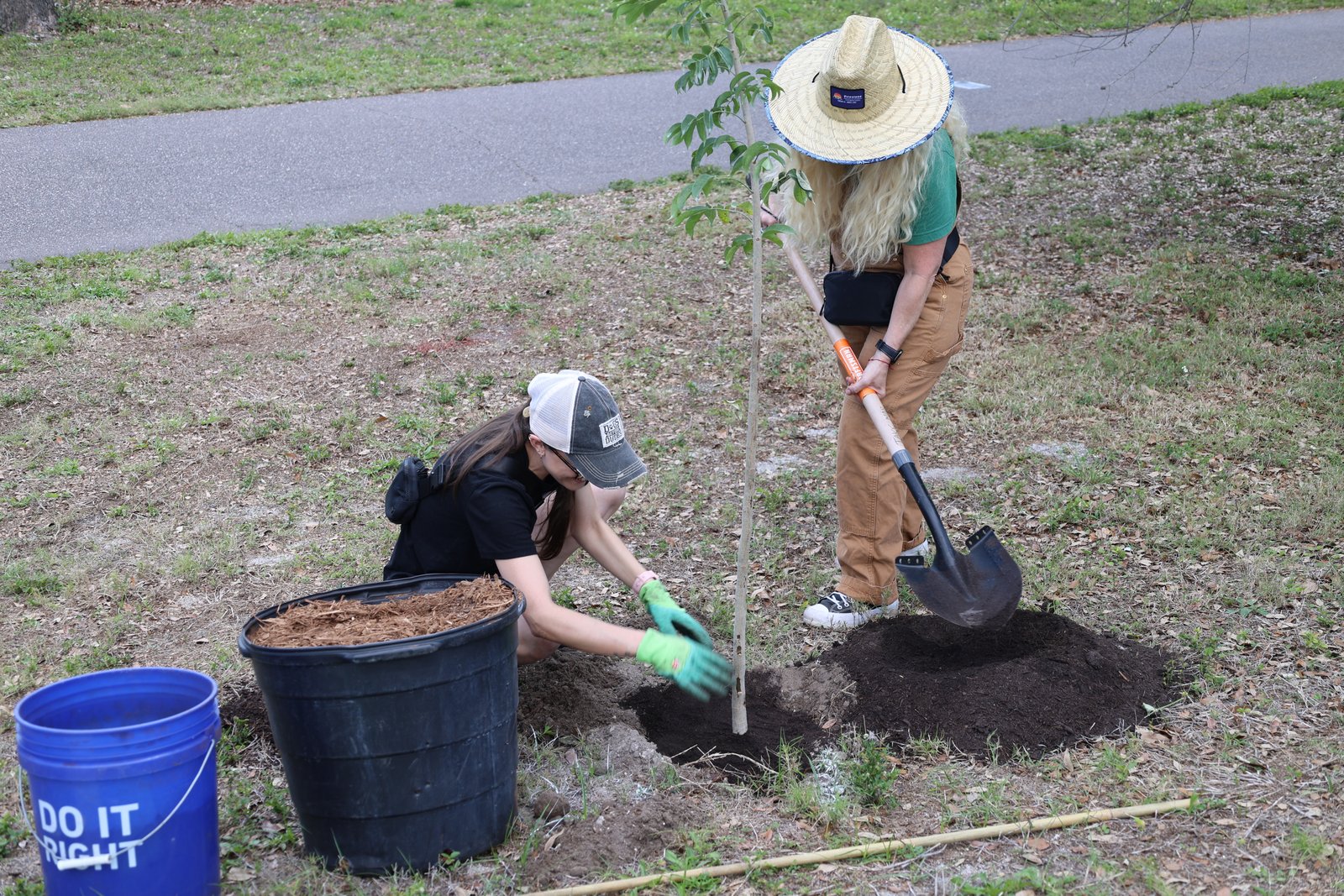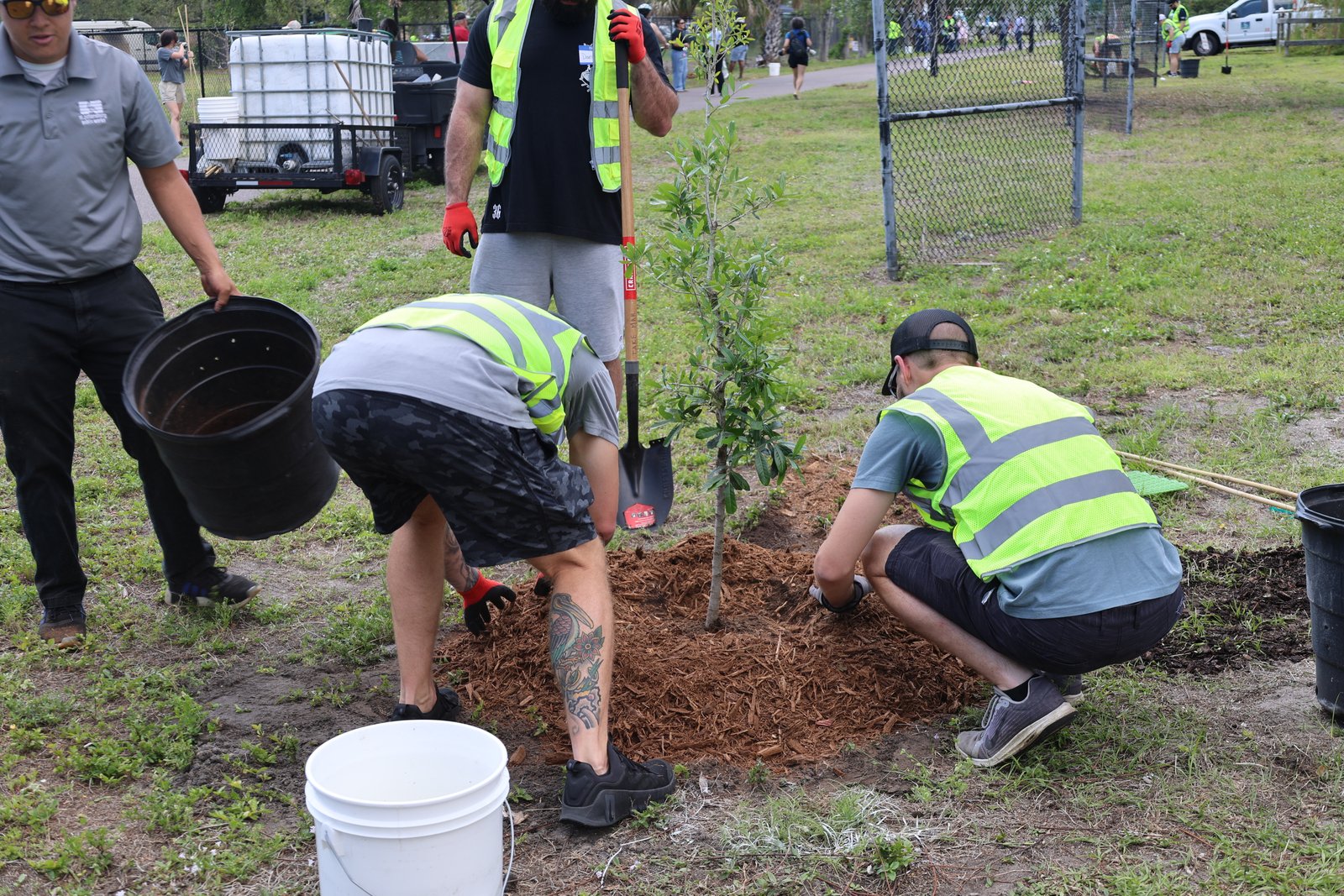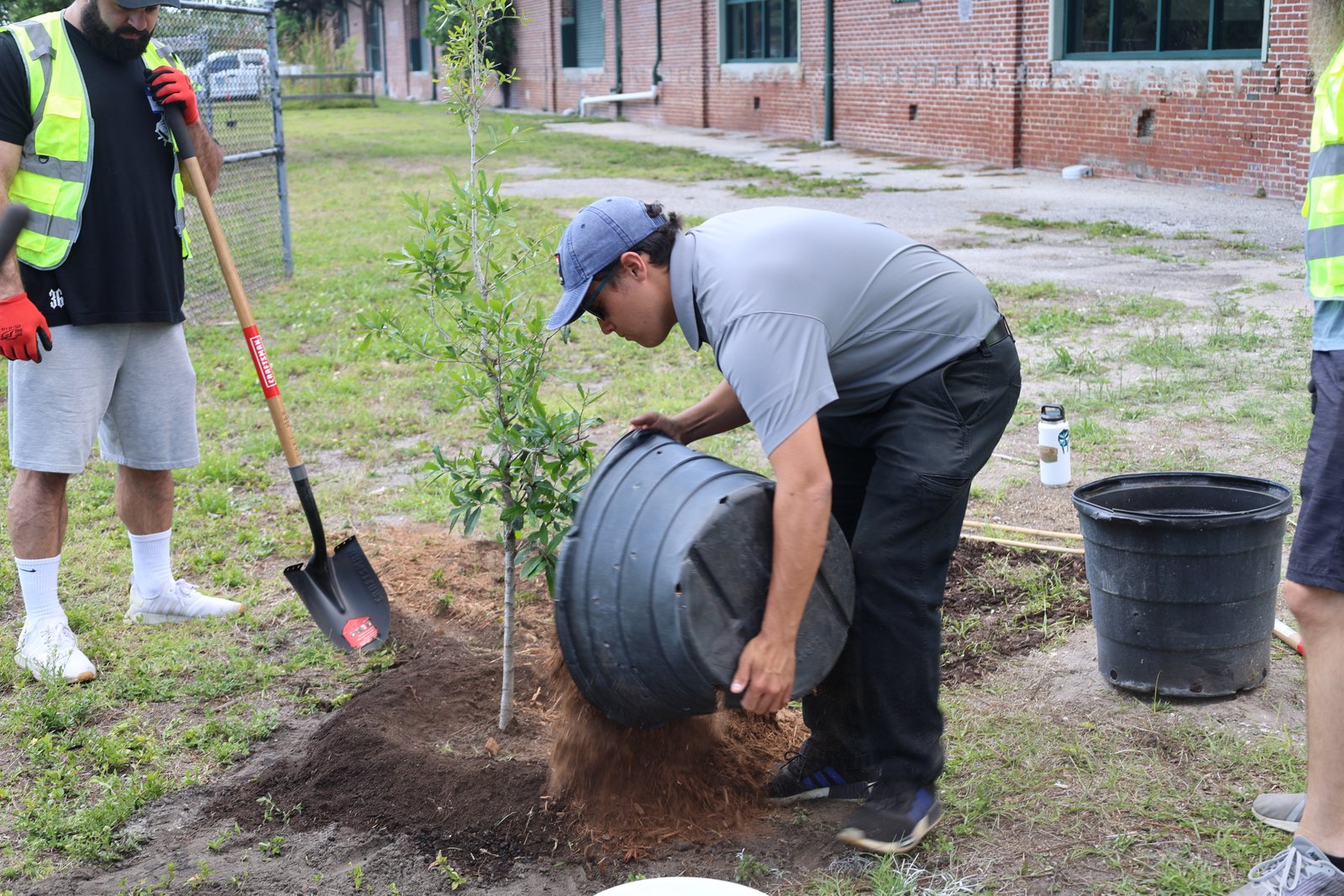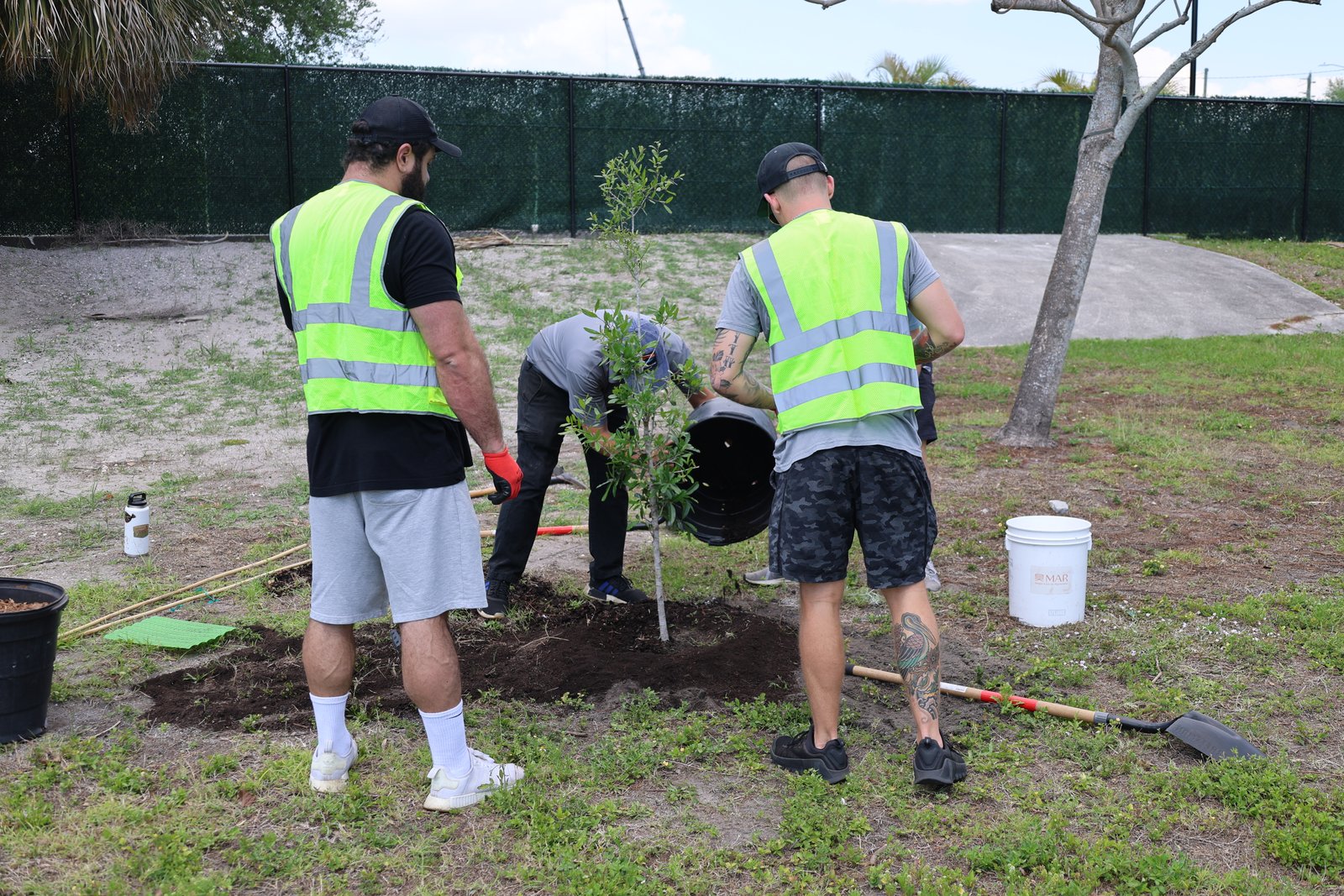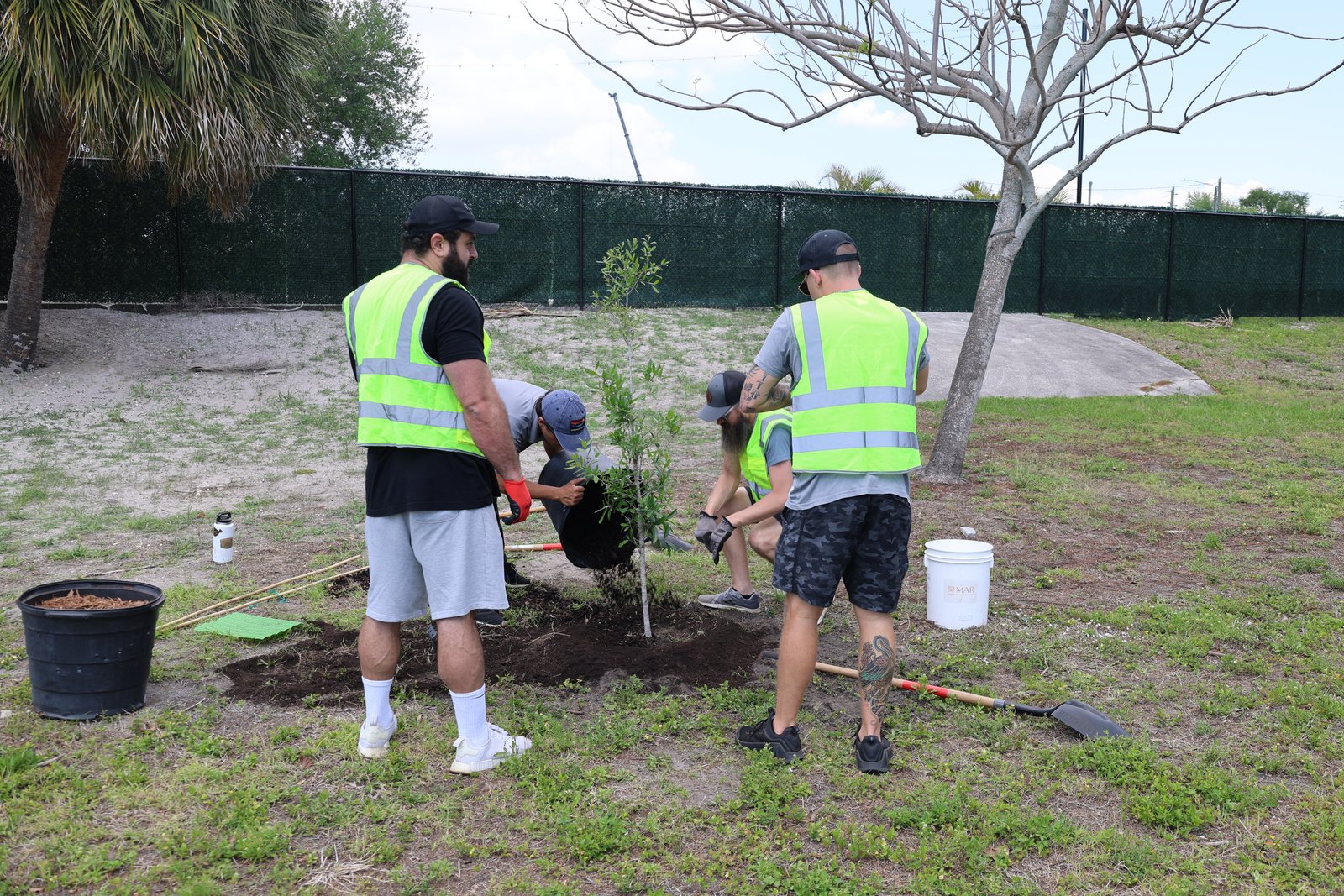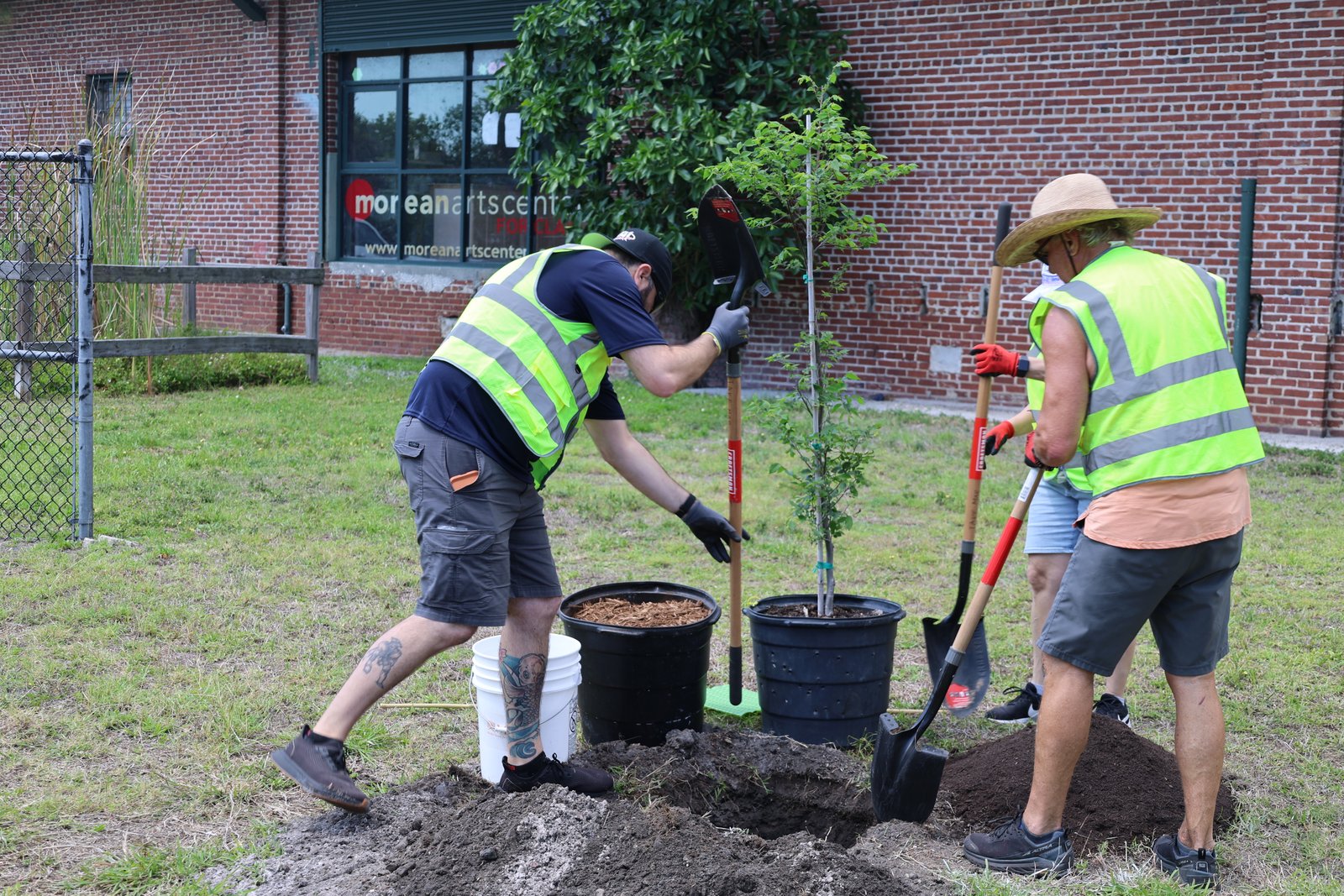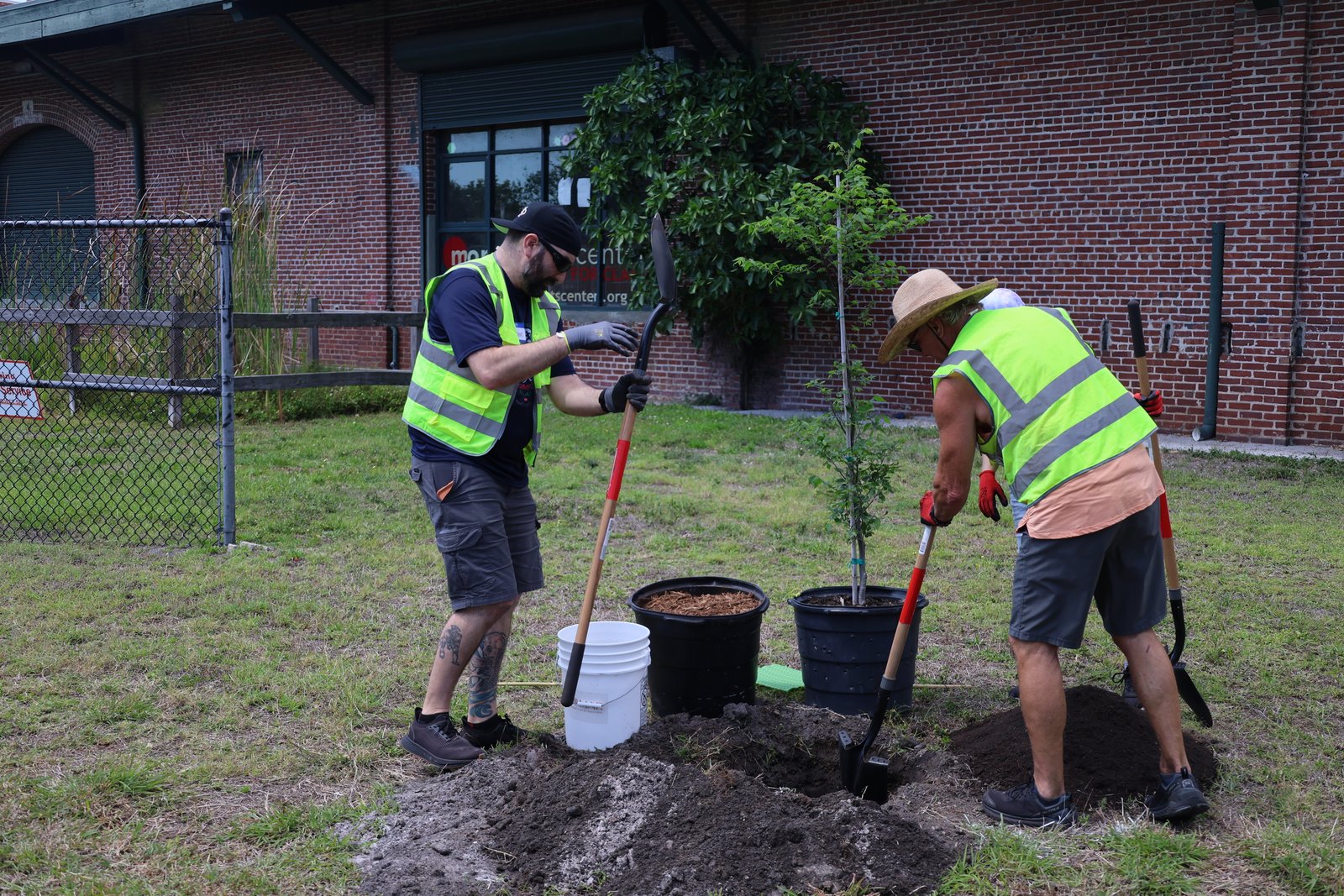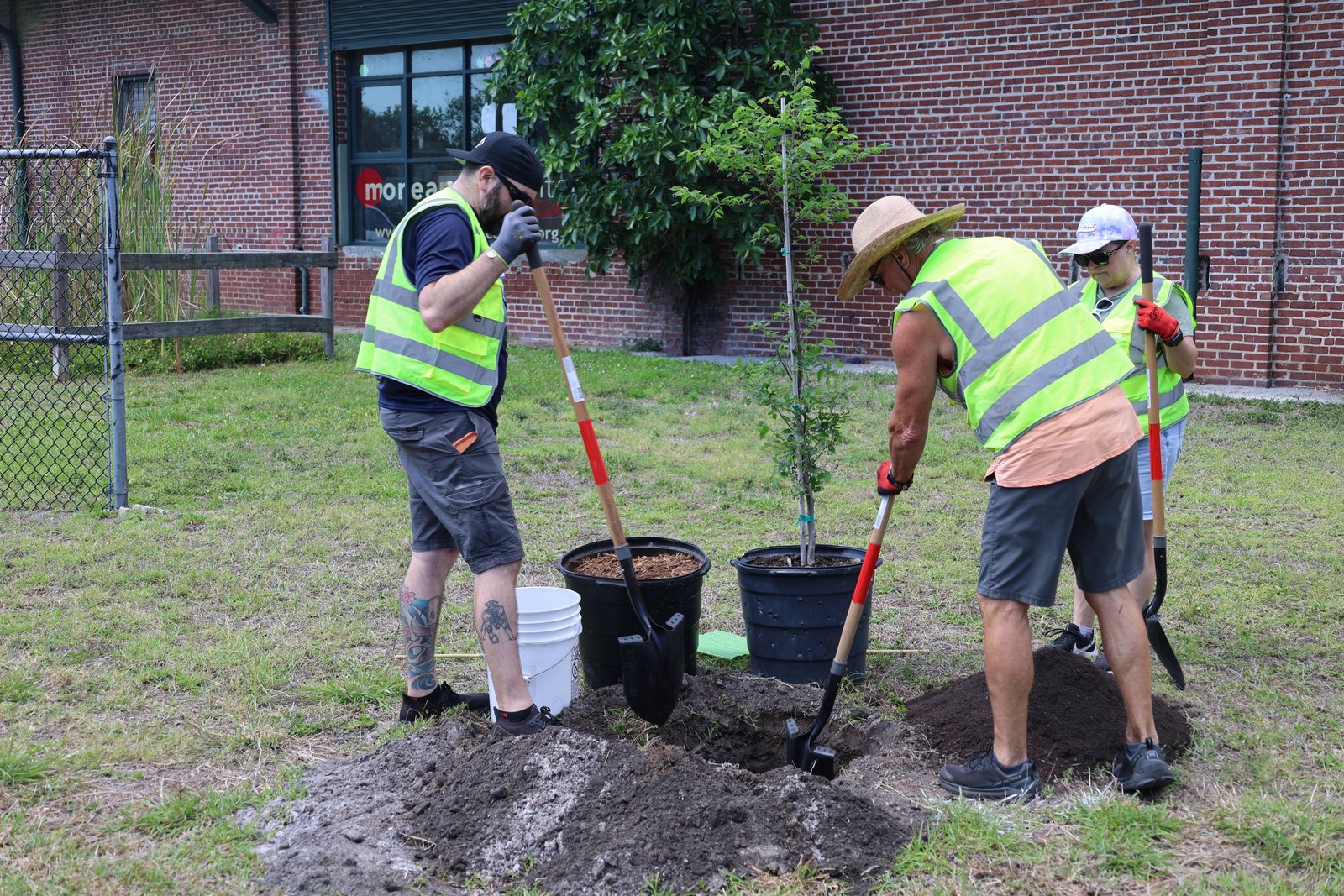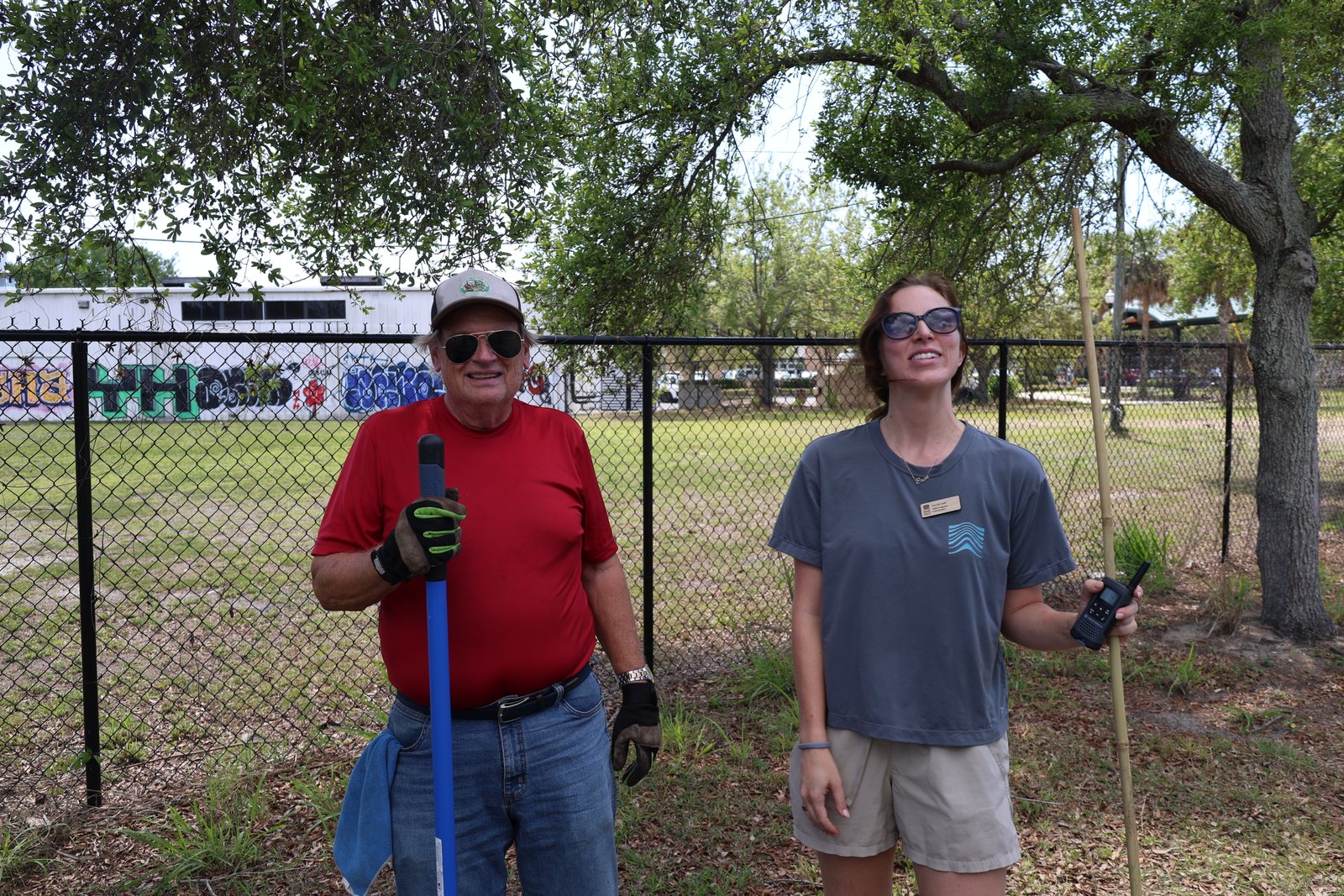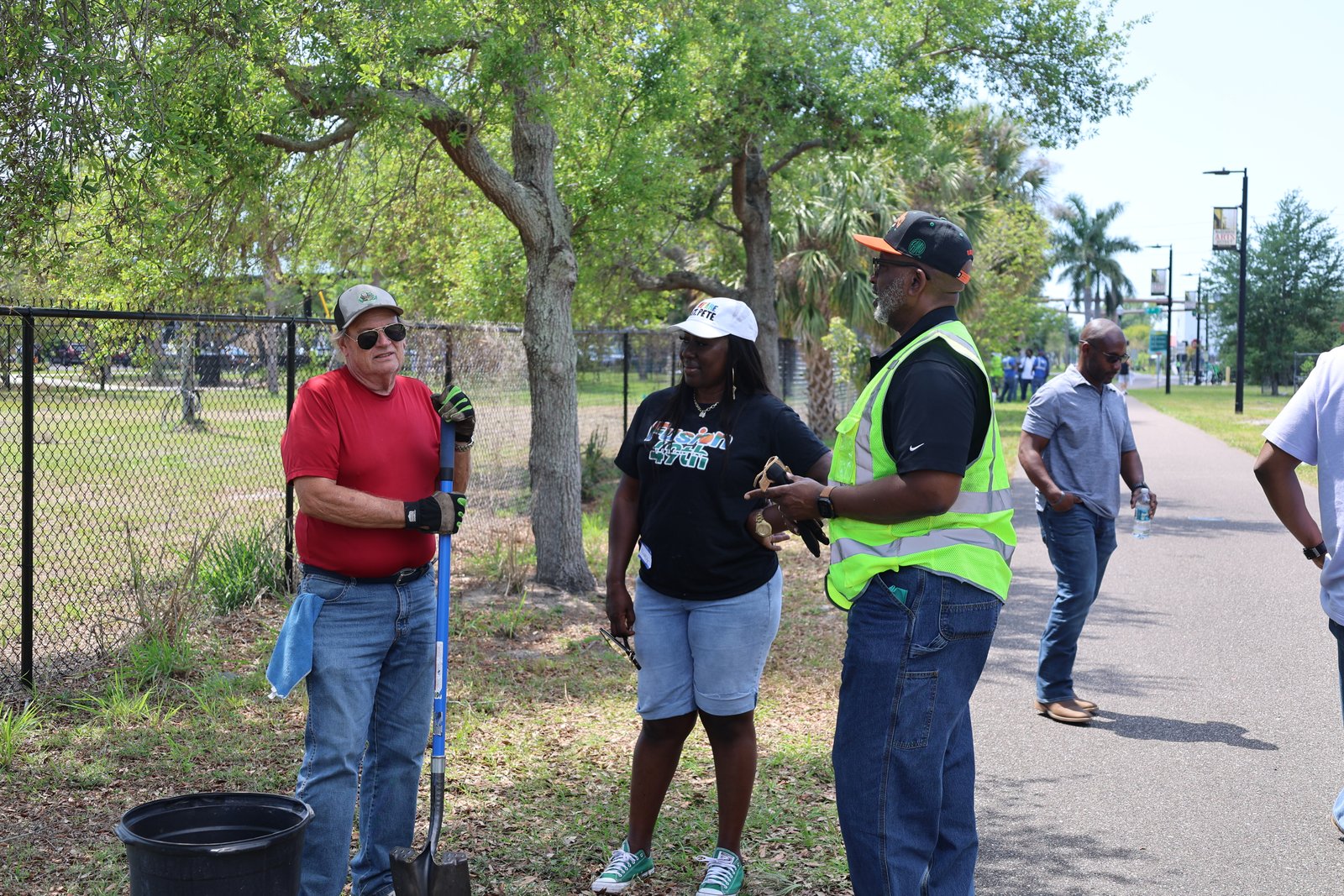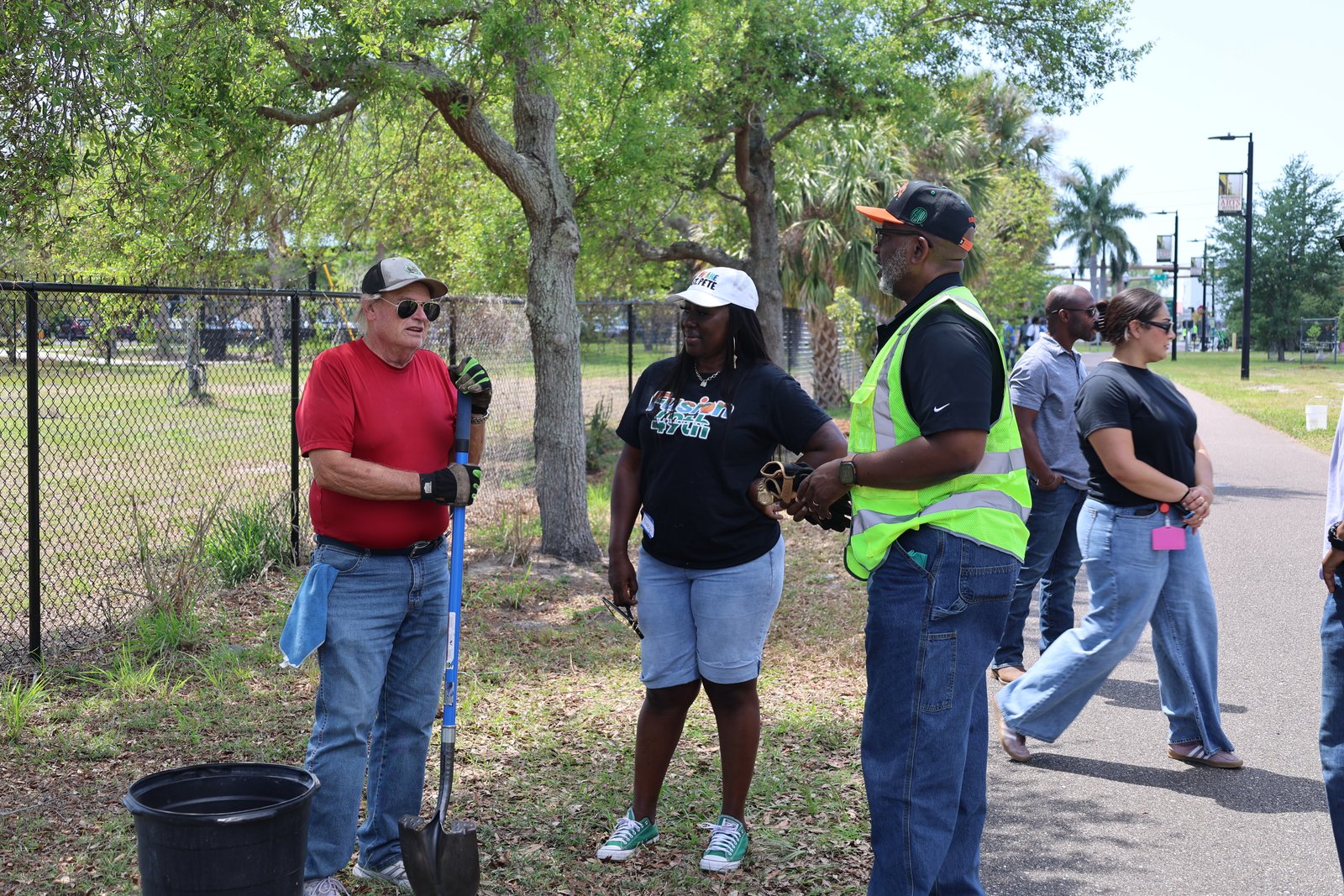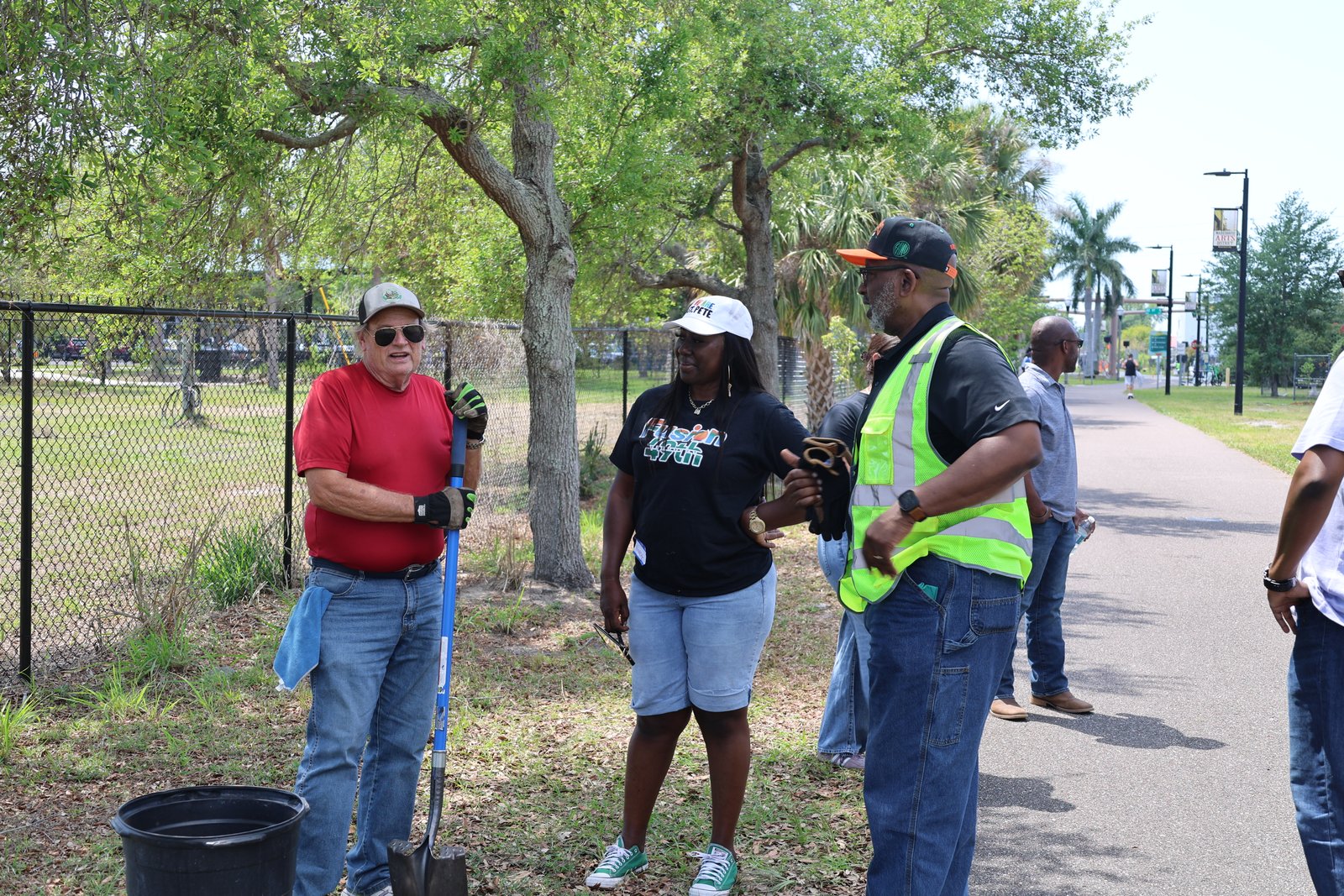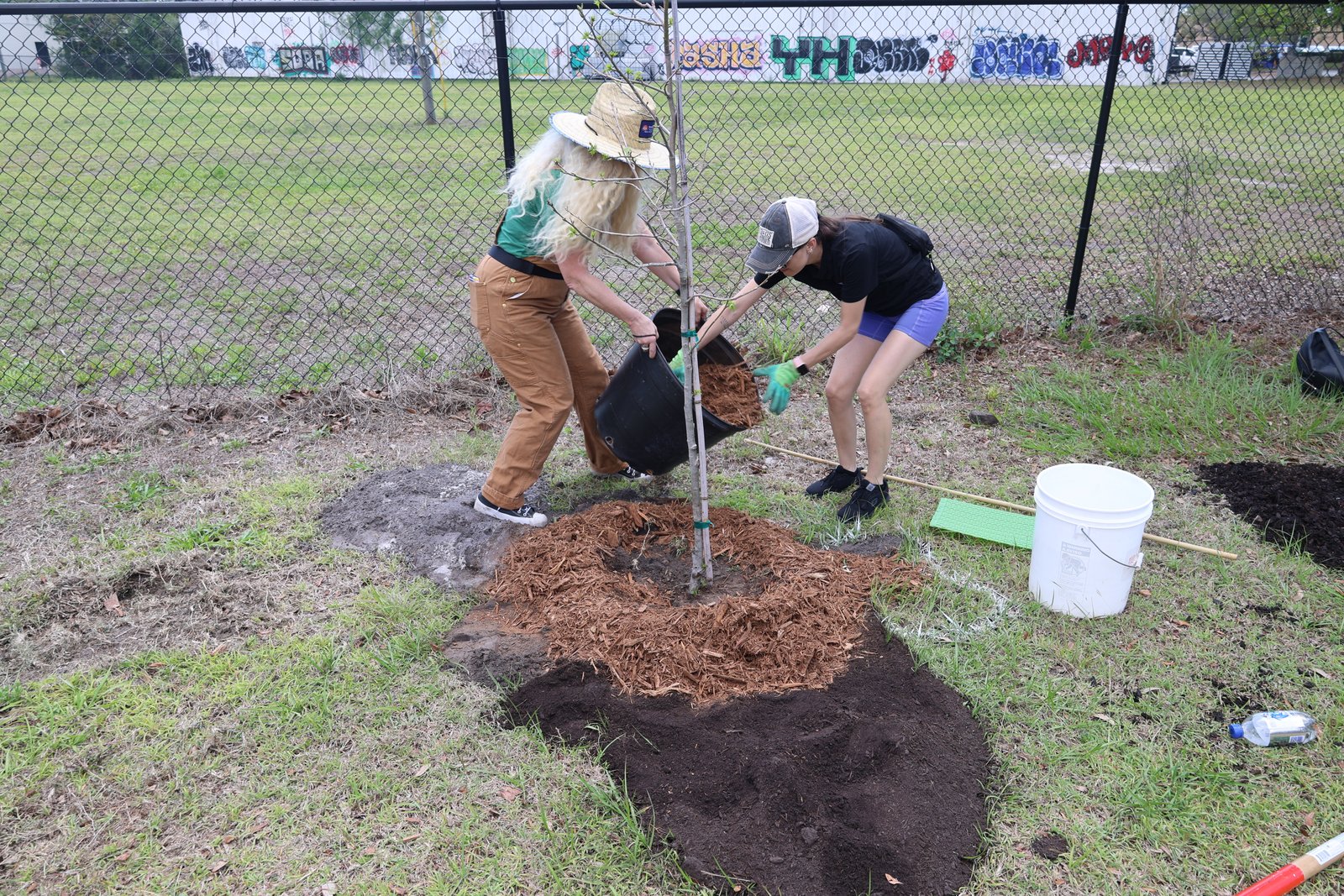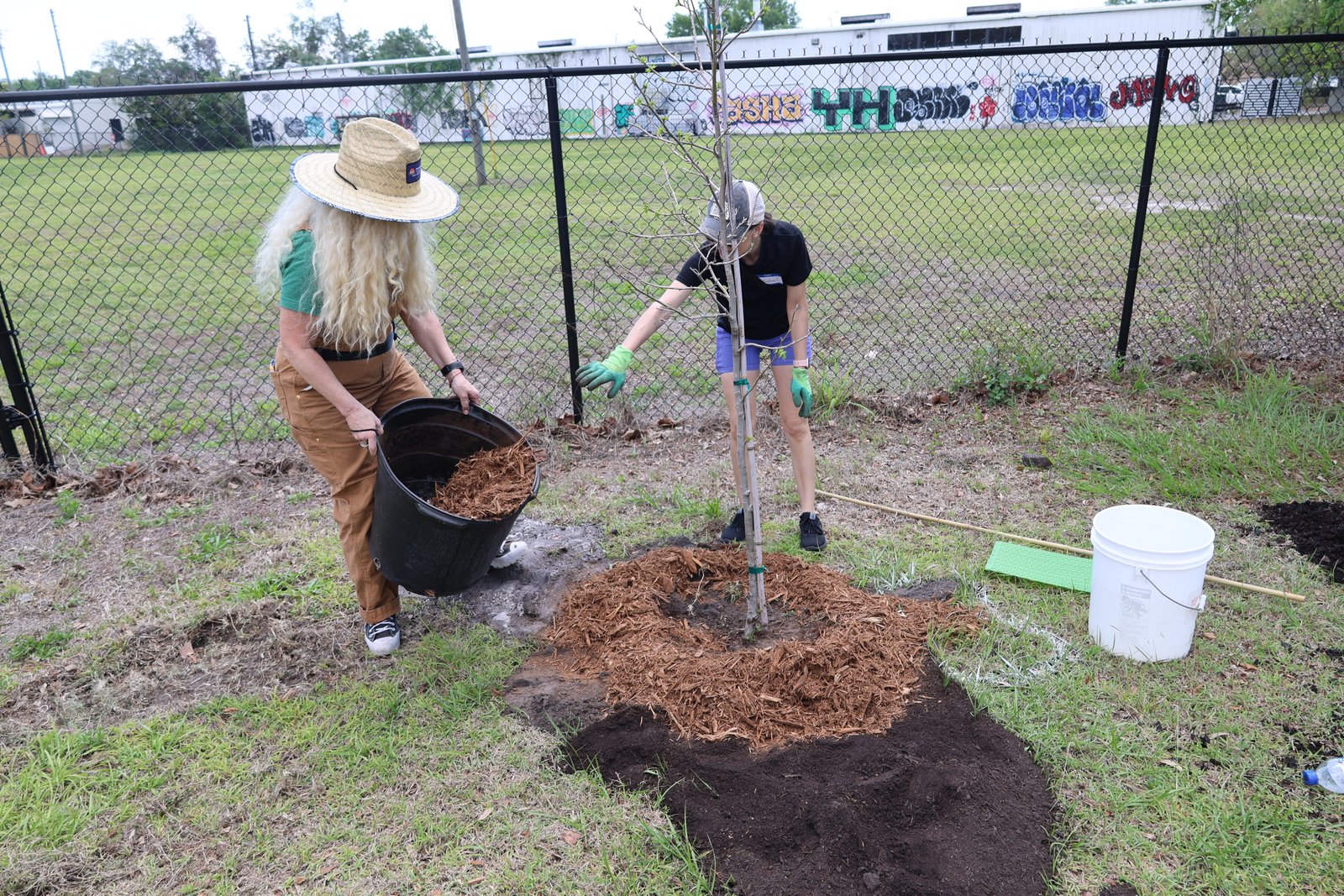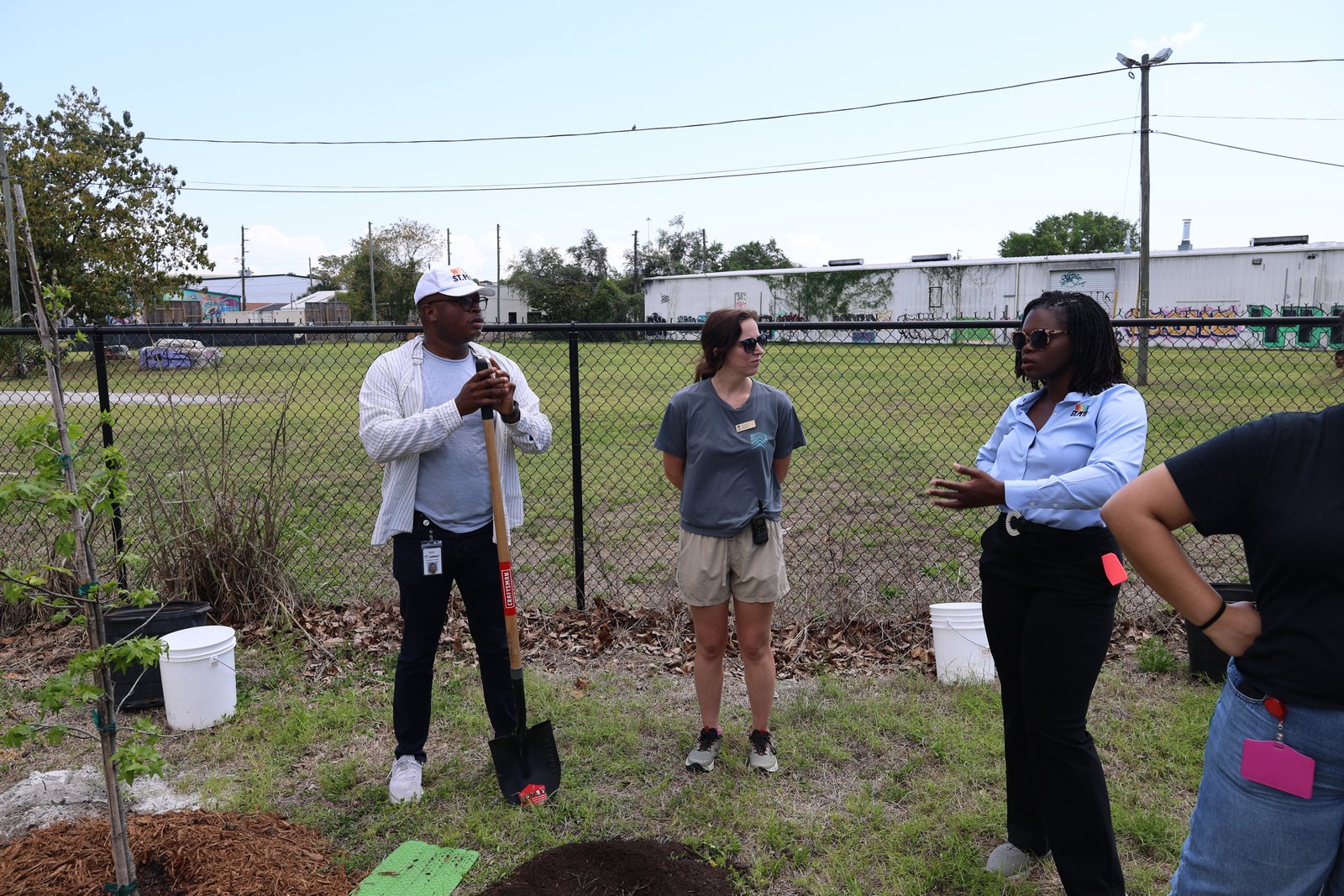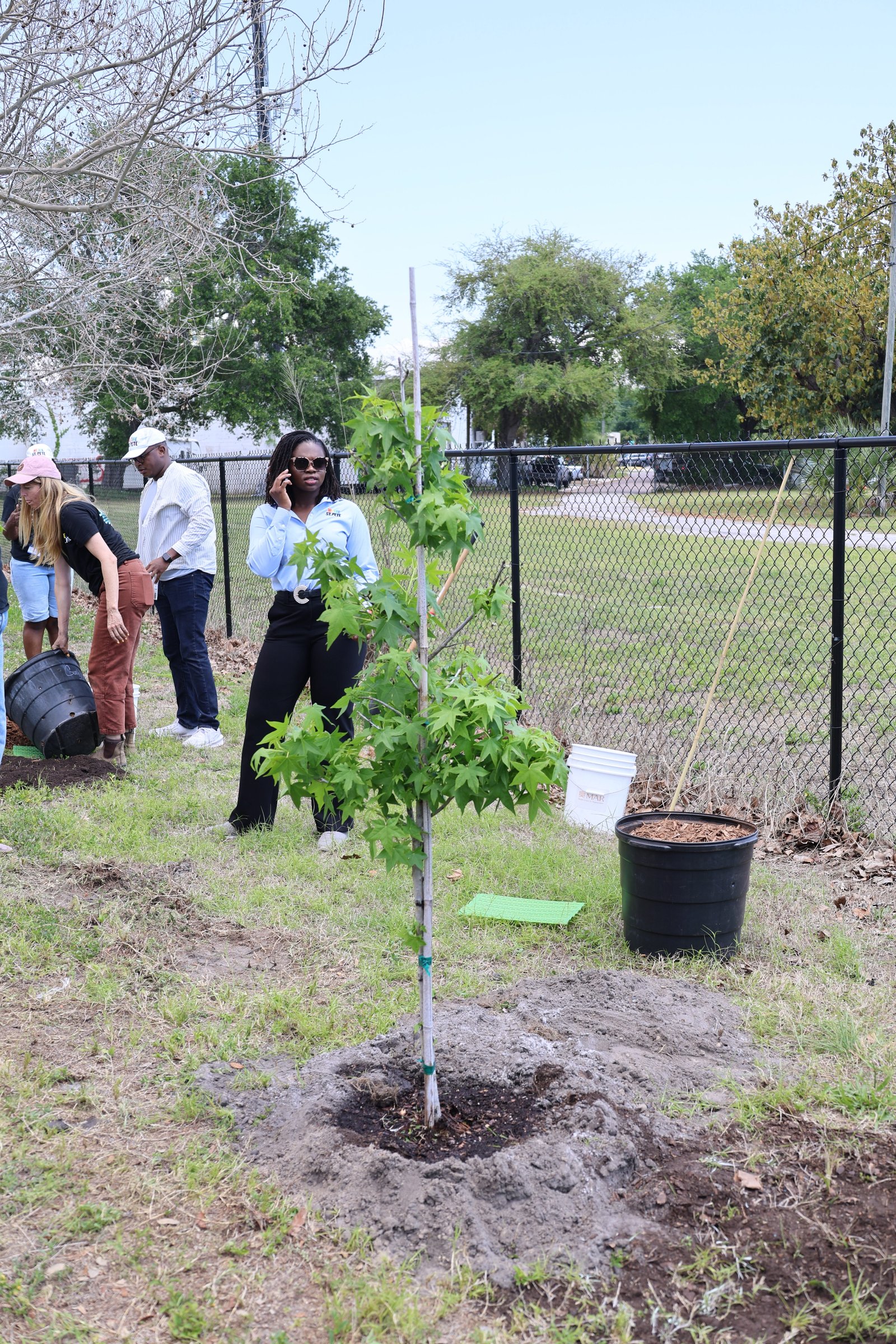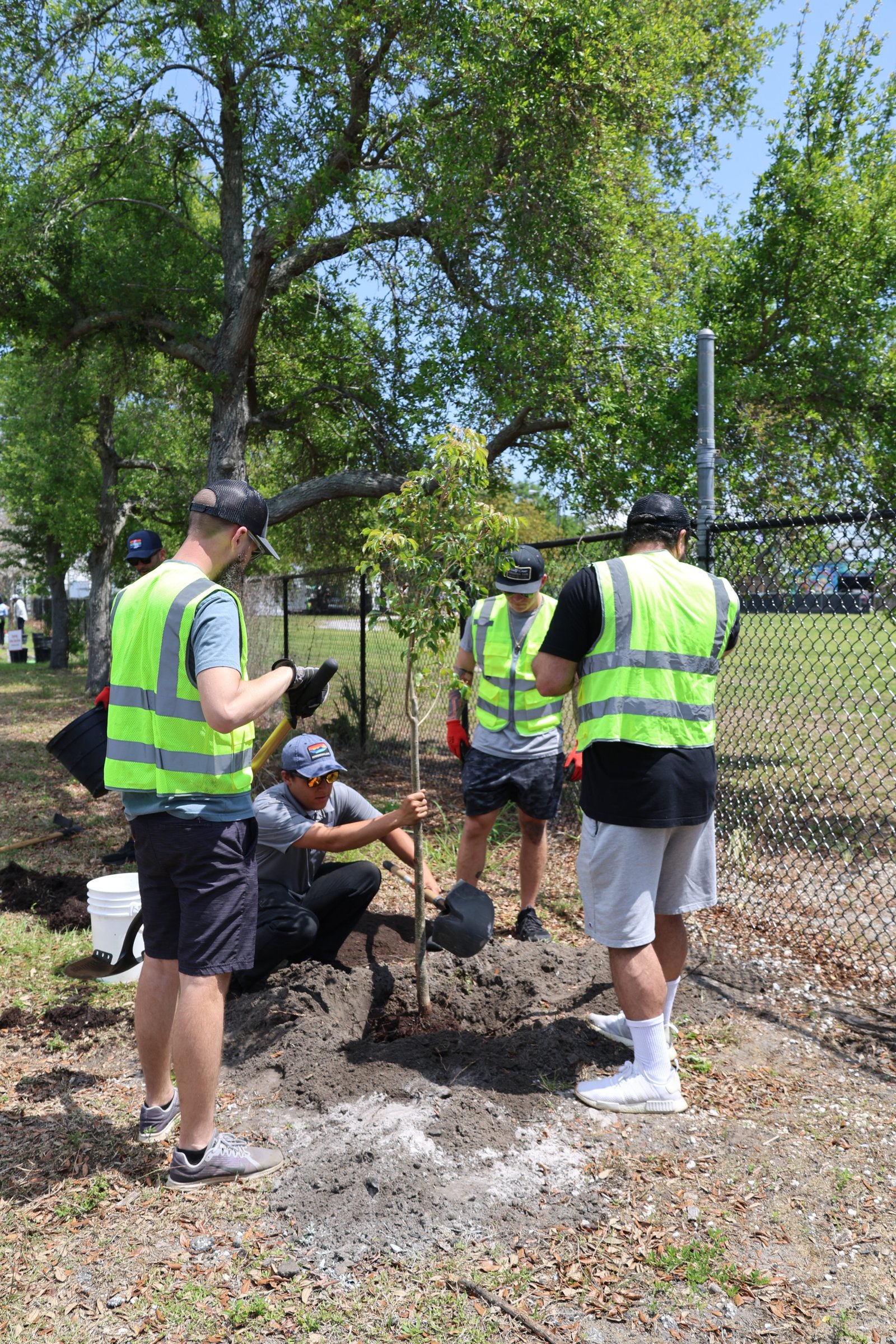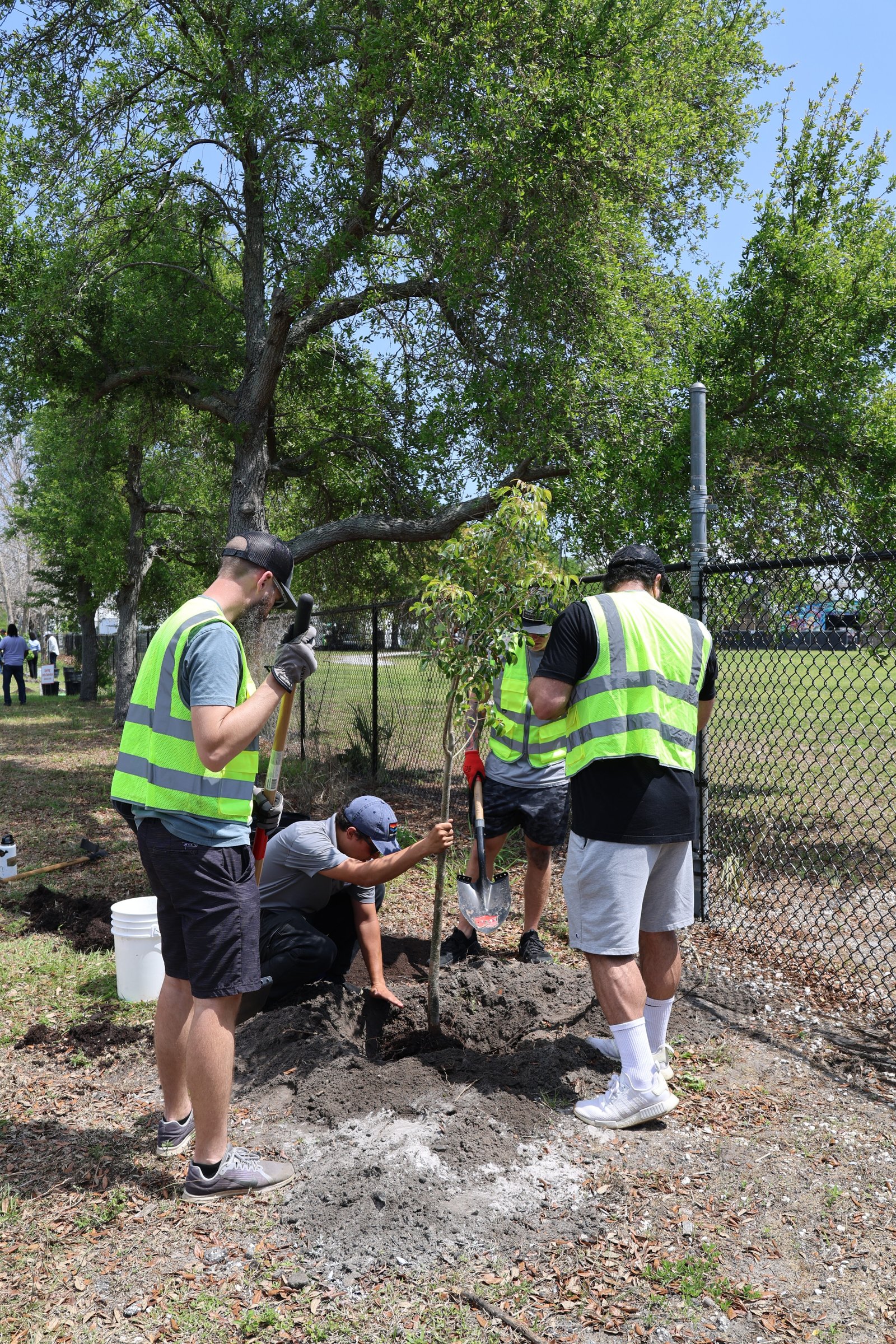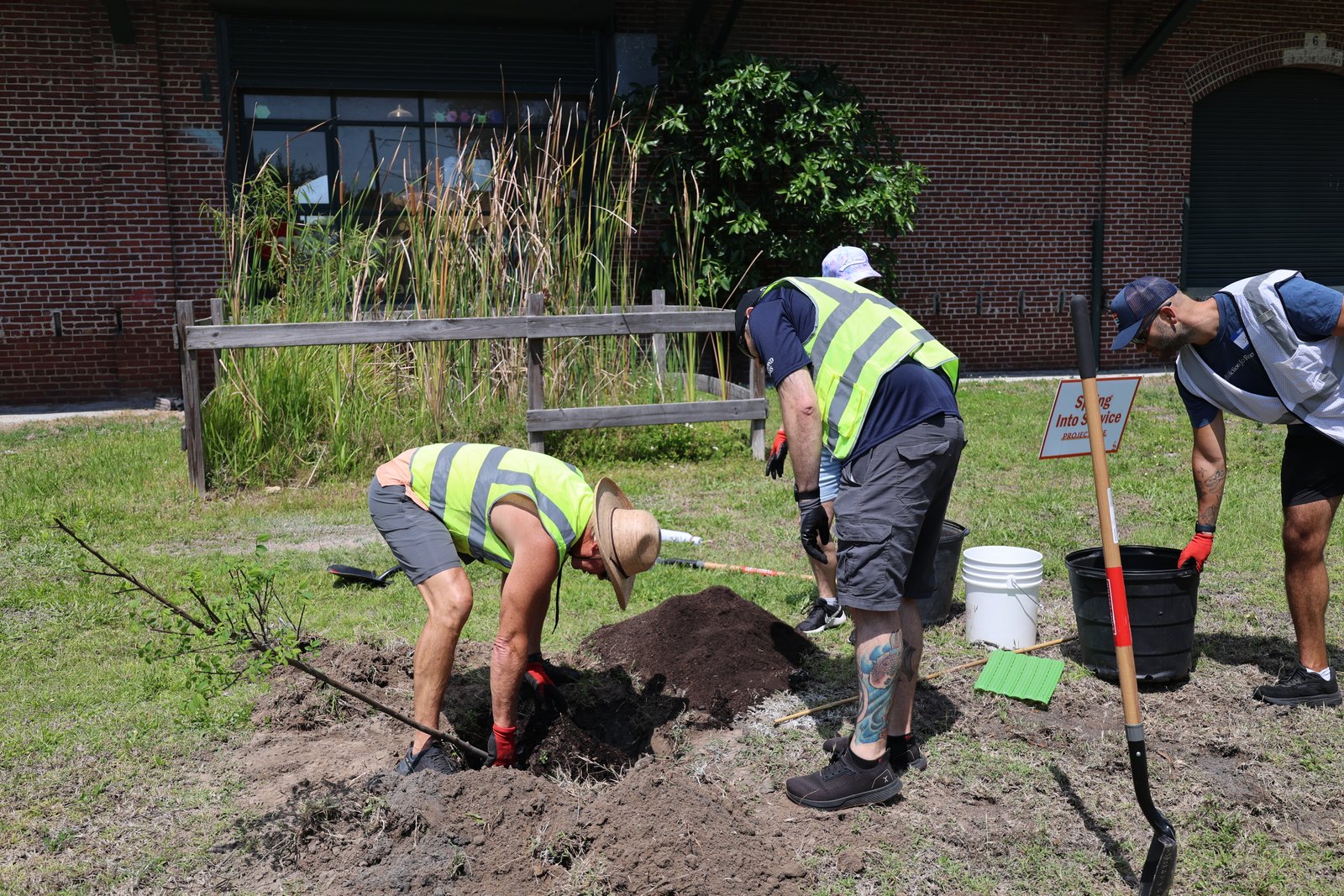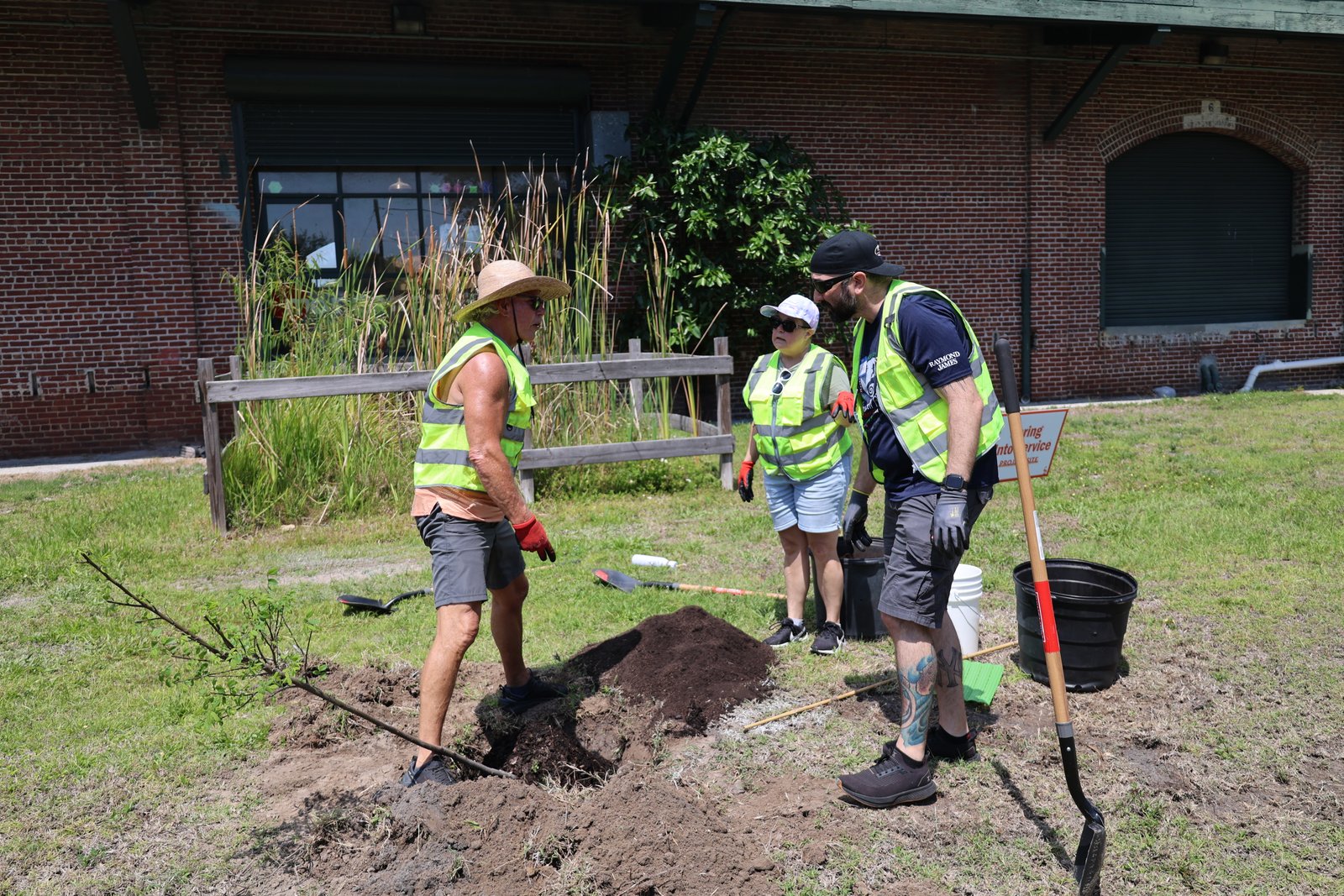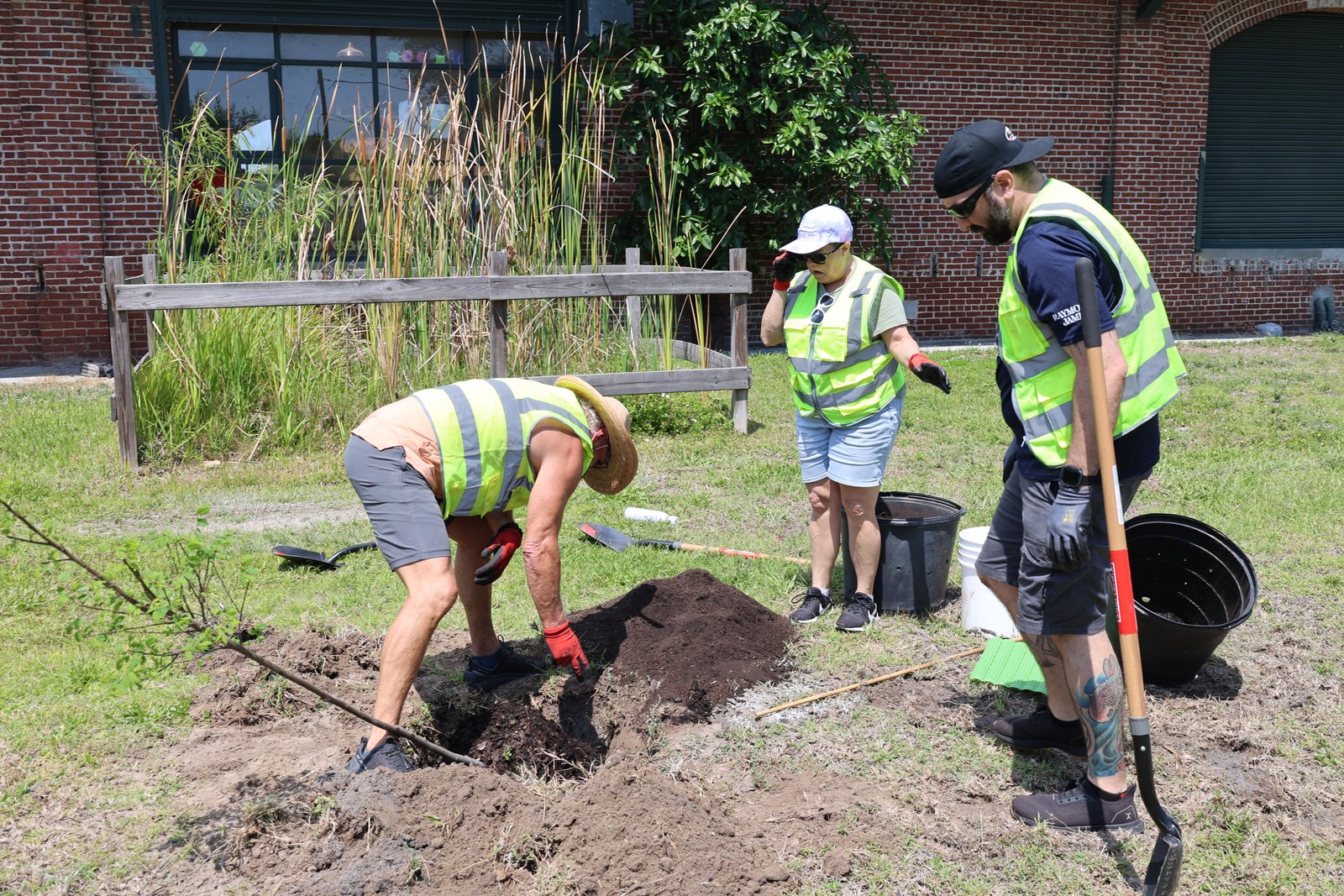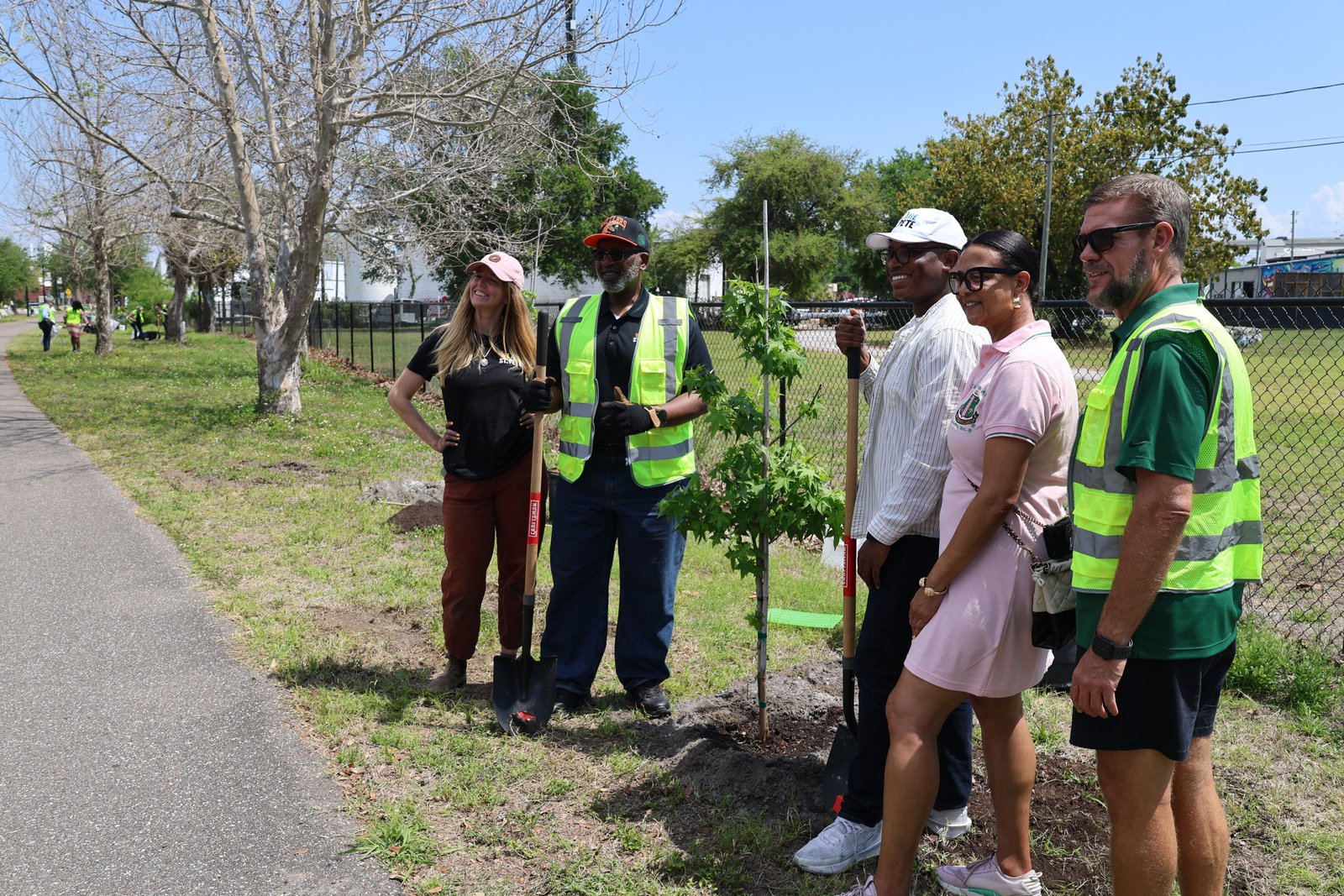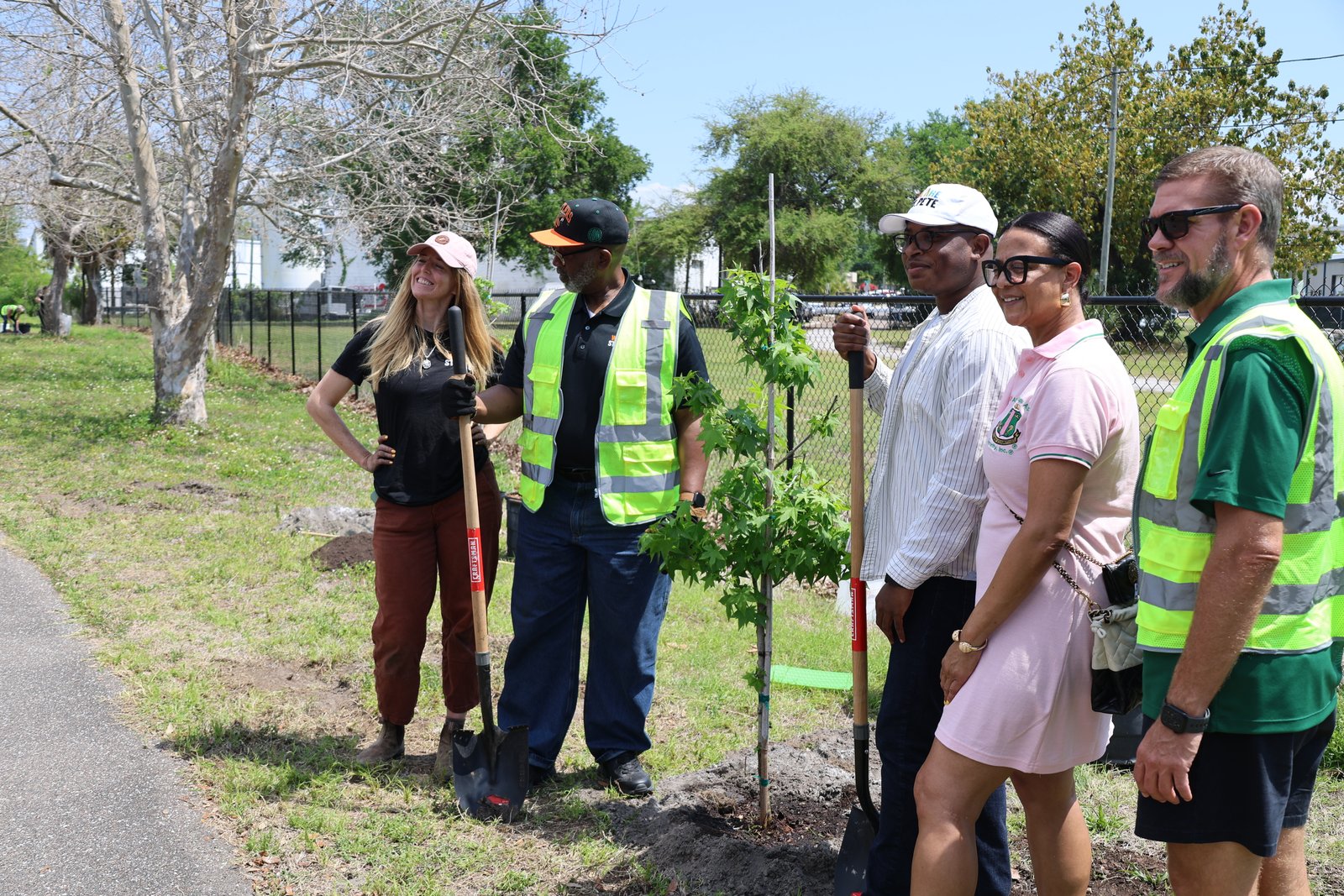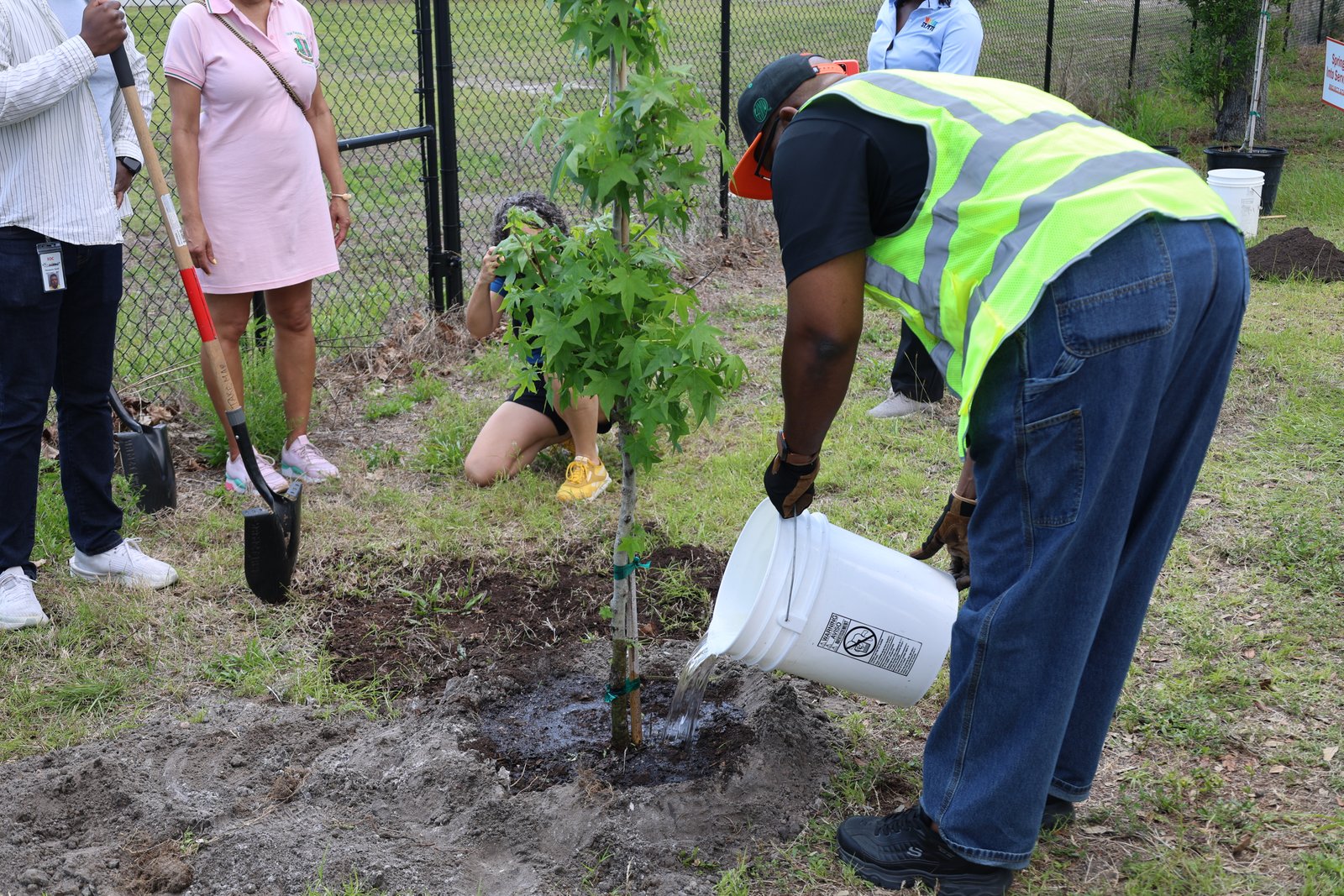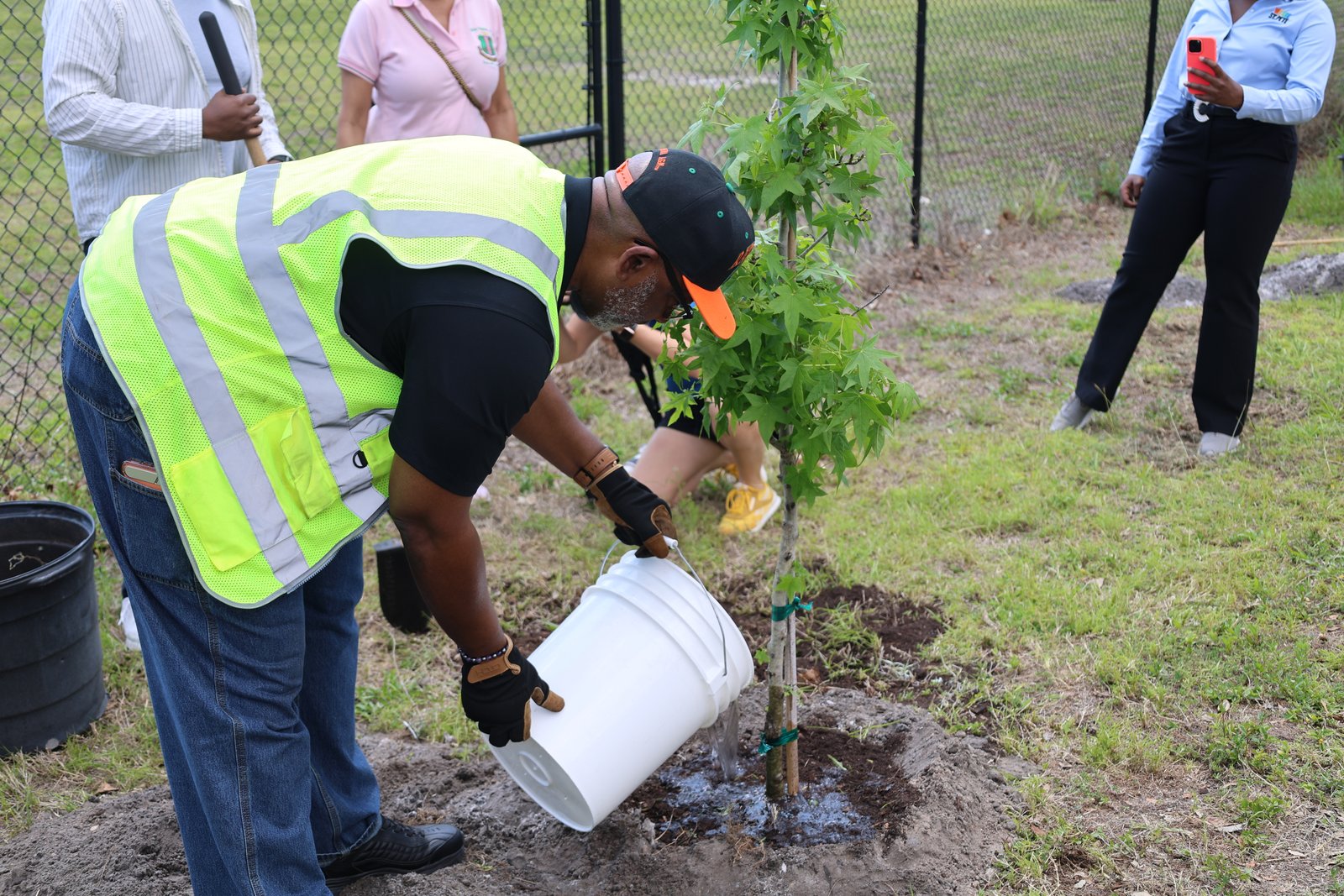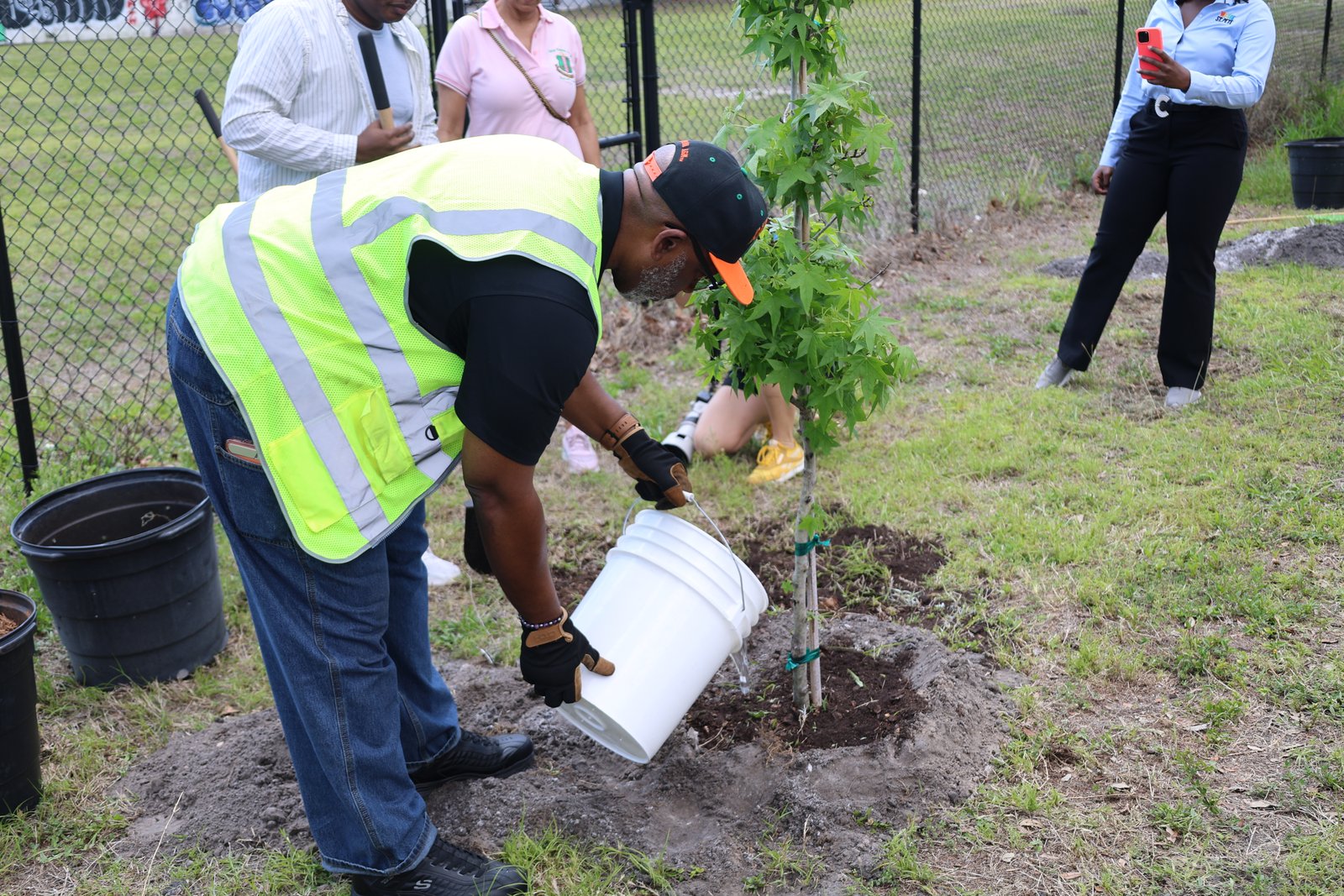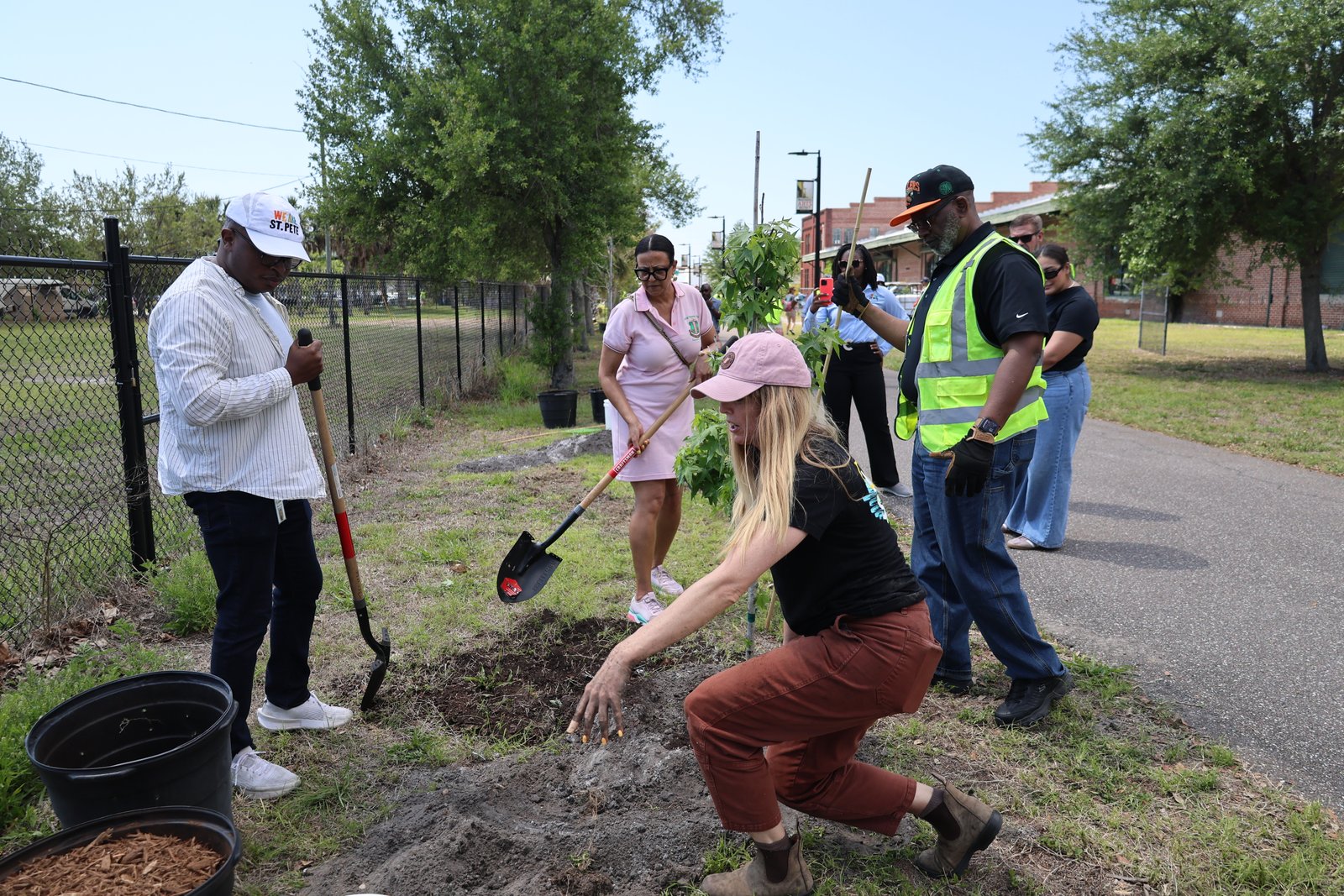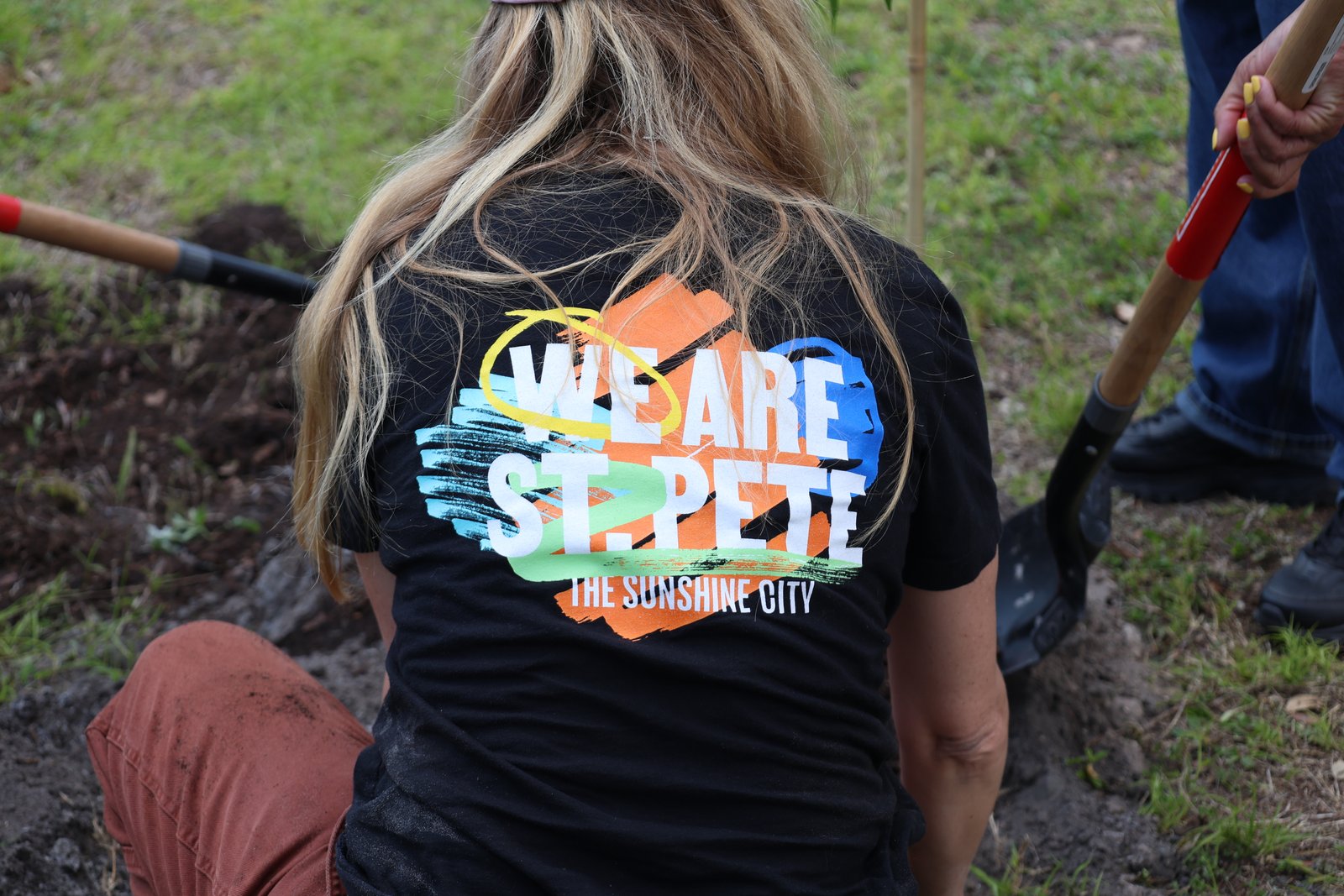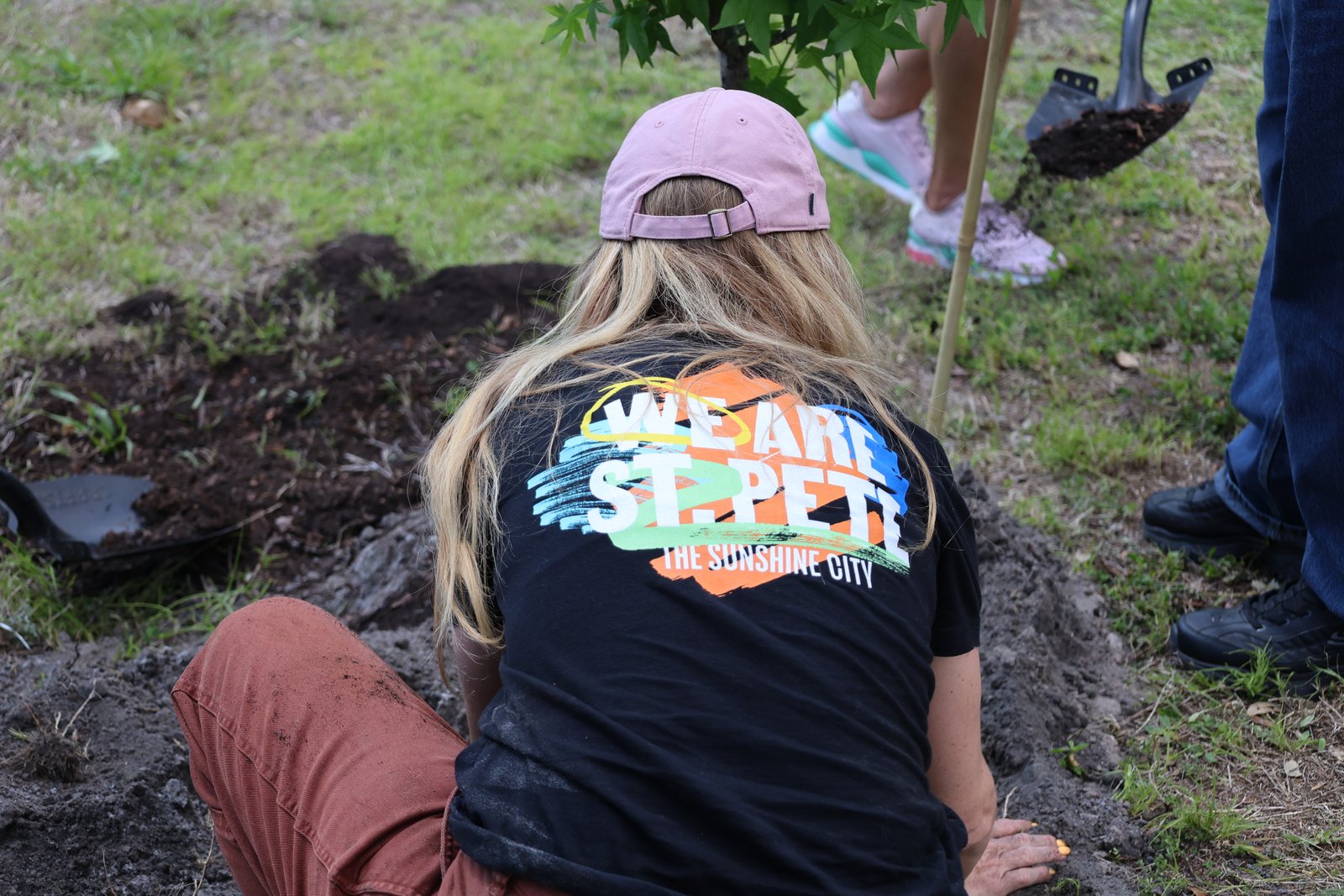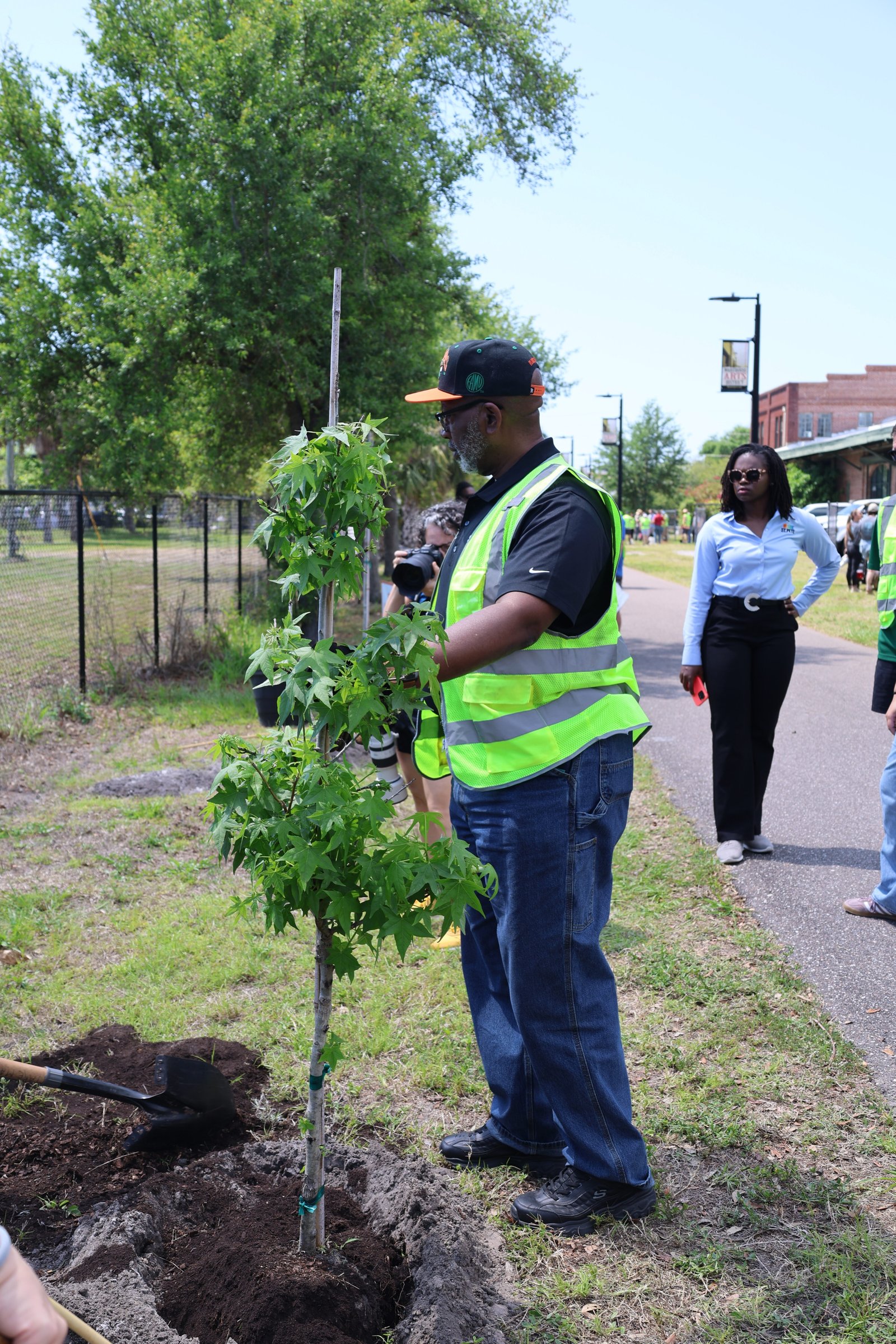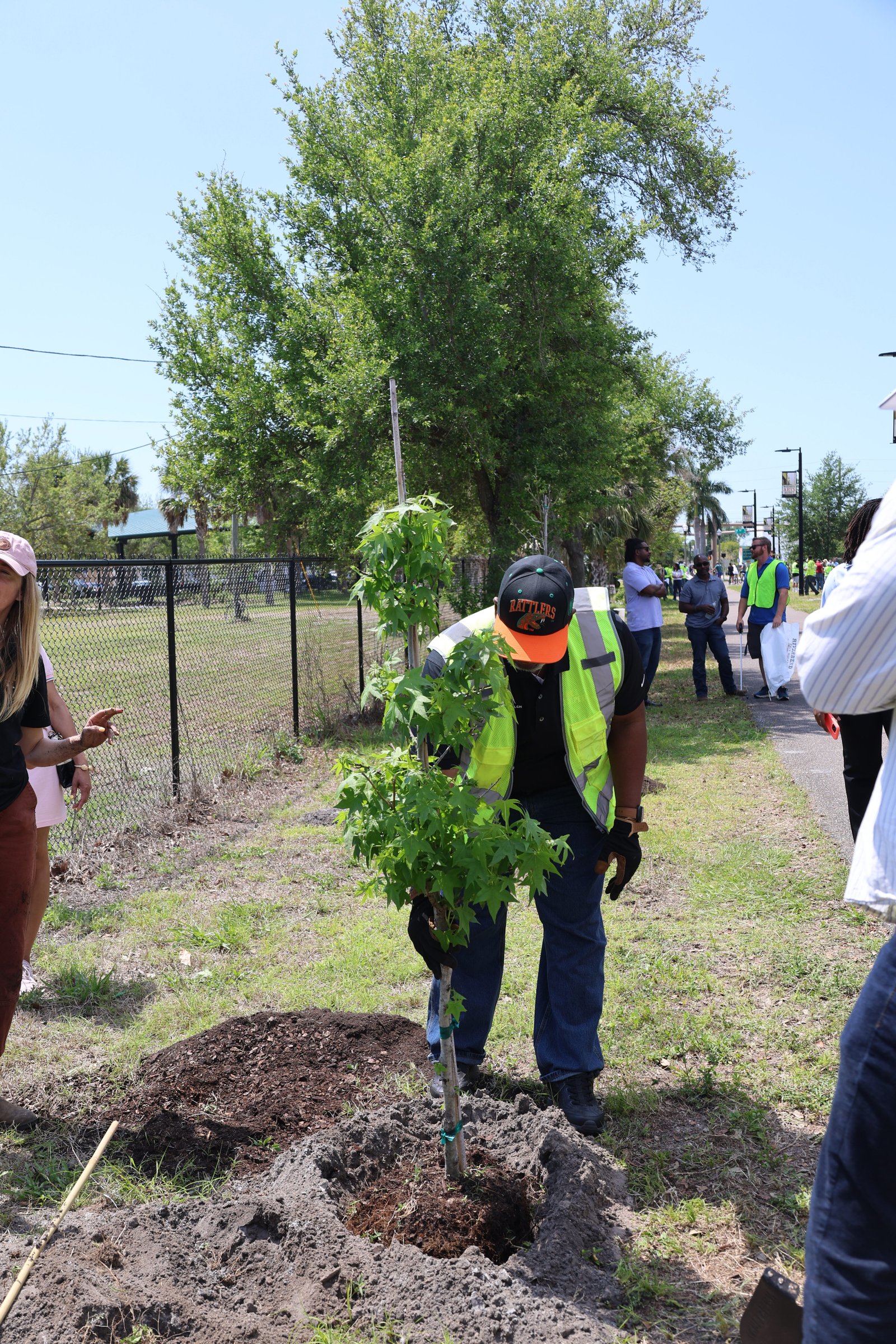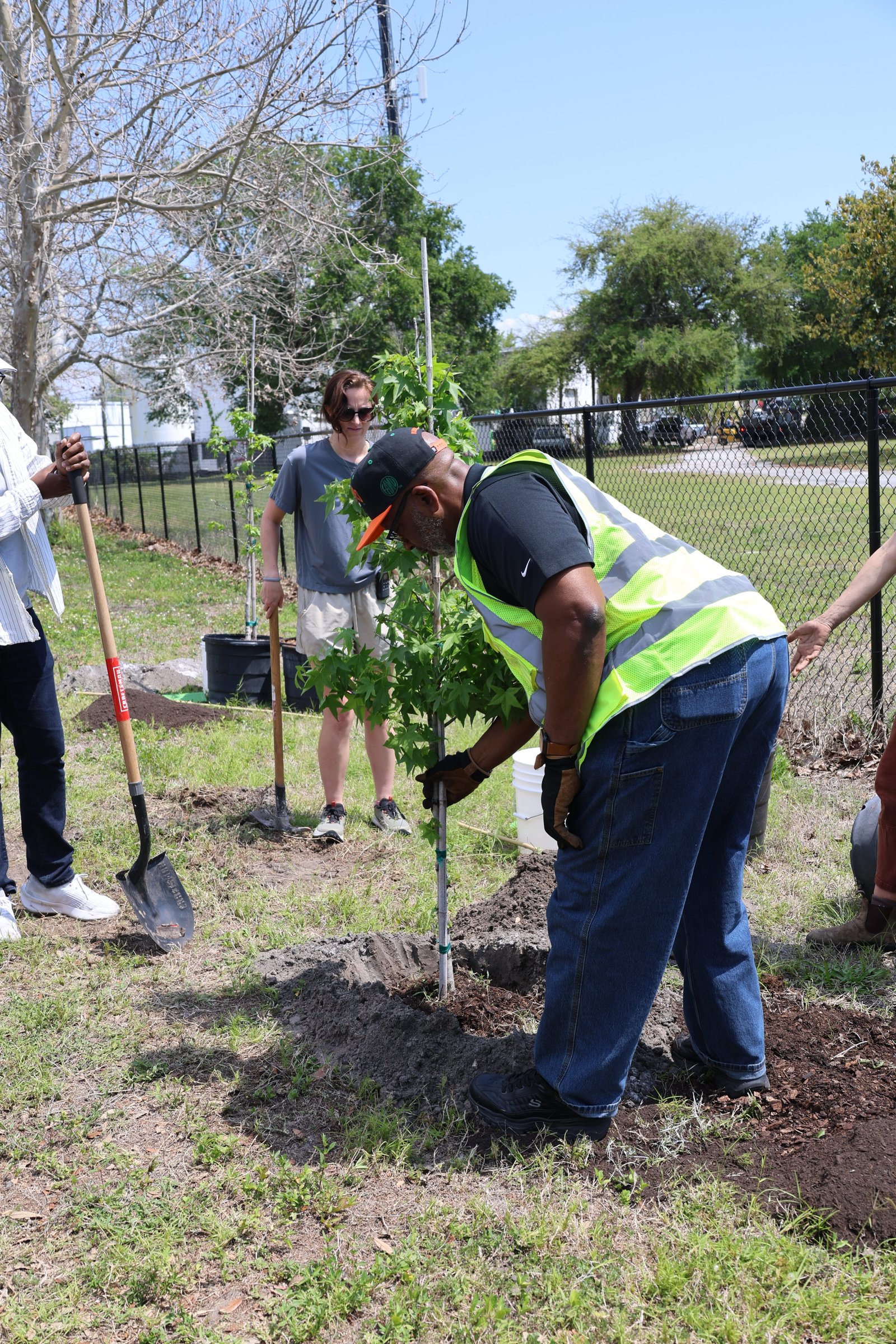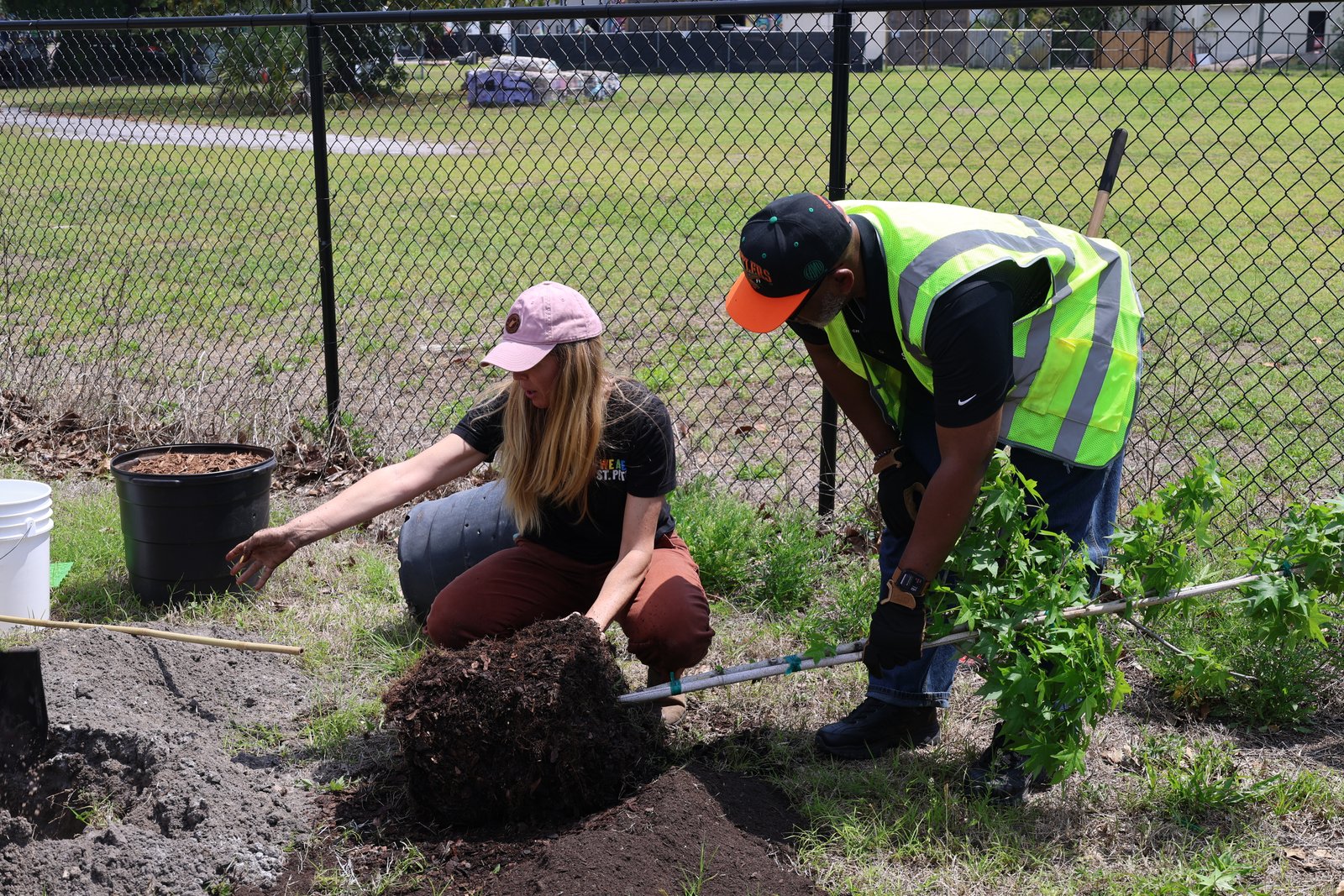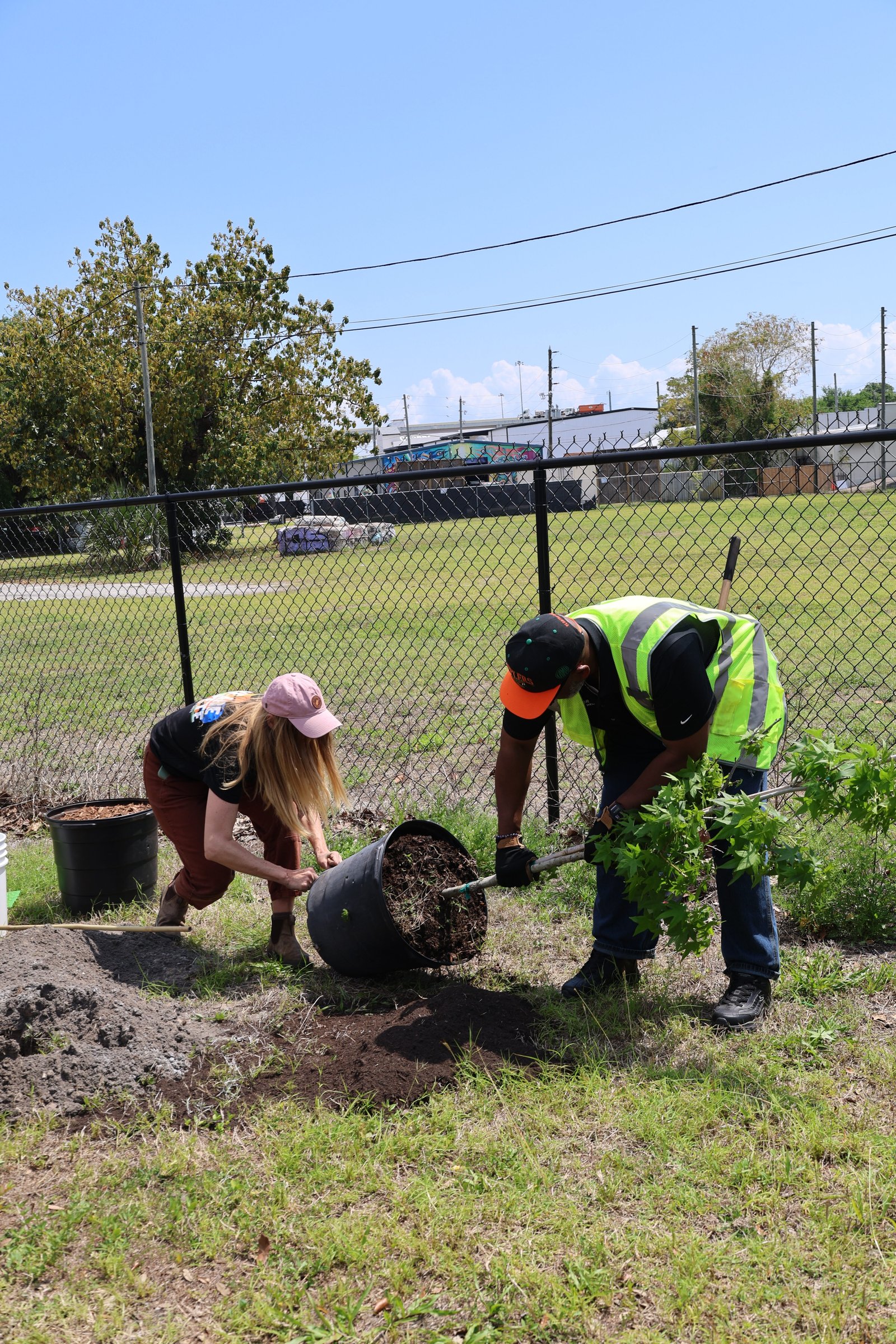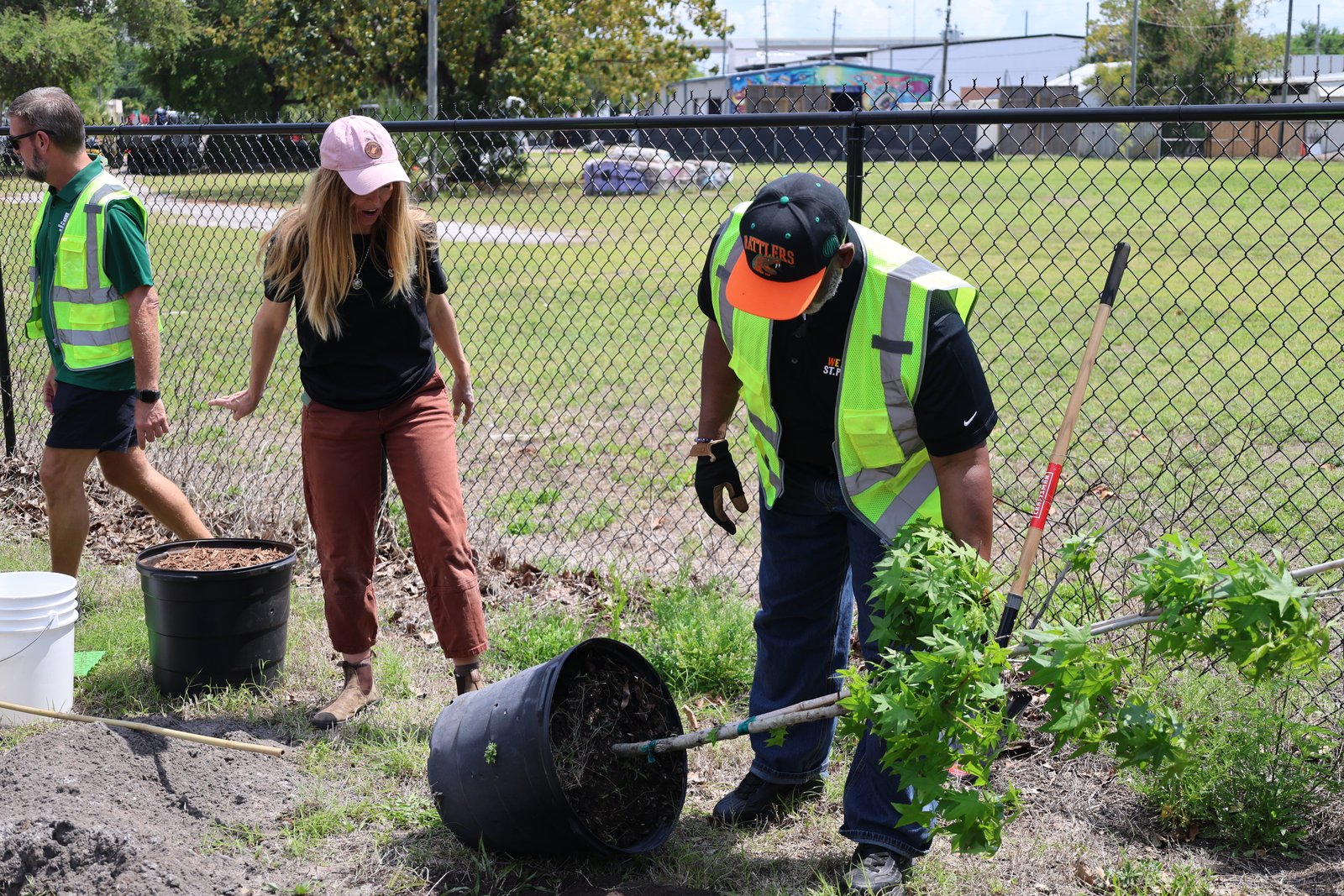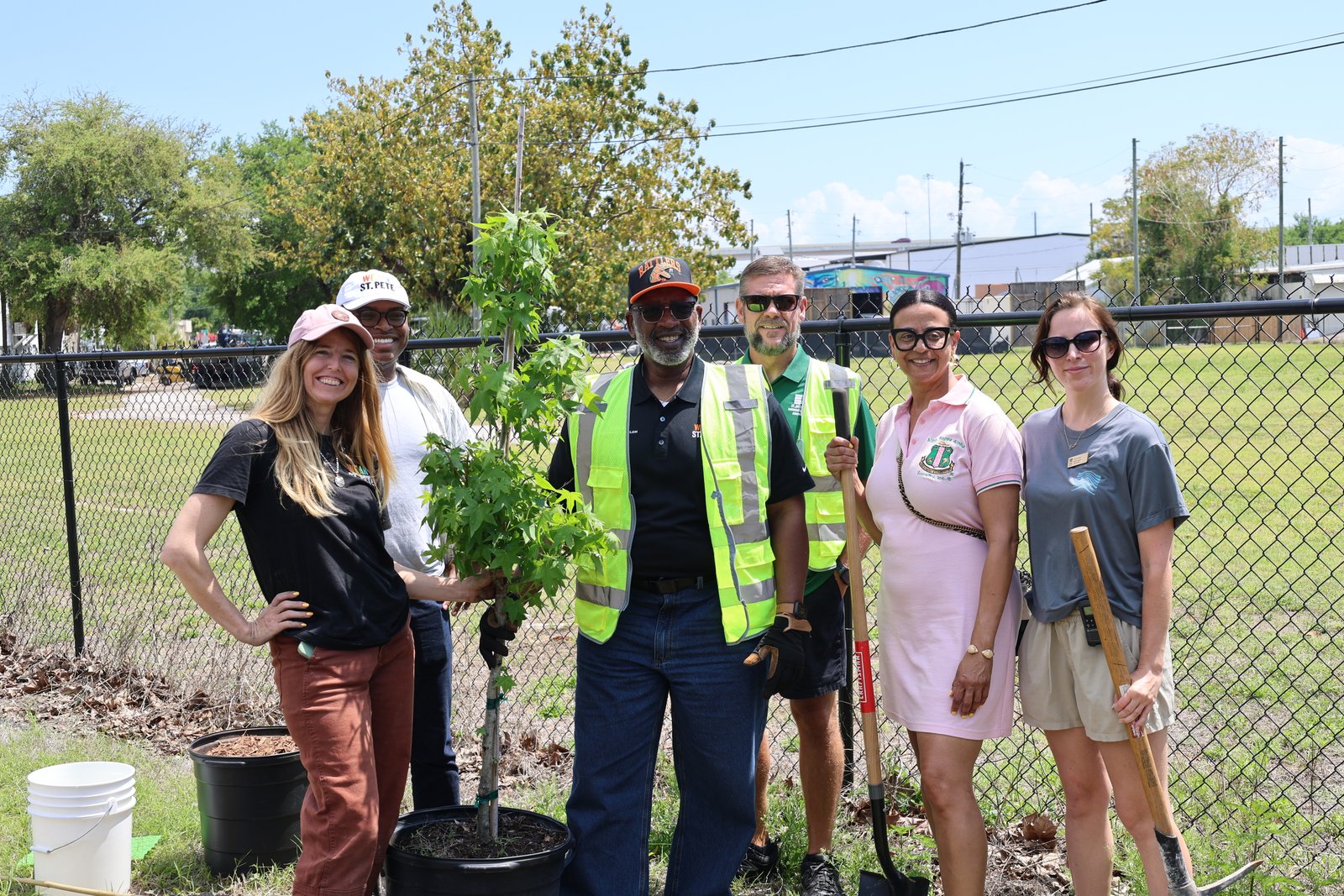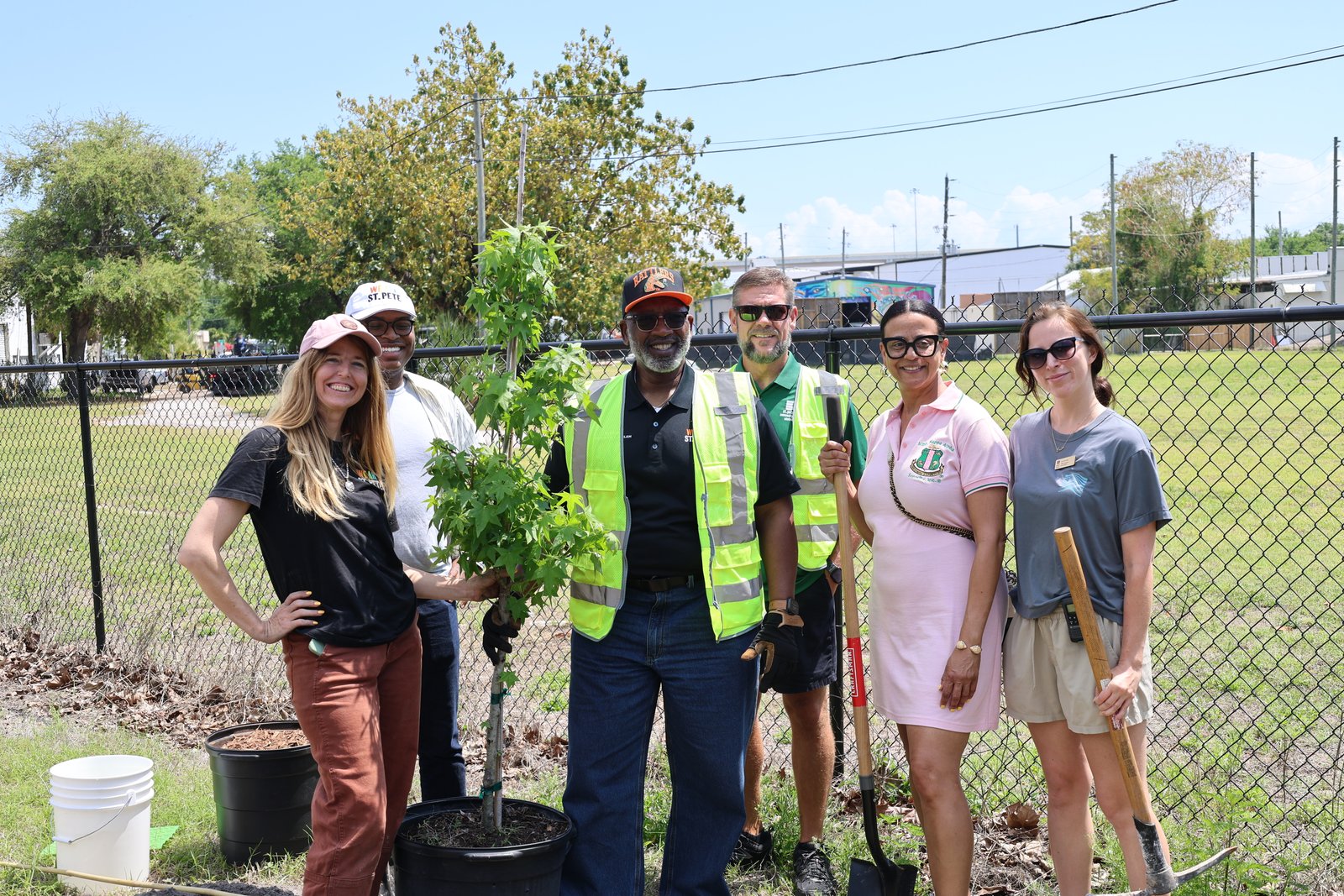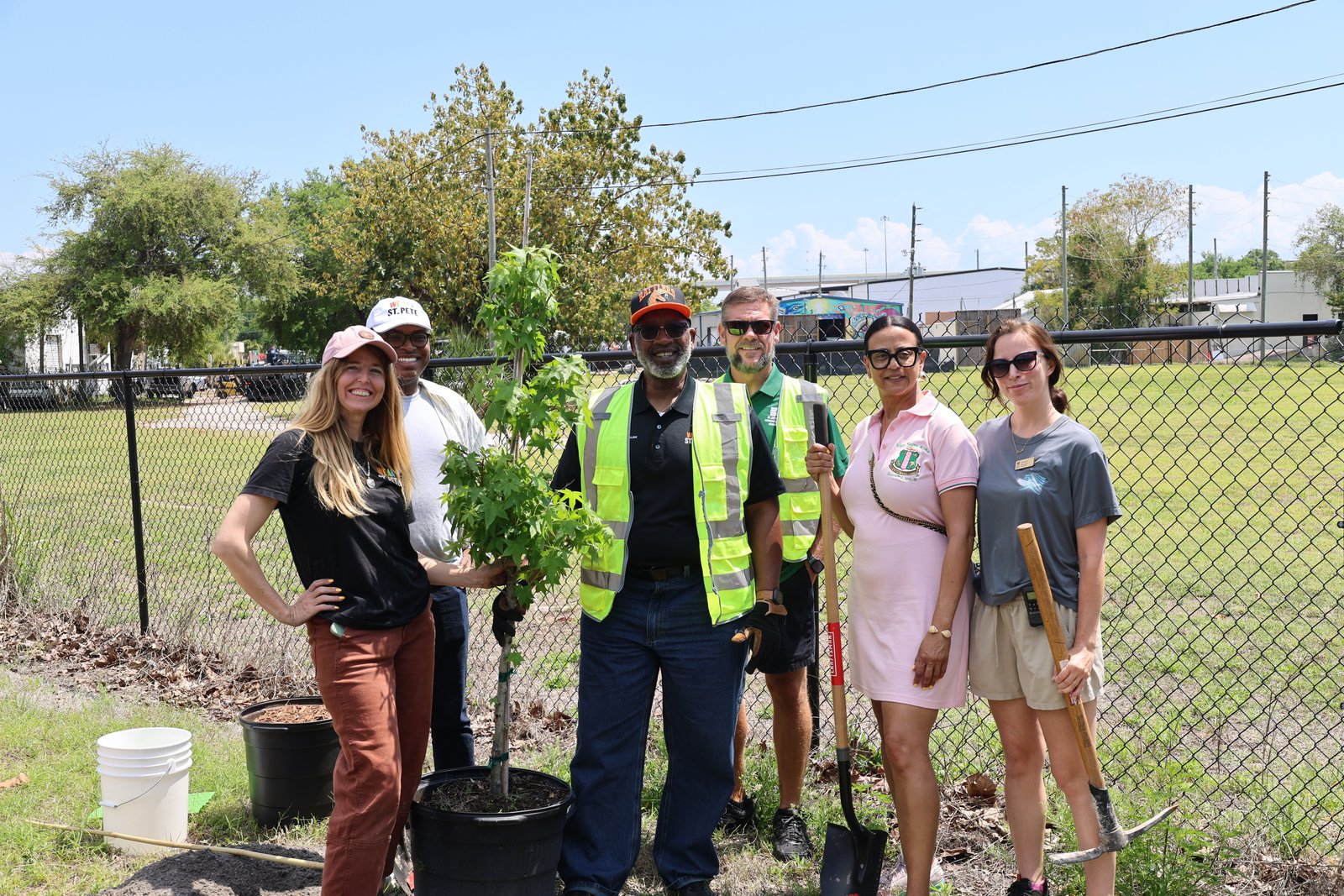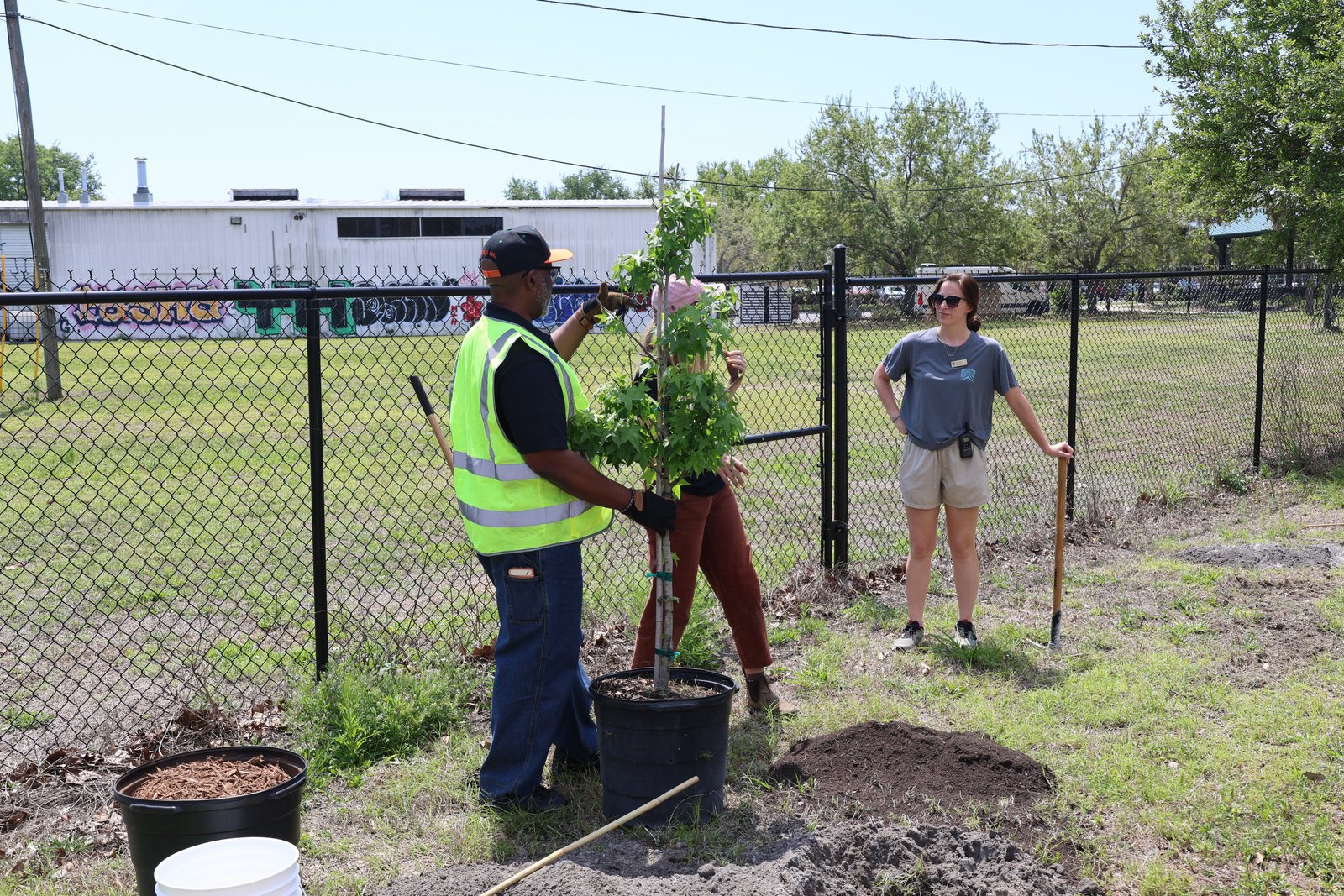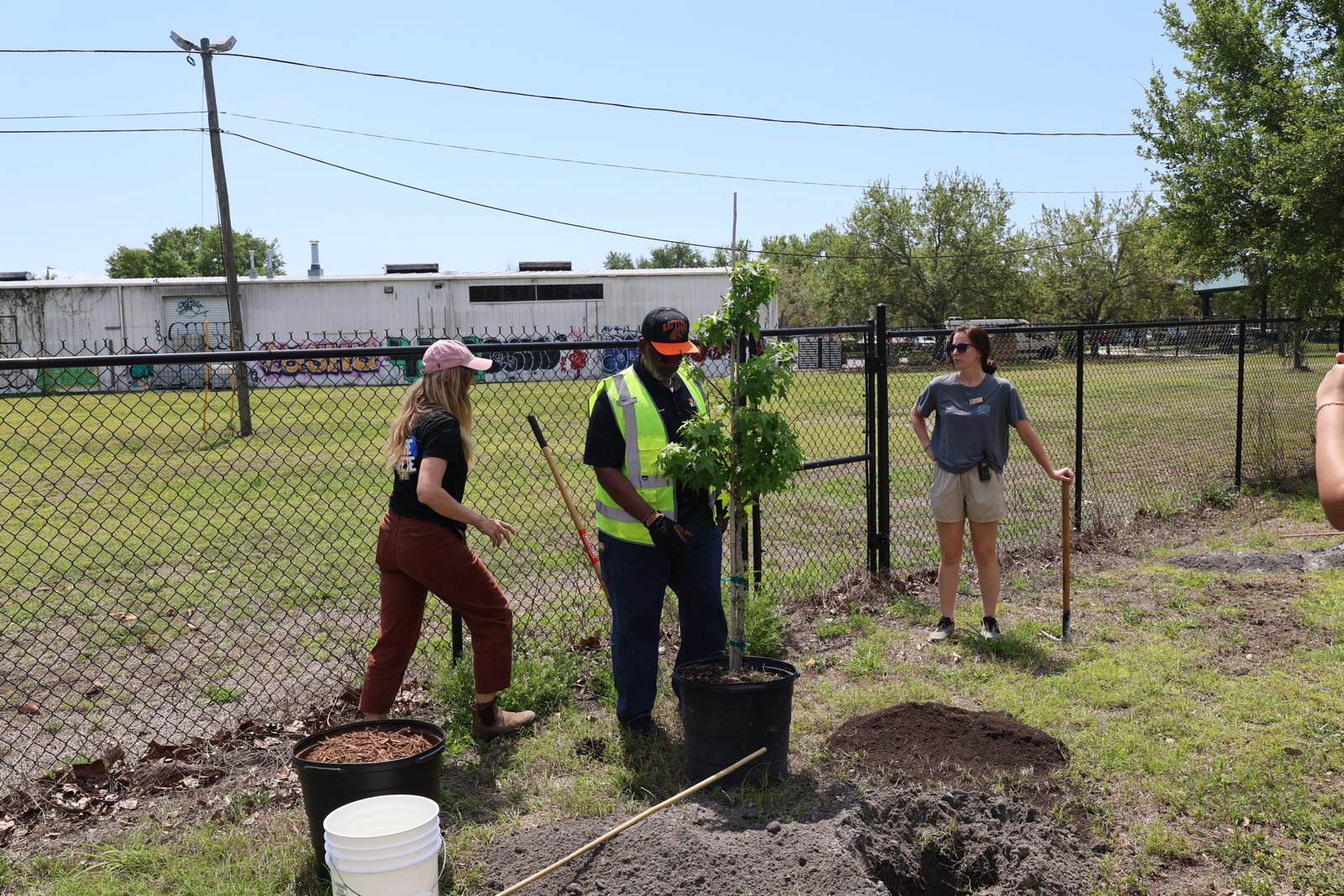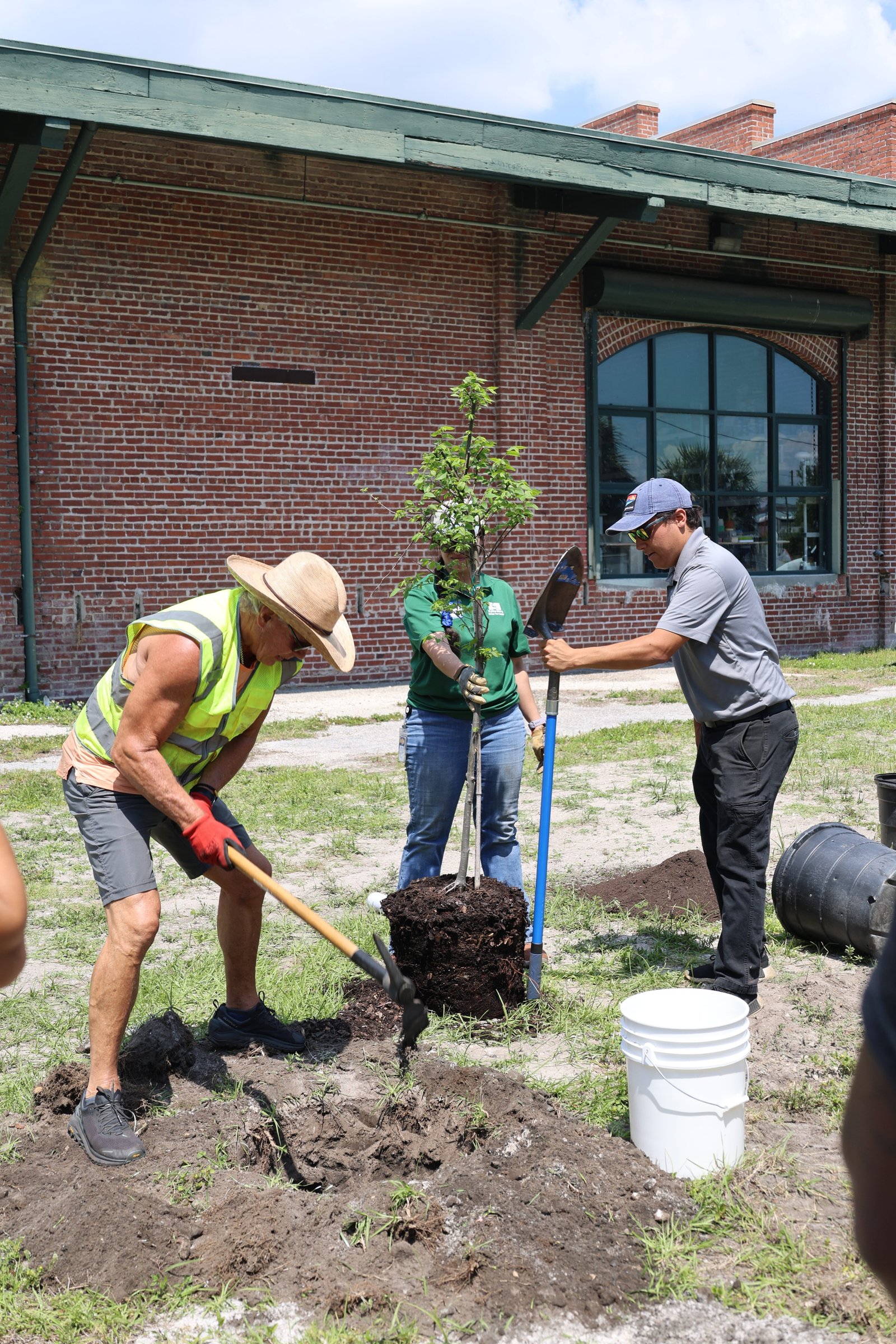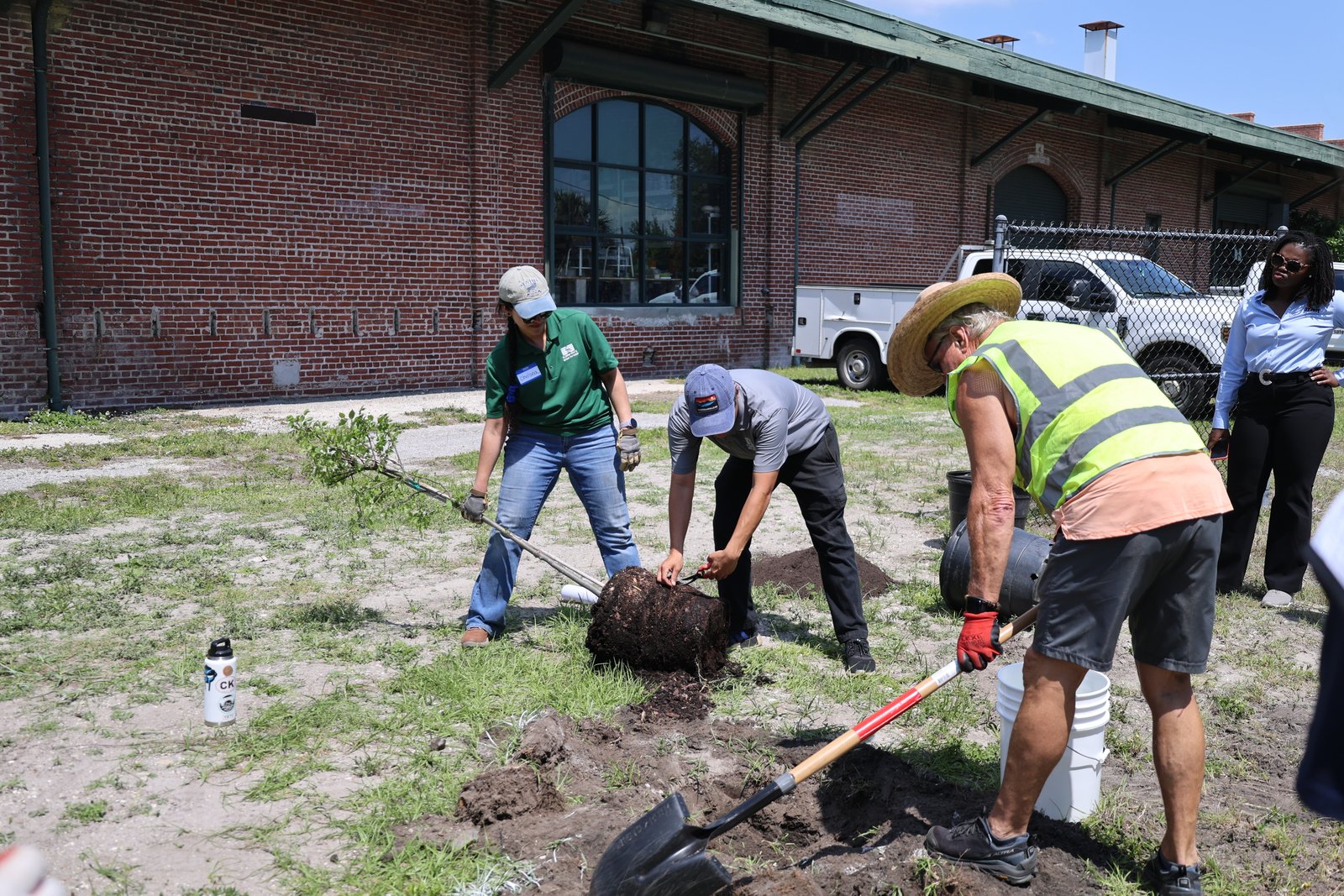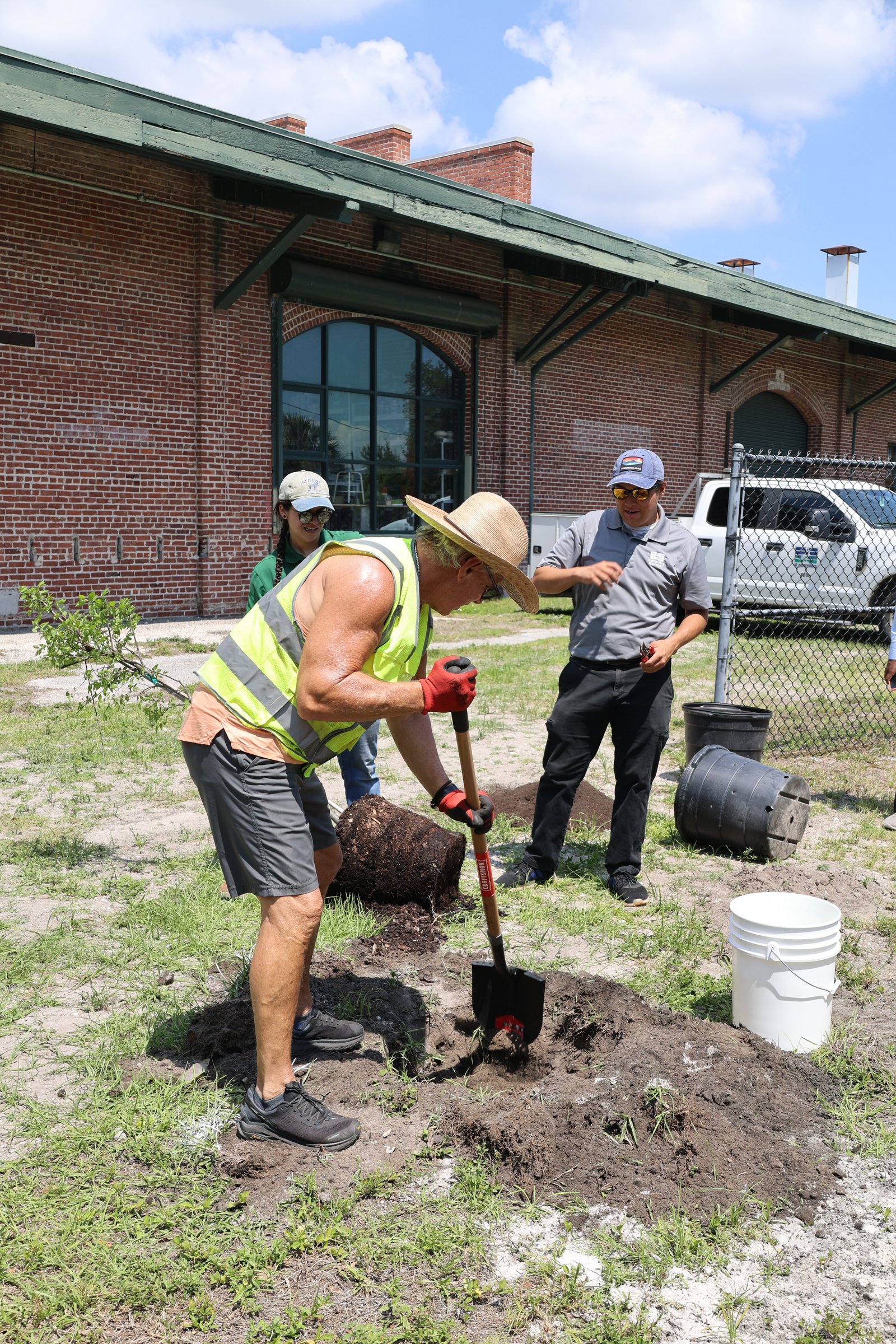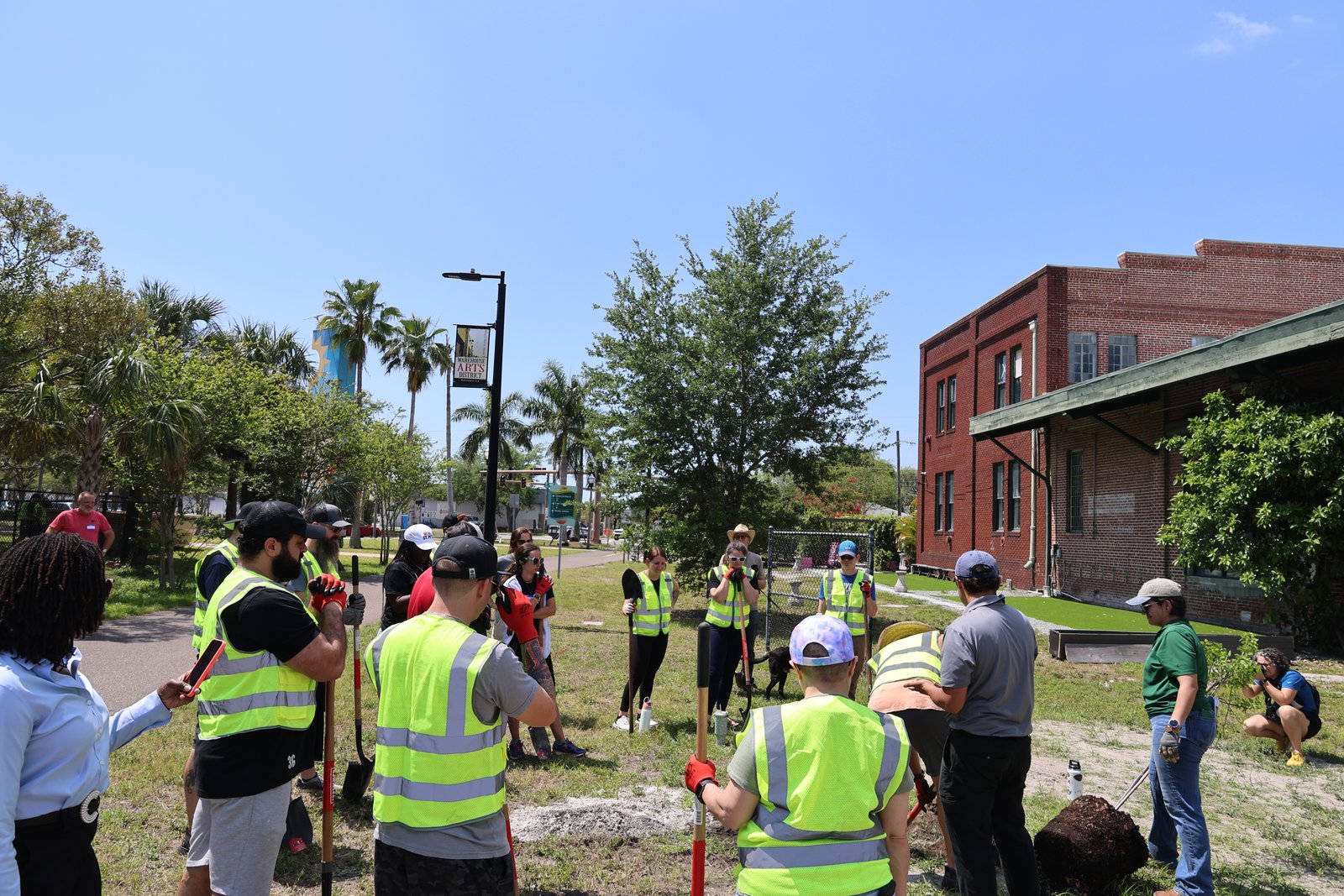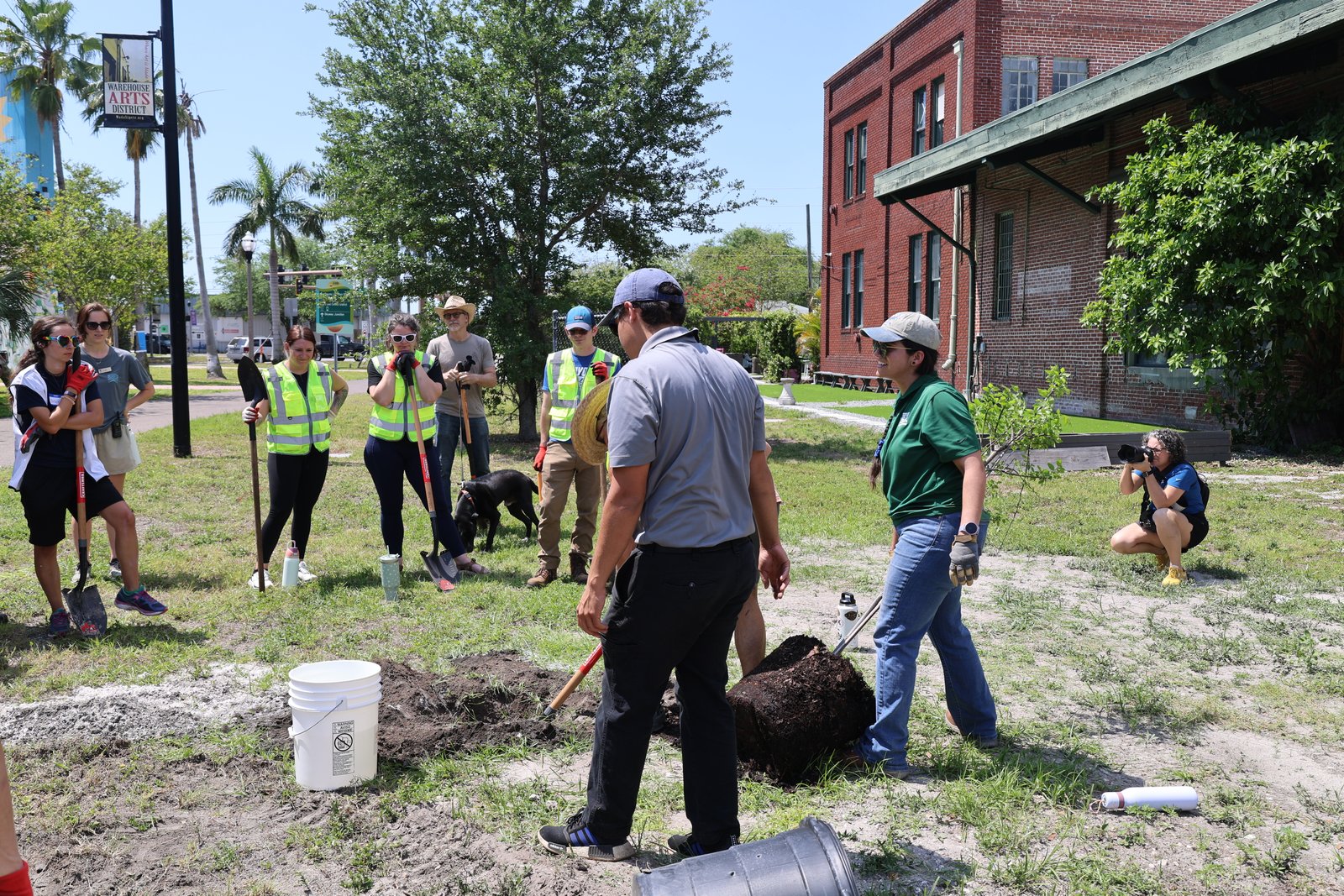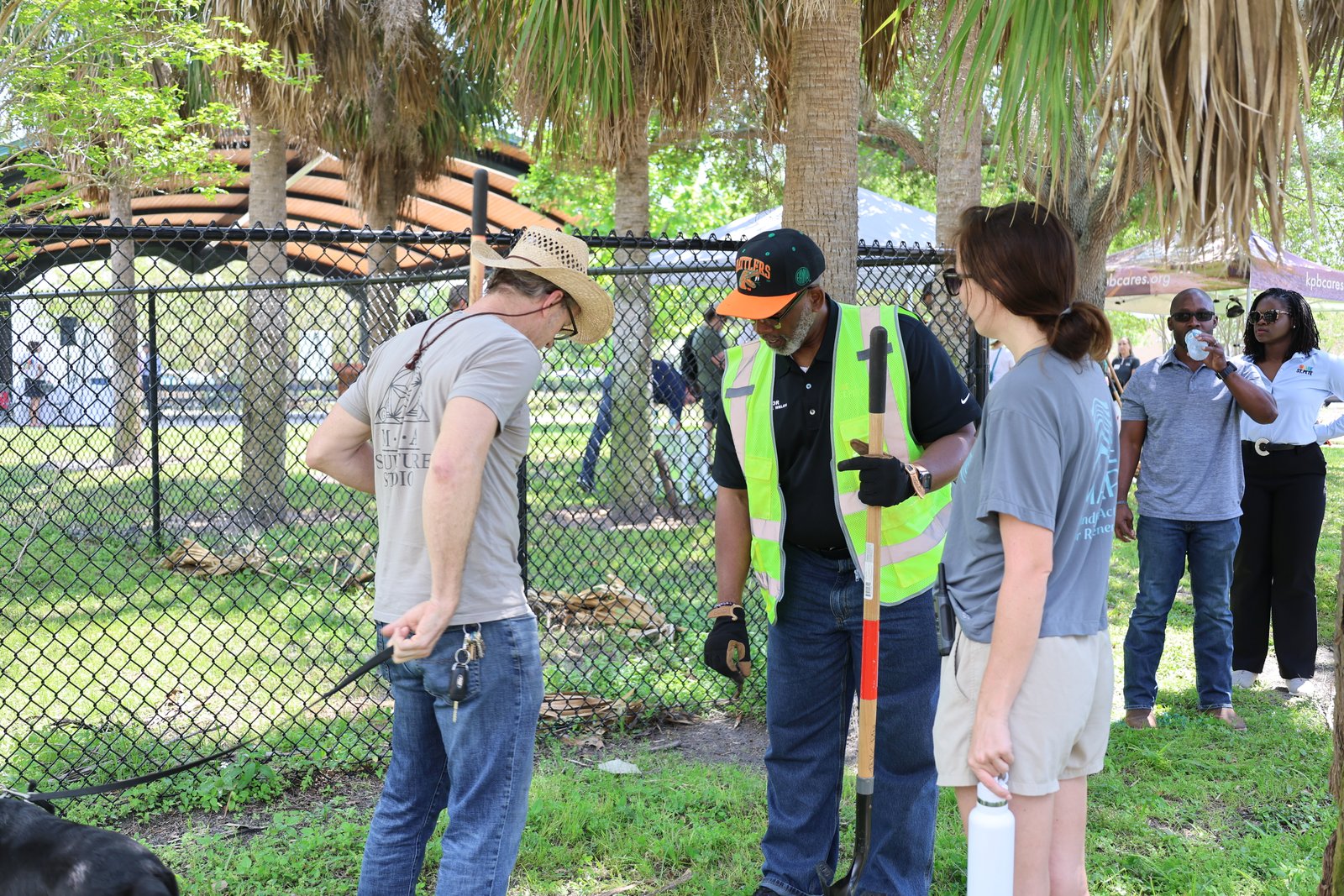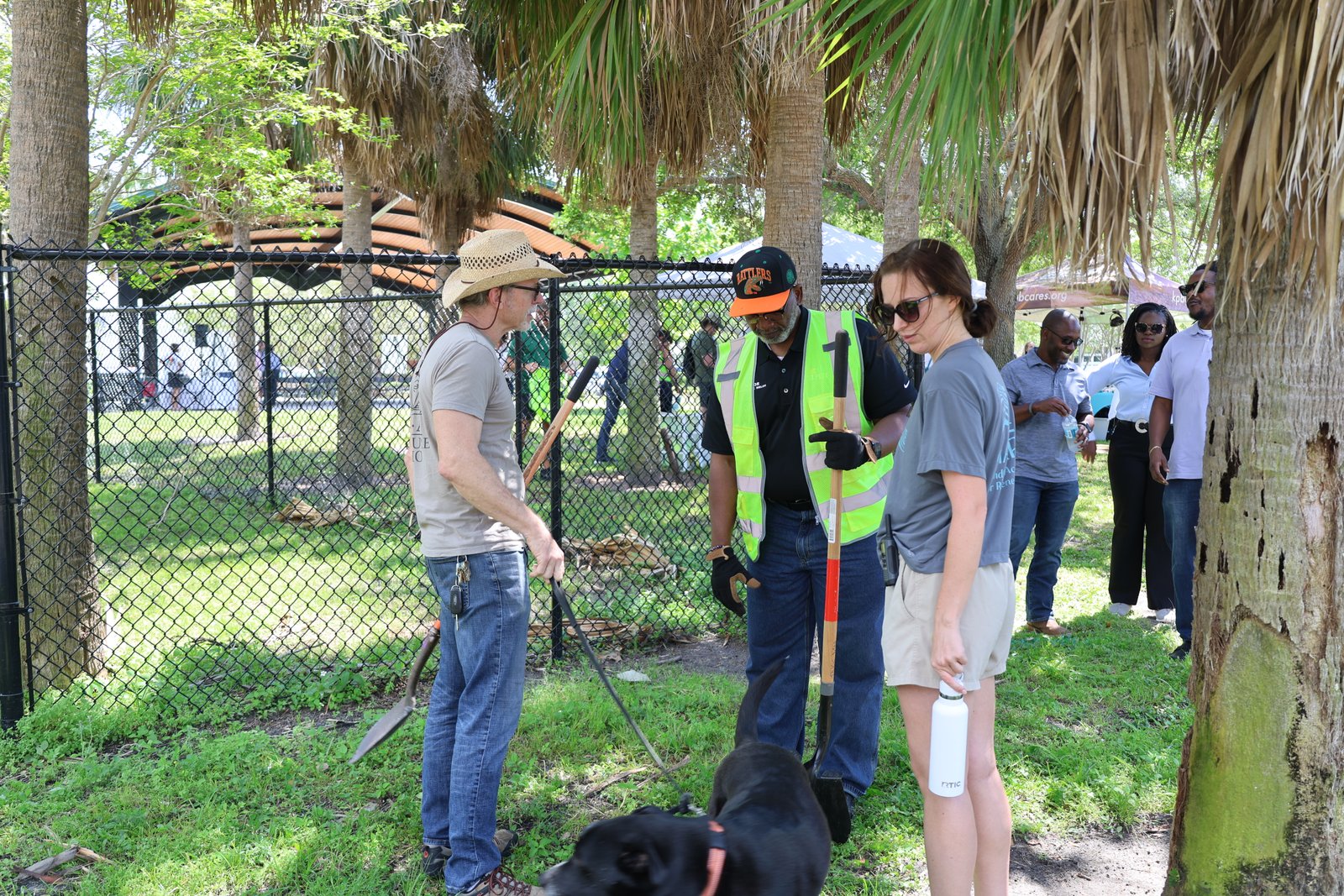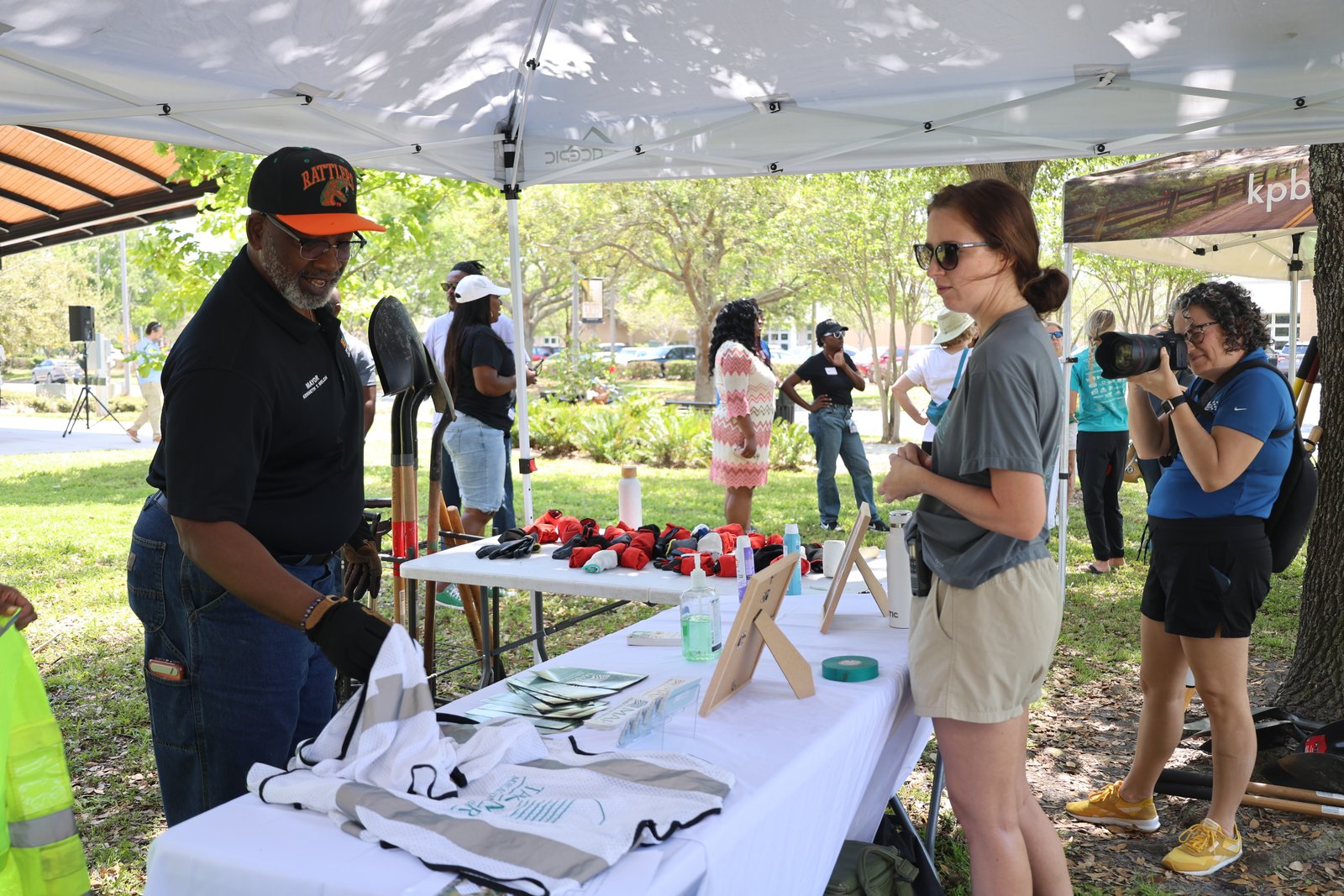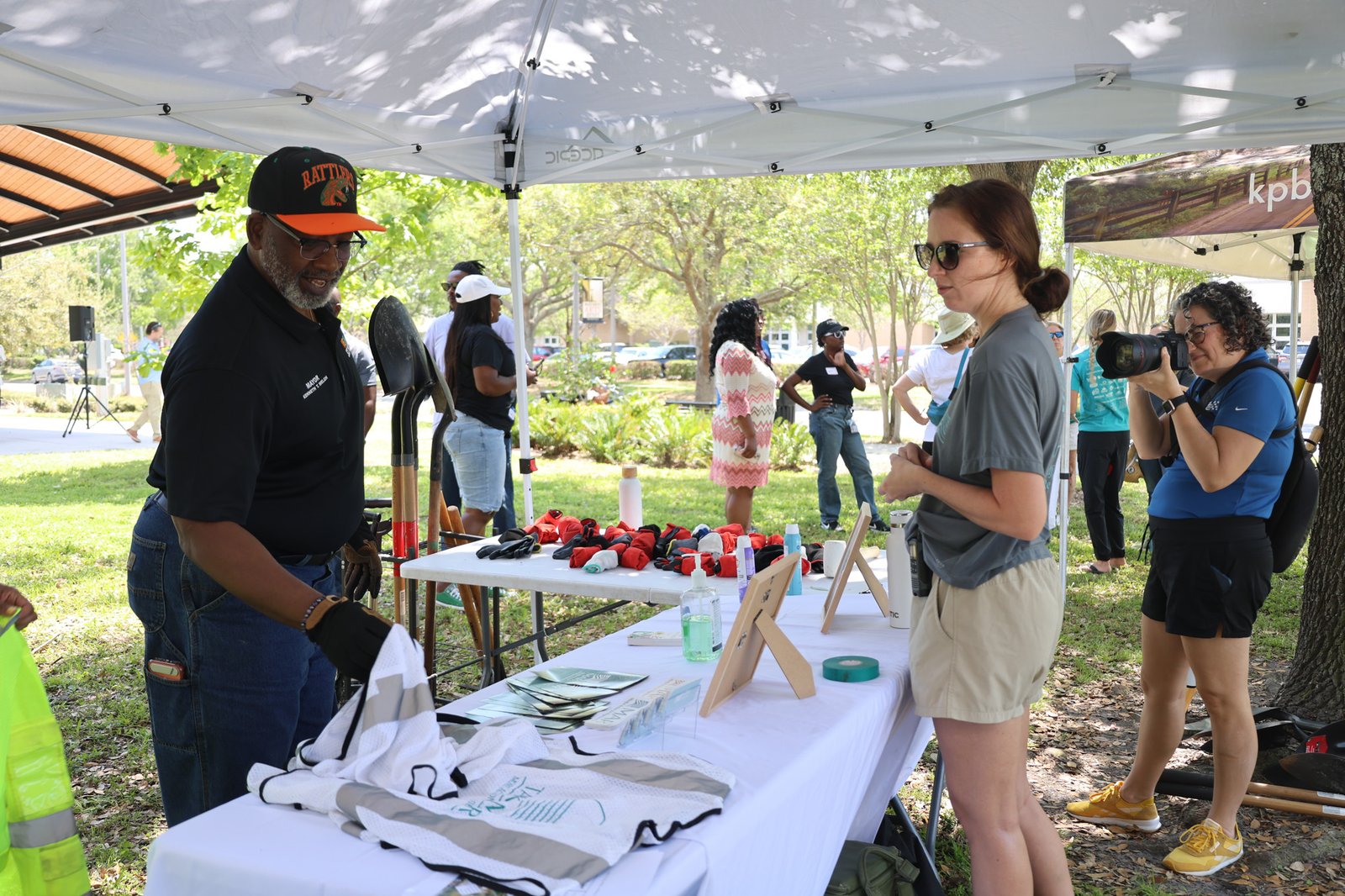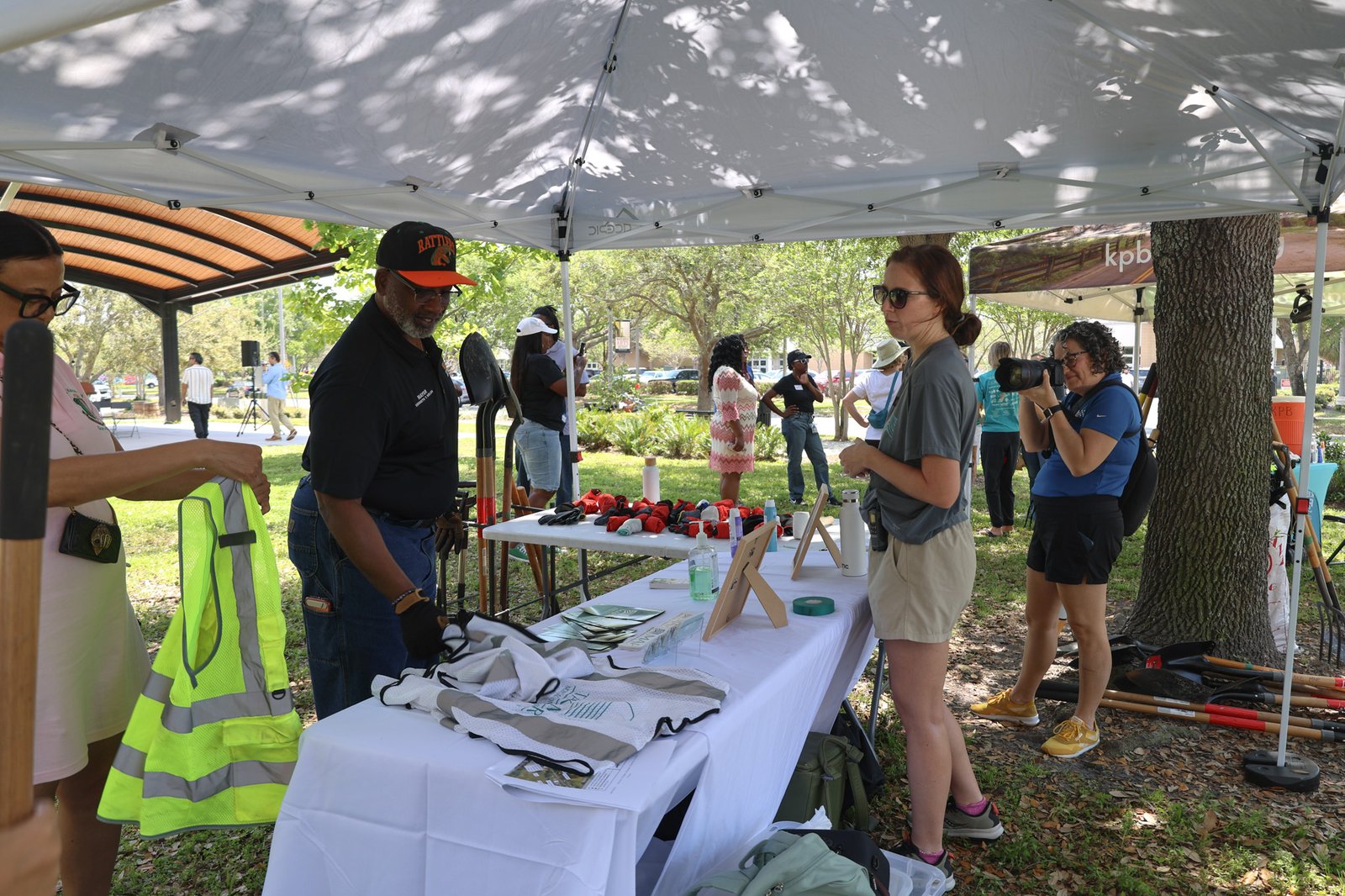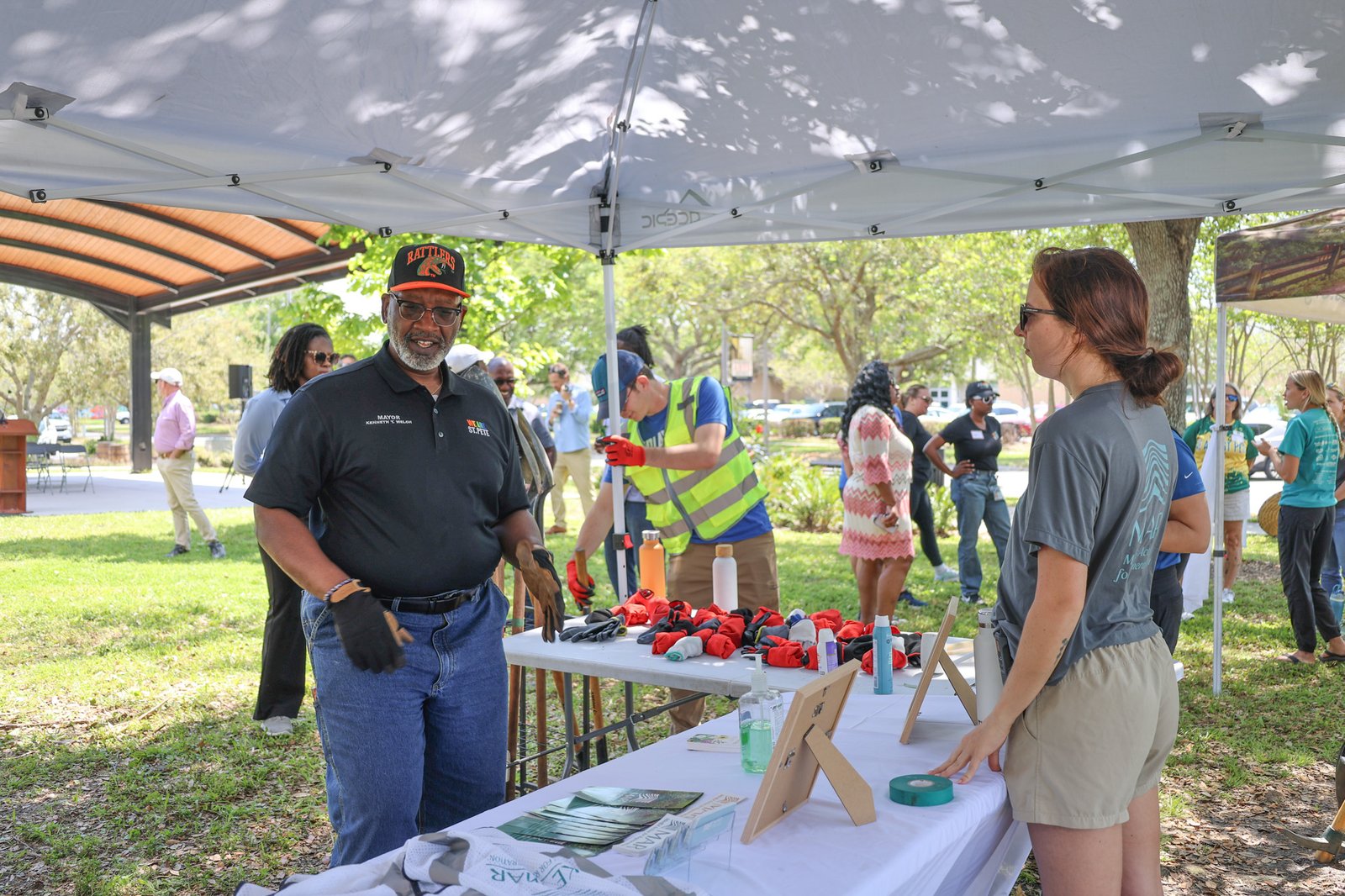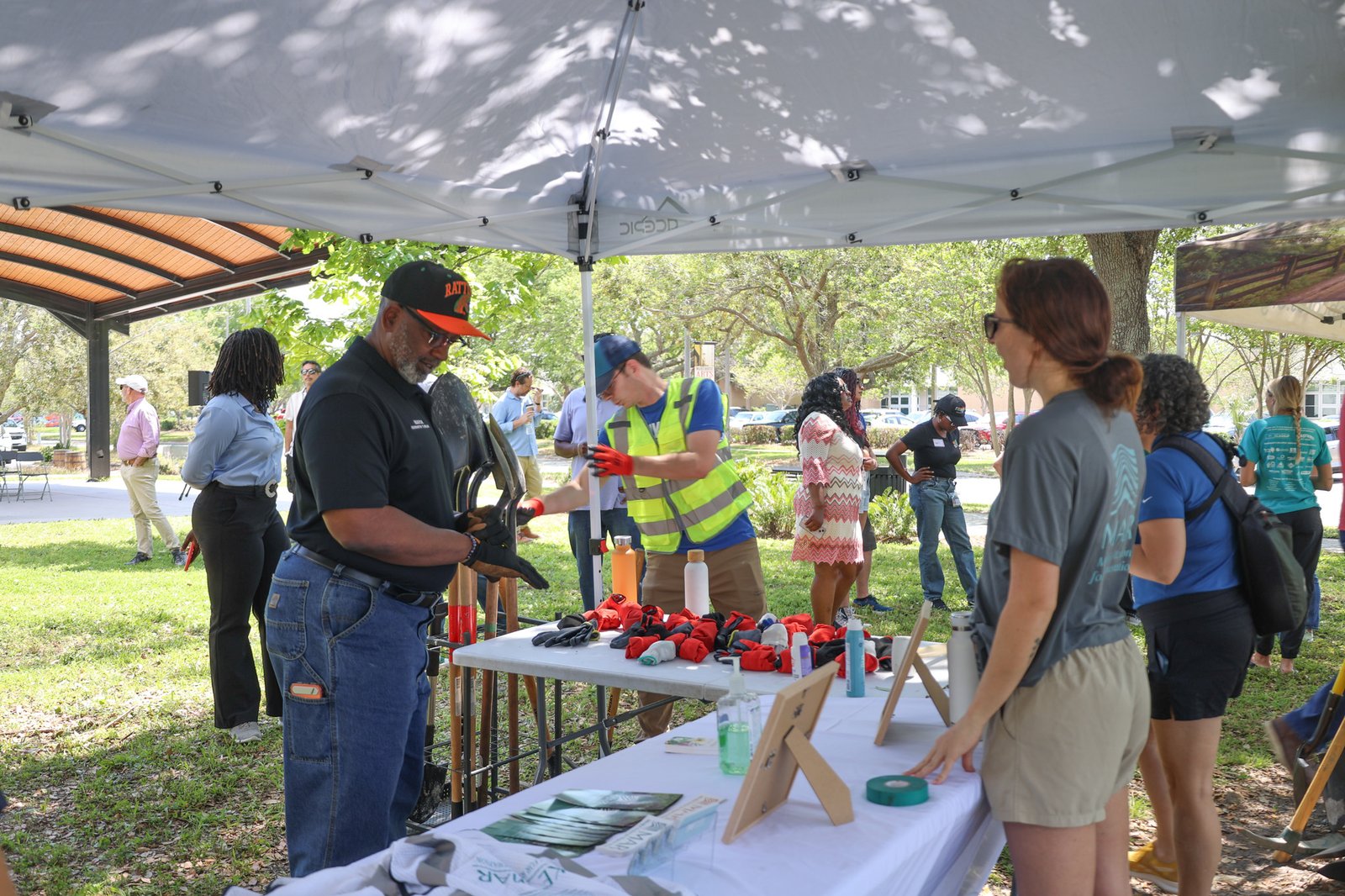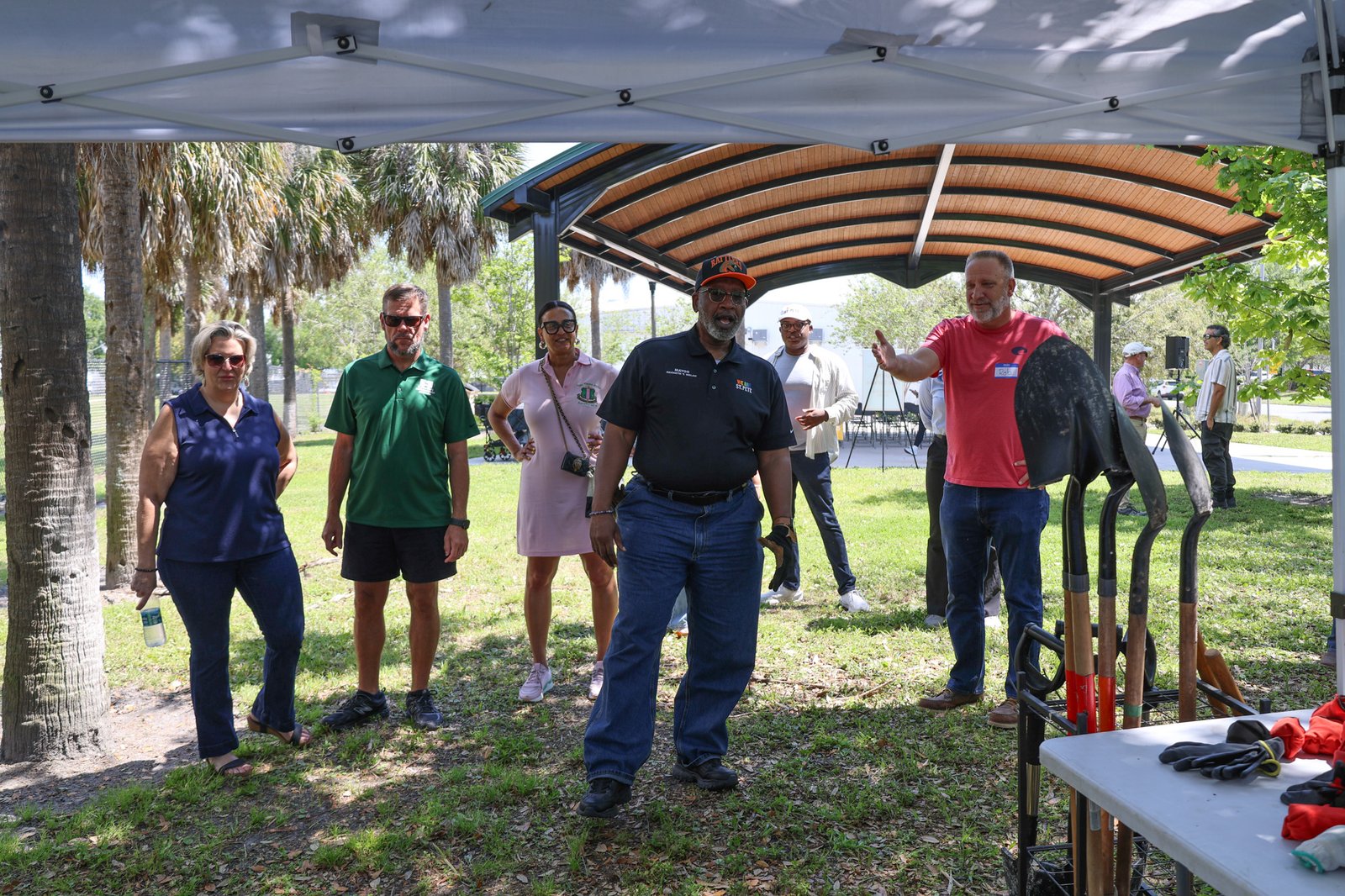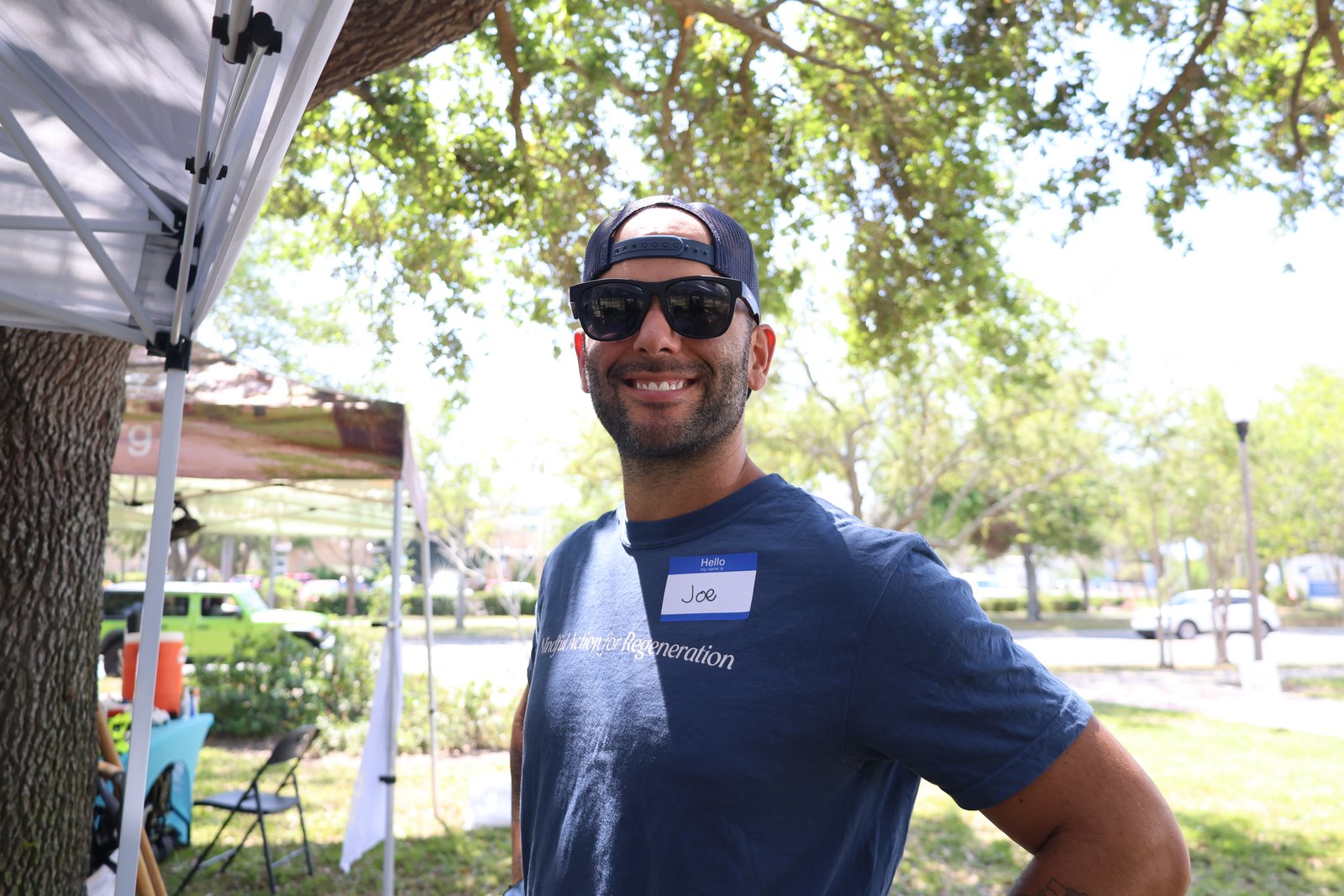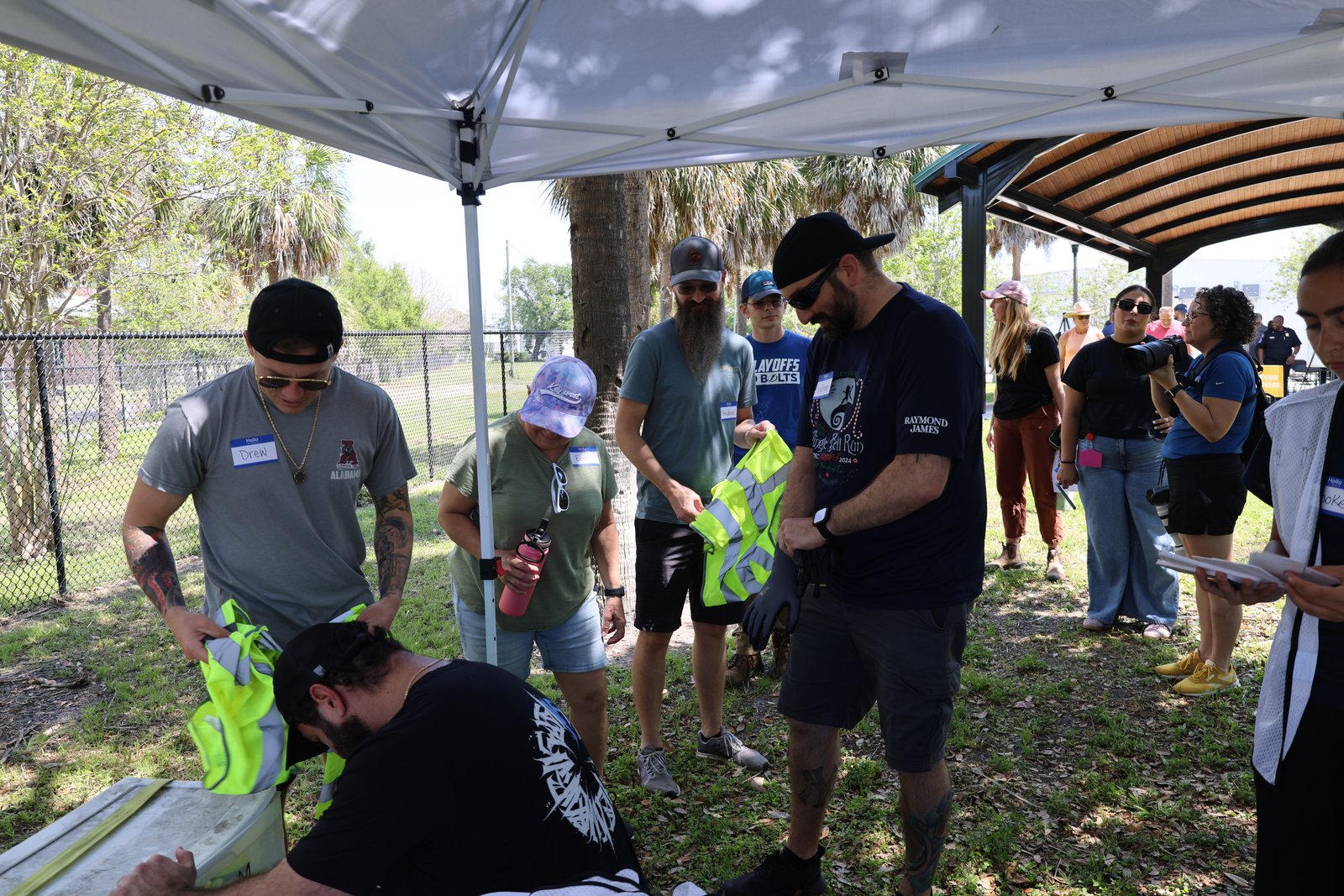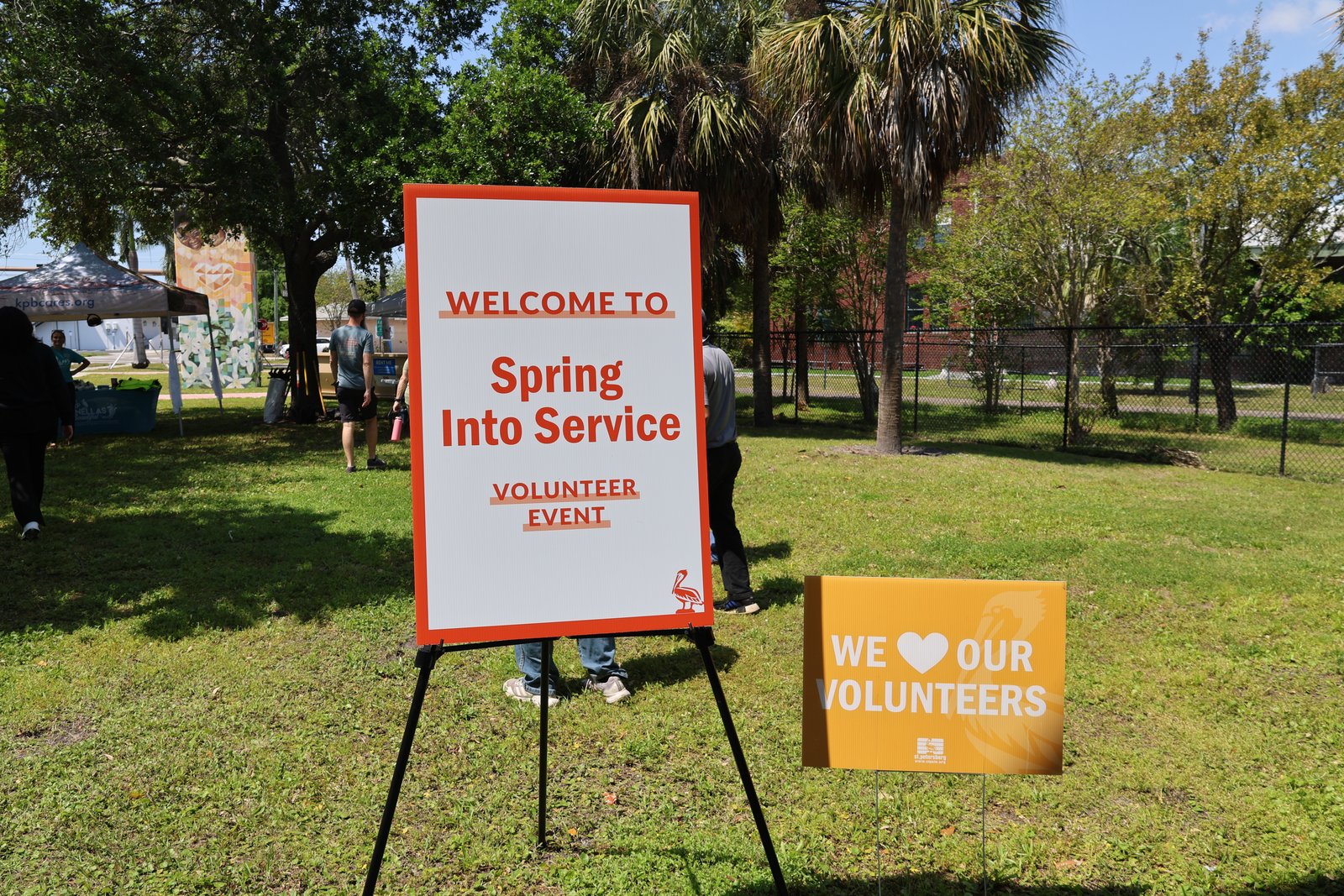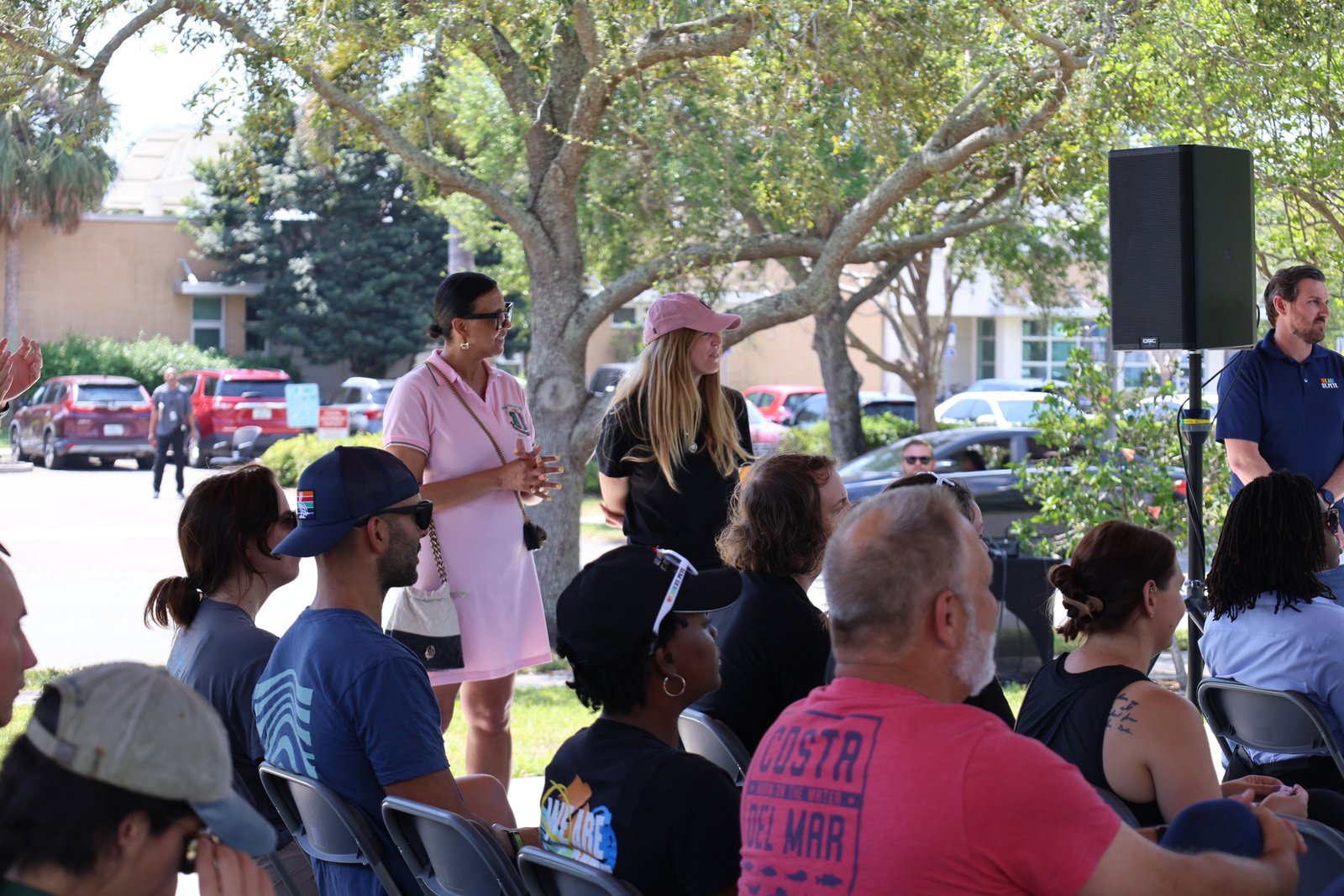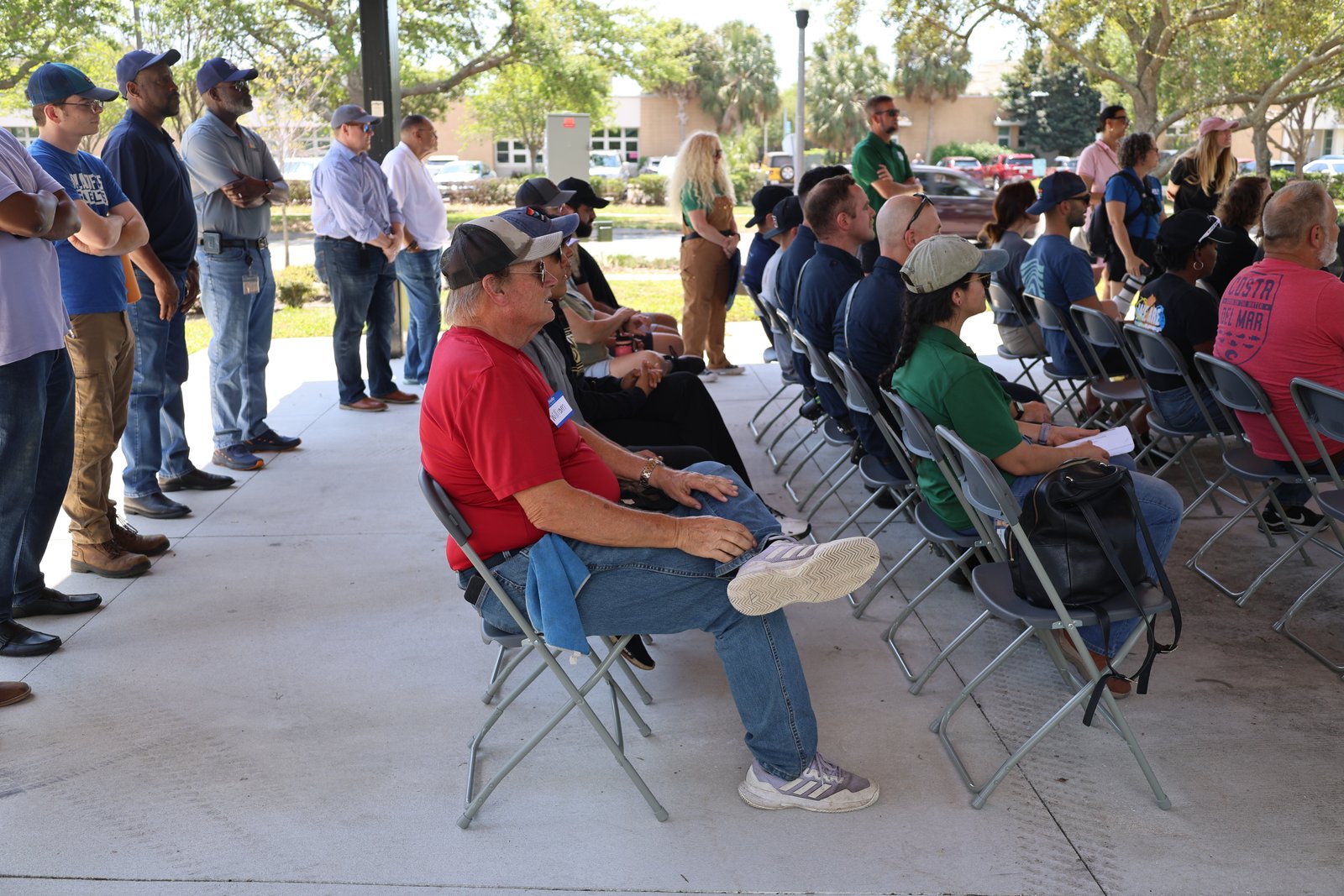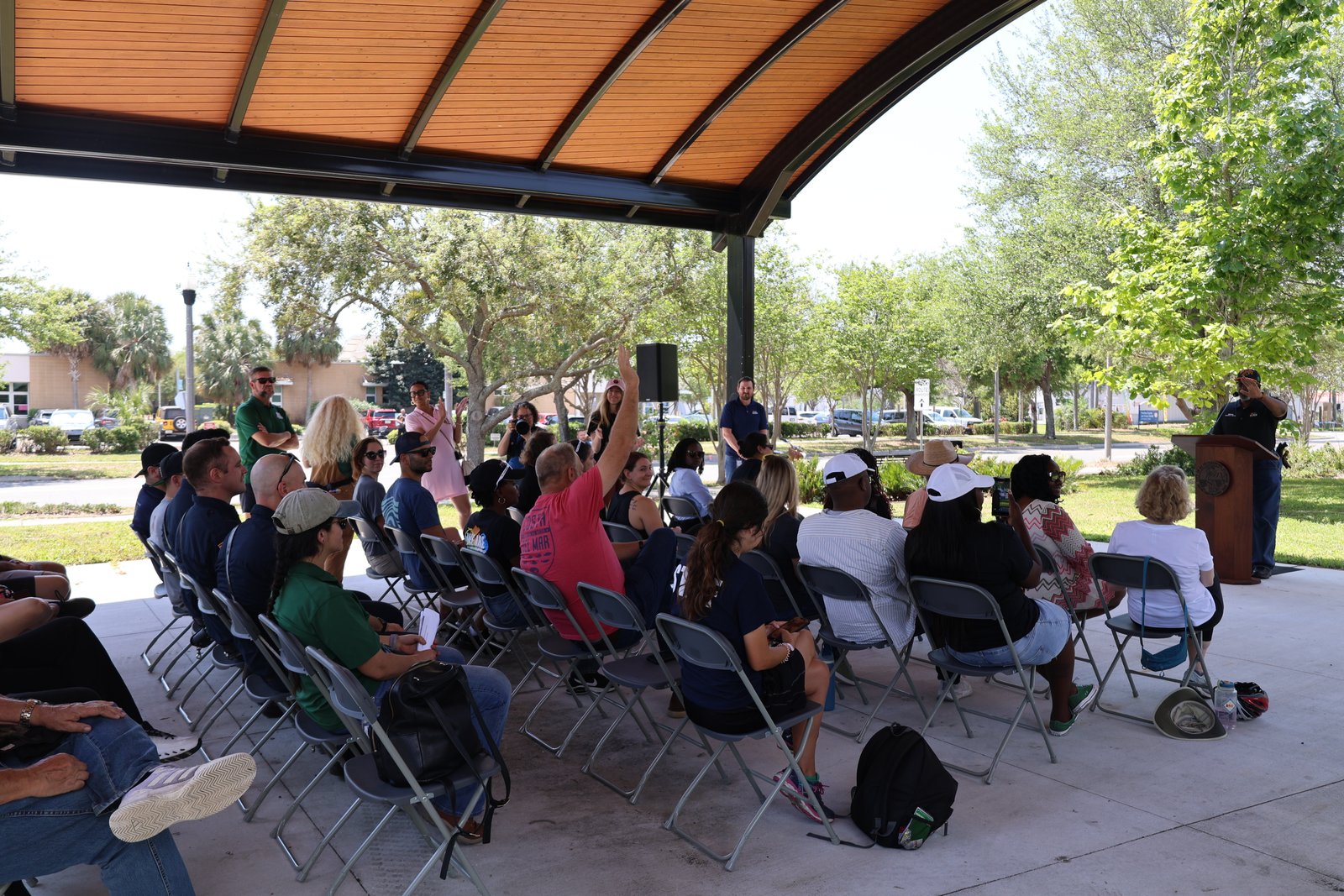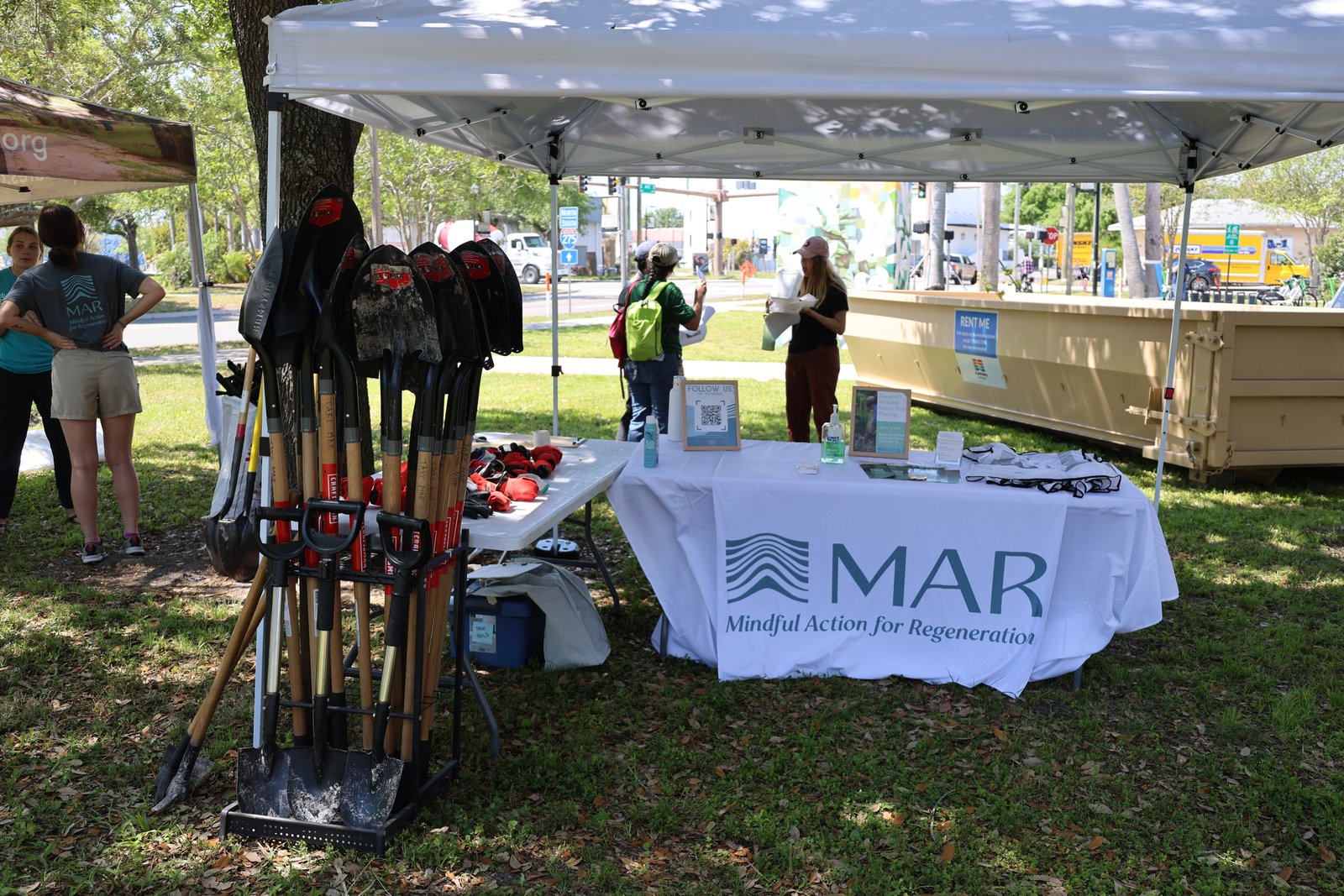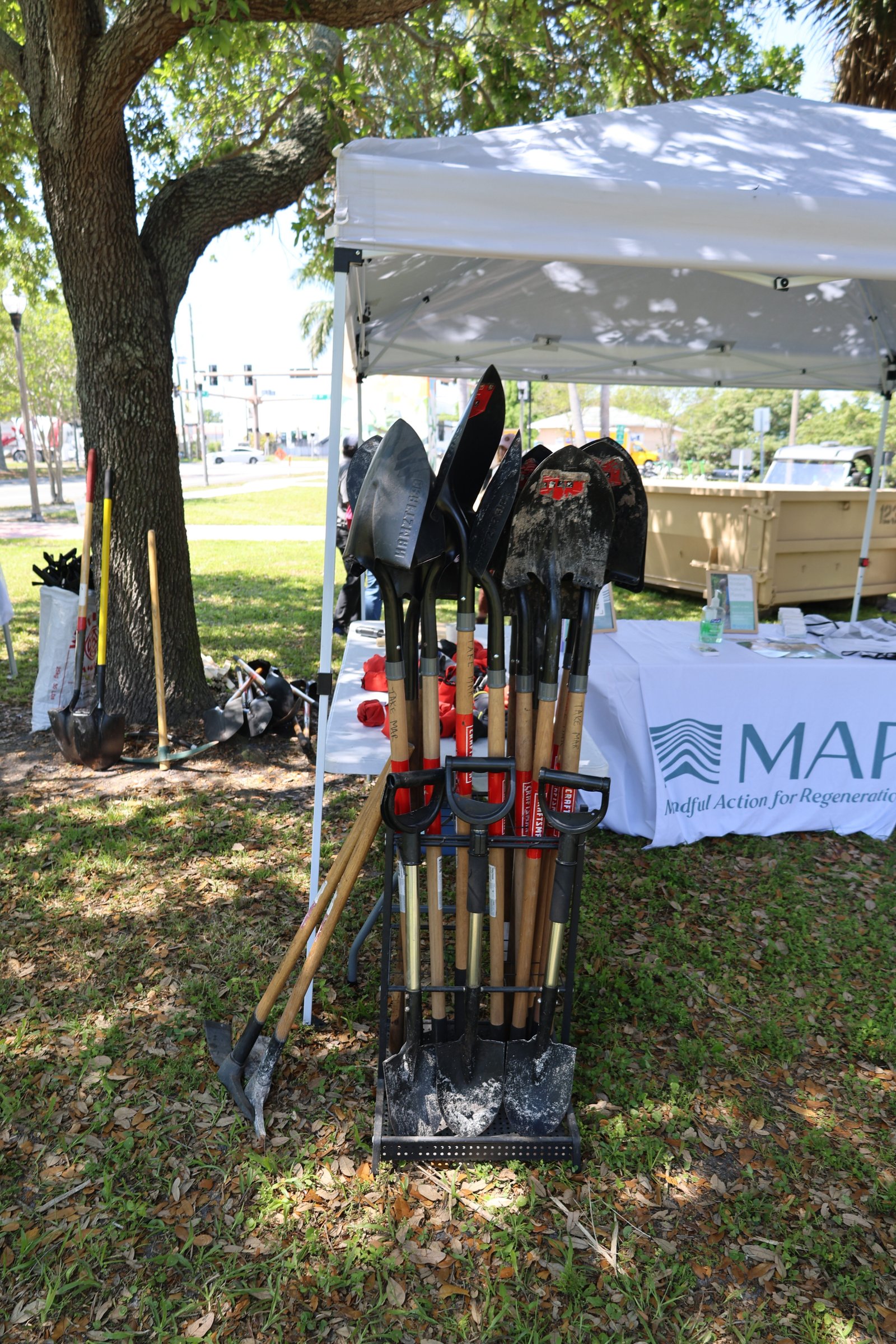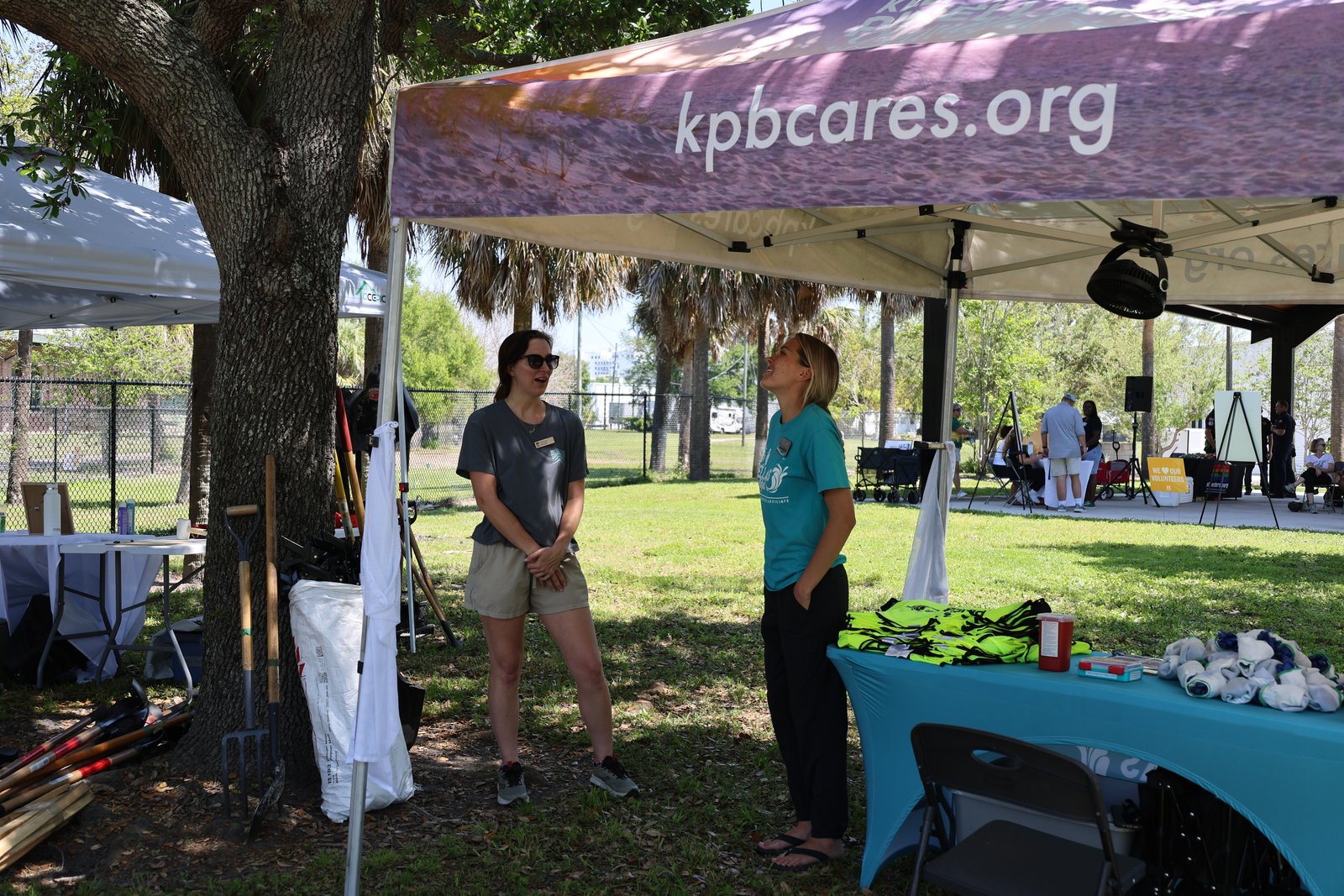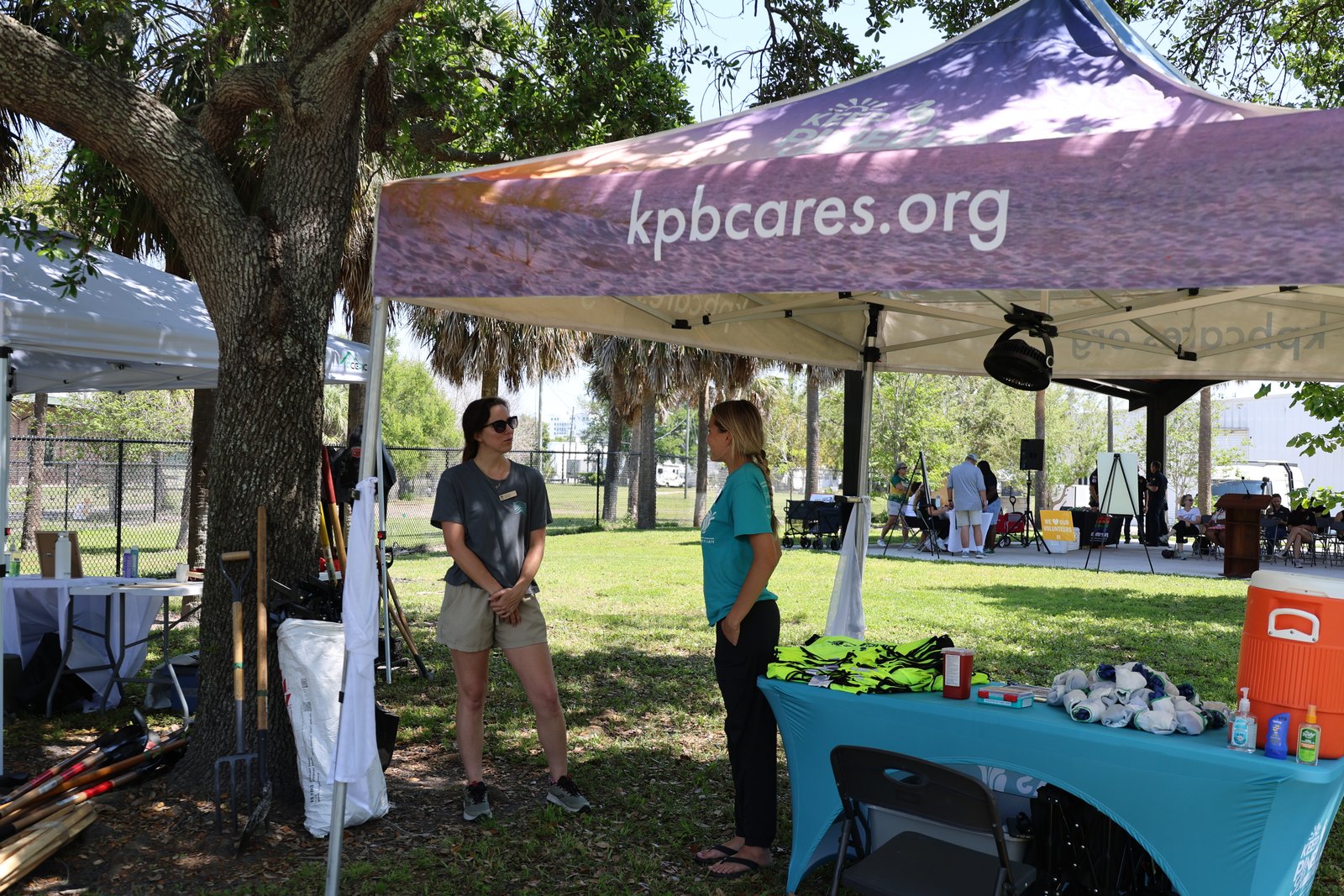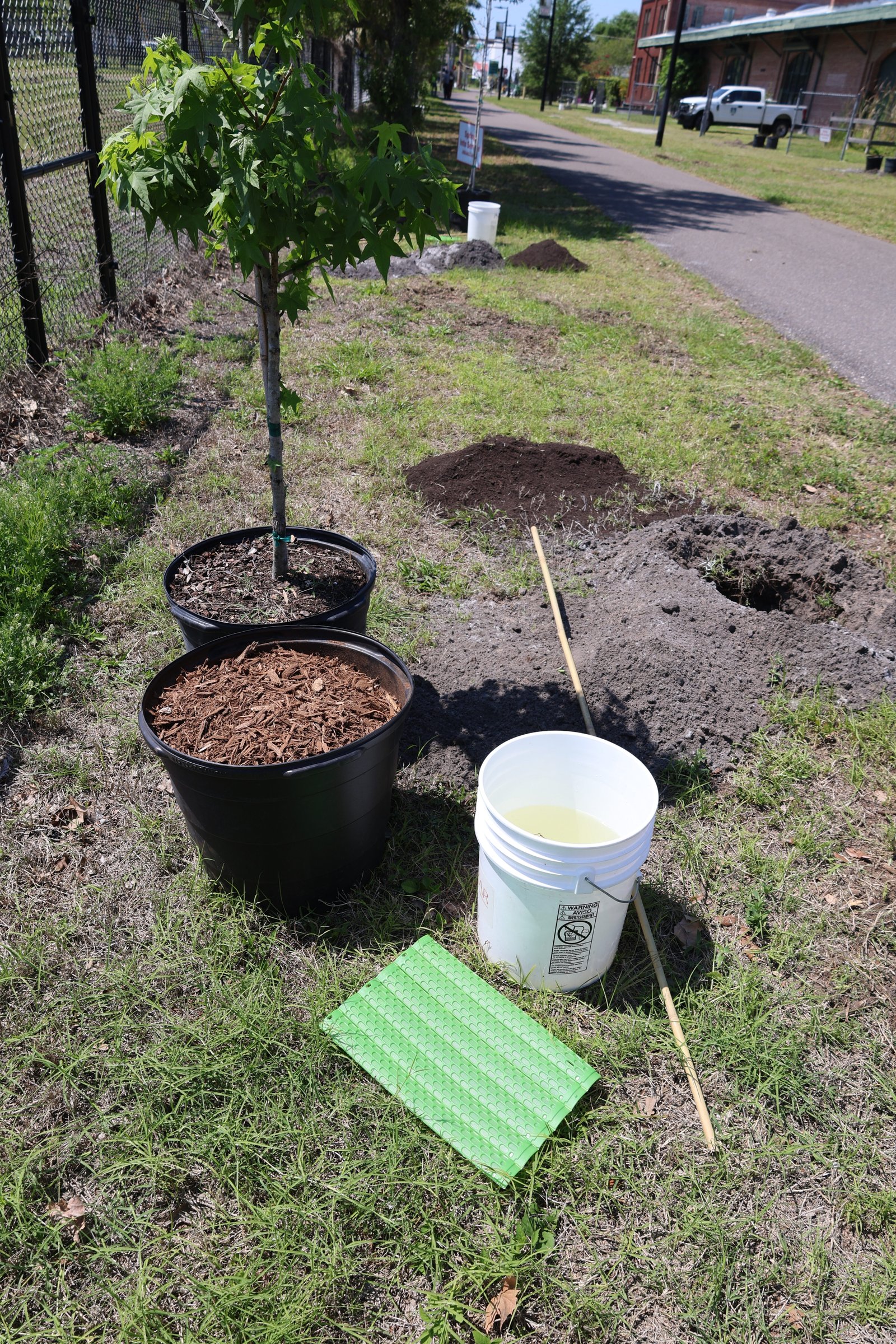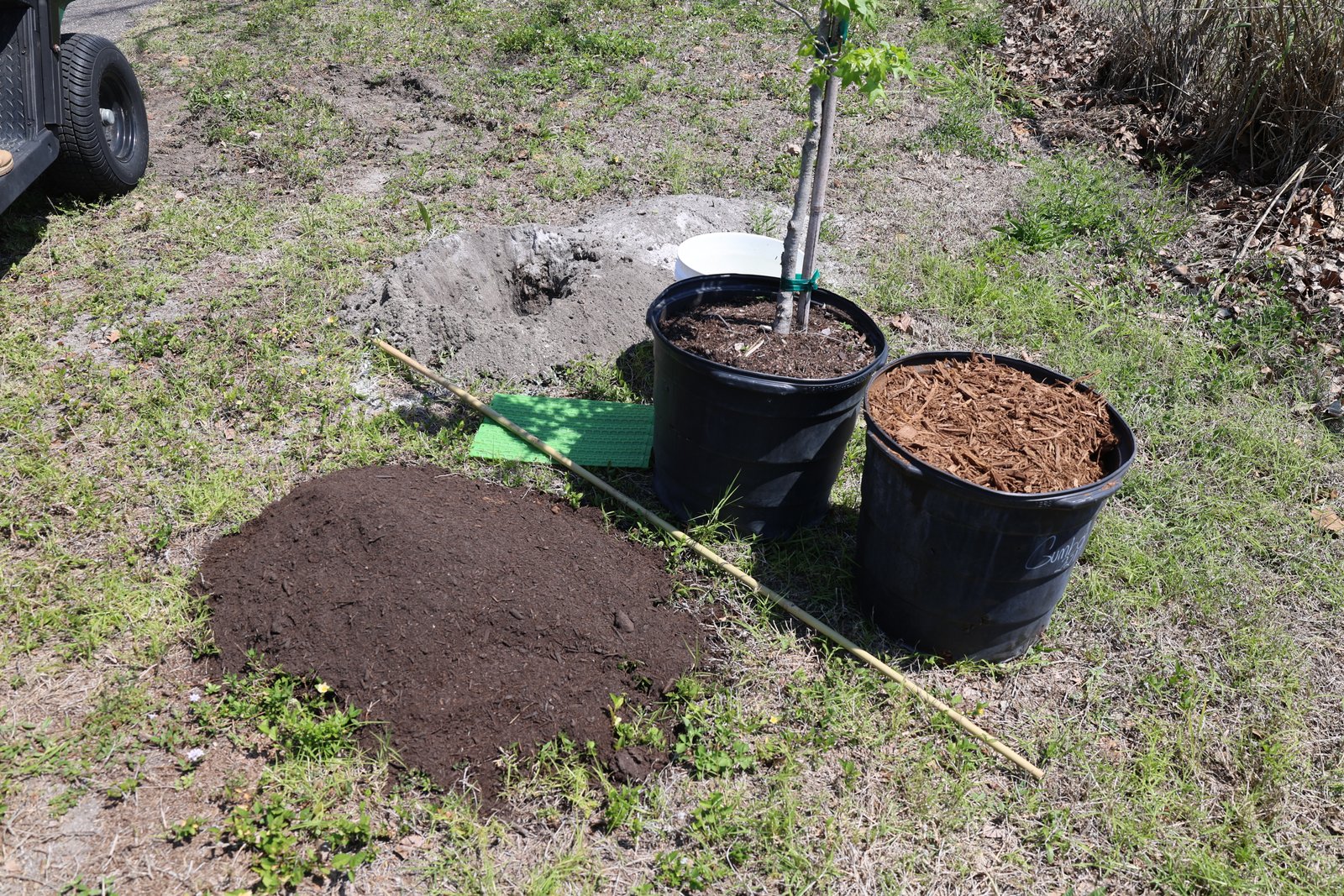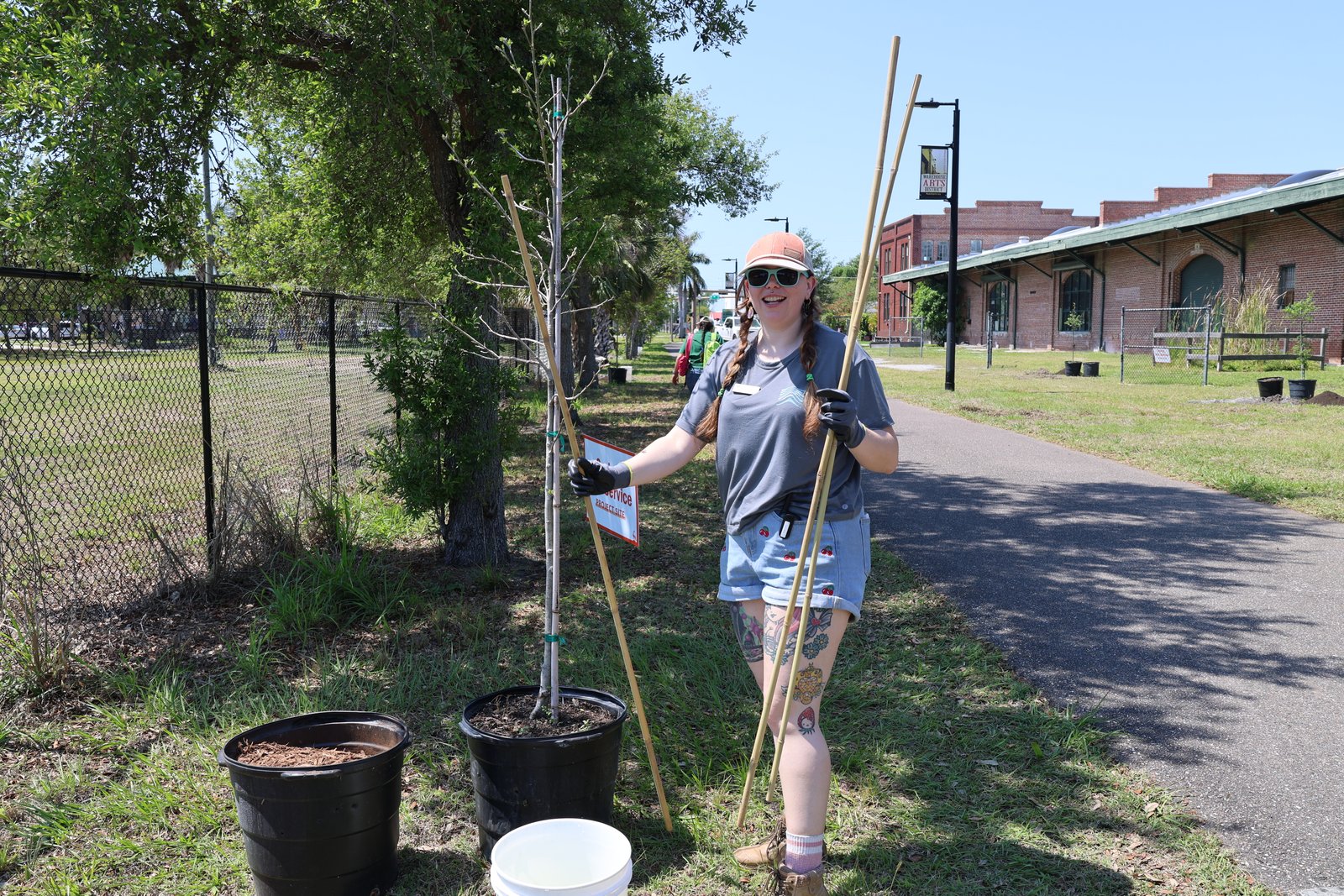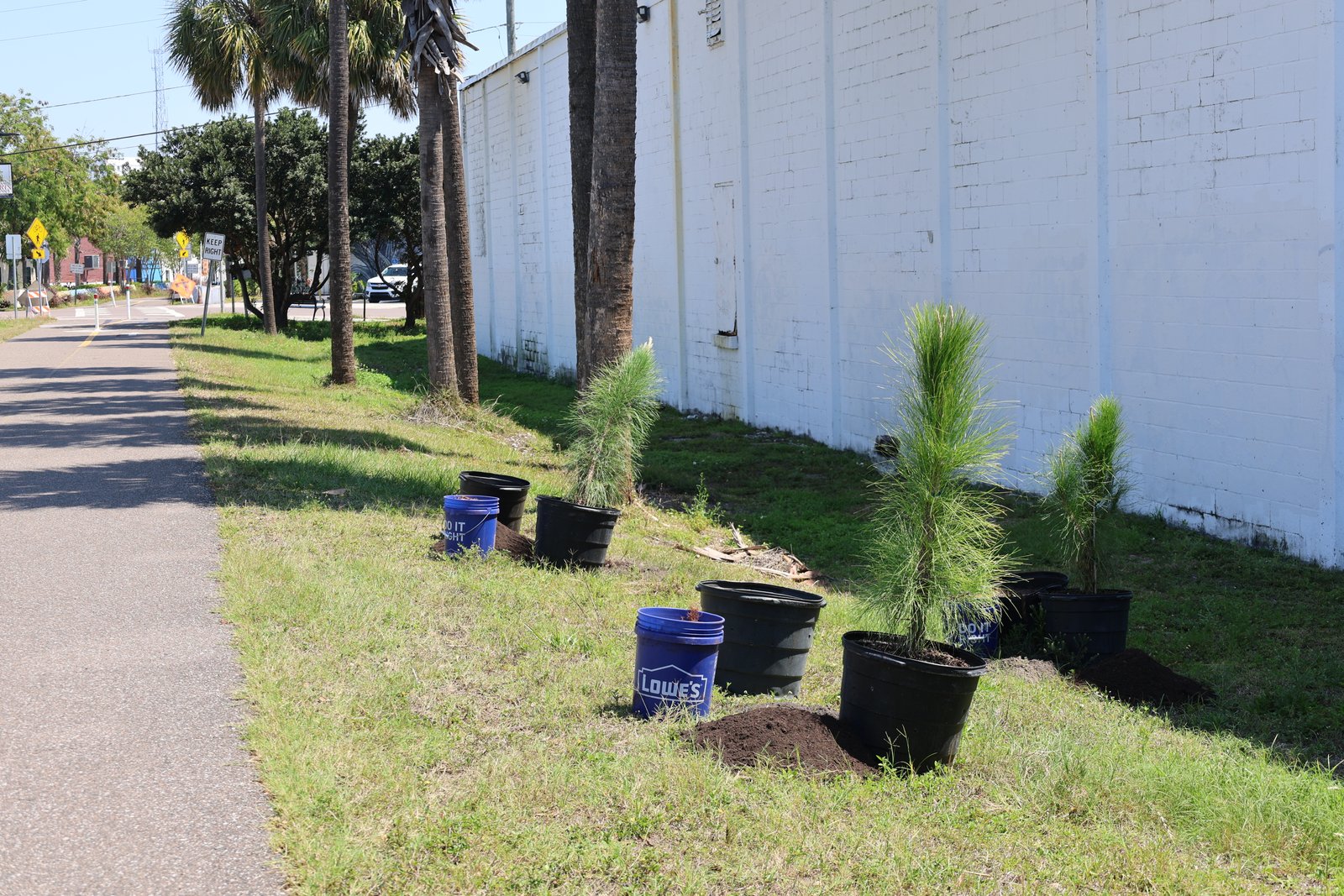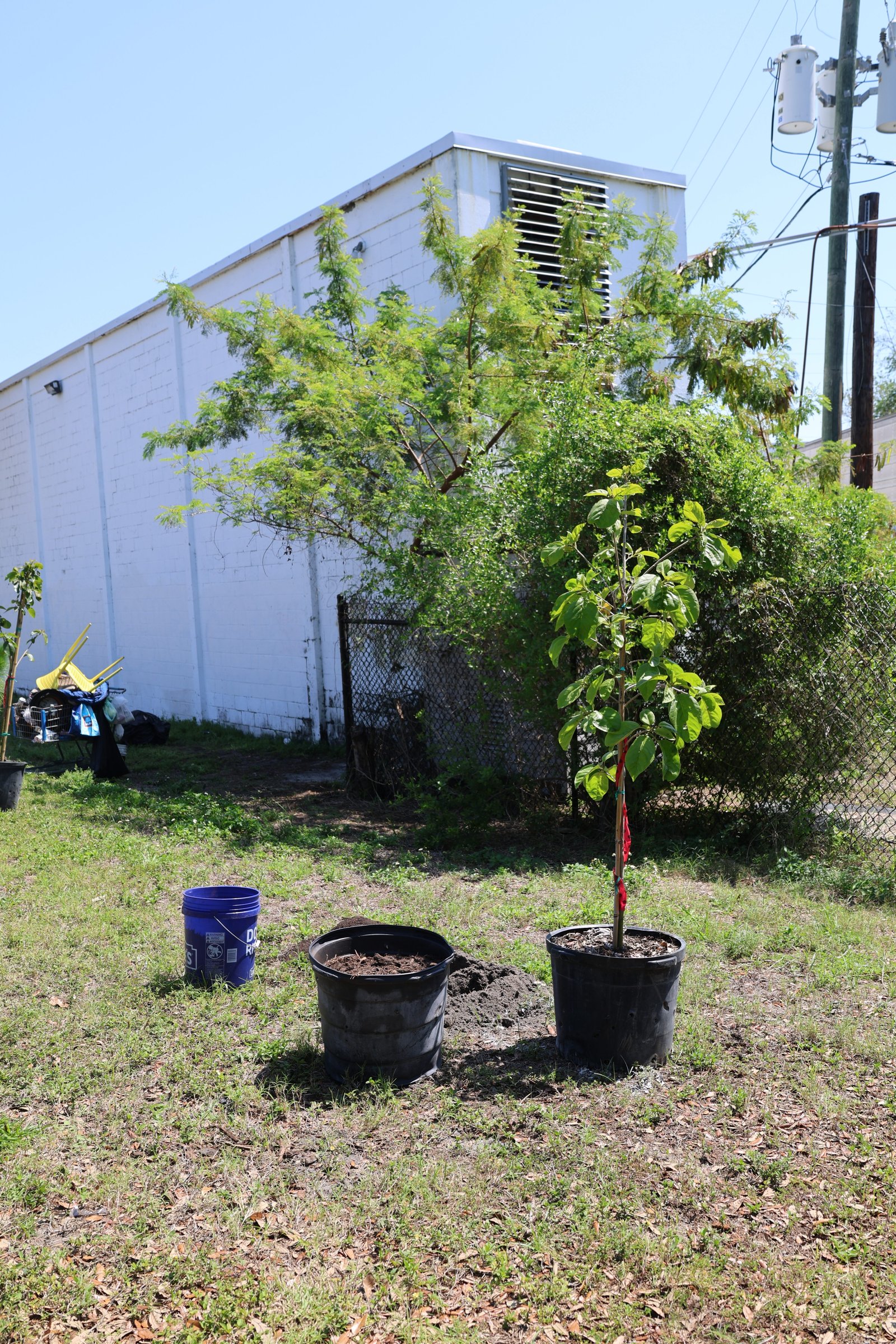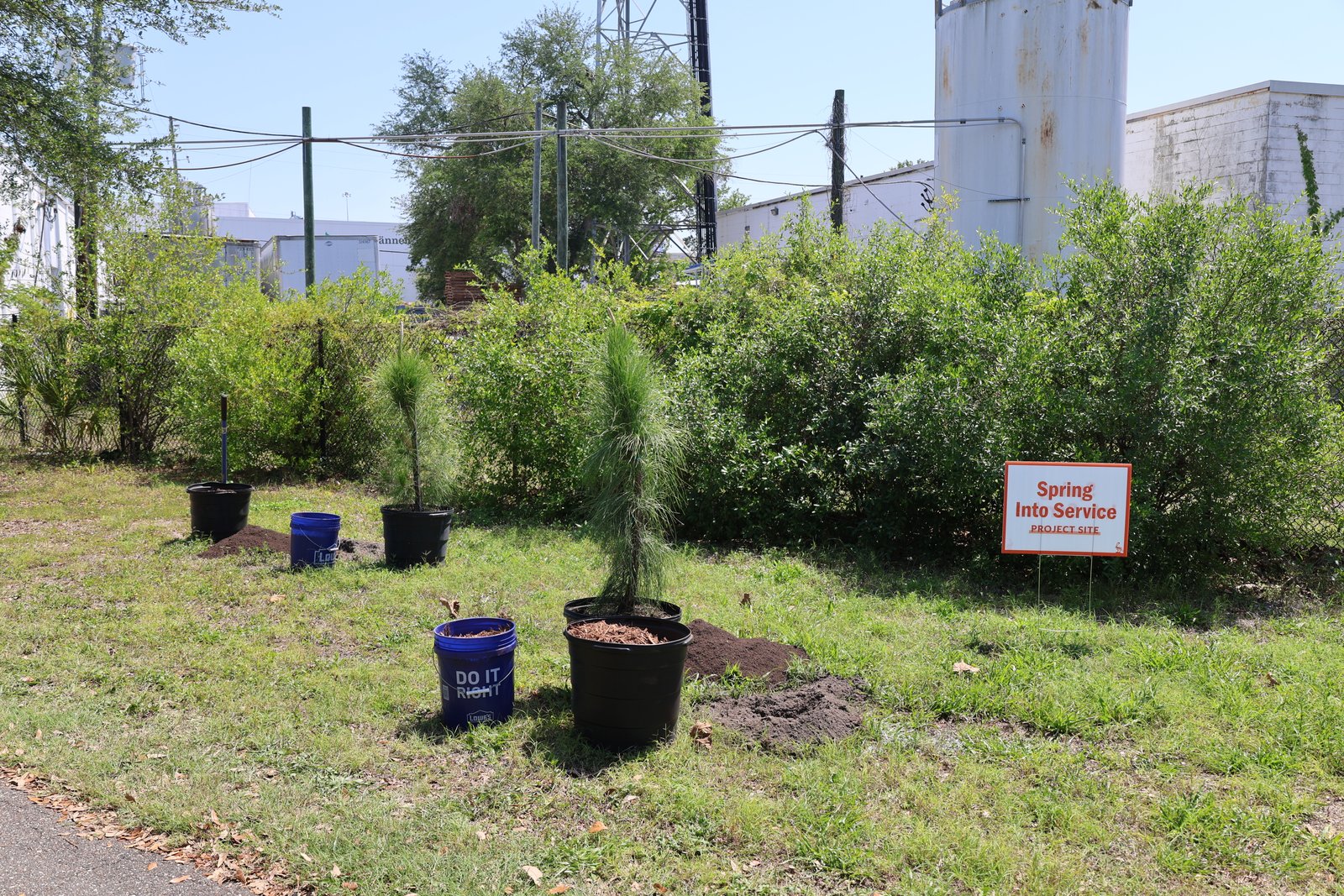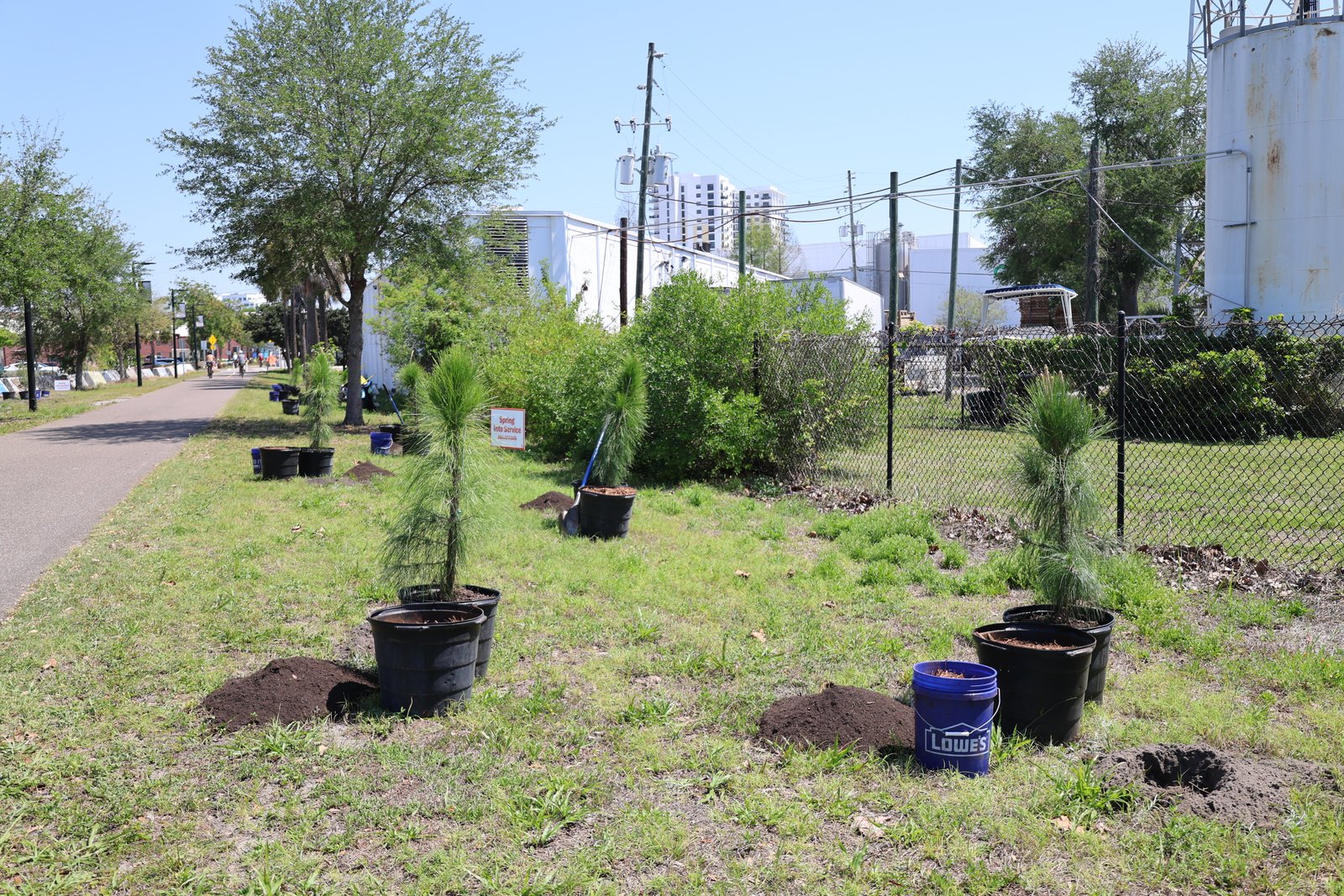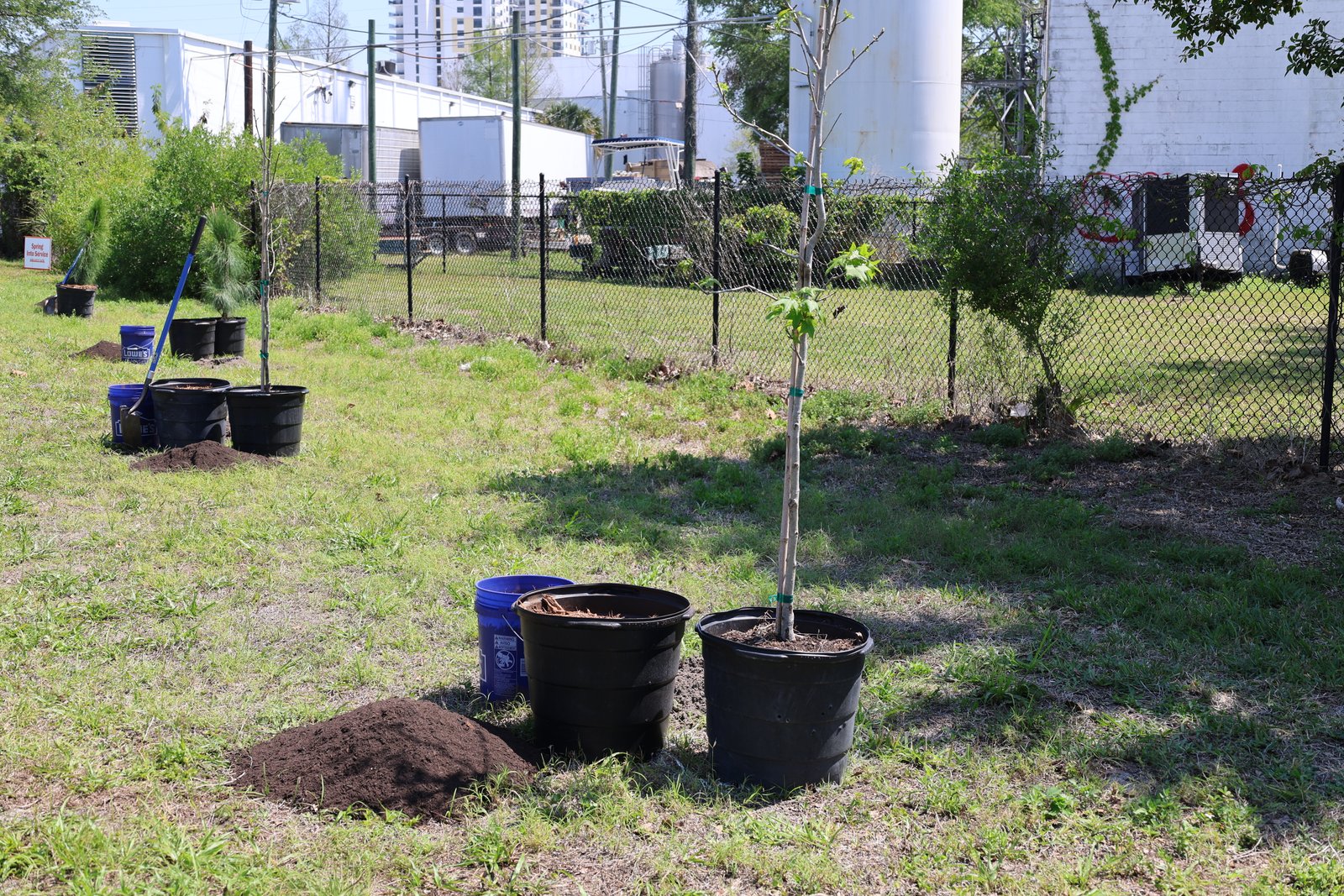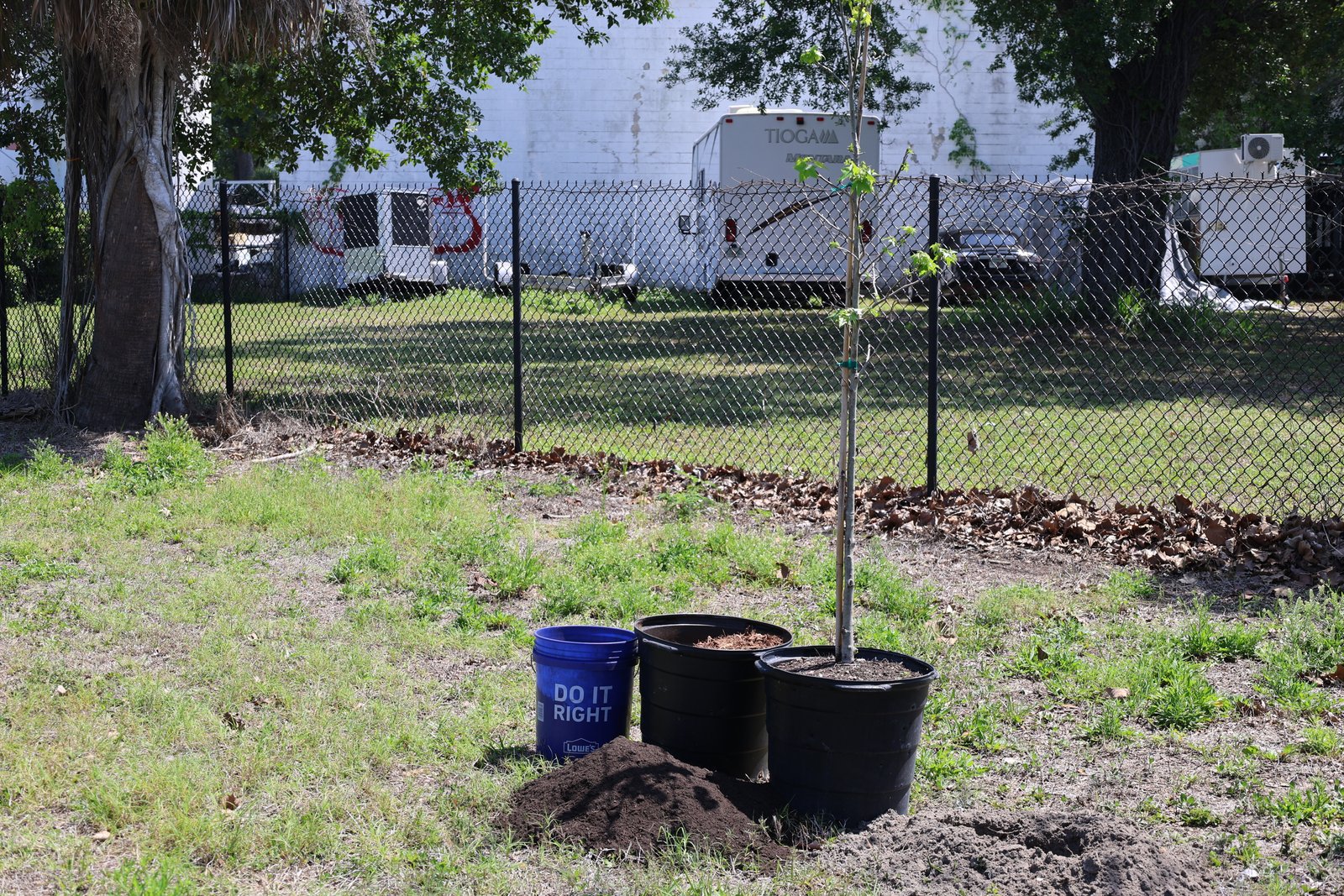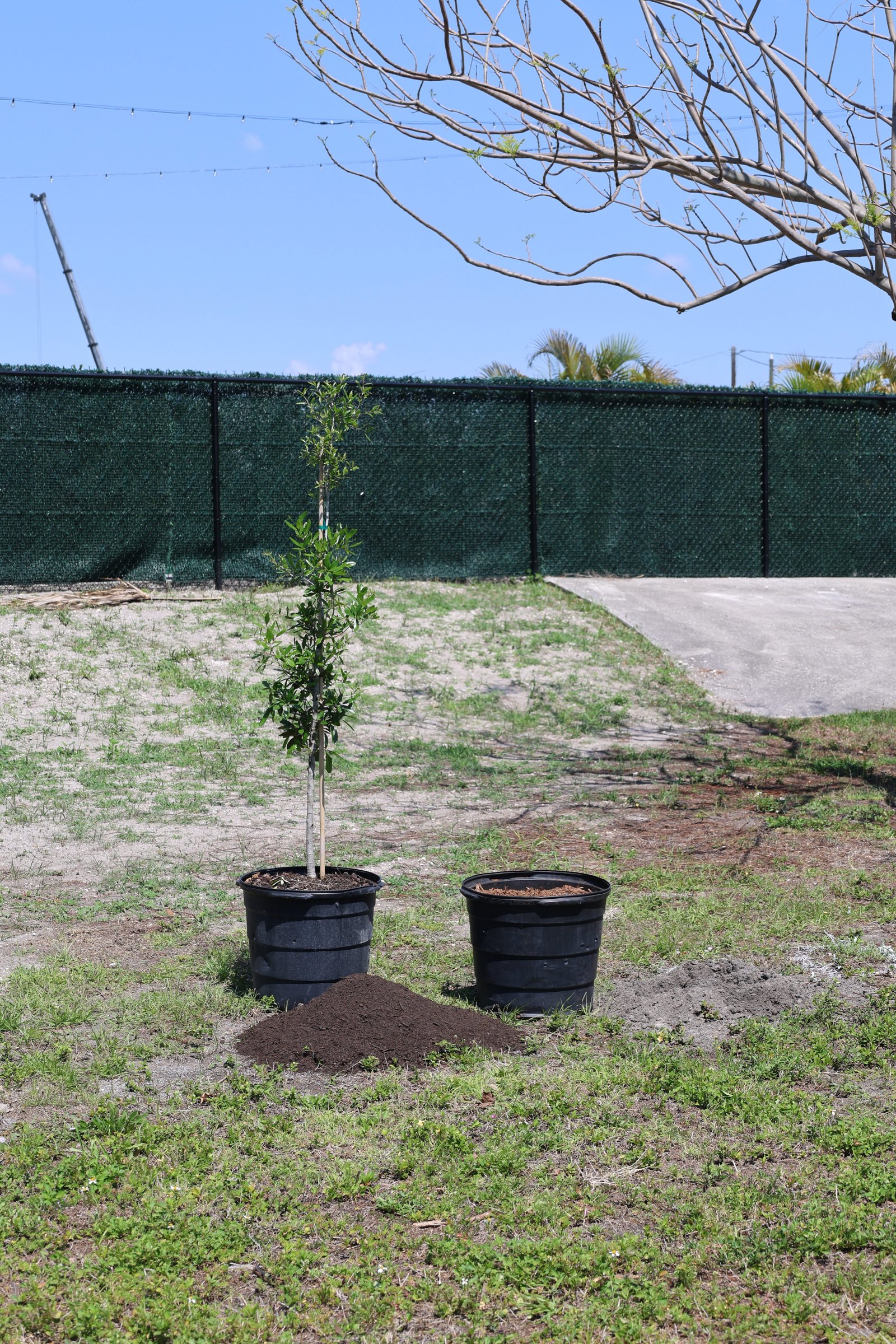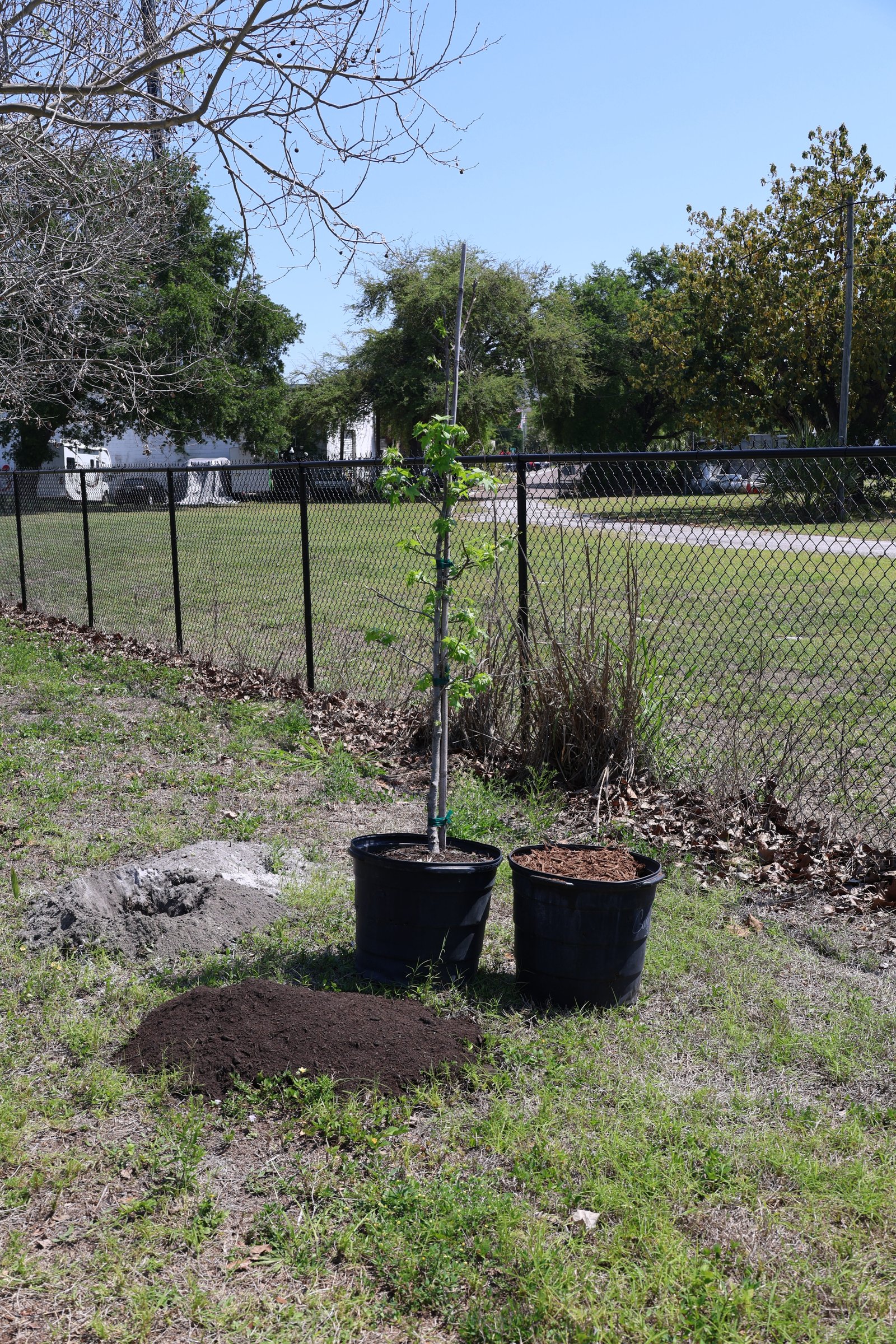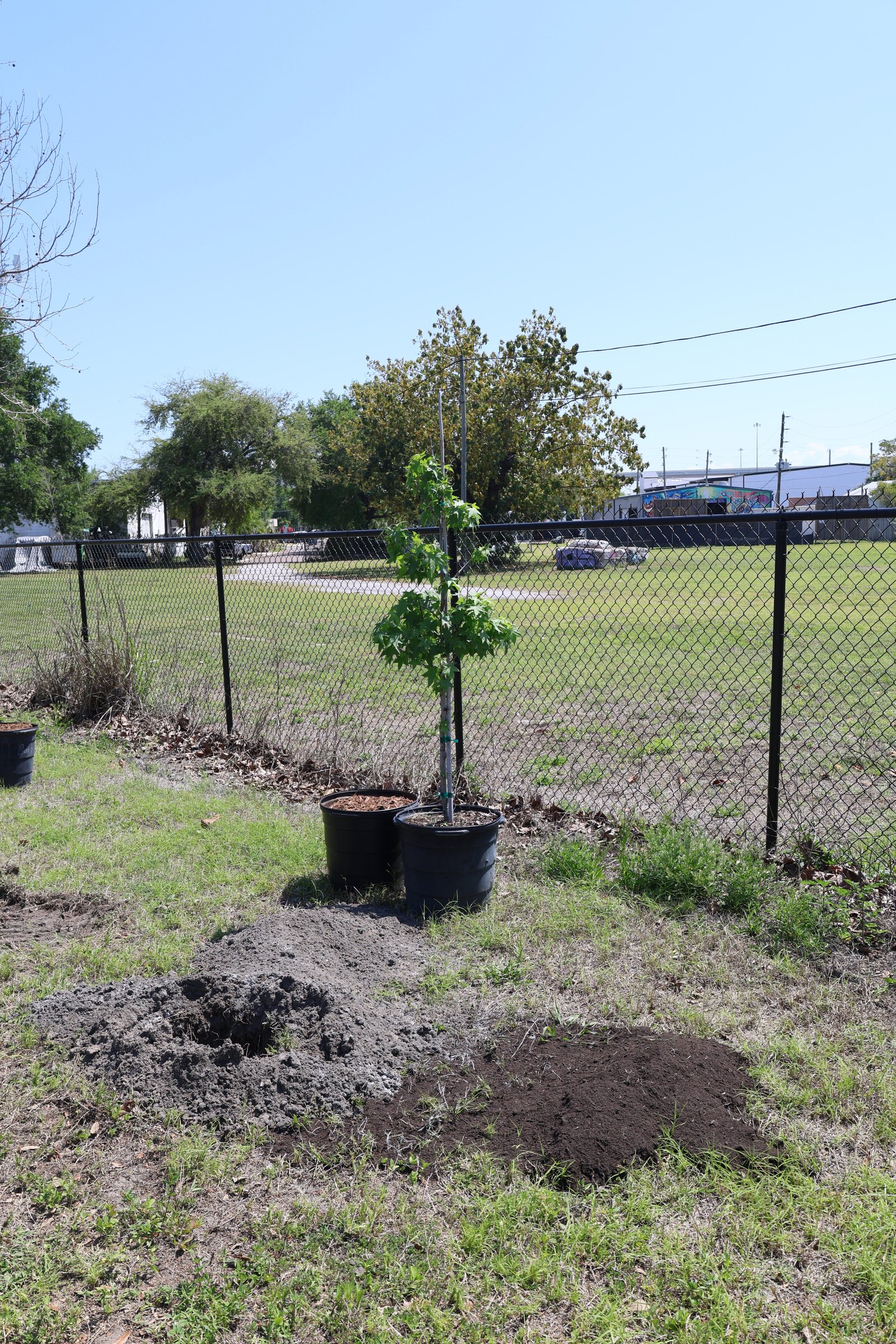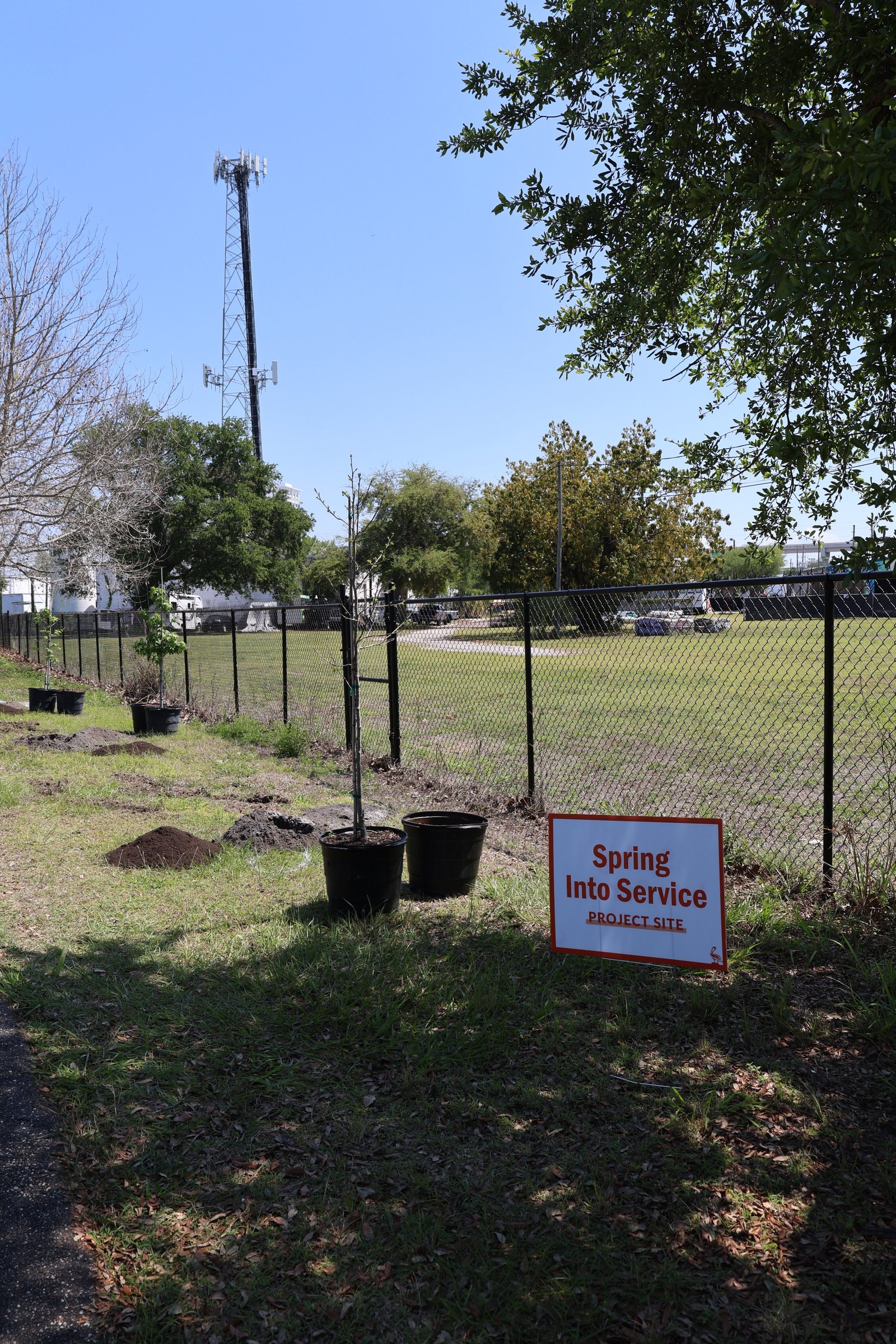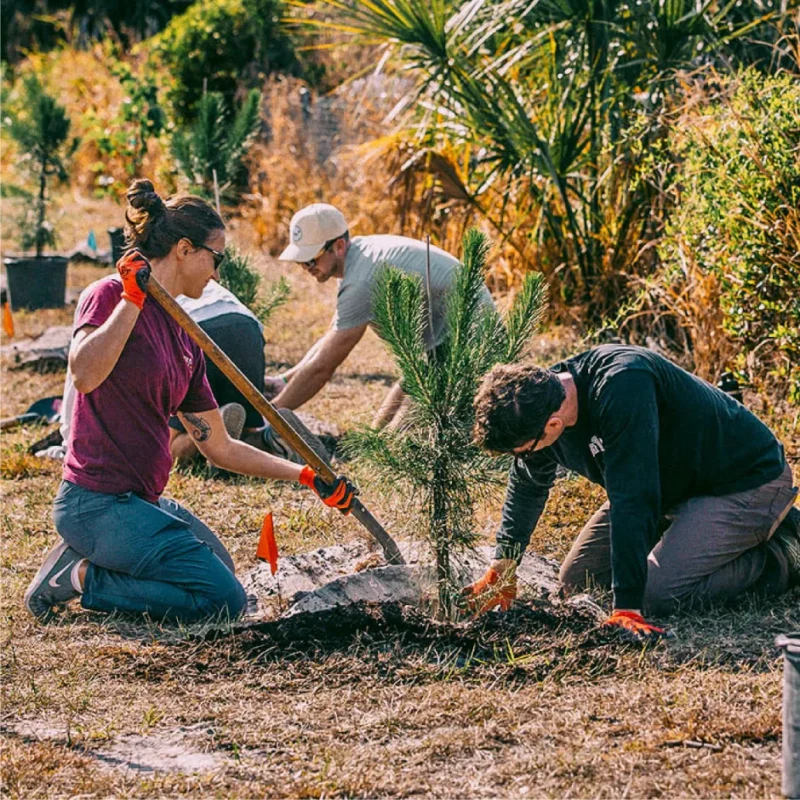

As part of the citywide Spring Into Service initiative, we hosted a tree planting along the Pinellas Trail, bringing together community members for a hands-on effort to enhance one of St. Petersburg’s most utilized green spaces. In partnership with the City of St. Petersburg and Keep Pinellas Beautiful, we planted 51 trees along the trail, contributing to a healthier and more resilient urban canopy.
About the Initiative
Spring Into Service is a community-driven volunteer initiative designed to unite neighbors through service, compassion, and collective impact. With projects happening across all quadrants of the city, the weekend highlights the power of community action, from cleanups to environmental restoration efforts like this one.
This initiative builds on the incredible momentum seen after recent storms, when St. Petersburg residents came together to support one another and restore their neighborhoods. Through efforts led by Neighborhood Relations, the City continues to expand volunteer opportunities, educate Neighborhood Associations, and empower residents to lead their own projects year-round.
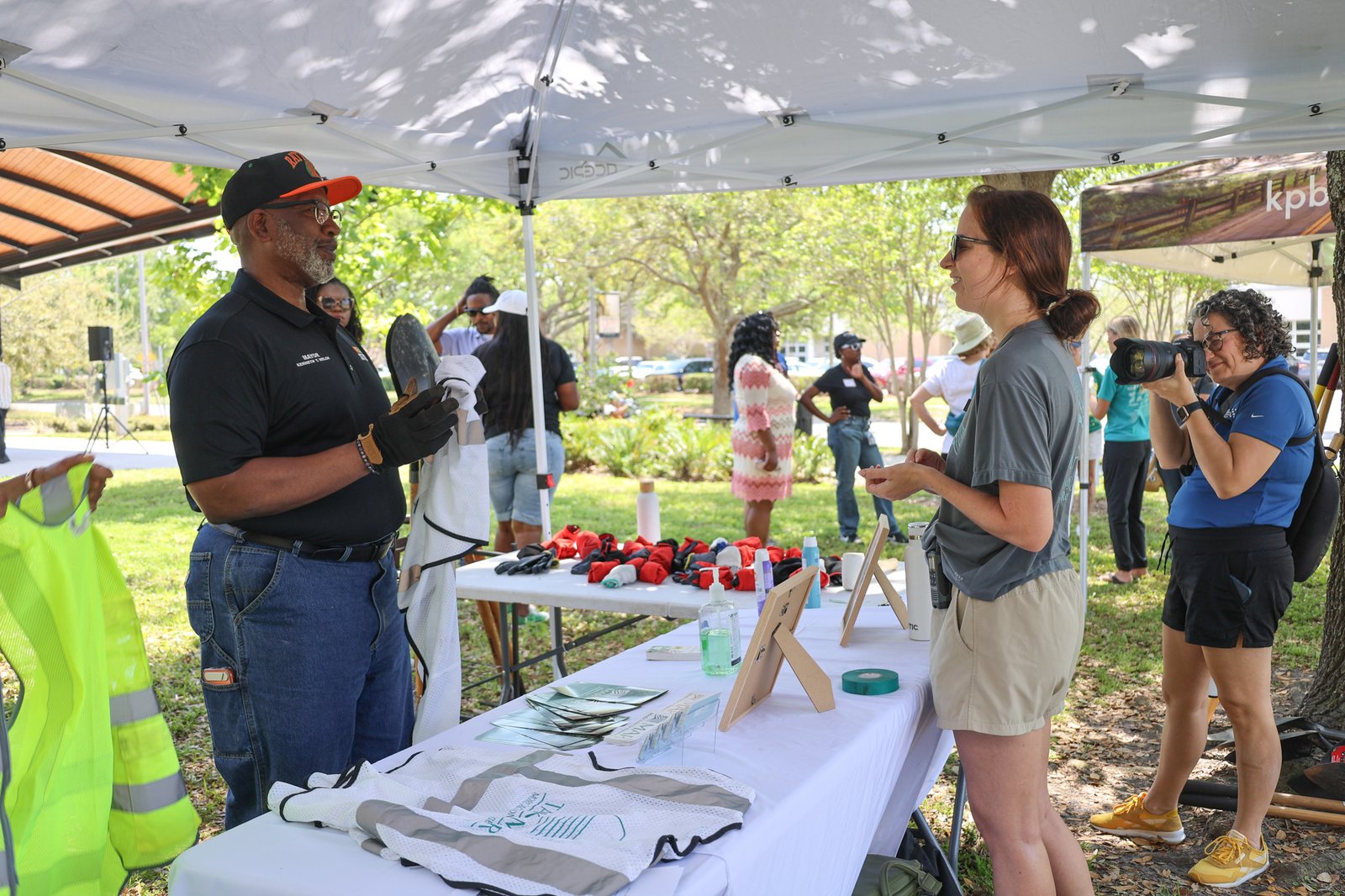
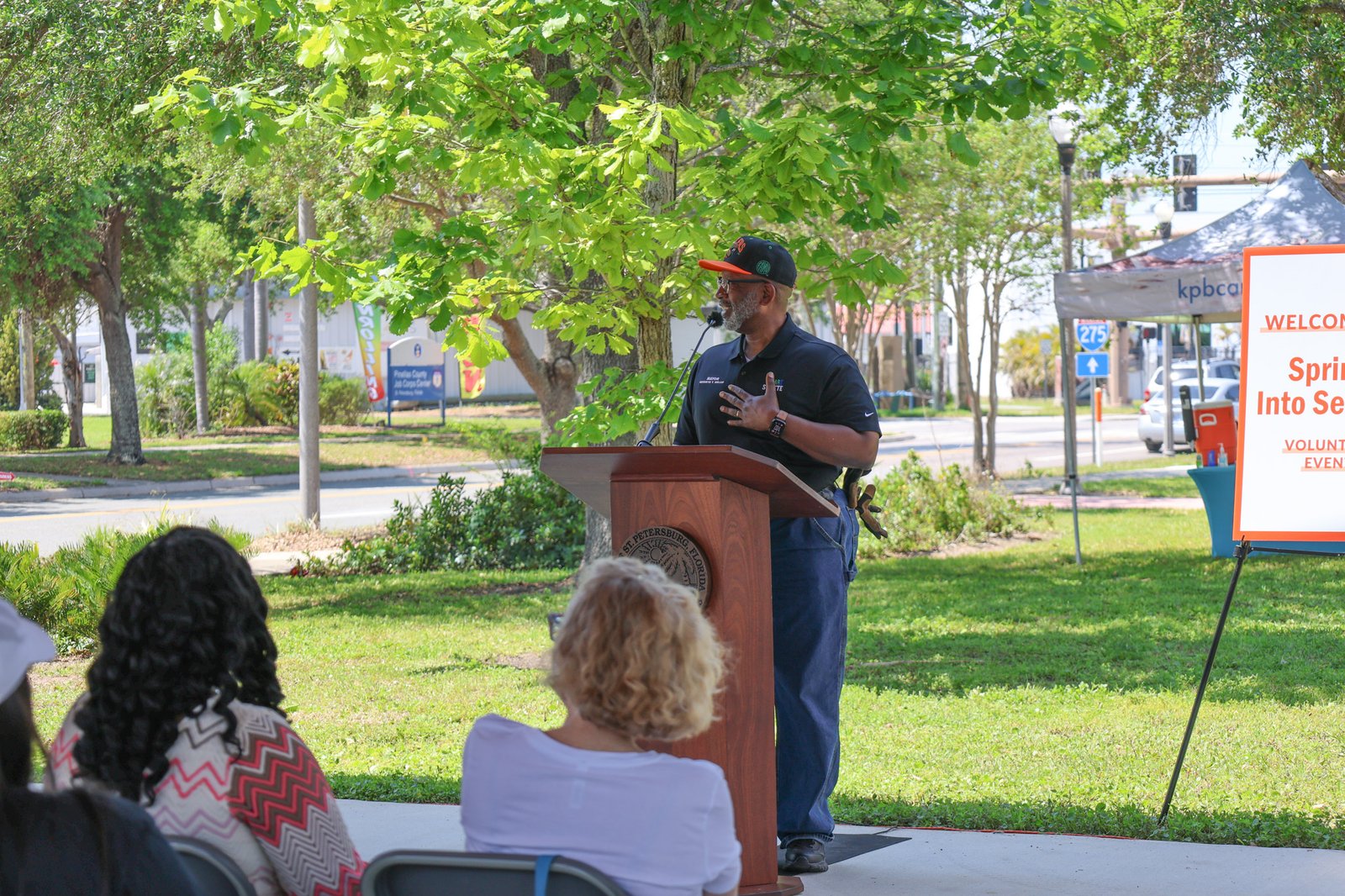
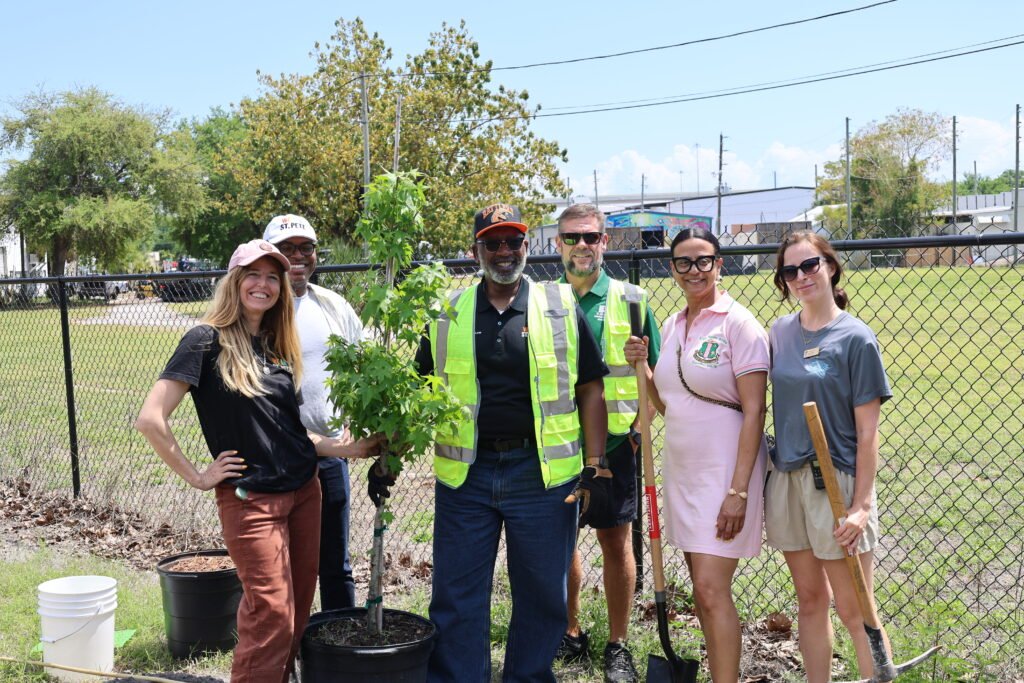
Our planting event brought out about 20 volunteers, including Mayor Ken Welch, who joined us on the ground to plant alongside the community. It was a great example of local leadership and community members working side by side toward a shared goal.

Species Planted Along the Pinellas Trail
We planted a diverse mix of native and Florida-friendly species, including sand live oaks, sweetgum, winged elms, slash pines, yaupon hollies, gumbo limbos, and orange geigers. This variety helps ensure long-term success by matching the right trees to the conditions of the site while supporting local wildlife and increasing canopy cover along the trail.
The Pinellas Trail presents a very specific set of conditions. It is highly exposed to sun, experiences heat from surrounding pavement, has sandy and often compacted soils, and can go through periods of drought. The species selected for this planting were chosen because they can handle these stresses while still providing long-term canopy, habitat, and resilience.
Sand Live Oak
Sand live oaks are extremely well-suited for tough, dry conditions. They are more drought-tolerant than traditional live oaks and thrive in sandy soils, making them a strong fit for the trail. Over time, they will form dense, spreading canopies that provide much-needed shade for trail users and wildlife.
Sweetgum
Sweetgum trees are adaptable and can tolerate a range of soil conditions, from sandy to moderately moist areas. On the trail, they help diversify the canopy and bring seasonal interest, while also supporting birds and pollinators. Their ability to adjust to different conditions makes them a reliable addition.
Winged Elm
Winged elm is a hardy native tree that performs well in urban environments. It can tolerate poor soils, heat, and occasional drought, all of which are common along the trail. It grows into a medium-sized canopy tree that supports birds and adds structural diversity to the planting.
Slash Pine
Slash pines are built for Florida conditions. They handle full sun, sandy soils, and periods of drought once established. They also grow relatively quickly, helping to establish vertical structure early on and providing habitat for birds and other wildlife.
Yaupon Holly
Yaupon holly is a tough, adaptable small tree that thrives in both dry and slightly moist conditions. It is especially valuable along the trail because it stays smaller, making it a good fit for tighter spaces. Its berries provide an important food source for birds.
Gumbo Limbo
Gumbo limbo is highly tolerant of heat, wind, and drought, making it a strong choice for exposed areas. It establishes quickly and adds diversity to the planting. Its resilience helps ensure survival in challenging conditions.
Orange Geiger
Orange geiger is well-adapted to coastal and urban environments. It tolerates sandy soils, salt, and heat, all of which can be factors along the trail. Beyond that, it adds a visual element with its bright blooms, helping make the space more inviting while still supporting pollinators.
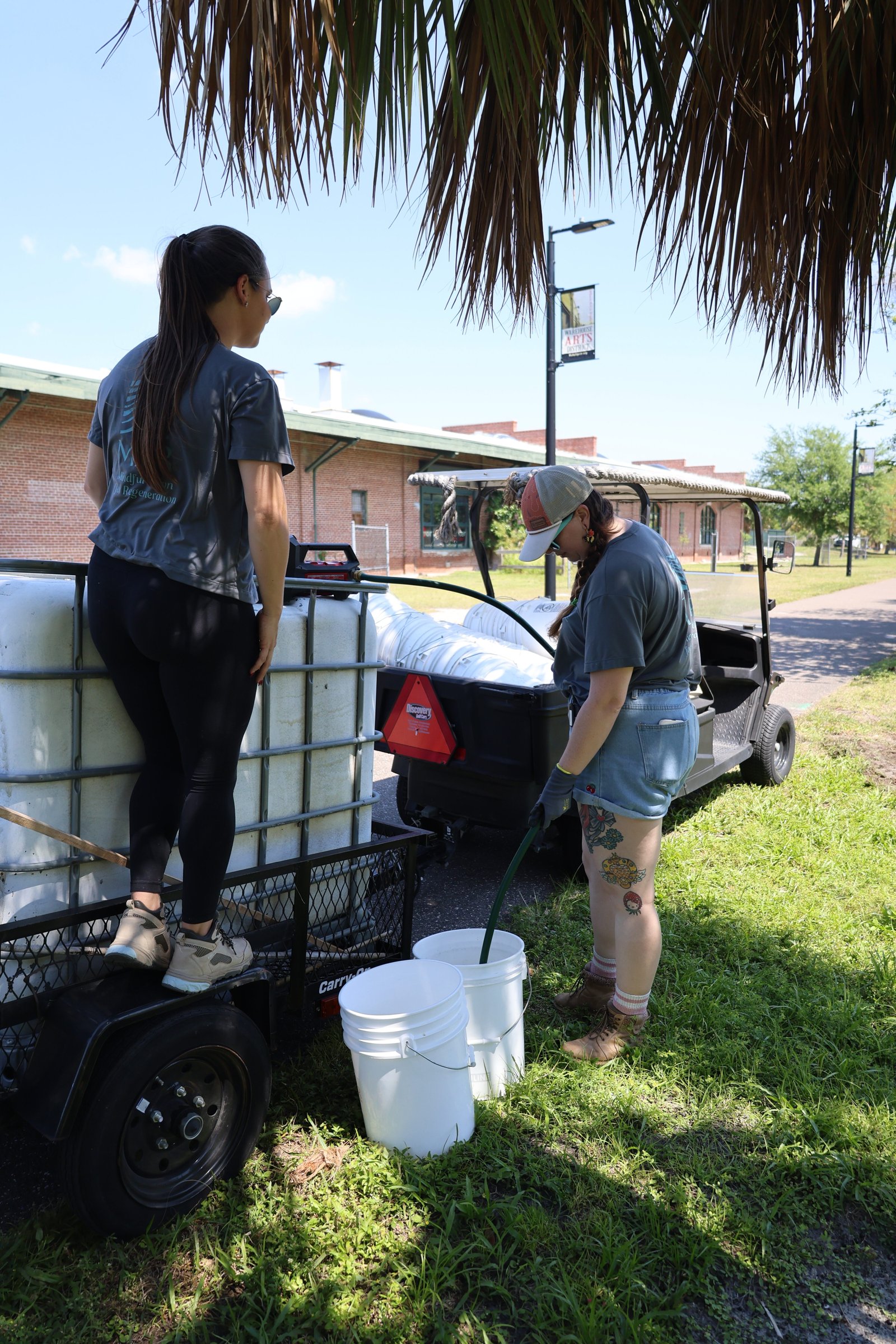
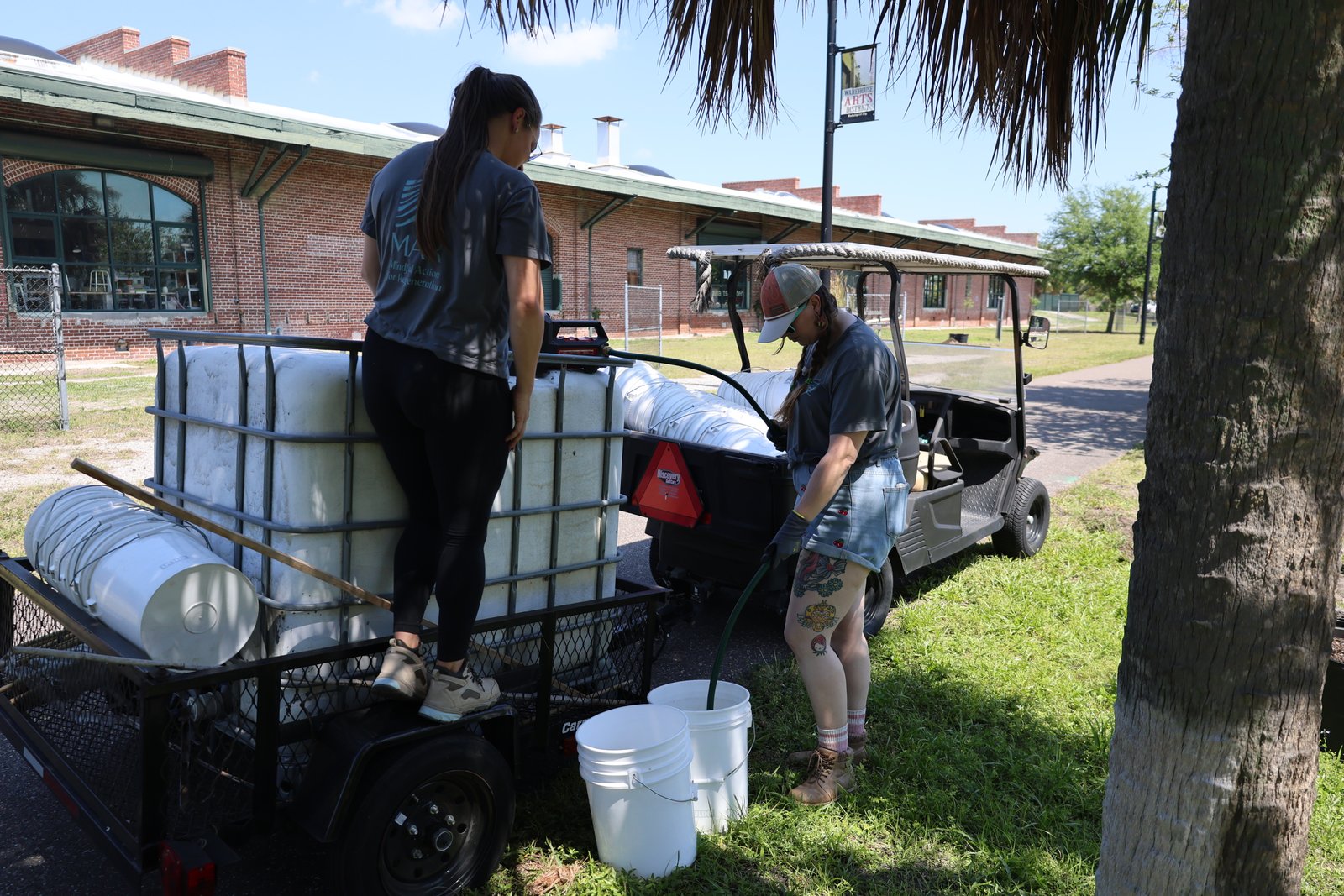
While planting is a critical first step, ongoing care is what ensures long-term success. MAR will be leading the watering efforts for these trees, helping them establish during the dry season and giving them the best chance to thrive.
Thank You!
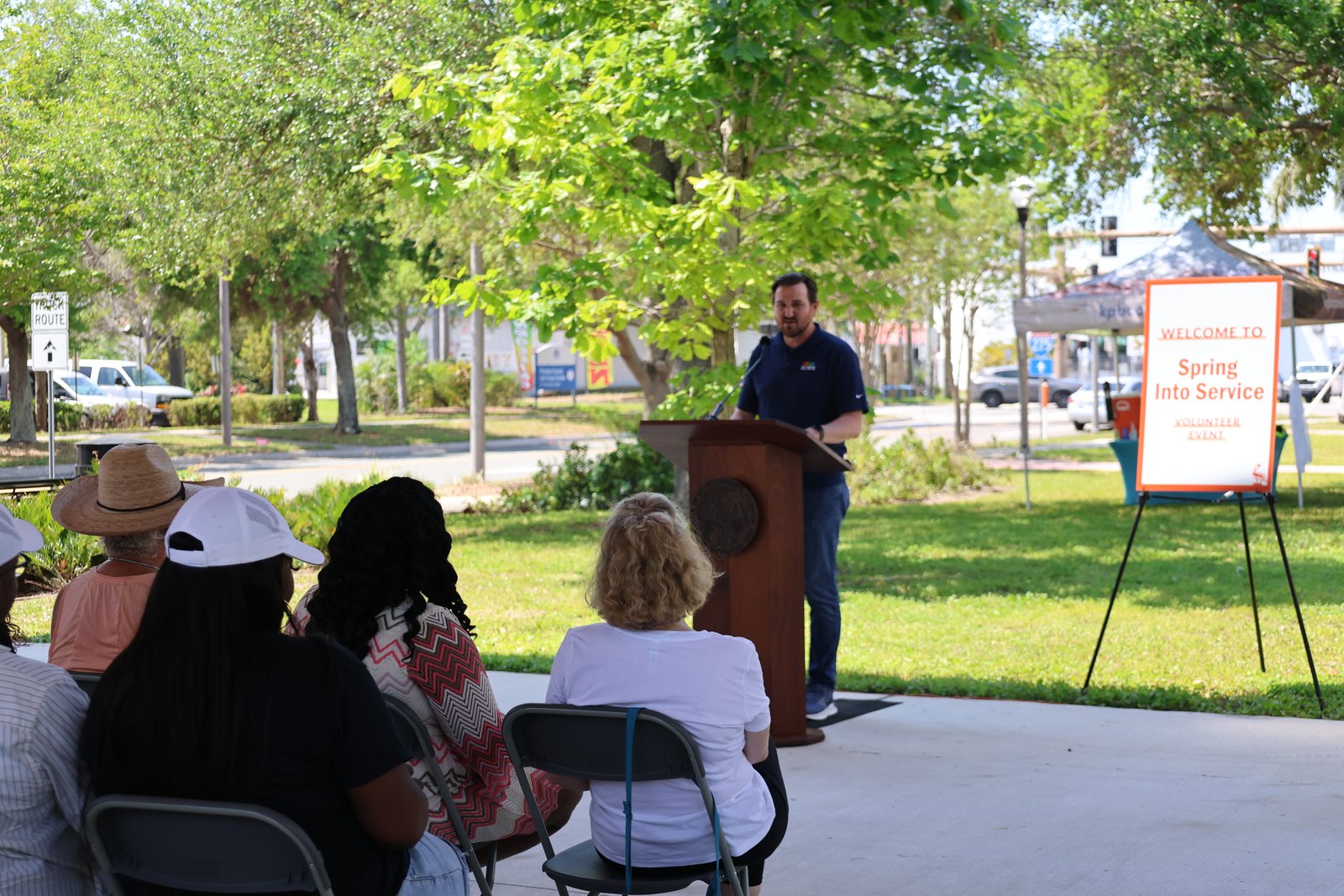
The Mayor’s official Spring Into Service kickoff event took place on Friday, March 27 from 1–3 PM, launching a full weekend of volunteer opportunities across the city. This event on the Pinellas Trail is just one example of how collective action can create lasting impact.
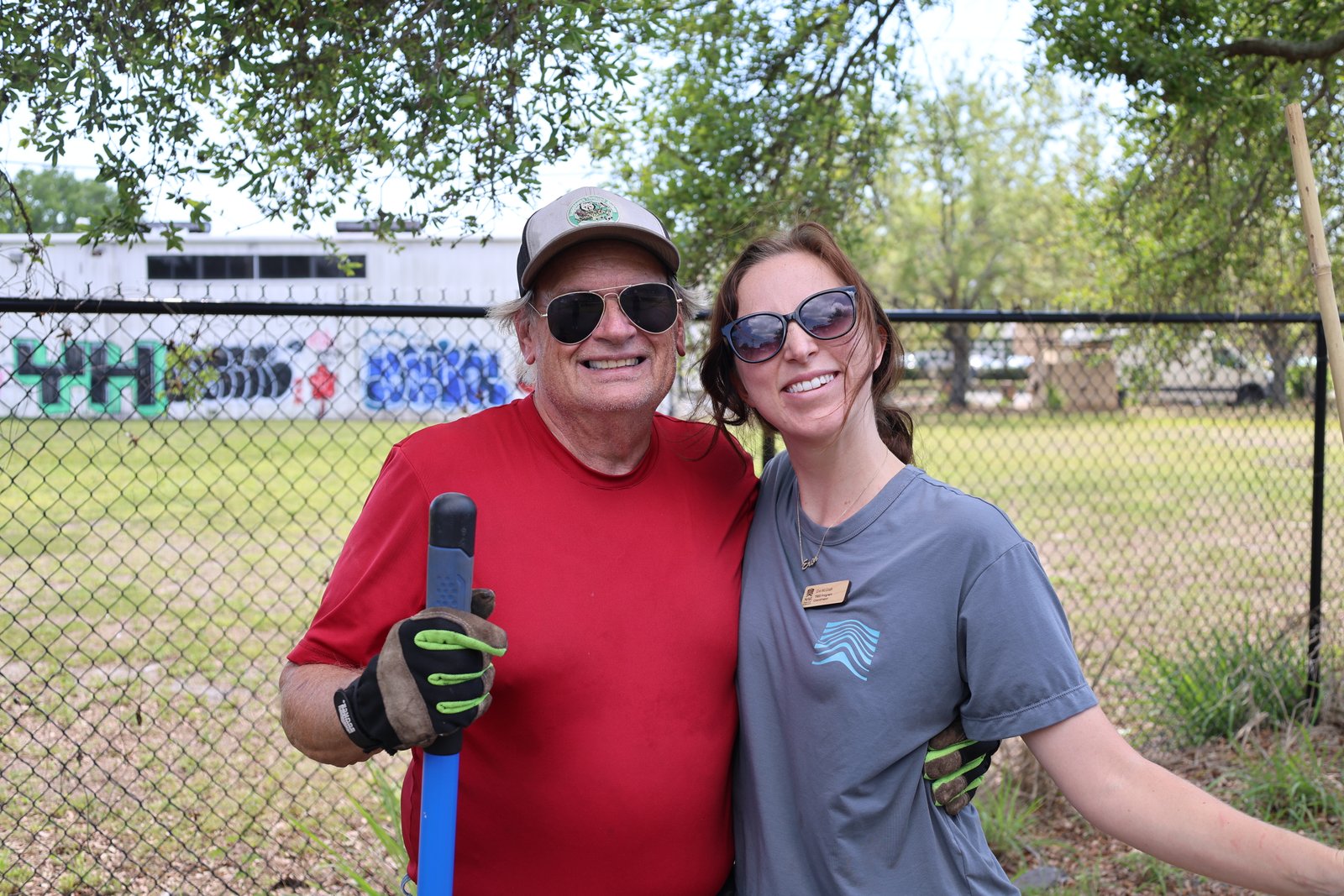
We’re grateful to everyone who showed up, got their hands dirty, and contributed to a greener St. Pete.
Want to be part of the action? Explore our upcoming volunteer opportunities!
Event Photos