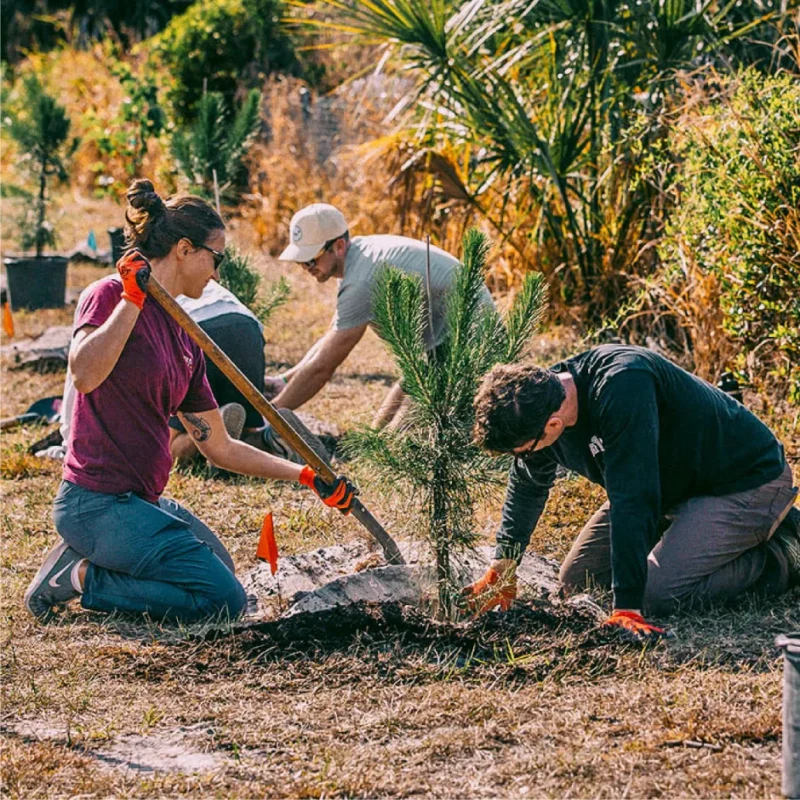

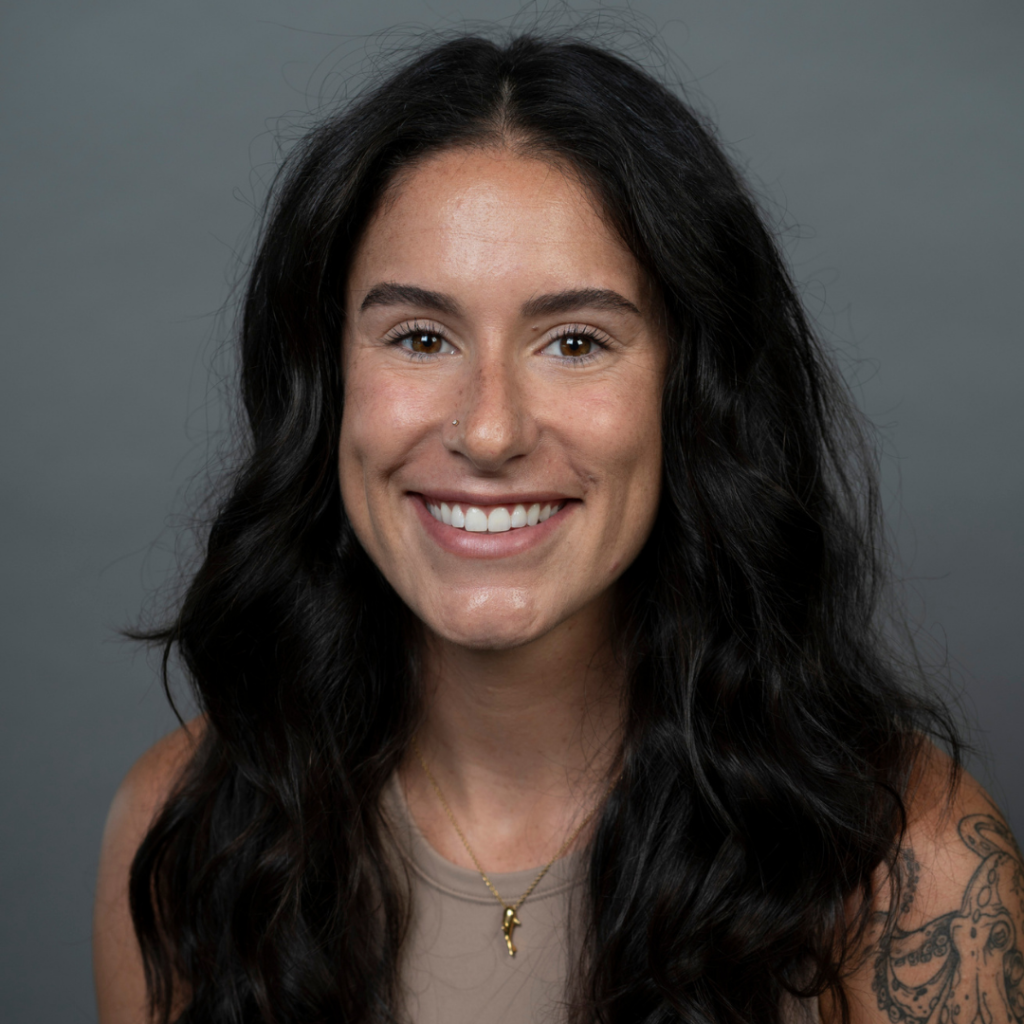
We’re excited to introduce Karah, MAR’s new BLUE Program Coordinator! Karah’s path to a career in marine science started far from the coast, in Kansas, and led her all the way to St. Petersburg, Florida, where she now works to connect communities with the ocean ecosystems in their own backyard.
A Journey Rooted in Marine Science
Karah grew up in Kansas and moved to St. Petersburg to pursue her passion for marine science at the University of South Florida College of Marine Science. Her love of the ocean took root early, sparked by her mother’s stories of growing up in a small fishing town on the southern coast of Spain, and it never let go. She earned her Bachelor’s degree in Ecology, Evolution, and Organismal Biology from the University of Kansas and is currently wrapping up her Master’s degree in Marine Science, where her research uses underwater video to help estimate fish abundance and population counts.
Karah’s Role as BLUE Program Coordinator
Alongside her graduate studies, Karah has built a career connecting science, education, and community. As MAR’s BLUE Program Coordinator, she is excited to help inspire the next generation of ocean stewards by creating meaningful opportunities for people to connect with Florida’s coastal ecosystems. She is passionate about making marine science approachable and believes that fostering curiosity is one of the most powerful tools for conservation.
Beyond the Office
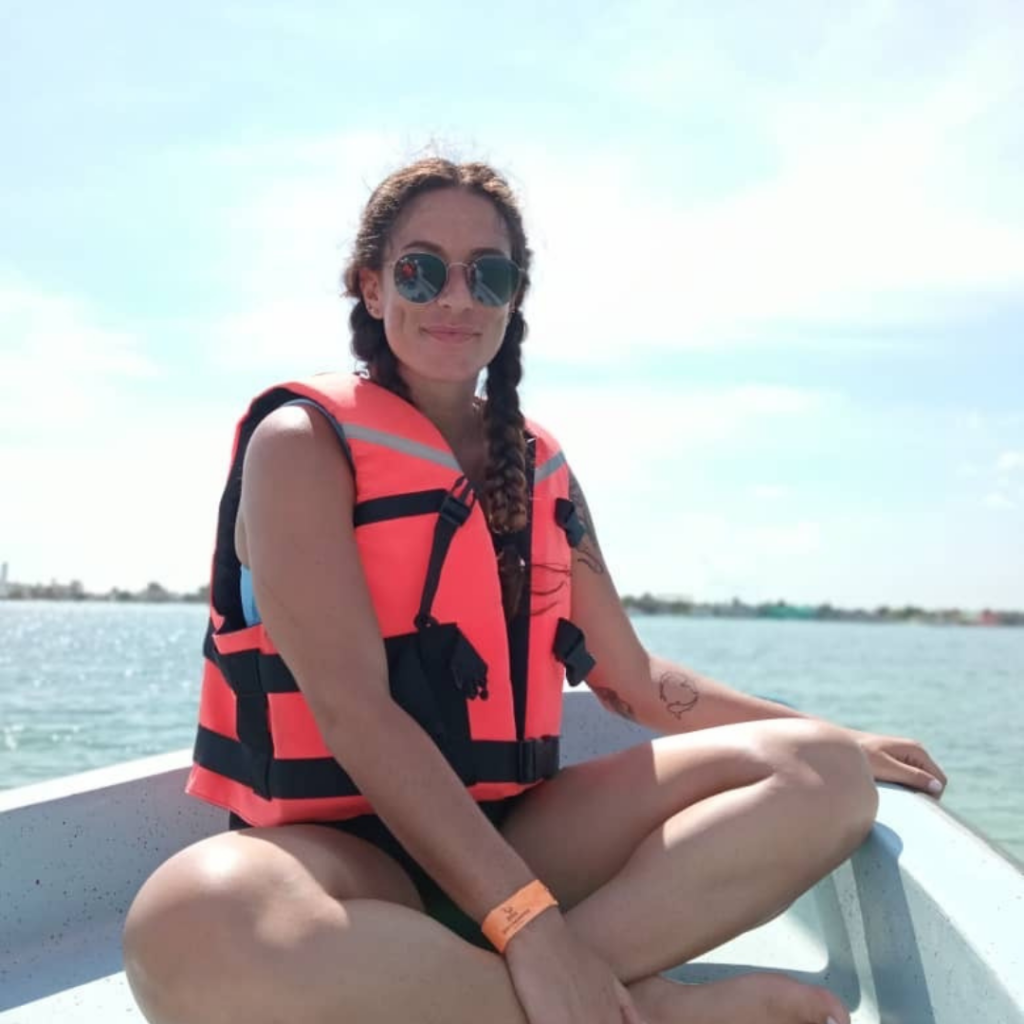
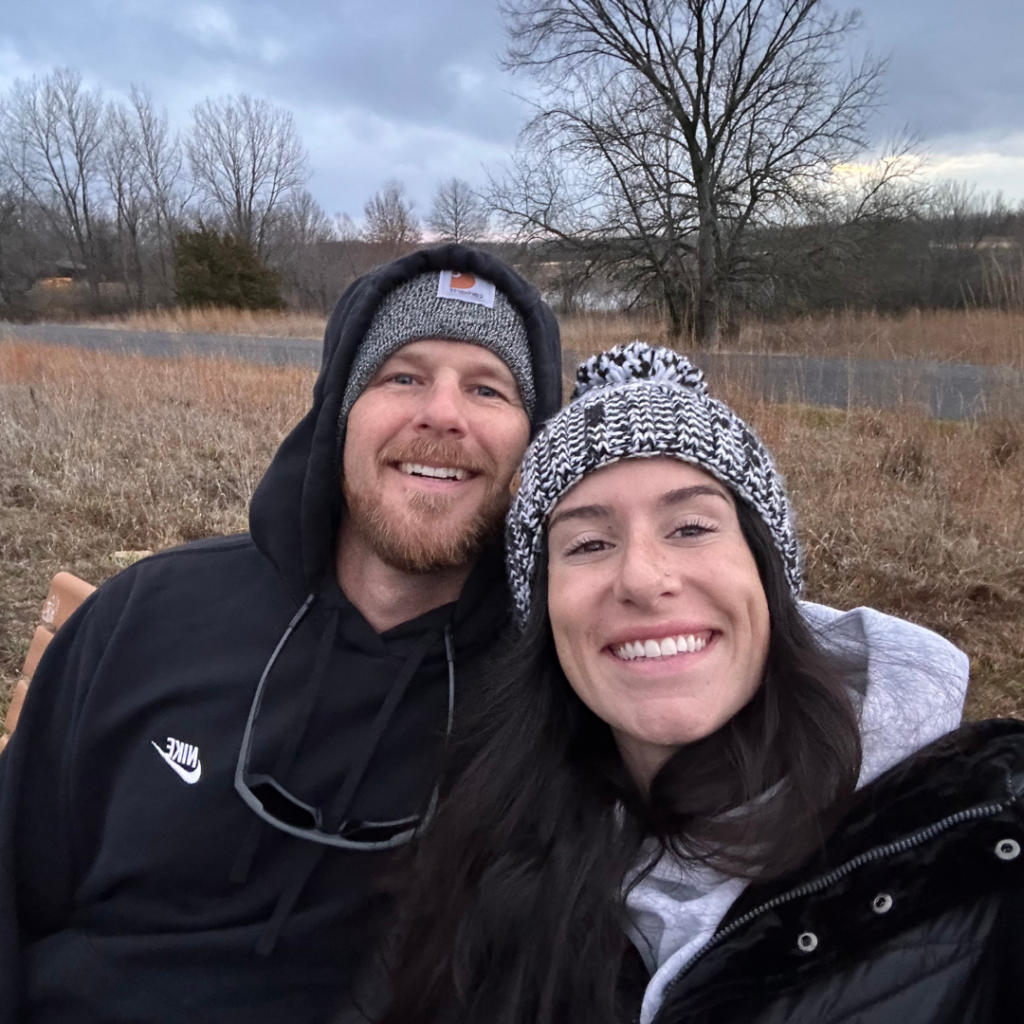
Outside of work, Karah enjoys exploring Florida’s waterways, spending time with her fiancé and their 4 pets, discovering local breweries, and finding new ways to connect people with the natural world. She is thrilled to be part of the MAR team and looks forward to advancing its mission of environmental regeneration through education, community engagement, and hands-on experiences.
Get to Know Karah: Q&A
What drew you to MAR’s mission?
As a biologist, I’ve always been fascinated by the dynamics of living things and how interconnected they all are. MAR’s mission to connect people with nature and foster sustainable, community-driven regeneration spoke to that immediately. We aren’t separate from nature; we are nature, and I love that MAR’s work starts from that idea.
What excites you most about the BLUE Program Coordinator role?
I’m excited to carry forward MAR’s work restoring and protecting Tampa Bay and beyond. Having spent time in this field and in this city, I’m looking forward to leaning into the connections and relationships I’ve built along the way, weaving them into MAR’s mission. St. Petersburg is in such an exciting moment for BLUE initiatives, and I’m thrilled to be part of that growth, connecting deeper into a community where the BLUE programs are already thriving.
What first sparked your interest in marine science and the ocean?
Growing up in Kansas, I knew before I was five that I wanted to be a marine scientist. My mom was born and raised in a small fishing town on the southern coast of Spain, and her stories lit a fire in me that nobody else around me seemed to share. Where I grew up, “I like going to the beach” was usually the extent of people’s connection to the ocean, and I wanted to be the exception to that. The ocean is a building block for nearly every natural process on Earth — even people in Kansas should care about protecting it.
What’s your favorite outdoor spot in the Tampa Bay area, and what makes it special to you?
I love exploring Fort De Soto Park. Every time I go, I notice something new, which keeps me coming back. You can spend a single afternoon there or camp overnight, and either way you get to experience several different ecosystems within one park.
How can individuals help support environmental restoration in their everyday lives?
People can make a difference in ways that are often simpler than we think. Awareness, empathy, curiosity, and care for our environment are great starting points, that’s part of why organizations like MAR exist. Educating yourself about your local environment and actually getting out and experiencing it helps you understand where the gaps are, so you can show up in meaningful ways, even on a small scale.
Do you have a favorite nature-themed book or film?
The Life Aquatic with Steve Zissou. I love Life Aquatic because it was introduced to me at a later age when I understood the field and could understand the writing for what it is. Wes Anderson films are unique in their own way and this is my favorite work of his. I love comedies, but mixing marine science with Bill Murray was the icing on the cake!
What’s one lesson that nature has taught you?
Nature has taught me that everything is interconnected, from the largest scales down to the smallest. It reminds me to slow down, reconnect with what I’m made of, and stay present.
Favorite quote?
“Man did not weave the web of life; he is merely a strand in it. Whatever he does to the web, he does to himself.” – Chief Seattle
I thoroughly enjoy studying Traditional Ecological Knowledge (a Western term coined around the 80’s) that describes the cumulative understanding of the world as we know it to “nature.” With that, I often find many quotes from Indigenous chiefs and members to resonate highly with TEK and my own beliefs. This quote by Chief Seattle encapsulates the biggest lesson I try to teach others, there is no separation between us and any other thing, rather we are made of them and they are made of us. It’s a good reminder of our relatedness to the natural world and how we both can affect the other.
Get Involved with MAR
Want to meet Karah and get involved with MAR’s BLUE Program? Stay tuned for upcoming BLUE events, and in the meantime, consider making a donation to support MAR’s ongoing environmental regeneration work!