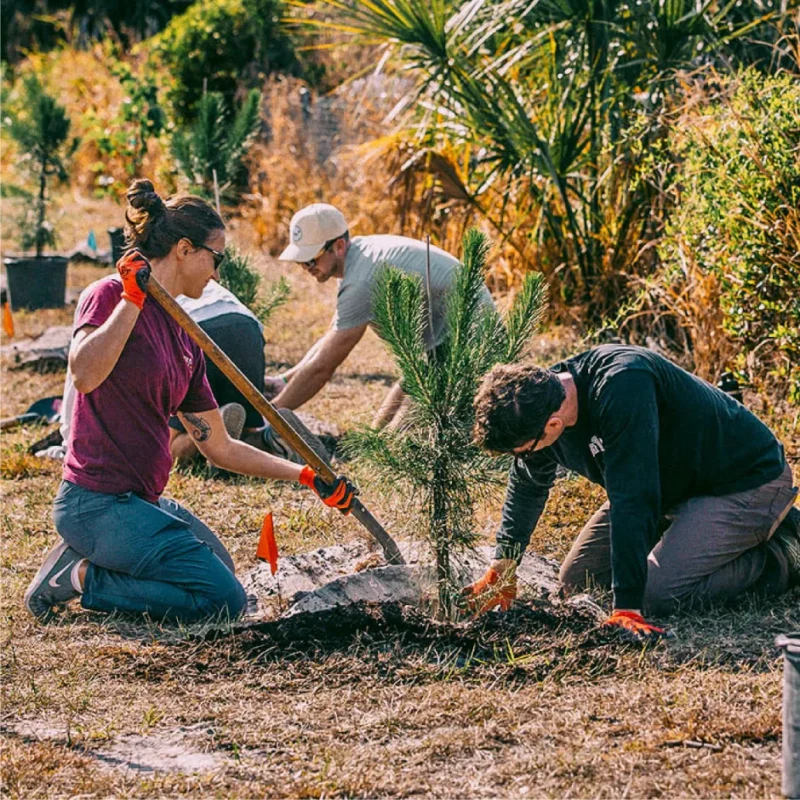

The Blanket Flower (Gaillardia pulchella) is one of the most cheerful wildflowers found in Florida landscapes, known for its vibrant red, orange, and yellow blooms that resemble a glowing sunset. Although it is widespread across Florida today, it is not native to Florida. Its native range includes the south-central United States (especially Texas), parts of the coastal plain, and northern Mexico. It commonly grows in open fields, coastal dunes, roadsides, and other sandy, well-drained habitats throughout Florida and the southeastern United States, where it is now well established in the wild.
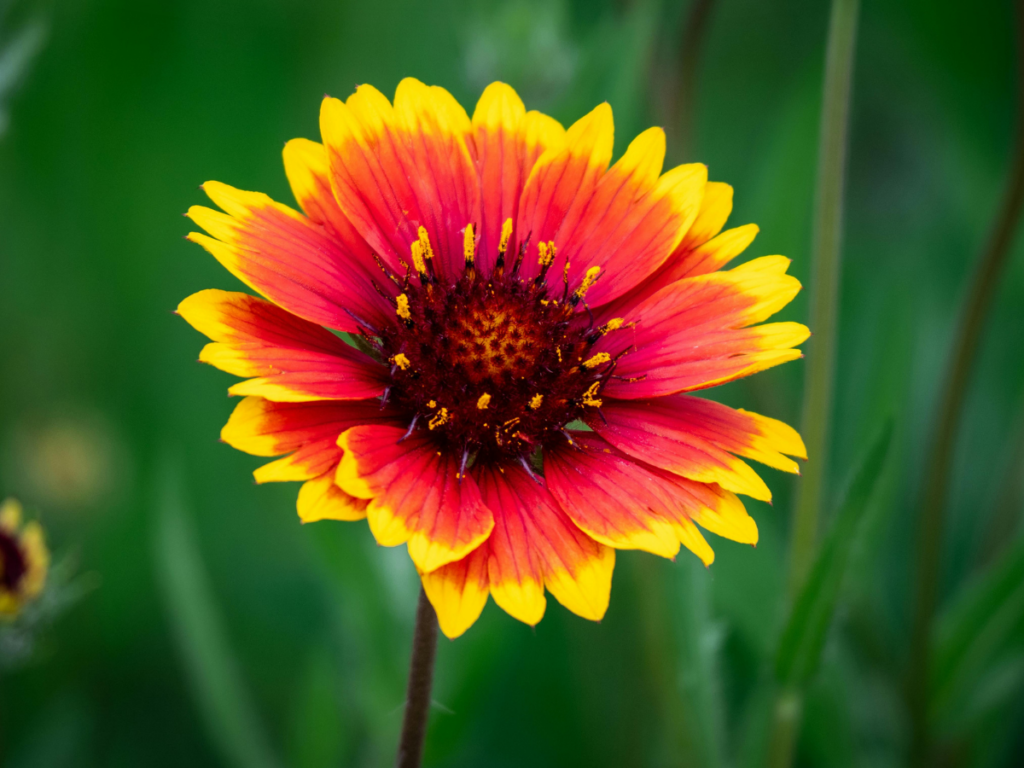
Blanket Flower earned its common name from the way large patches of blooms appear to spread across the landscape like a colorful blanket. These flowers typically bloom from spring through fall, creating long-lasting color while providing a valuable nectar source for pollinators throughout much of the growing season.
Growing approximately 1–3 feet tall, Blanket Flower thrives in challenging conditions and is well known for its ability to tolerate heat, drought, wind, and poor soils. Its bright flowers attract a wide range of beneficial wildlife and make it a popular choice for pollinator gardens, coastal plantings, and restoration-style landscapes, especially in areas where hardy, low-maintenance wildflowers are desired.
Because of its beauty and resilience, Blanket Flower is an excellent example of how naturalized wildflowers can provide both color and ecological function in one adaptable package.
How to Plant Blanket Flower
One of the reasons Blanket Flower (Gaillardia pulchella) is such a popular wildflower in Florida landscapes is because it can be successfully established either by direct seeding or by transplanting seedlings. Each method offers benefits depending on your timeline, planting goals, and landscape design.
Planting Blanket Flower from Seed
Growing Blanket Flower from seed is an affordable and rewarding way to establish larger naturalized areas, pollinator gardens, and restoration spaces.
- Choose a sunny location – Blanket Flower performs best in areas receiving at least six hours of direct sunlight each day.
- Prepare the soil surface by removing weeds and lightly loosen the top layer of soil. Blanket Flower prefers well-draining soils and generally performs well without extensive soil amendments.
- Spread seeds across the planting area and gently press them into the soil surface. Avoid planting too deeply, as Blanket Flower seeds benefit from access to sunlight during germination.
- Water lightly during establishment. Keep the soil surface consistently moist but not saturated until seedlings begin emerging.
- Thin seedlings if needed. Once seedlings begin growing, provide enough spacing to improve airflow and support healthy flowering.
Planting from seed is an excellent option for creating naturalized displays and allows Blanket Flower populations to establish and reseed over time.
Transplanting Seedlings
Transplanting established seedlings provides quicker visual impact and may increase early establishment success in some planting environments.
- Choose seedlings with sturdy stems, vibrant foliage, and roots that are not heavily circling inside the container.
- Dig a hole approximately the same depth as the root ball and slightly wider than the container.
- Position the plant so the top of the root ball sits level with surrounding soil.
- Backfill and gently firm the soil. Fill around the roots and lightly press the soil into place to eliminate large air pockets.
- Provide a deep watering immediately after transplanting and continue occasional watering while the roots establish.
Transplanting is a great option for gardeners looking for faster blooms or filling intentional spaces within a pollinator garden design.
Maintenance
The Blanket Flower is considered a relatively low-maintenance plant, making it an excellent option for gardeners seeking colorful blooms without intensive upkeep.
During establishment, young plants benefit from occasional watering, especially during extended dry periods. Once mature, Blanket Flower becomes highly drought tolerant and generally requires little supplemental irrigation.
Removing spent blooms (deadheading) may encourage additional flowering and extend the bloom period, although allowing some flowers to go to seed can support natural reseeding and provide food for wildlife.
Avoid excessive fertilization, as overly rich soil conditions can lead to weaker stems and reduced flowering performance.
Plant Care
Blanket Flower thrives under conditions that mimic the sunny, open habitats where it naturally occurs in its native range.
This species prefers:
- Full sun
- Well-draining sandy or loamy soils
- Low to moderate watering once established
- Good air circulation
This species generally experiences few major pest issues and is considered resilient in Florida landscapes. Because it evolved in nutrient-limited environments, less intervention often leads to stronger, healthier plants.
Gardeners may notice periods where flowering slows during extreme summer heat, but blooms often rebound with seasonal rainfall and cooler temperatures.
A Living Buffet: The Ecological Importance of Blanket Flower
While Blanket Flower is admired for its bright appearance, its true value lies in the role it plays within local ecosystems.
It provides an important nectar source for native bees, butterflies, moths, and other pollinating insects throughout the growing season.
Species like Blanket Flower are often recommended as part of pollinator-friendly landscape design because they offer long-lasting seasonal blooms and support local biodiversity, something you can explore further through University of Florida IFAS Extension’s Florida-Friendly Landscaping resources.
Because blooms continue over many months, this plant offers a dependable food source during times when other flowering species may be less abundant.
Its open flower structure makes nectar and pollen accessible to a wide variety of pollinators, supporting both specialist and generalist species. Blanket Flower can also contribute to healthier pollinator corridors by increasing connectivity between natural areas and urban landscapes.
Wildflowers like Blanket Flower help create continuous blooms across landscapes, supporting pollinators throughout multiple seasons while adding vibrant color to restoration and community spaces.
As flowers mature and produce seed, they create an additional food resource for birds and small wildlife.
Including species like Blanket Flower in community landscapes demonstrates that restoration and conservation can also be vibrant, colorful, and welcoming spaces that invite people to connect more deeply with Florida’s environment.
This beautiful wildflower is featured in our Rooted in Florida guidebook, where we highlight plants that grow in Florida and the ecosystems they support. You’ll also find Blanket Flower included in our Sticker Pack, a fun way to celebrate and share your favorite plants. Explore both items in MAR’s online shop and keep discovering the plants that thrive in Florida!
References
Florida Native Plant Society. (n.d.). Gaillardia pulchella species profile.
Lady Bird Johnson Wildflower Center. (n.d.). Gaillardia pulchella (Blanket Flower).
University of Florida IFAS Extension. (n.d.). Florida Wildflowers and Native Plant Recommendations.
USDA NRCS. (n.d.). Plant Guide: Gaillardia pulchella.