
If you live in Florida, you are familiar with the pattern of sunny mornings followed by afternoon thunderstorms during the warmer months. Florida’s rainy season, which generally lasts from late May through October, is far more than a predictable weather cycle. Florida’s rainy season plays a critical role in maintaining healthy wetlands, supporting wildlife, replenishing groundwater, and protecting water quality across the state.
Key Takeaways
- Florida’s rainy season is driven by seasonal heat and sea-breeze interactions.
- Seasonal rainfall restores wetlands, recharges aquifers, and supports biodiversity.
- Amphibians, native plants, and pollinators depend on wet season conditions.
- Stormwater runoff can threaten ecosystems if pollutants are not properly managed.
- Florida-friendly landscaping and conservation practices help protect natural systems.
What Causes Florida’s Rainy Season
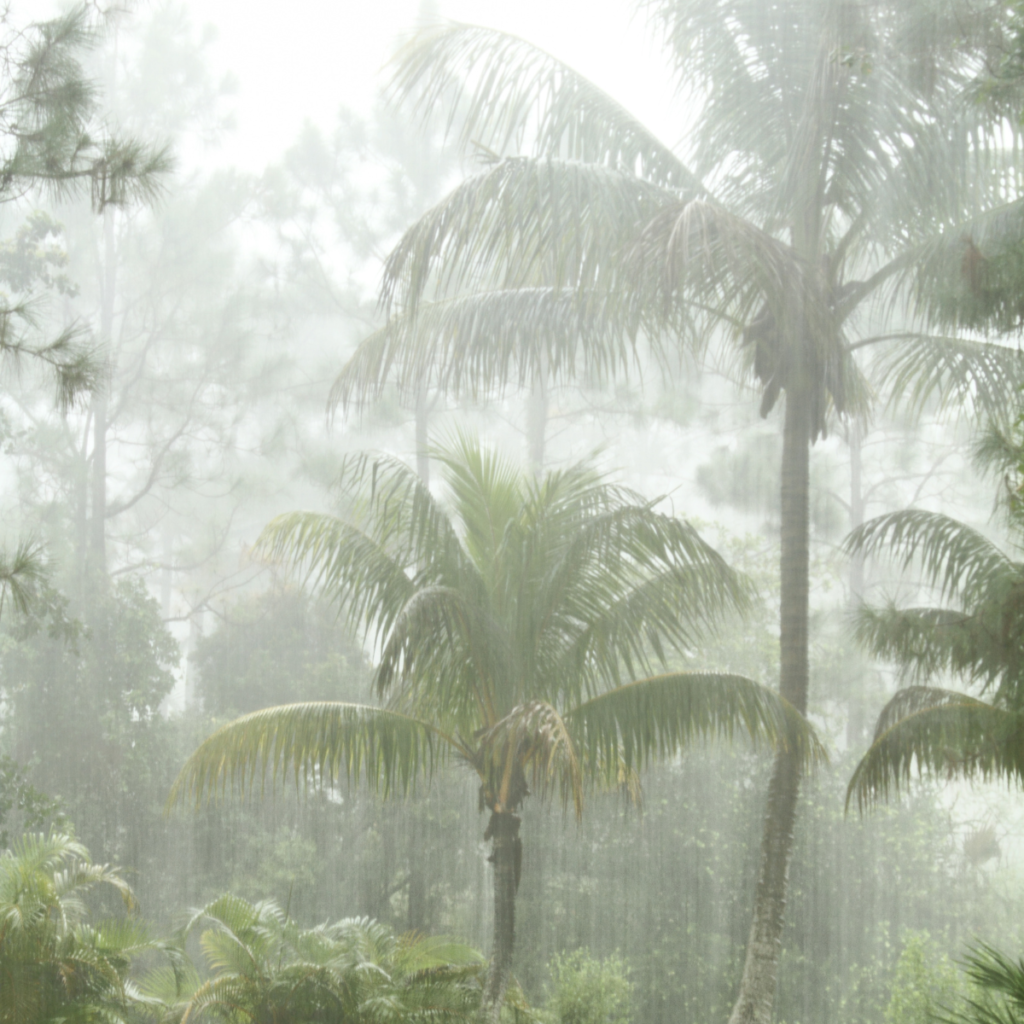
Florida’s rainy season is primarily caused by intense summer heat combined with moist air moving inland from the Gulf of Mexico and Atlantic Ocean. As sea breezes converge over land, rising air forms frequent thunderstorms. This seasonal weather pattern delivers a significant portion of Florida’s annual rainfall and is essential for ecological balance. Readers interested in the meteorology behind Florida’s rainy season can learn more from the National Weather Service’s Florida Thunderstorm Season resource.
How Seasonal Rainfall Supports Wetlands
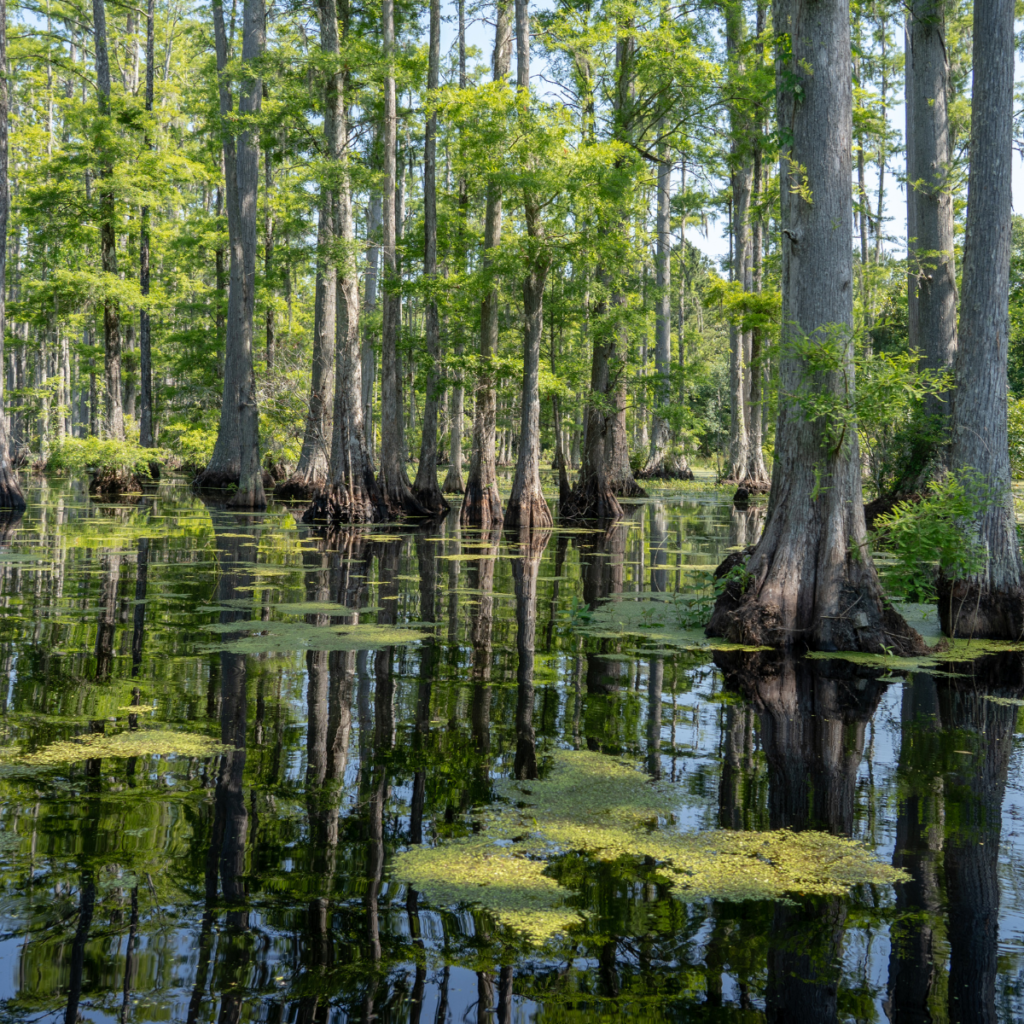
Florida’s rainy season is essential for recharging freshwater wetlands, marshes, cypress domes, and flatwoods that often dry out during spring. Increased rainfall restores breeding grounds for amphibians, fish, birds, and insects while also replenishing aquifers and surface waters.
Healthy wetlands also serve as natural filtration systems by trapping sediments and excess nutrients before they reach larger water bodies like Tampa Bay or the Everglades. These functions are critical for maintaining long-term ecosystem stability. Supporting local wetland conservation efforts can further strengthen these natural systems.
How Wildlife Responds to Summer Rainfall
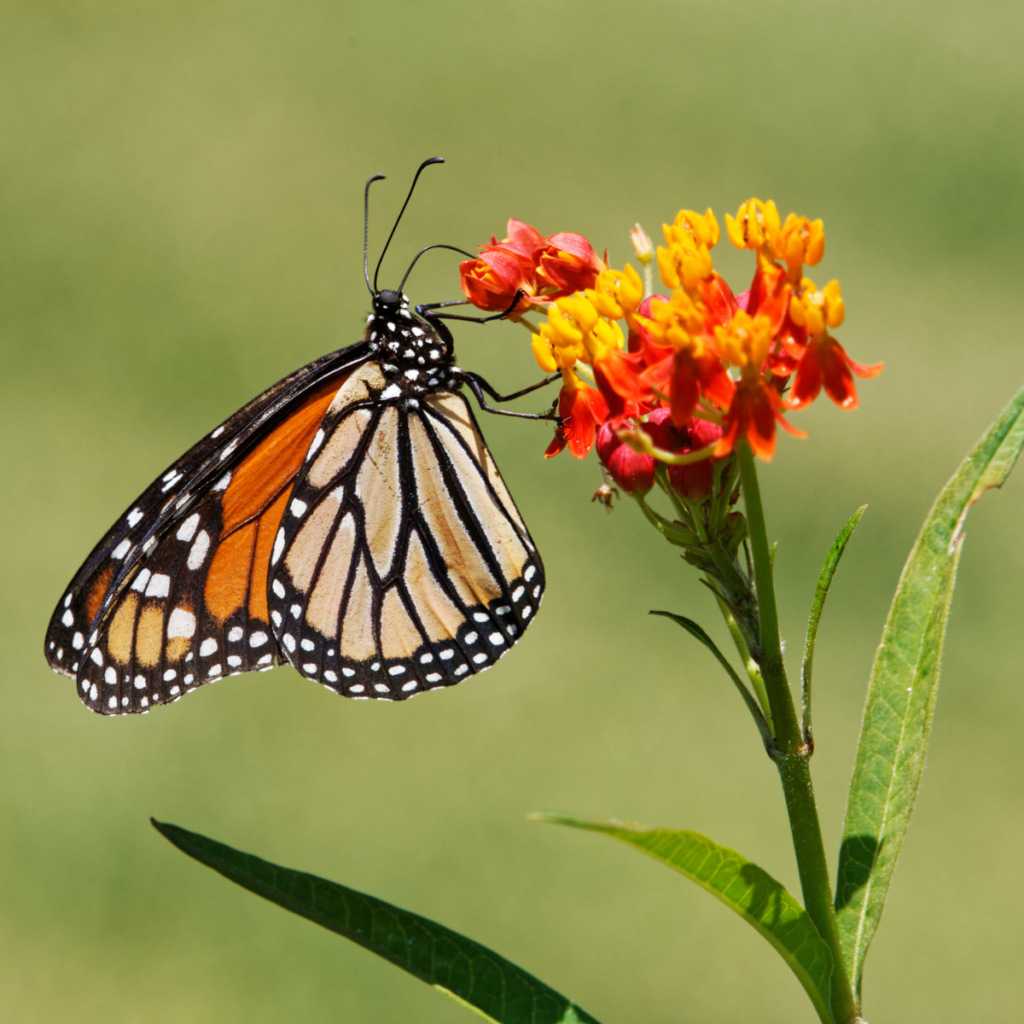
Many native species time their reproductive cycles around Florida’s rainy season. Frogs and toads become especially active after heavy rains because temporary pools provide ideal breeding conditions. Native wildflowers also bloom more extensively during this period, supplying essential nectar and pollen for bees, butterflies, and other pollinators.
This seasonal increase in biodiversity strengthens food webs and supports broader ecosystem health. Homeowners can improve habitat by exploring Florida-native landscaping practices that support pollinators and seasonal biodiversity.
Environmental Risks During Florida’s Wet Season
Although Florida’s rainy season benefits ecosystems, it can also increase stormwater runoff from roads, lawns, and urban surfaces. Runoff can carry fertilizers, pesticides, plastics, and other pollutants into waterways, contributing to algal blooms, seagrass loss, and declining water quality.
Residents can help reduce these risks by limiting fertilizer use during wet months, planting native vegetation, and properly managing waste. UF/IFAS Extension offers science-based guidance on Florida-friendly landscaping and fertilizer best practices.
Why Seasonal Rainfall Matters
Florida’s rainy season is one of the most important natural cycles in the state. It shapes water resources, wildlife populations, plant growth, and wetland resilience. Understanding its ecological role can help communities make smarter choices that protect Florida’s natural systems for future generations.
Take Action This Rainy Season
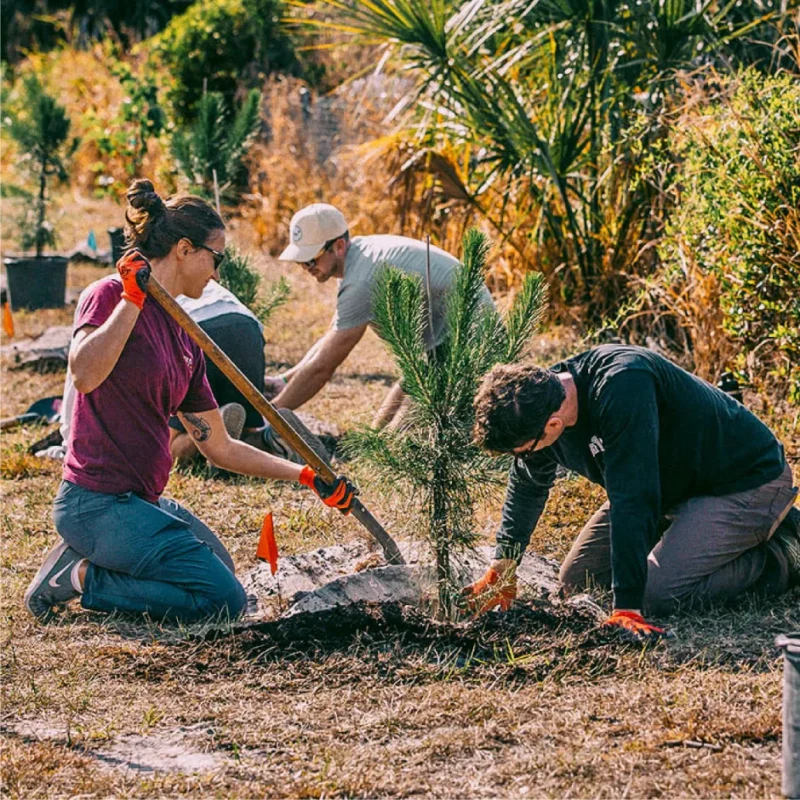
This rainy season, consider taking simple steps to support Florida’s environment. Plant native species, reduce fertilizer use, conserve water, and pay attention to how seasonal rains shape your local ecosystem. Small choices at home can help protect wetlands, waterways, and wildlife across Florida while building a healthier future for the natural spaces we all depend on.
Explore more environmental educational resources and upcoming events from MAR to continue learning and getting involved.